Why a British Shorthair Squirms When Lifted
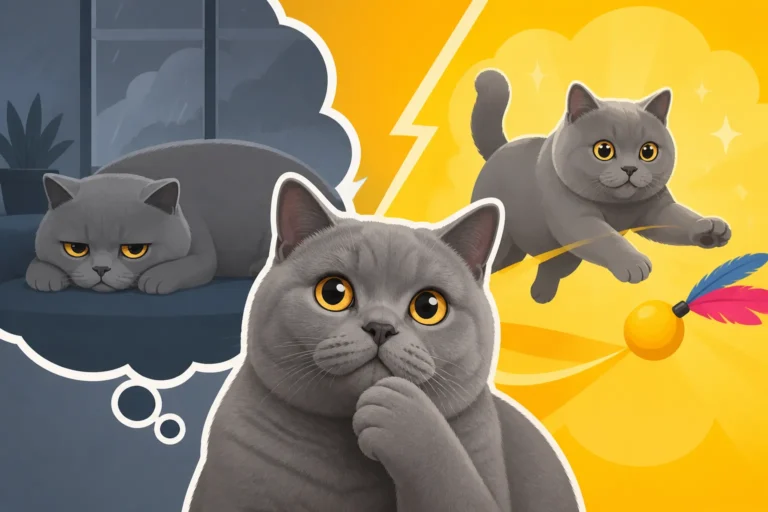
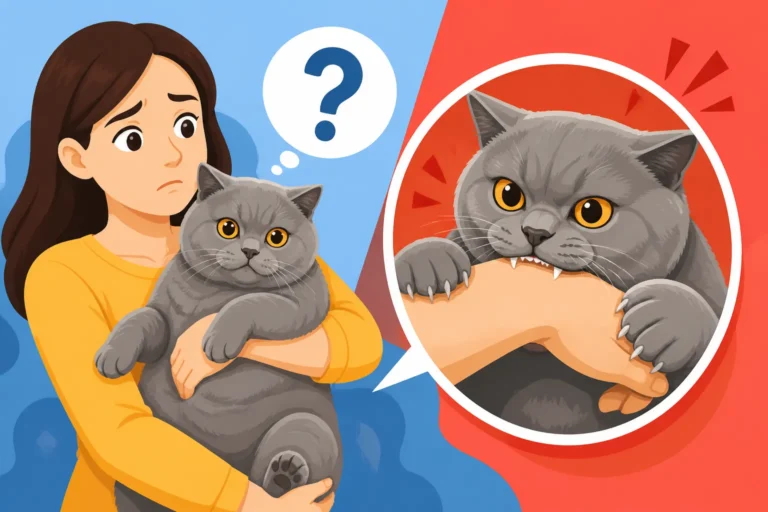
It's a familiar scenario for many British Shorthair owners: you simply want to scoop up your beloved fluffy companion for a cuddle, only to be met with immediate resistance, a wriggle, and a determined leap back to solid ground. This isn't a sign that your British Shorthair doesn't love you, but rather a common characteristic rooted in their unique physical build and temperament. This guide will delve into the various reasons your British Shorthair might squirm when lifted and offer practical, empathetic advice on how to make these interactions more comfortable for both of you.
Why British Shorthairs Dislike Being Picked Up
British Shorthairs are magnificent creatures, known for their plush coats, round faces, and generally calm demeanor. However, their physical attributes and inherent personality traits often mean they aren't the biggest fans of being lifted off the ground. It's a fundamental aspect of What a British Shorthair's Temperament Is Really Like that many new owners might not anticipate.
Their Physical Build and Sense of Security
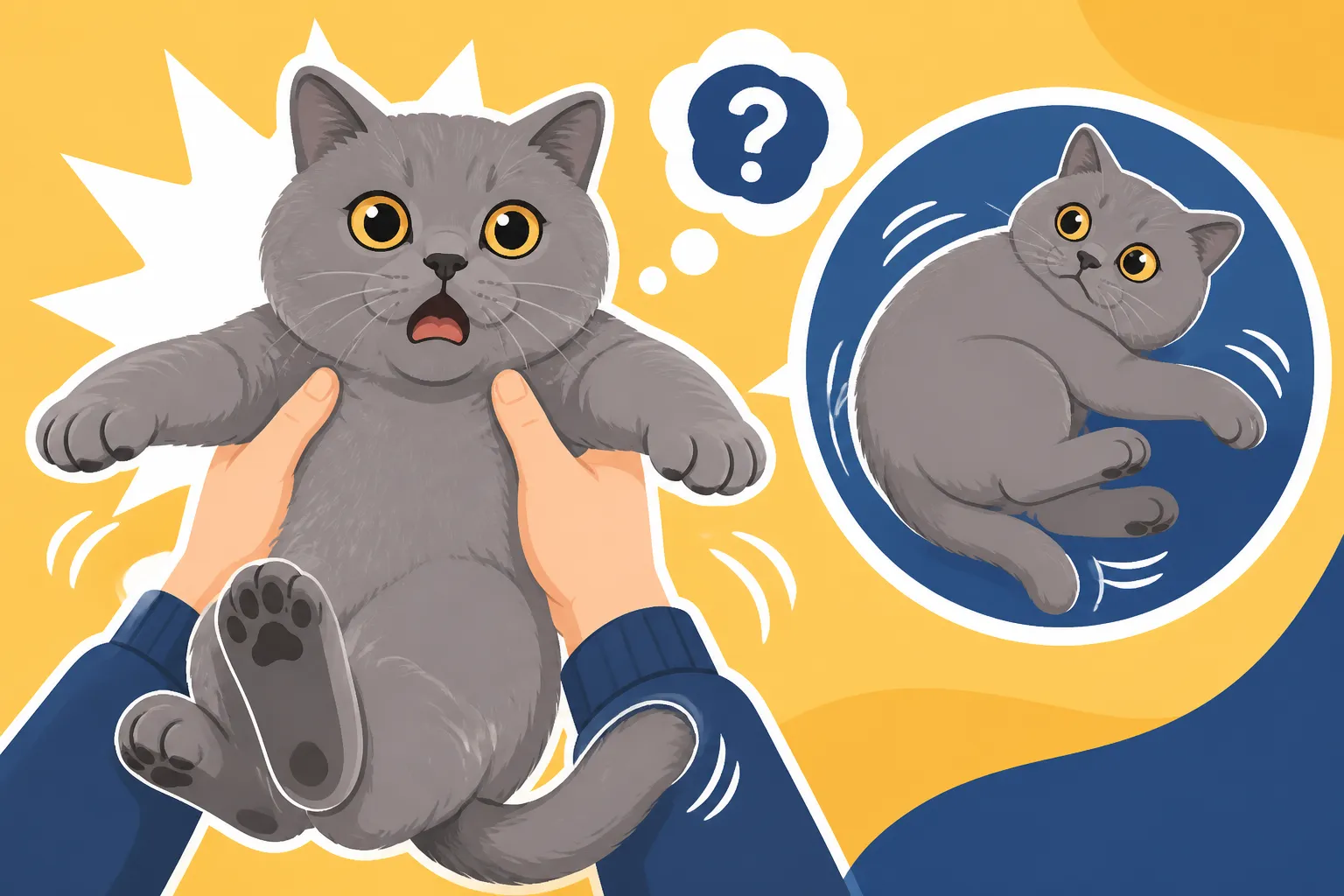
One of the primary reasons a British Shorthair tends to squirm is directly related to their sturdy, cobby build. These aren't delicate, airy cats; they are solid, muscular, and surprisingly heavy for their size. When you lift them, they lose their sense of groundedness and stability. Imagine being suddenly lifted without proper support – it can feel disorienting and even unsafe. For a British Shorthair, whose natural state is to be firmly planted on four paws, being suspended in the air can trigger an instinctual need to get back to a secure position. Their short, thick legs and broad bodies aren't designed for graceful aerial maneuvers, and they certainly don't lend themselves to feeling light and comfortable when held incorrectly. This feeling of insecurity is often the root cause of the squirming.
They are essentially built like little furry bricks, and while that's part of their charm, it means they feel the pull of gravity quite keenly. Without feeling fully supported under both their chest and their hindquarters, they'll instinctively try to rebalance themselves, which often translates to a wriggle or a forceful push-off with their back legs. It's not a rejection of you, but rather a strong preference for feeling safe and in control of their own body.
Feeling a Loss of Control
Cats, by nature, are creatures that thrive on control and predictability in their environment. Being picked up, especially unexpectedly, can feel like a sudden loss of autonomy. They can't see what's happening behind them, they can't easily move away, and they're completely reliant on you for their balance and safety. This can be quite unsettling for a species that prides itself on its independence and agility. A British Shorthair, while affectionate in its own quiet way, often prefers to initiate physical contact on its own terms. They might enjoy sitting beside you on the sofa, bumping heads, or even sleeping at the foot of your bed, but being physically restrained, even gently, can go against their core instinct for self-preservation.
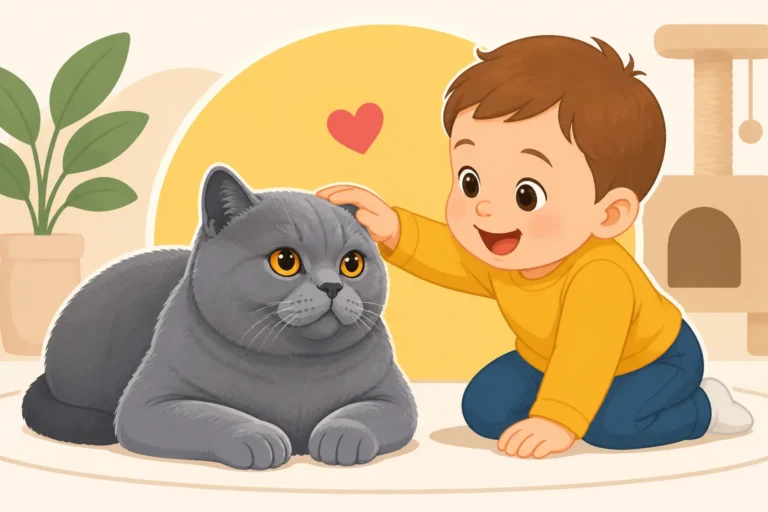
This is why some British Shorthairs will tolerate a quick scoop and cuddle, but then immediately demand to be put down. They aren't trying to be rude; they're simply asserting their need for control over their own movements and space. Understanding this innate desire for autonomy is key to building a trusting relationship with your British Shorthair. If you respect their boundaries, they are far more likely to approach you for affection when they feel ready.
Past Negative Experiences
Sometimes, a British Shorthair's aversion to being picked up can stem from past experiences. Perhaps they were held incorrectly as a kitten, felt pain during a vet visit where they were handled by strangers, or even experienced an accidental drop. These incidents, even if unintentional, can create a lasting negative association with being lifted. Cats have excellent memories, especially when it comes to unpleasant sensations or perceived threats.
If your British Shorthair was a rescue, especially one with an unknown history, there might be underlying trauma related to handling. They might have learned that being picked up leads to something they don't enjoy, such as being put into a carrier for a car ride they dislike, or being subjected to a nail trim they find stressful. Even something as simple as a child not knowing how to properly support them can lead to discomfort and a learned avoidance. This makes it crucial to approach lifting with extreme gentleness, patience, and a focus on positive reinforcement to try and overwrite those old, uncomfortable memories.
Understanding Their Natural Instincts and Body Language
To truly connect with your British Shorthair and make them more comfortable with being handled, you need to learn to speak their language. They communicate their comfort levels constantly, if only we know how to listen.
Reading the Signs of Discomfort
Before your British Shorthair resorts to a full-blown squirm or struggle, they'll often give subtle cues that they're not thrilled about the prospect of being lifted. These can include:
- Tail flicks: A rapid, agitated flicking of the tail is a clear sign of annoyance or apprehension.
- Flattened ears: Ears that are flattened to the side or rotated backward indicate discomfort or fear.
- Tensing of the body: Before you even fully lift them, you might feel their muscles tense under your hands, bracing for impact or escape.
- Wide eyes: Dilated pupils or wide, unblinking eyes can signal anxiety.
- A low growl or hiss: This is a more obvious warning sign that should never be ignored.
- Looking for an escape route: They might glance at the floor or try to shift their weight away from you.
Ignoring these early warnings can escalate the situation, leading to the frantic squirming you're trying to avoid, or even a scratch or bite if they feel truly trapped. Recognizing these signals is paramount to respecting their boundaries and building trust. If you see these signs, it's always best to back off and try another form of interaction. How a British Shorthair Shows It Is Pleased involves very different body language!
Respecting Their Boundaries
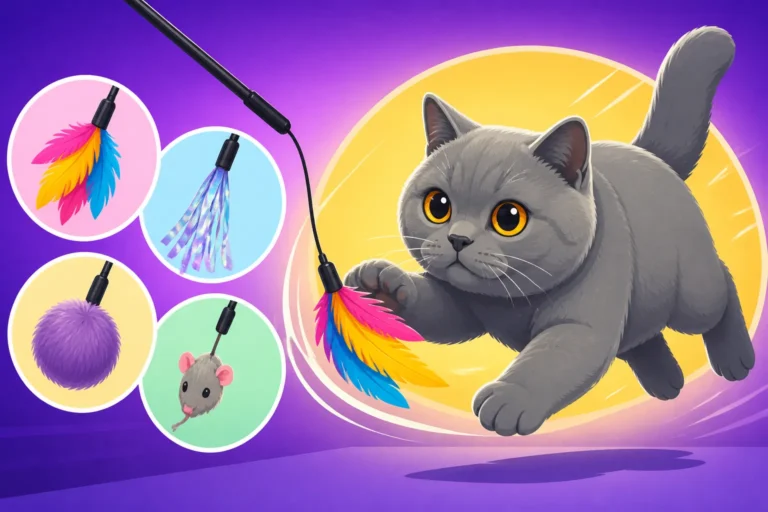
The most effective way to foster a good relationship with a British Shorthair, particularly when it comes to handling, is to respect their personal space and preferences. This means not forcing interactions when they're clearly signaling their reluctance. If they don't want to be picked up, don't try to force it. Instead, invite them onto your lap, offer a gentle stroke while they're on the ground, or engage in a play session with a feather wand.
Consistently respecting their autonomy teaches them that you are a safe and predictable presence. They learn that you won't impose unwanted physical contact, which in turn makes them more likely to approach you and tolerate gentle handling when they choose to. This might sound counterintuitive, but giving them control often makes them more willing to engage. Remember, a British Shorthair often prefers to sit near you, not always on you. A British Shorthair Sits Near You, Not On You is a classic trait.
Comparing to Other Breeds
It's helpful to remember that not all cats are alike, and a British Shorthair's preference for minimal lifting is not unique, but certainly more pronounced than in some other breeds. For example, some breeds like Ragdolls are famously floppy and love being held, hence their name. They have a more relaxed muscle tone and a greater tolerance for being handled. The British Shorthair, with its sturdy build and often calm but independent disposition, is simply not built or programmed in the same way.
They are much more akin to a dignified, grounded presence. While they may not be a "lap cat" in the traditional sense, they are often incredibly loyal and loving companions in their own understated way. Understanding these breed-specific nuances helps manage expectations and allows you to appreciate your British Shorthair for who they are, rather than trying to mold them into something they're not. This understanding is part of what makes Whether a British Shorthair Is Right for You such an important consideration before bringing one home.
Building Trust and Positive Associations with Being Held
So, you want to be able to pick up your British Shorthair without a wrestling match. It's definitely possible, but it requires patience, consistency, and a very gentle approach. The goal is to gradually reframe the experience of being lifted from something scary or uncomfortable into something tolerable, or even mildly pleasant.
Gentle Introduction and Rewards
The key here is small, positive steps. Don't go straight for a full lift. Start by simply stroking your cat while they are on the ground, praising them gently. Then, try placing your hands under their body as if to lift, but don't actually lift them. Just apply gentle pressure, hold for a second, then release, immediately followed by a high-value treat or a favorite toy. Repeat this several times a day for short sessions.
Gradually, you can progress to a very slight lift, just enough to get their paws off the ground for a split second, then immediately back down, always with praise and a reward. The treat should be given while they are still being held, or immediately as their paws touch the ground, to create that strong positive association. You could even find some irresistible treats on Amazon to make this process extra appealing. This teaches them that being briefly lifted isn't threatening and actually leads to good things.
Short, Positive Interactions
When you do manage a successful lift, even a tiny one, keep it incredibly short. The goal isn't to hold them for a long cuddle session initially, but to prove to them that being picked up isn't a long-term confinement. Lift them, praise them, give a treat, and then gently put them down. Aim for just a few seconds at first, gradually increasing the duration as they become more comfortable.
Always ensure the experience ends on a positive note. Never push them to the point of squirming or struggling. If you feel them starting to tense up, gently put them down immediately and try again later. This respectful approach helps reinforce trust and prevents the formation of new negative associations. It's about quality over quantity in those early stages. How Long a British Shorthair Tolerates Being Held will vary, so pay close attention to their cues.
Using Comfort Items
Some British Shorthairs respond well to the presence of familiar, comforting items during handling. This could be a favorite blanket, a soft towel, or even a specific toy that brings them joy. You can try wrapping them gently in a favorite blanket before a brief lift, making them feel more secure and less exposed. This technique can be particularly useful for necessary lifts, such as putting them into a carrier for a vet visit.
For example, if you need to get your British Shorthair into a carrier for a check-up, lining the carrier with their most loved blanket or placing a few treats inside well in advance can make the process less stressful. A comfortable, familiar carrier available on Amazon can also make a huge difference in their overall travel experience, reducing the stress associated with being handled and moved.
Tips for Safely and Comfortably Lifting Your British Shorthair
Once you've started building a foundation of trust and positive association, it's time to refine your lifting technique. Proper lifting isn't just about comfort for your cat; it's also about preventing injury to both of you. Many of the issues we discussed, like Why a British Shorthair Squirms When Lifted, can be mitigated with the right approach.
The Right Lifting Technique
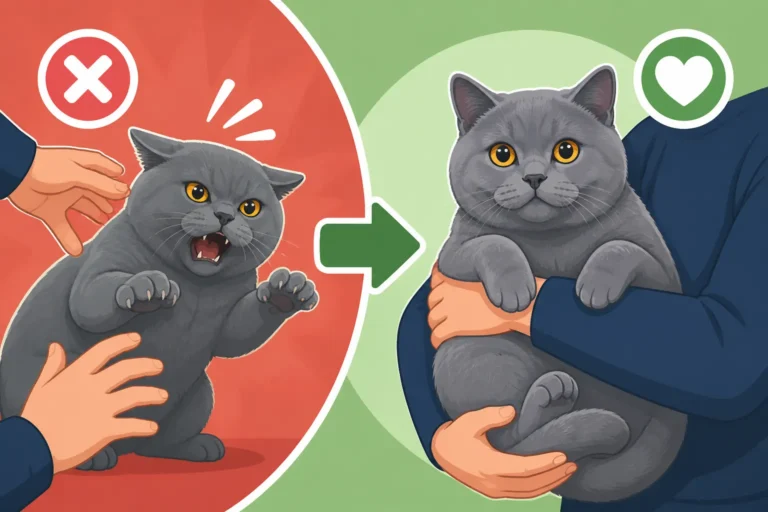
The most crucial aspect of lifting a British Shorthair, or any cat, is to ensure they feel completely supported. Never grab them by their front legs, scruff of the neck (unless for a medical emergency and by a professional), or by their belly alone. This leaves their hindquarters dangling, causing them to feel insecure and unbalanced.
Here's a step-by-step approach for a secure lift:
- Approach Calmly: Speak softly to your cat and let them know you're there. Extend your hand slowly for them to sniff.
- One Hand Under the Chest: Gently slide one hand under your cat's chest, right behind their front legs.
- Other Hand Under the Rump: Bring your other hand under their hindquarters, supporting their entire weight.
- Lift Together, Close to Your Body: In one smooth motion, lift them up, bringing them close to your chest. This closeness helps them feel secure and prevents them from struggling.
- Maintain Support: Keep both hands firmly (but gently) supporting their body, ensuring their hindquarters are never left dangling. They should feel as if they are sitting on your arm or nestled against your chest.
This technique is often referred to as cradling, and it's by far the safest and most comfortable way to hold a cat. It mimics the feeling of being supported on a surface, which is what they naturally prefer.
Supporting Their Weight Properly
Because British Shorthairs are so dense and heavy, proper weight distribution during a lift is non-negotiable. Their spine and joints aren't designed to support their full weight from a dangling position. Failing to support their hindquarters can put strain on their lower back and hips, making the experience genuinely uncomfortable or even painful over time.
Think of it as lifting a heavy, floppy sack of potatoes. You wouldn't just grab one end; you'd cradle it to distribute the weight. Similarly, your British Shorthair needs their entire body weight evenly supported. Your arms should act like a sturdy shelf, holding them up rather than merely suspending them. This is especially important as they age, as Arthritis in an Older British Shorthair can make improper lifting even more painful.
Knowing When to Stop and Letting Them Down Gently
Just as important as how you lift them is knowing when to let them down and doing so gently. As soon as your British Shorthair shows signs of wanting to be released – a squirm, a shift of weight, or even just a glance at the floor – gently lower them. Don't wait until they're struggling forcefully or scratching to get down. The goal is to end the interaction before they reach that point of distress.
When lowering them, do so smoothly and place all four paws firmly on the ground at the same time. Don't "drop" them even a small distance, as this can be startling and reinforce the negative association with being lifted. A gentle, controlled release reiterates that you respect their boundaries and that being picked up isn't a trap. By consistently following these steps, you'll find that your British Shorthair might still prefer their paws on the ground, but they'll be much more tolerant and trusting of your attempts to lift them when necessary. For more insights on respectful handling, consider reading How to Carry a British Shorthair Safely.
Training and Acclimation Over Time
Remember, consistency is key. It might take weeks, or even months, for your British Shorthair to become truly comfortable with being lifted, especially if they have a strong aversion. Don't get discouraged if progress is slow. Every positive, gentle interaction, no matter how brief, helps to chip away at their apprehension.
Consider integrating positive interactions with other forms of enrichment. For instance, if you're trying to get them into a carrier for a trip to the vet, practice making the carrier a safe space by leaving it out with treats and soft bedding. You can even find cat-friendly pheromone sprays on Amazon that can help reduce anxiety during stressful situations like car rides or vet visits. The more positive experiences your British Shorthair has, the less likely they are to associate being handled with negative outcomes.
| Body Language Sign | Meaning (Likely) | Recommended Action |
|---|---|---|
| Tail Swishing Rapidly | Annoyance, Agitation | Stop, do not attempt to lift |
| Ears Flattened/Pivoted | Fear, Discomfort | Stop, offer a gentle head scratch if tolerated |
| Body Tensing | Preparing to resist/escape | Back off, engage in play or offer treats on the ground |
| Wide Eyes / Dilated Pupils | Anxiety, Fear | Stop, give space, speak softly |
| Low Growl/Hiss | Warning, "Don't touch me" | Absolutely stop, respect the warning |
| Looking at Escape Route | Wanting to get away | Do not lift, allow them to move freely |
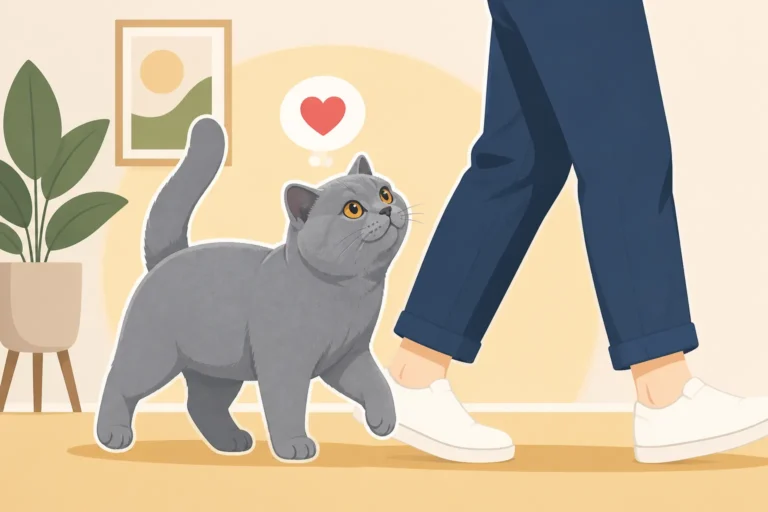
| Head Bumps/Rubbing | Affection, Contentment | Proceed gently, they may tolerate a brief lift |
| Slow Blink | Trust, Relaxation | Good sign, can try a gentle, brief lift |
| Relaxed Body Posture | Calm, Comfortable | Best time to attempt a gentle, supportive lift |
This table provides a quick reference for understanding your British Shorthair's communication signals. By paying close attention to these cues, you can avoid unnecessary stress for your cat and yourself. Ultimately, the goal is a harmonious relationship built on mutual understanding and respect.
Disclaimer
This article is for general informational purposes only and does not constitute professional advice. Laws, prices and regulations vary by location and change over time. Consult a qualified professional for guidance on your specific situation.