Which Wand Toy a British Shorthair Will Chase
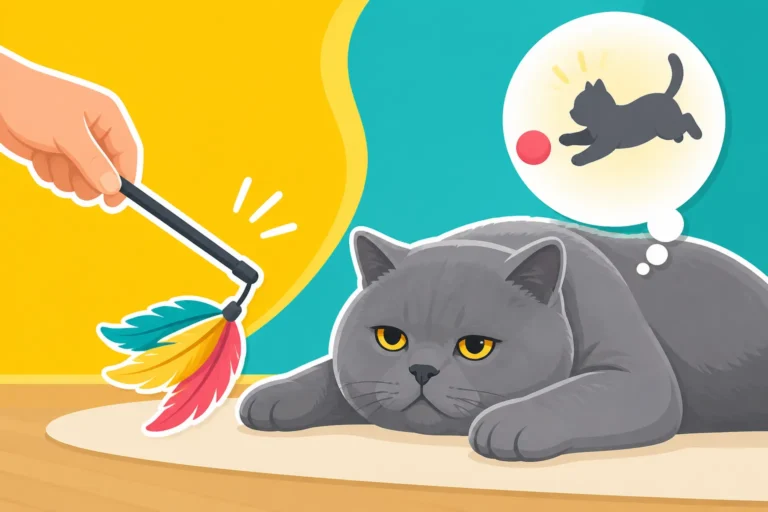
It can be incredibly frustrating to invest in a pile of cat toys, hoping to spark some joy and activity in your British Shorthair, only to watch them sniff once and then promptly ignore your thoughtful purchase. You're not alone in feeling like your British Shorthair is a connoisseur with very specific, and often unspoken, tastes when it comes to playtime. This guide will explore the unique play preferences of British Shorthairs and pinpoint the types of wand toys that are most likely to get those big, round eyes sparkling with predatory interest, helping you find enriching ways to engage your beloved feline.
Understanding the British Shorthair's Unique Play Personality
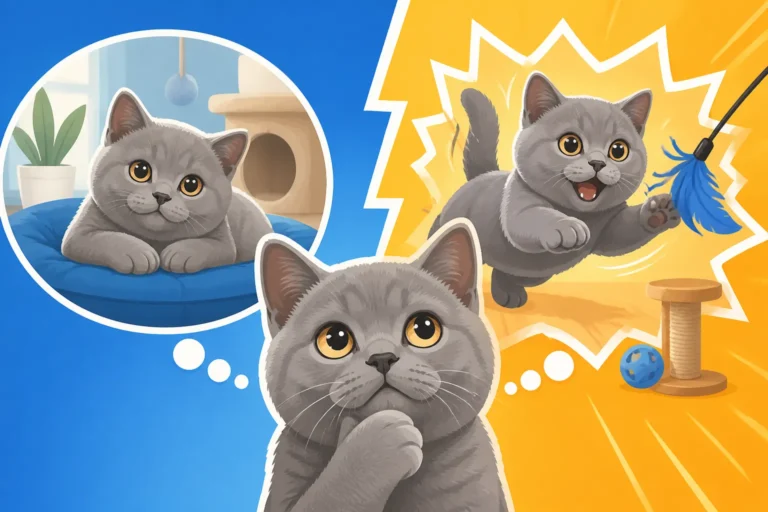
Let's face it, British Shorthairs aren't exactly known for their boundless energy or acrobatic feats. They are, by nature, calm and composed, often preferring to observe the world from a comfortable perch rather than scale curtains. This doesn't mean they don't enjoy play; it just means their play style is often more deliberate, less frantic, and definitely more selective than some other breeds. Many owners wonder How Far a British Shorthair Is Lazy or Just Calm, and the truth is, it's often a bit of both!
Why British Shorthairs Seem Indifferent to Play
Their dense, plush coats and sturdy build can sometimes make them appear less agile, and honestly, they'd probably prefer a nap over a marathon chase. They mature slowly, often retaining a kitten-like demeanor in their affection but a surprisingly adult lassitude in their physical activity. This placid nature often translates into a discerning approach to toys. They're not going to bat at just anything; a toy needs to genuinely engage their hunting instincts without demanding too much sustained effort. If you've ever felt like Whether Toys Are Wasted Money on a British Shorthair, it's likely because you haven't yet found the specific kind of play that truly speaks to their inner hunter. They might not jump high or run in circles for long, but a well-chosen wand toy can certainly get their attention.
The British Shorthair's Hunting Style
Despite their cuddly appearance, British Shorthairs are still cats, and cats are predators. Their hunting style tends to be more about stalking, pouncing, and batting rather than sustained, high-speed chases. They'll watch, calculate, and then strike with surprising speed and power. This is crucial when selecting toys. A British Shorthair often prefers a toy that mimics small prey, moves erratically, and provides the satisfaction of a "kill" – a toy they can really grab onto and feel like they've caught something. Think about How Much Play a British Shorthair Needs; it's not necessarily about quantity, but quality and the right type of engagement. They're built for short bursts of powerful activity.
What Makes a Wand Toy Appealing to a British Shorthair
When it comes to wand toys, it's not just about the stick and string. The magic truly lies in the attachment at the end. This is where you can tap into your British Shorthair's specific preferences and trigger those dormant hunting instincts.
Material Matters: Feathers, Fur, and Crinkle
The texture and sound of the toy attachment are paramount. British Shorthairs, like most cats, are drawn to materials that feel like natural prey. Real feathers (especially those that mimic bird feathers like pheasant or guinea fowl) are often irresistible. Their erratic flutter and soft texture can mimic a bird in flight. Similarly, attachments made from real or realistic synthetic fur, particularly rabbit fur, can be incredibly effective. The softness and scent (if it's real fur) can ignite their predatory drive. Don't underestimate the power of sound, either. Attachments with a crinkle sound, often integrated into fabric elements, can be a huge draw, simulating the rustle of prey in leaves or grass. When you're browsing on Amazon, look for descriptions that emphasize natural materials and crinkle features.
Movement is Key: Erratic and Unpredictable
A British Shorthair might not chase a toy that simply drags in a straight line. They need the challenge and excitement of unpredictable movement. Think about how prey animals move – darting, freezing, twitching. A good wand toy allows you to create this illusion. The attachment should be lightweight enough to flutter, bounce, and change direction suddenly with a flick of your wrist. It should be able to "hide" behind furniture, then reappear, mimicking a creature peeking out from cover. This kind of erratic movement stimulates their natural stalking behavior and encourages those powerful pounces. If you want to see Getting a Low Energy British Shorthair to Move, it's all about how you manipulate the toy.
Size and Shape: Mimicking Small Prey
While British Shorthairs are sturdy cats, they're still wired to hunt small prey. Toys that are too large or too heavy might not feel "right" for them to capture and carry. Ideal wand toy attachments are typically small enough to be gripped in their mouth or batted with their paws, yet substantial enough that they feel like they've caught something. Shapes that resemble mice, birds, or even insects can be highly effective. Some of the most popular options available on Amazon often feature attachments that are only a few inches long, allowing for easy "capture."
Top Wand Toy Attachments That Spark British Shorthair Interest
Now let's get down to the specifics. Based on the British Shorthair's typical temperament and hunting style, certain types of wand toy attachments tend to be far more successful than others.
Feather Wands: The Classic Hunter's Delight
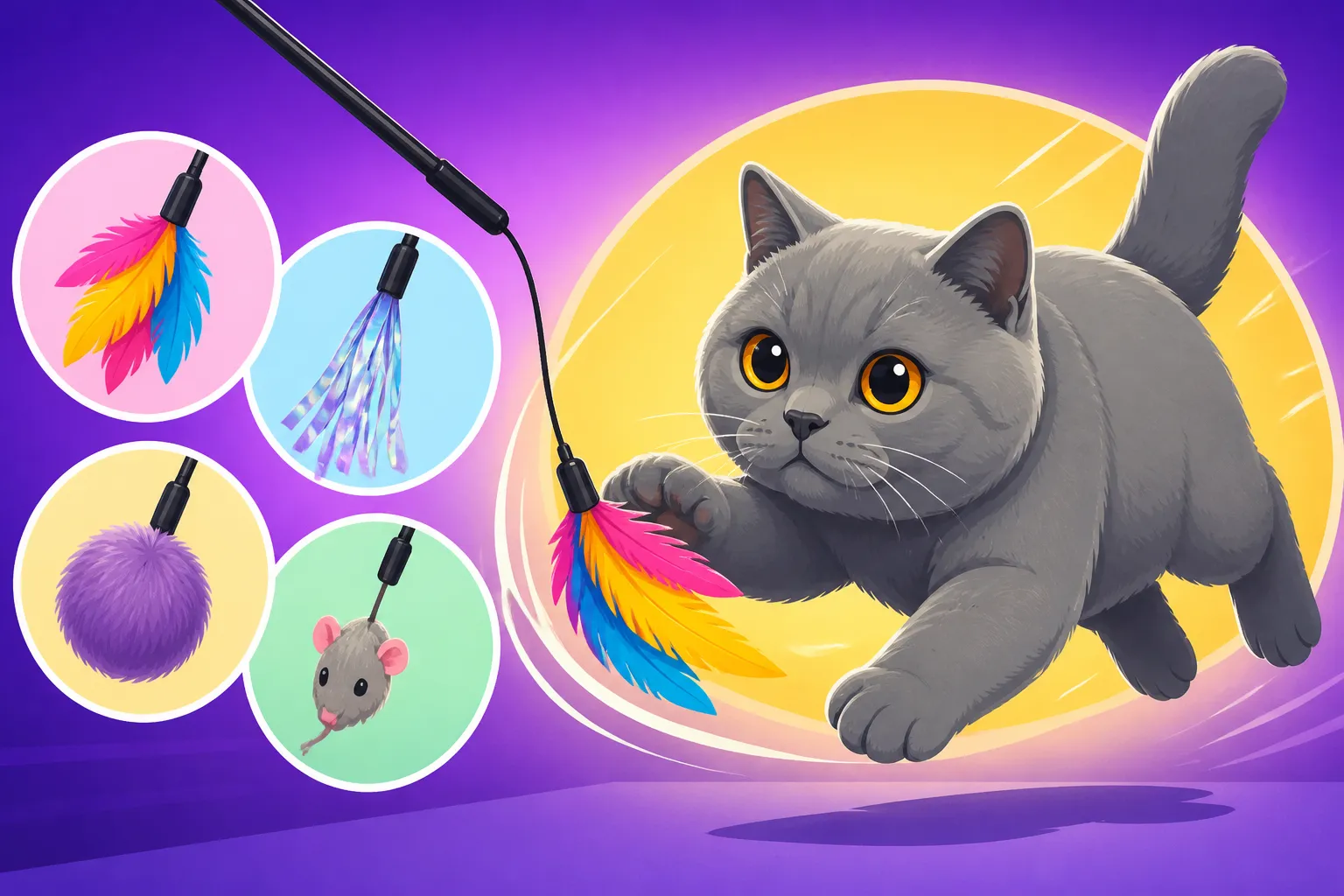
Feather wands are often the gold standard for British Shorthairs. The key is to find ones with good quality, natural feathers that flutter and swirl realistically. Think about the variety – not just plain turkey feathers. Pheasant feathers, guinea fowl feathers, or even peacock "herl" can create a more enticing visual and tactile experience. The feathers should be securely attached, as a determined British Shorthair can be quite rough with their "kill." I've found that those with a mix of soft, fluffy feathers and stiffer primary feathers often get the best response, providing both visual appeal and a satisfying texture to mouth. This type of toy can really bring out the inner hunter, prompting them to perform the "stalk, pounce, and bunny-kick" routine. This is essential for Play for a British Shorthair That Would Rather Not.
Furry or Crinkly Teasers: Mimicking Ground Prey
For British Shorthairs that are less inclined to look up and more interested in ground-based prey, furry teasers are excellent. Look for attachments made of rabbit fur, sheepskin, or good quality faux fur. These feel incredibly lifelike and can trigger a strong response. Again, the movement you impart is vital; dragging it slowly, twitching it behind furniture, and letting it "hide" can make it irresistible. Many cats also adore toys that incorporate crinkly material. Whether it's crinkle fabric, crinkle paper inside a plush toy, or even cellophane strips, that rustling sound can be incredibly stimulating. Combining fur and crinkle in one attachment is often a winning combination for these intelligent, yet often sedentary, cats. Search for "rabbit fur wand toy" or "crinkle cat wand" on Amazon to see the variety.
Critter-Shaped Attachments: Evoking the Instinct to Hunt
While abstract shapes can sometimes work, specific critter shapes can be powerful motivators. Small, mouse-shaped attachments (especially those with a real fur or feathery tail), bird-shaped attachments, or even larger, more substantial insect-like shapes can trigger that primal hunting instinct. The key here is realism in movement, not necessarily perfect anatomical accuracy. If the "mouse" scurries realistically, your British Shorthair is far more likely to engage. Ensure these attachments are durable enough to withstand a good batting and carrying session, as your British Shorthair will likely want to "kill" and then parade their prize.
Interactive Elements: The Element of Surprise
Some wand toys go a step further by incorporating additional interactive elements. Small bells inside the attachment (though be mindful if your cat is sensitive to noise), long dangly bits that add to the erratic movement, or even small ribbons can enhance the appeal. The goal is to create a dynamic, unpredictable experience that keeps your British Shorthair guessing. Remember, their attention span for high-intensity play might be shorter than some other breeds, so quick, satisfying engagements are often best. This kind of play is also great for How Much Play Keeps a British Shorthair Slim, as even short, intense bursts of activity contribute to their overall health.
Here's a quick comparison of popular wand toy attachment types for British Shorthairs:
| Attachment Type | Primary Appeal | Ideal Movement | Pros | Cons |
|---|---|---|---|---|
| Feather Wand | Mimics birds, erratic | Flutter, swoop, dart | Highly stimulating, natural feel | Feathers can be delicate, may shed |
| Furry Teaser | Mimics small mammals | Drag, twitch, hide | Realistic texture, satisfying "catch" | Can get dirty, less aerial movement |
| Crinkle Toy | Sound stimulation | Rustle, roll, bat | Engages hearing, adds excitement | Sound might deter sensitive cats |
| Critter Shape | Realistic prey mimicry | Scurry, pounce | Strong hunting instinct trigger | Can be less versatile in movement |
| Ribbon/Fabric | Simple, visual motion | Wave, glide, snap | Lightweight, good for batting | Less "prey-like" feel, might be ignored |
Maximizing Playtime with Your British Shorthair
Finding the right wand toy is only half the battle; knowing how to use it effectively is just as important, especially with a discerning British Shorthair.
Timing is Everything
British Shorthairs often have specific times when they are more amenable to play. This could be first thing in the morning, right before a meal, or in the evening. Observe your cat's natural rhythms. Don't force play when they're clearly settled in for a nap. A sleepy or over-stimulated British Shorthair is unlikely to engage, no matter how fantastic the toy. Gentle, short play sessions are usually more effective than long, drawn-out ones. Just a few minutes of focused, engaging play can make a big difference in their day and provide the stimulation they need. Sometimes, a well-timed session is exactly what's needed for How to Get a British Shorthair to Play Daily.
The Art of the Hunt: Engaging Their Instincts
Remember, you're trying to simulate a hunt. Don't just wave the toy aimlessly. Make it dart, hide, and re-emerge. Let it pause, twitching slightly, before "escaping." Allow your British Shorthair to "catch" the prey frequently during the session to build their confidence and satisfaction. Nothing is more demotivating than an endless chase with no reward. End the play session when your cat successfully "captures" the toy, letting them feel like a triumphant hunter. You might even hear their adorable little trills and chirps as they engage, far more vocal than their usual How Vocal a British Shorthair Is.
Storage and Rotation: Keeping the Magic Alive
Even the most beloved wand toy can lose its appeal if left out constantly. Cats, British Shorthairs included, can get bored with the same old thing. Store wand toys out of sight when not in use. This keeps them novel and exciting for future play sessions. Rotate between two or three different types of wand toy attachments to prevent boredom. This keeps their hunting instincts sharp and prevents them from becoming too predictable. You'll find a wide array of options for rotating your toy collection if you search for cat wand toy attachments on Amazon. This strategy will make sure they always have a fresh incentive to play, encouraging activity beyond just What a British Shorthair Does All Day.
Safety First: Always Supervise
Always supervise playtime with wand toys. The string and small attachments can pose a choking hazard if ingested. After playtime, put the wand toy away safely, out of your cat's reach. This also helps preserve the "specialness" of the toy and ensures it remains a designated interactive item rather than a chew toy. If you're concerned about toy safety, especially if your British Shorthair is a chewer, prioritize durable materials and secure attachments when making your selection.
By understanding the calm, deliberate nature of the British Shorthair and tailoring your wand toy selection and play style to match their unique preferences, you can unlock a world of engaging and enriching playtime for your cherished companion. It's about working with their personality, not against it, to foster those joyful moments of feline athleticism and predatory satisfaction.
Disclaimer
This article is for general informational purposes only and does not constitute professional advice. Laws, prices and regulations vary by location and change over time. Consult a qualified professional for guidance on your specific situation.