Whether a British Shorthair Counter Surfs
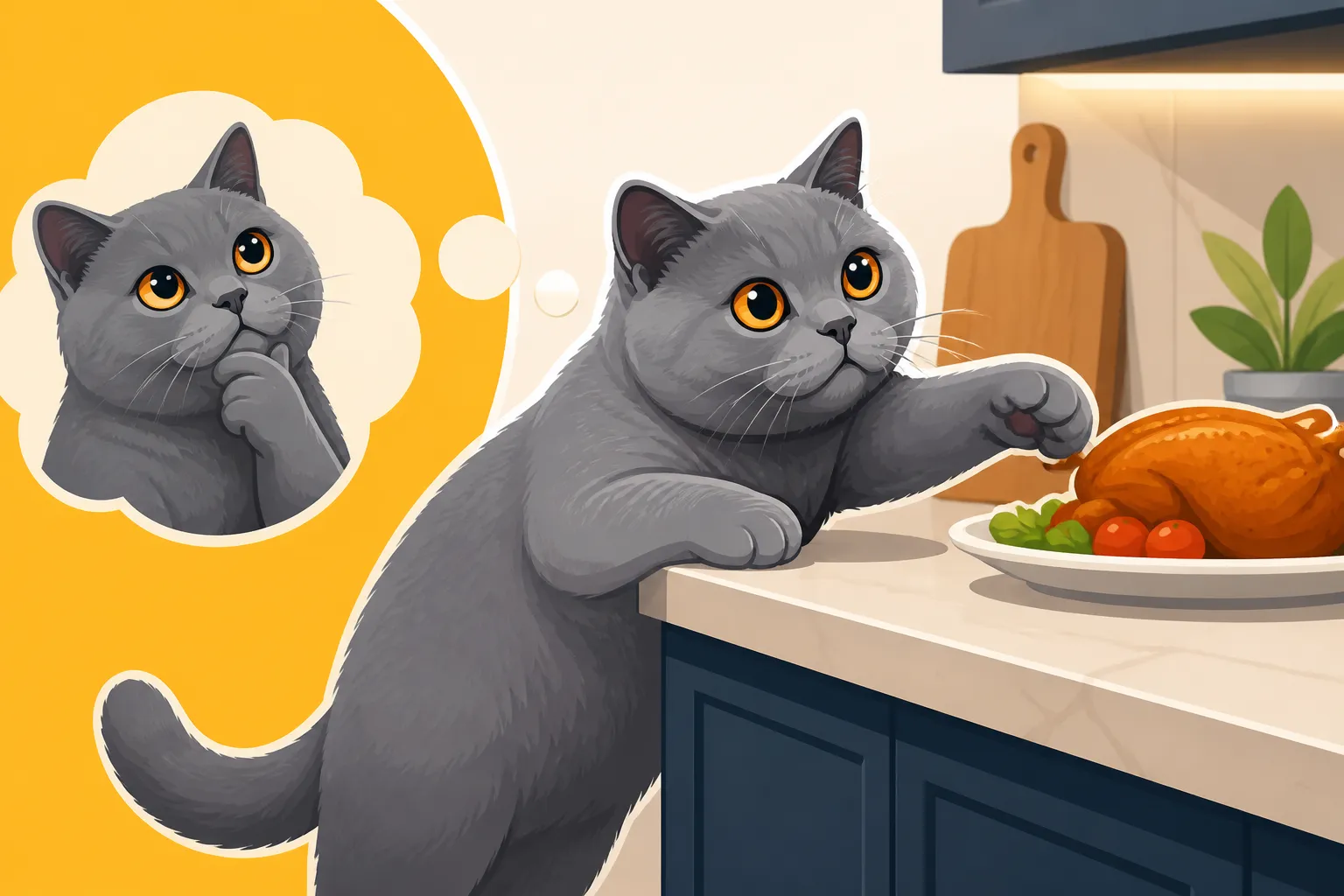
It's a common dilemma for cat owners: you walk into the kitchen, only to find your feline friend perched regally on the counter, surveying their domain. For many of us who share our homes with British Shorthairs, this sight can be particularly baffling, as these lovely cats are generally known for their calm, ground-loving nature. This guide is here to shed light on why your usually placid British Shorthair might be venturing onto your countertops and, more importantly, how you can gently encourage them to keep all four paws on the floor.
Understanding the British Shorthair's Nature and Counter Surfing Potential
When you picture a British Shorthair, you likely envision a stocky, rounded cat, often a handsome blue, with a serene expression. These cats are known for their quiet demeanor and their preference for staying close to the ground. So, when they start exploring the vertical world of your kitchen counters, it can feel a bit out of character. Yet, even the most dignified British Shorthair can be tempted by the allure of a high surface.
The British Shorthair's Ground-Dwelling Tendencies
Our British Shorthairs are built for solid ground. They have a cobby body, which means they are compactly built with a broad chest and strong, short to medium-length legs. This isn't the lithe, athletic build of a Siamese or an Abyssinian, breeds that seem to defy gravity with their climbing prowess. Their physical structure, coupled with their calm and somewhat lazy temperament, means they often prefer to lounge on sofas, chairs, or simply the floor rather than scale towering cat trees. They are generally not keen on being picked up, preferring to interact on their own terms from a stable, low position. This inherent preference for staying grounded is a big part of their charm, making counter surfing seem like an unusual behavior for them.
However, even a cat that isn't naturally inclined to climb might still find reasons to do so. Perhaps there's a particular sunbeam that hits the kitchen counter just right, or maybe the scent of something delicious is simply too overwhelming to ignore. Their dense, plush coats also offer a good degree of protection, allowing them to feel comfortable in various spots, but usually, those spots are horizontal. It’s not that they can't jump onto a counter, it’s just that it’s not their default mode of operation.
Why Any Cat Might Counter Surf
Before we delve specifically into British Shorthairs, it's helpful to understand the universal feline motivations for scaling heights. Cats are naturally curious creatures, and high places offer a different perspective of their territory. It's an instinct rooted in their wild ancestors, who would climb to survey their surroundings for both prey and predators. From a high vantage point, a cat feels safer and more in control.
Beyond instinct, there are other very practical reasons. Counters often hold interesting smells, whether it's the lingering scent of dinner, crumbs, or even just fresh groceries. They can be warmer than the floor, especially if they are near appliances like dishwashers or ovens. Sometimes, it's purely about seeking attention. If jumping on the counter leads to you immediately interacting with them, even if it's to shoo them off, they learn that this action gets a response. Cats are smart, and they quickly learn what gets them what they want.
The "Forbidden Fruit" Allure
It’s an age-old paradox: tell someone they can’t have something, and suddenly it becomes infinitely more desirable. The same can sometimes be true for our feline friends. If your British Shorthair observes you constantly shooing them off the counter, but without providing any acceptable alternatives, the counter itself can become an intriguing, almost rebellious, spot. It’s the place you don’t want them to be, which can pique their natural curiosity.
This isn't to say you shouldn't discourage counter surfing – far from it! But understanding this psychological element can help you approach the problem more effectively. If the counter is the only "interesting" place or the only place they get a reaction from you, they might keep trying. Part of the solution, therefore, lies in making the counter less appealing while simultaneously making other places more appealing. Remember, a British Shorthair isn't trying to be mischievous; they're simply exploring their world through feline eyes, even if that world includes your freshly cleaned kitchen surfaces.
Common Reasons a British Shorthair Might Counter Surf
Even though British Shorthairs aren't known for being champion climbers, there are specific reasons that might compel them to take to the countertops. Identifying the root cause is often the first step in solving the problem.
Food Temptation
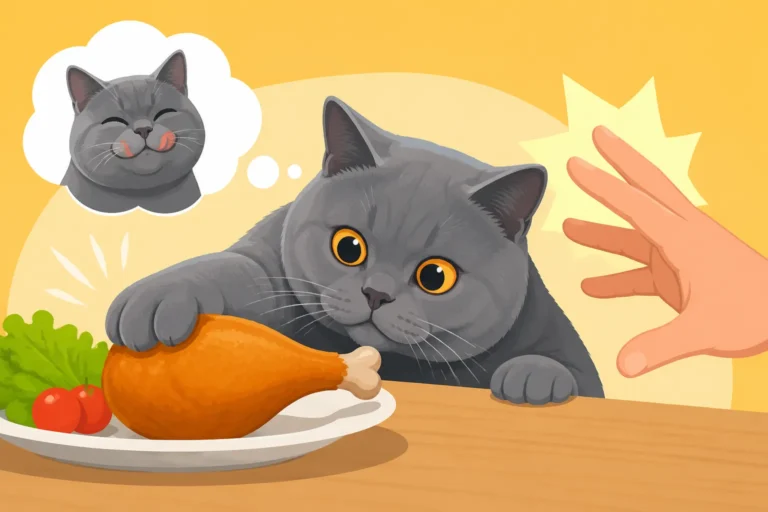
Let's be honest, this is probably the biggest culprit for any cat, and certainly for a British Shorthair. Their round, sturdy build means they have a healthy appetite, and they can certainly be motivated by food. If you've ever left a delicious-smelling plate cooling on the counter, or crumbs after baking, your British Shorthair’s nose might lead the way. They might not be the most active cats, as we discuss in Getting a Low Energy British Shorthair to Move, but food is a powerful motivator.
Owners can inadvertently encourage this behavior. Perhaps you’ve left cat treats on the counter, or you occasionally share a tiny, cat-safe scrap from your meal while they're up there. This teaches them that the counter is a place where tasty things appear. Even if you're meticulously cleaning up, the lingering scent of human food can be incredibly enticing. They may also be trying to communicate that they're hungry or that their feeding schedule needs adjustment. Portion Control Is the Whole Job With a British Shorthair is often a major focus for this breed, and diet management goes hand-in-hand with managing their behavior around food.
Seeking Warmth or Attention
Counters, especially in kitchens, can offer unique environmental perks. Many appliances like dishwashers, ovens, or even coffee makers emit a gentle warmth. A British Shorthair, with their dense coat, might find a warm spot incredibly inviting, especially during cooler months. Imagine a sunbeam hitting a tile counter – that’s a prime napping spot for a cat who appreciates comfort.
Beyond warmth, it can also be a bid for attention. British Shorthairs are generally quiet and independent, as highlighted in Why a British Shorthair Is So Quiet, but they still crave interaction with their humans. If they jump on the counter and you immediately respond, even with a firm "no," they've successfully gotten your attention. For a cat that typically sits near you, not on you, this might be their way of getting closer to where you spend a lot of time and are actively engaged. They see you working, cooking, or simply standing at the counter, and they want to be part of that activity, sometimes even just observing you from a higher perch.
Boredom and Lack of Stimulation
While British Shorthairs aren't known for being acrobats, they still need mental and physical enrichment. A bored cat, regardless of breed, will find ways to entertain themselves, and sometimes that means exploring forbidden territories. If your British Shorthair isn't getting enough interactive play or doesn't have enough interesting things to do on the ground, the counters become a novel landscape to investigate.
Think about it: from the floor, their view might be limited. The counter offers a whole new perspective, with new things to sniff, bat at, or simply observe. Providing enough toys, puzzle feeders, and designated climbing spaces can go a long way. If they have nothing else to climb or explore, the counter, with its various textures and scents, becomes the most stimulating option available. This is particularly true for younger British Shorthairs; while they may seem calm, a kitten’s natural curiosity is boundless, and they often How Long a British Shorthair Acts Like a Kitten for quite a while.
Strategies to Discourage British Shorthair Counter Surfing
Discouraging counter surfing in your British Shorthair requires a multi-faceted approach. It's about consistency, positive reinforcement, and understanding what drives their behavior. Remember, patience is key, as cats learn through repetition and association.
Environmental Management and Deterrents
The first step is often to make the counter as unappealing as possible. This isn't about punishment, but about creating an environment where the desired behavior (staying off the counter) is naturally reinforced.
- Remove Temptations: This is crucial. Never leave food, dirty dishes, or even appealing-smelling items like fresh flowers or interesting papers on the counter. If there's nothing rewarding up there, the motivation diminishes significantly. Keep your counters sparkling clean and clear.
- Tactile Deterrents: Cats dislike certain textures. Double-sided sticky tape (available on Amazon, for instance), aluminum foil, or upside-down carpet runners can be placed on the edges of counters. Cats generally find these surfaces unpleasant to walk on.
- Motion-Activated Sprays: These devices emit a harmless, quick spray of air when triggered by motion. They create a negative association with the counter without you having to be present. Brands like Ssscat (found on Amazon) are popular for this purpose. Just make sure to introduce them gently so your cat doesn't associate the spray with you.
- Scat Mats: These mats deliver a mild static pulse when stepped on. Again, they are harmless but uncomfortable, teaching your cat to avoid the area. They can be particularly useful for a broad-chested cat like the British Shorthair, who might otherwise easily navigate obstacles.
When using deterrents, monitor your British Shorthair's reaction. The goal is to make the counter the source of discomfort, not you. Once they've established the negative association, you can often remove the deterrents, though some cats might need them permanently if the behavior is deeply ingrained.
Enrichment and Alternative High Spaces
Instead of just telling your British Shorthair "no," provide them with acceptable "yes" alternatives. This is especially important for this breed, who, despite their calm nature, still appreciate having their own comfortable spaces.
- Cat Trees and Shelves: Invest in sturdy cat trees or wall-mounted shelves. Ensure they are stable and have platforms large enough to comfortably accommodate the substantial build of a British Shorthair. Look for options on Amazon that are designed for larger cats. The ideal tree should offer various levels, scratching surfaces, and cozy perches. Remember, Which Cat Tree a British Shorthair Uses might be different from a more agile breed. They prefer stability and comfort over extreme height or complex climbing structures.
- Window Perches: A soft window perch can offer a great view of the outside world, satisfying their instinct to observe without resorting to kitchen counters. Again, check for sturdy options that can handle What a British Shorthair Weighs and How Big It Gets.
- "Safe" Zones: Designate areas where your cat is allowed to be high up, perhaps a specific cat tree in the living room or a dedicated perch. Reward them with praise or treats when they use these spots. This directs their natural desire for elevation to appropriate places.
By offering appealing alternatives, you give your British Shorthair a positive outlet for their climbing instincts and curiosity, reducing the lure of the forbidden counter.
Consistent Training and Redirection
Consistency is the cornerstone of any successful behavior modification. Every time your British Shorthair jumps on the counter, you need to react in the same way.
- Immediate Redirection: The moment you see your cat on the counter, calmly pick them up (if they tolerate it, as A British Shorthair Will Not Be Picked Up is common for this breed, so be gentle and quick, or clap loudly to startle them off) and place them on a designated cat tree or bed. Reward them immediately with praise or a small treat when they are in the appropriate spot. The key is to make the counter unpleasant and the alternative desirable.
- Avoid Punishment: Yelling, hitting, or spraying water directly at your cat can damage your bond and make them fearful of you, without actually solving the underlying problem. They might just learn to counter surf when you're not around. The goal is to make the counter itself undesirable, not to make you undesirable.
- Positive Reinforcement: When your British Shorthair is behaving appropriately, spending time in their designated spaces, or simply staying off the counters, reward them! This reinforces the good behavior.
- Interactive Play: Regular play sessions, especially before meal times, can help drain excess energy and provide mental stimulation. Even a low-energy British Shorthair benefits from play, and engaging toys are key. See Play for a British Shorthair That Would Rather Not for ideas. This can reduce boredom, one of the driving forces behind counter surfing.
Food Management and Feeding Routines
Given that food is often a primary motivator, managing your British Shorthair's meals effectively is paramount.
- Strict Feeding Schedule: Establish a consistent feeding schedule with set meal times. This helps manage hunger and reduces the urge to seek out food elsewhere. Avoid free-feeding, as it can lead to overeating and obesity, a common issue for British Shorthairs, as explored in Why a British Shorthair Gains Weight So Easily.
- Clean Up Immediately: After every meal prep or cooking session, wipe down your counters thoroughly. Even tiny crumbs can be a huge draw for a hungry cat. Use cat-safe cleaning products.
- Puzzle Feeders: These can be fantastic tools for British Shorthairs. They make your cat "work" for their food, slowing down eating and providing mental stimulation. Many varieties are available on Amazon. This can make mealtime more engaging and reduce boredom-induced counter exploration. Whether a Puzzle Feeder Motivates a British Shorthair is a relevant consideration here.
- Secure Food Storage: Keep all human food, especially treats and cat food, in secure, airtight containers that your cat cannot access, even if they manage to get onto a counter temporarily.
By controlling access to food and ensuring your cat's dietary needs are met in a structured way, you remove a major incentive for counter surfing.
When to Seek Professional Help for Counter Surfing
Most cases of counter surfing can be managed with consistent application of the strategies outlined above. However, there are times when the behavior might be more complex, warranting professional intervention. Knowing when to call in the experts can save you a lot of frustration and ensure your British Shorthair's well-being.
Persistent Behavior Despite Interventions
If you've diligently tried all the environmental management techniques, provided ample enrichment, maintained consistent training, and managed food temptations for several weeks or months, and your British Shorthair is still persistently counter surfing, it might be time to consult with a professional. This persistence could indicate a deeper behavioral issue that a general owner might not be equipped to identify or address.
A certified feline behaviorist can observe your cat in their home environment, assess their overall well-being, and help pinpoint the exact triggers for the behavior. They can offer tailored strategies that consider your specific household dynamics and your British Shorthair's unique personality. Sometimes, what seems like simple defiance is actually a cry for something unmet in their environment or routine.
Underlying Health or Behavioral Issues
Occasionally, a sudden or unusual change in a cat's behavior, including increased counter surfing, can be a subtle sign of an underlying health problem or significant stress. For instance:
- Pain or Discomfort: An older British Shorthair might start seeking out warmer, higher spots if they are experiencing arthritis or other joint pain, as these spots might offer more comfort than the cold floor.
- Anxiety or Stress: Changes in the household, such as a new pet, a new baby, or even furniture rearrangement, can cause anxiety. A cat might seek a high, seemingly safe vantage point on the counter to feel more secure or to escape a perceived threat.
- Increased Hunger: If your British Shorthair is suddenly ravenous and constantly seeking food, it could be a sign of an underlying medical condition, such as hyperthyroidism or diabetes, which requires veterinary attention.
If you notice other behavioral changes alongside the counter surfing – such as changes in appetite, litter box habits (like Why a Heavy British Shorthair Misses the Box), increased vocalization, or withdrawal – it's always best to consult your veterinarian first. They can rule out any medical causes before you delve into purely behavioral solutions. Once medical issues are excluded, a veterinary behaviorist or a certified feline behavior consultant can help address the psychological aspects.
| Strategy Category | Examples of Actions | Benefits | Considerations |
|---|---|---|---|
| Environmental Deterrents | Double-sided sticky tape, aluminum foil, motion-activated air sprays, scat mats | Makes counters physically unappealing, works when you're not present, safe and harmless | May startle sensitive cats, needs consistent placement, might need to purchase items (e.g., from Amazon) |
| Enrichment & Alternatives | Sturdy cat trees, wall shelves, window perches, puzzle feeders | Provides acceptable outlets for climbing/curiosity, reduces boredom, enhances cat's quality of life | Requires initial investment, must be stable and appropriately sized for a British Shorthair, may need encouragement to use |
| Food Management | Strict feeding schedule, immediate cleanup, secure food storage | Eliminates primary motivation for counter surfing, prevents obesity, teaches good eating habits | Requires diligence and consistency, no free-feeding, treats should be controlled |
| Training & Redirection | Calmly remove from counter, reward in designated safe space, interactive play | Builds positive associations with desired areas, strengthens bond, addresses underlying boredom/attention needs | Requires patience and consistency, avoid punishment, ensures human is not the 'bad guy' |
| Professional Help | Vet check-up, certified feline behaviorist consultation | Addresses complex or persistent issues, rules out medical causes, provides tailored solutions | Involves cost, requires commitment to follow expert advice, may involve medication in rare cases |
Counter surfing in British Shorthairs is a common, albeit frustrating, behavior. By understanding why your specific cat might be doing it and implementing a consistent, positive approach, you can gently guide them towards more appropriate behaviors and keep your kitchen counters cat-free.
Disclaimer
This article is for general informational purposes only and does not constitute professional advice. Laws, prices and regulations vary by location and change over time. Consult a qualified professional for guidance on your specific situation.