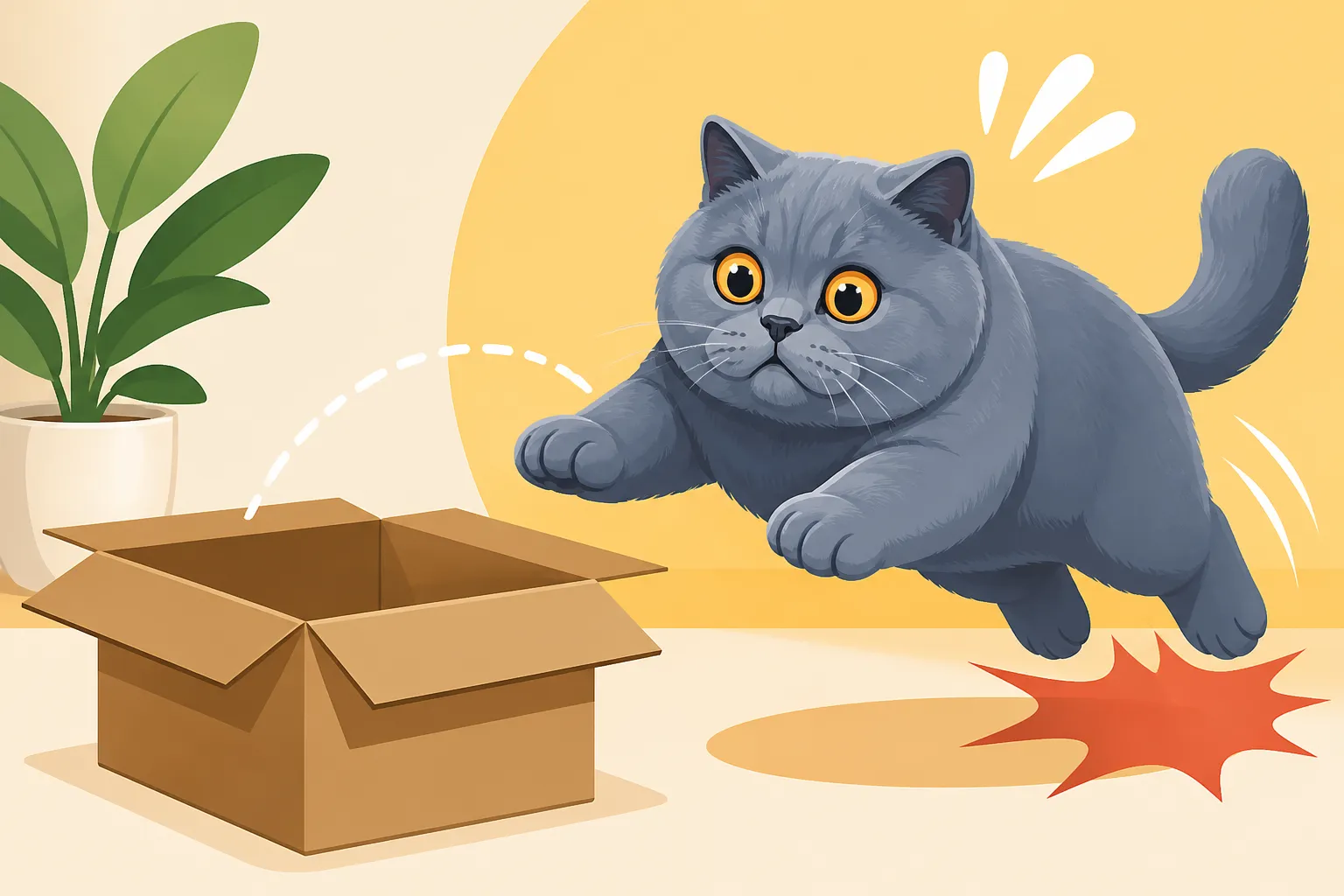
Why a Heavy British Shorthair Misses the Box
It's incredibly frustrating, and often heartbreaking, when your beloved British Shorthair, particularly a heavier one, starts missing the litter box. You walk in to find a puddle or a pile right next to their perfectly clean litter tray, and it leaves you wondering what on earth could be going on. It’s not just about the mess; it’s a clear sign that something isn't quite right with your furry family member. This guide will delve into the specific reasons a heavy British Shorthair might develop this unwelcome habit and, more importantly, what you can do to help them regain their pristine litter box manners.
The Unique Physical Challenges of a Heavy British Shorthair
Let's be honest, British Shorthairs are naturally cobby cats, meaning they have a stocky, rounded build that gives them that adorable teddy bear look. But when that 'cobby' turns into 'chunky' or outright 'obese,' it brings a host of physical challenges that can directly impact their ability to use a standard litter box comfortably and effectively. Their solid frame and dense bone structure, combined with extra weight, can make simple movements surprisingly difficult.
Arthritis and Joint Pain
Imagine trying to navigate a set of stairs when your knees ache with every step. That’s a bit like what a heavier British Shorthair with arthritis might experience when attempting to get into a litter box, especially one with high sides. Their weight puts immense strain on their joints, particularly the hips and knees, which are crucial for the squatting position necessary for urination and defecation.
Over time, this constant strain can lead to or exacerbate conditions like arthritis, making movements that were once effortless become excruciating. A cat in pain might hesitate to enter a box that requires a significant step up or down, or they might try to manage but then experience discomfort while inside, leading them to rush the process or simply relieve themselves outside the box where they feel more stable and less pain. They might associate the litter box with pain, even if it's the action of getting in and out that causes it. It's a cruel irony that their plush coat can sometimes hide these underlying joint issues, making it harder for owners to spot the problem until accidents start happening. Many owners are surprised to learn how much What Obesity Does to a British Shorthair's Joints can impact their daily life.
Mobility Restrictions from Obesity
Beyond specific joint pain, general obesity creates a major roadblock for British Shorthairs trying to perform routine actions. Their short, thick legs, combined with a broad body and often a prominent belly, mean they simply aren't as agile or flexible as a leaner cat. They might struggle to turn around within a smaller box, or find it awkward to assume the correct squatting posture without losing their balance or putting uncomfortable pressure on their abdomen.
Think about it: a cat needs to comfortably squat and often turn around a bit to cover their waste. If their own body gets in the way, if their belly presses uncomfortably against the sides of the box, or if they can't balance properly, they're going to seek an easier, less restrictive spot. Sometimes, this means they stand partially in the box, or just outside it, attempting to relieve themselves without having to fully commit to the uncomfortable maneuver. It's not defiance; it's a physical limitation. Recognizing Signs a British Shorthair Is Overweight is often the first step to addressing these mobility issues.
Litter Box Design: When Size Truly Matters
For a British Shorthair, especially one carrying a bit of extra weight, the standard litter box that might work for a svelte Siamese simply isn't going to cut it. Their substantial size and cobby build demand a litter box setup that accommodates their unique physicality. It’s not just about the volume of litter; it’s about the entire experience from approach to exit.
Box Size and Entry Height
This is perhaps the most critical factor for a heavy British Shorthair missing the box. Most commercially available litter boxes are designed with average-sized cats in mind. A British Shorthair, particularly an adult male, can be a seriously large and wide cat. A small or even medium-sized box is simply too cramped. They can't turn around comfortably, they might accidentally step in their own waste, or they might feel claustrophobic.
Even more problematic is the entry height. Many litter boxes, especially those with covers or built-in hoods, have high sides or a small entry flap. For a heavy cat, especially one with stiffness or arthritis, this means a difficult, painful, or even impossible climb. Imagine having to step over a high hurdle just to use the toilet every single time. They need a box that's not only wide and long enough for them to stretch out, turn around, and squat comfortably, but also has a low entry point. Look for extra-large or jumbo litter boxes, or even consider modifying a storage tote by cutting a low entry point. Many pet supply stores, and online retailers like Amazon, offer a good selection of these larger, more accessible options. You can find more advice on Which Litter Box Size a British Shorthair Needs to ensure optimal comfort.
Litter Type and Depth
While often overlooked, the type and depth of litter can significantly impact a heavier cat's willingness to use the box. Some cats have very sensitive paws. If the litter is too rough, too dusty, or has a strong fragrance, it can deter them. For a heavy cat, coarse or uncomfortable litter can feel even worse under their substantial weight as they try to dig and cover.
The depth of the litter also matters. Too little, and they can't dig properly or cover their waste, and they might feel the hard bottom of the tray through the thin layer. Too much, and a heavy cat might struggle to navigate through it, finding it harder to maintain balance while digging and squatting. A general rule of thumb is 2-3 inches of finely-grained, unscented clay litter. This provides enough material for digging and covering without becoming an obstacle course. If you suspect the litter might be an issue, experimenting with different types (always transitioning slowly) can sometimes make a world of difference. Checking reviews on platforms like Amazon can give you an idea of which litters are popular for sensitive-pawed or larger cats.
Beyond the Box: Underlying Health and Behavioral Factors
While physical size and box design are major culprits, it's crucial not to overlook other potential underlying issues that might contribute to a heavy British Shorthair missing the litter box. Sometimes, these issues are exacerbated by weight, or simply coincide with the general aging process that heavier cats might experience earlier.
Urinary Tract Issues
It's a common misconception that litter box accidents are always behavioral. In reality, inappropriate urination can be a huge red flag for medical problems, especially urinary tract issues. Conditions like urinary tract infections (UTIs), bladder stones, or even sterile cystitis (inflammation of the bladder without infection) can cause pain, urgency, and frequent urination.
A cat experiencing pain while urinating might associate the discomfort with the litter box itself. To avoid this perceived source of pain, they might try to urinate elsewhere, seeking a softer surface like a rug or a cooler surface like a tile floor. While not directly caused by weight, an overweight cat's overall health can be compromised, potentially making them more susceptible to these issues. Furthermore, their decreased mobility can make it harder for them to reach the box quickly when urgency strikes. Any sudden change in litter box habits warrants a vet visit to rule out medical causes. Remember, Urinary Problems in a British Shorthair can be quite serious if left untreated.
Stress and Environmental Factors
Cats, British Shorthairs included, are creatures of habit. They thrive on routine and stability. Any significant change in their environment or daily life can be a source of stress, and inappropriate urination is a classic sign of feline anxiety. This could be anything from a new pet or person in the house, a change in feeding schedule, new furniture, or even a different brand of litter.
For a heavy British Shorthair, who might already feel less agile and perhaps a bit more vulnerable due to their size, stress can be particularly unsettling. If their favorite napping spot is suddenly taken, or if they feel their territory (including their litter box access) is threatened by another pet, they might act out. While British Shorthairs are generally calm and adaptable, they still require a secure and predictable environment. Ensuring they have safe, quiet spaces, consistent routines, and multiple litter boxes can help alleviate stress.
Cognitive Decline in Older, Heavier Cats
As British Shorthairs age, especially if they are heavier and potentially less active, they can sometimes experience cognitive decline, similar to dementia in humans. This can manifest in various ways, including confusion about their surroundings and forgetfulness, which can directly impact litter box habits. An older cat might simply forget where the litter box is located, or become disoriented on their way to it.
They might also struggle with the physical act of using the box if their cognitive function is impaired, leading to accidents. While heartbreaking, this is a natural part of aging for some cats. If your senior British Shorthair is missing the box, especially if coupled with other signs like increased vocalization, altered sleep patterns, or staring blankly, it’s worth discussing with your vet. Making the environment as easy to navigate as possible, with clearly accessible litter boxes, can help. Providing thoughtful Caring for a British Shorthair Past Ten advice is crucial for these golden years.
Solutions and Strategies for Success
Okay, so we've looked at the "why." Now let's talk about the "how to fix it." Addressing the issue of a heavy British Shorthair missing the litter box requires a multi-pronged approach, focusing on veterinary assessment, environmental adjustments, and lifestyle changes.
Consulting Your Veterinarian
This is always the absolute first step when your cat starts having accidents outside the litter box. As discussed, many medical conditions, some quite serious, can present with this symptom. A veterinary check-up is essential to rule out or diagnose any underlying health issues. Your vet will likely perform a thorough physical examination, and may recommend blood tests, a urinalysis, or even imaging like X-rays or ultrasound to check for things like bladder stones or kidney problems.
Be prepared to discuss your cat's history, diet, any recent changes, and the specifics of the accidents. For instance, is it urine or stool? Is it always in the same spot? How often does it happen? This information is vital for your vet to make an accurate diagnosis. If arthritis is suspected, they can prescribe pain relief or joint supplements to improve your cat's comfort and mobility. Don't let concerns about cost delay this crucial step; sometimes, getting an early diagnosis can save you more in the long run. Many owners wonder What an Overweight British Shorthair Costs at the Vet for these necessary health checks.
Optimizing the Litter Box Setup
Once medical issues are addressed, or if they've been ruled out, it's time to become a litter box architect! Your goal is to make the litter box as appealing and accessible as possible for your big British Shorthair.
Here’s a checklist of things to consider:
- Size: Go big. Think extra-large, jumbo, or even dog litter boxes. There should be ample room for your cat to walk in, turn around, dig, and squat without their body touching the sides.
- Entry Height: This is critical. Look for low-entry boxes, or again, consider a storage tote with a U-shaped cut-out on one side that makes it easy to step in. The ideal entry lip should be no more than a couple of inches high. You can find excellent, large, low-sided options on Amazon, often labeled as "senior" or "mobility" litter boxes.
- Number of Boxes: The general rule is one litter box per cat, plus one extra. So, if you have one British Shorthair, you should ideally have two boxes. If you have two cats, three boxes, and so on. This prevents territorial disputes and ensures there’s always a clean, accessible option.
- Location: Place boxes in quiet, easily accessible areas. Avoid high-traffic zones, loud appliances, or places where they might be ambushed by another pet or child. For an older or less mobile cat, place them on the same floor level where they spend most of their time. Consider placing an extra box near where accidents have occurred.
- Litter Type: Stick to unscented, fine-grained clumping clay litter. Most cats prefer this. Ensure the depth is around 2-3 inches. Scoop at least once, preferably twice, daily. Clean the entire box with mild soap and water weekly.
| Feature | Recommended for Heavy British Shorthair | Why It Matters |
|---|---|---|
| Box Size | Extra-Large/Jumbo | Allows comfortable turning, digging, and squatting without feeling cramped. |
| Entry Height | Low-Entry (2-4 inches) | Reduces strain on joints, especially for cats with arthritis or mobility issues. |
| Litter Type | Unscented, Fine-Grained Clay | Gentle on sensitive paws, easy to dig and cover, less likely to deter use. |
| Litter Depth | 2-3 inches | Sufficient for digging and covering without being too deep to navigate. |
| Number of Boxes | N+1 (N=number of cats) | Provides multiple options, prevents competition, ensures availability. |
| Location | Quiet, Accessible, Multiple Levels | Reduces stress, easy to reach, especially for older or less mobile cats. |
| Cleaning | Daily Scooping, Weekly Deep Clean | Maintains hygiene, reduces odor, encourages consistent use. |
Weight Management and Exercise
If your British Shorthair is indeed overweight or obese, tackling this issue will significantly improve their mobility, reduce joint pain, and ultimately make litter box use much easier. This is a long-term commitment, but it's one of the best things you can do for your cat's overall health and longevity.
- Dietary Changes: Work with your vet to determine an appropriate weight loss diet and calorie intake. This usually involves switching to a high-protein, moderate-fat, low-carbohydrate food, often specifically formulated for weight management. Crucially, you'll need to strictly portion control their meals. Free-feeding is often a major culprit in feline obesity. Many owners find timed feeders from brands like Amazon useful for managing meal portions throughout the day.
- Gentle Exercise: British Shorthairs aren't known for their boundless energy, but even small amounts of activity can make a difference. Engage them in short, interactive play sessions with wand toys, laser pointers, or even puzzle feeders that encourage movement. Aim for 10-15 minutes a day, broken into a few sessions. If arthritis is an issue, keep play low-impact to avoid further joint strain. Encouraging How to Get a British Shorthair to Move can be a fun challenge.
- Regular Monitoring: Weigh your cat regularly at home (a baby scale works well) to track progress. Adjust food intake as advised by your vet. Be patient; healthy weight loss is slow and steady. Too rapid weight loss can be dangerous for cats, potentially leading to hepatic lipidosis (fatty liver disease).
Addressing the root cause of why your heavy British Shorthair is missing the box – whether it's pain, an inaccessible box, or an underlying health issue – is key. With patience, persistence, and the right adjustments, you can help your chunky companion get back to being a clean and happy housecat.
Disclaimer
This article is for general informational purposes only and does not constitute professional advice. Laws, prices and regulations vary by location and change over time. Consult a qualified professional for guidance on your specific situation.