Caring for a British Shorthair Past Ten
It's heartbreaking to see our beloved British Shorthairs slow down, isn't it? One day they're bouncing around, a fluffy ball of energy (even if it's just for five minutes before a nap!), and the next, you notice a stiffness in their gait or a slight cloudiness in their eyes. This guide is here to walk you through the unique challenges and joys of caring for your British Shorthair once they've gracefully crossed the threshold into their senior years, typically starting around age ten.
The Shifting Landscape: Understanding Your Senior British Shorthair
Just like us, cats experience a natural progression of aging, and for our British Shorthairs, these changes can be subtle but significant. What you might once have dismissed as a quirky habit could now be a sign of something more. Understanding these shifts is the first step in providing the best possible care.
Physical Transformations as They Age
You might start to notice that your once-robust British Shorthair isn't quite as agile. Their muscles might lose some mass, and their famous dense coat, while still luxurious, could start to show signs of age. This often means they can't quite groom themselves as effectively as they used to, especially in harder-to-reach spots. You might also notice their eyes becoming a bit cloudy, or their hearing isn't what it once was, meaning they don't respond to their name quite as readily. It’s all part of the process, and recognizing these subtle physical changes can help you intervene early if needed. Remember, while a British Shorthair is considered senior around the age of ten, some may show signs earlier or later. You might be interested in reading The Age a British Shorthair Is Considered Senior to get a clearer picture of this timeline.
Behavioral Changes in Their Golden Years
Beyond the physical, your British Shorthair's personality might evolve slightly. They might become even more settled and less inclined to play, preferring quiet naps in sunbeams to chasing a laser pointer. Some might become more vocal, expressing discomfort or confusion, while others might become quieter and withdraw more. It's also not uncommon for an older cat to seem a bit disoriented at times or develop changes in their sleep patterns. For instance, they might sleep more during the day but become restless at night. These shifts can be particularly perplexing for owners who are used to a certain routine, and it's important to remember that these aren't just "grumpy old cat" behaviors; they could indicate underlying issues or simply a need for a more accommodating environment. It’s worth reflecting on What Changes in a British Shorthair After Ten to prepare for these eventualities.
Navigating Common Health Challenges in Older British Shorthairs
As our British Shorthairs gracefully age, they become more susceptible to certain health conditions that might not have been a concern in their younger years. Staying vigilant and knowing what to look out for is absolutely crucial, as cats are masters at hiding discomfort.
Kidney Disease and Urinary Issues
Kidney disease is unfortunately a very common ailment in older cats, including British Shorthairs. The kidneys play a vital role in filtering waste products from the blood, and over time, their efficiency can decline. You might notice increased thirst and urination, a duller coat, or a decrease in appetite. Early detection is key, as managing kidney disease involves dietary changes and sometimes medication to slow its progression and improve quality of life. Another related concern is Urinary Problems in a British Shorthair, which can manifest as frequent trips to the litter box, straining, or even urinating outside the box. These issues can be incredibly uncomfortable for your cat and require prompt veterinary attention.
Hyperthyroidism and Diabetes
Two other prevalent endocrine disorders in senior felines are hyperthyroidism and diabetes. Hyperthyroidism, caused by an overactive thyroid gland, often leads to weight loss despite an increased appetite, hyperactivity, and a fast heart rate. It can be quite a shock to see your typically placid British Shorthair suddenly full of nervous energy. On the other hand, diabetes, often linked to obesity earlier in life, can cause increased thirst and urination, weight loss despite a good appetite, and lethargy. Managing these conditions involves medication, dietary adjustments, and regular monitoring, which can significantly improve their lifespan and comfort. Catching signs of Hyperthyroidism in an Older British Shorthair early can make a huge difference in treatment success. Many pet insurance plans, like those offered by Healthy Paws, can help cushion the financial impact of these chronic conditions, making long-term management more feasible for families.
Arthritis and Joint Pain
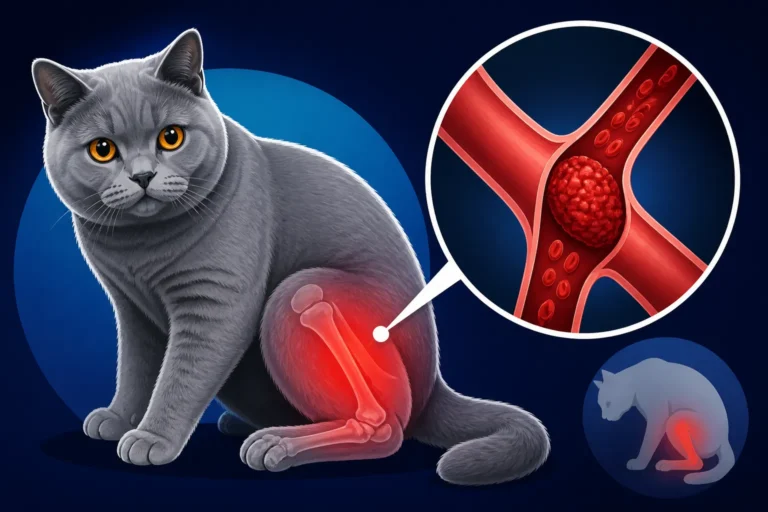
Arthritis is practically ubiquitous in older cats, though they are incredibly adept at concealing their pain. You might not see obvious limping; instead, you might notice subtle changes in their behavior: hesitation before jumping onto furniture, a decreased desire to play, or difficulty using the litter box. Their once effortless movements might now be stiff or slow. This is particularly true for British Shorthairs, whose stocky build can put extra strain on their joints over time. Addressing Arthritis in an Older British Shorthair involves a multi-modal approach, including pain management, supplements, and environmental modifications to make movement easier. It’s heartbreaking to realize your cat might be in pain, and knowing how to spot these subtle cues is invaluable.
Dental Disease and Oral Health
Don't forget about those pearly whites – or rather, the lack thereof in many older cats. Dental disease is rampant in senior felines, leading to pain, difficulty eating, and even systemic health issues if bacteria from the mouth enter the bloodstream. Gingivitis, plaque, and tartar buildup are common, and in severe cases, tooth resorption or extractions might be necessary. You might notice bad breath, pawing at the mouth, or a reluctance to eat harder foods. Regular dental check-ups and cleanings, even for older cats, are vital for their overall health and comfort. Untreated Gingivitis in a British Shorthair can lead to serious discomfort and impact their ability to eat, further exacerbating other health issues.
Tailoring Nutrition for Senior British Shorthairs
As your British Shorthair enters its golden years, its nutritional needs will shift significantly. What worked in their prime might now be detrimental, making dietary adjustments a cornerstone of senior care.
Adjusting Calorie Intake and Macronutrients
Older cats generally have a lower metabolic rate and a less active lifestyle, meaning they require fewer calories than their younger counterparts. Continuing to feed the same quantity of food can quickly lead to weight gain, which exacerbates conditions like arthritis and diabetes. However, some senior cats might experience weight loss due to underlying health issues or decreased nutrient absorption. It's a delicate balance. Your veterinarian might recommend a diet with easily digestible proteins to help maintain muscle mass without overtaxing their kidneys. They also need a good balance of essential fatty acids to support skin and coat health, and fiber to aid digestion. Monitoring their weight regularly is crucial, and if you observe Why Weight Loss in an Old British Shorthair Is a Warning, it’s time for a vet visit.
Choosing the Right Food Consistency
Many senior British Shorthairs also develop dental issues, making dry kibble painful to chew. This is where a shift to wet food or even moistened dry food can be a game-changer. Wet food also provides added hydration, which is especially beneficial for older cats who might not drink enough water on their own, or those with kidney concerns. Even if their teeth are still in good shape, some older cats simply prefer the texture and palatability of wet food. Don't be afraid to experiment to find what your senior cat enjoys most, keeping in mind their specific dietary needs prescribed by your vet. You might find that Whether an Aging British Shorthair Needs Softer Food becomes a very important consideration.
| Dietary Consideration | Younger British Shorthair (1-9 years) | Senior British Shorthair (10+ years) |
|---|---|---|
| Calorie Needs | Moderate to high | Lower (due to decreased activity) |
| Protein | High quality, moderate level | High quality, highly digestible |
| Fat | Moderate | Moderate, essential fatty acids |
| Hydration | Important | Critical (consider wet food) |
| Fiber | Adequate for digestion | Increased (to prevent constipation) |
| Phosphorus | Standard levels | Restricted (especially with kidney disease) |
| Texture | Dry kibble often preferred | Wet or moistened food often preferred |
The Importance of Regular Weigh-Ins
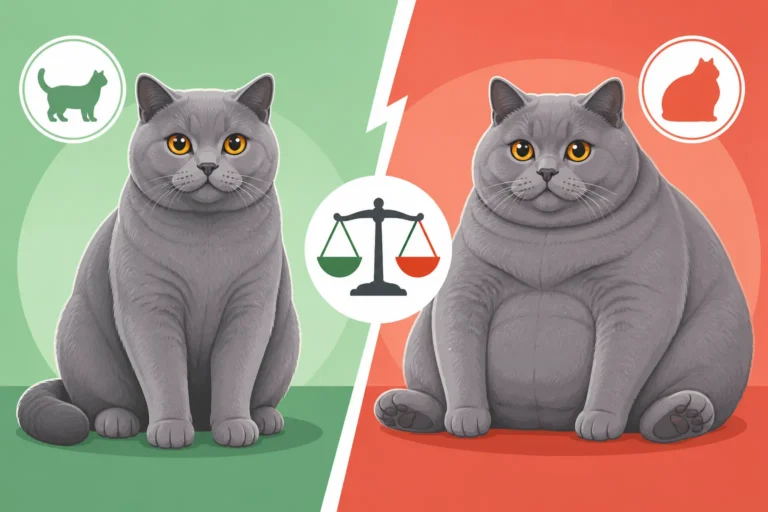
It cannot be stressed enough how vital regular weigh-ins are for senior British Shorthairs. Fluctuations in weight can be early indicators of underlying health problems. A sudden drop might signal hyperthyroidism, kidney disease, or even cancer, while unexplained gain could worsen joint pain or lead to diabetes. Aim to weigh your cat at least once a month, ideally at home using a baby scale or by weighing yourself, then weighing yourself holding your cat, and subtracting the difference. Keeping a log of their weight can help you spot trends and discuss them with your veterinarian during routine check-ups. You can learn more about How Often an Old British Shorthair Needs Weighing to establish a good routine. Many veterinarians recommend blood work alongside these weigh-ins to get a full picture of their health.
Ensuring Comfort and Mobility in Their Golden Years
Watching your once spry British Shorthair struggle to jump onto their favorite perch can be tough. Preserving their comfort and mobility as they age is paramount for their quality of life.
Supporting Aching Joints
Arthritis is almost an inevitable part of aging for many cats, and British Shorthairs, with their solid build, are no exception. The stiffness and pain can make simple movements a chore. Providing comfortable, orthopedic beds that support their joints can make a world of difference. Consider heated beds, especially in colder climates or during winter, as warmth can soothe sore muscles and stiff joints. Supplements containing glucosamine, chondroitin, and omega-3 fatty acids, under veterinary guidance, can also help support joint health and reduce inflammation. Remember, a cat in pain will often try to hide it, making proactive measures even more important. Learning How a British Shorthair Hides Pain can help you spot the subtle cues your cat might be giving you.
Making Movement Easier
Beyond comfort, we need to make their environment more accessible. Ramps or pet stairs can help them reach their favorite sleeping spots on the sofa or bed without straining their joints. Ensure their litter boxes have low sides for easy entry and exit, especially if they have limited mobility. Think about their favorite high spots – can they still reach them safely? If not, create new, easily accessible cozy spots on lower levels. Gentle, consistent, low-impact play sessions can also help keep their muscles active without overdoing it, preventing What Obesity Does to a British Shorthair's Joints. Even short sessions with a feather wand or soft toy can be beneficial.
Maintaining Muscle Mass and Strength
While senior cats naturally become less active, it’s vital to encourage gentle movement to prevent muscle atrophy. Muscle mass supports their joints and overall strength. This means engaging them in short bursts of play, even if it's just a few minutes a few times a day. Consider puzzle feeders that encourage them to move slightly to get their food. Your veterinarian might also suggest physical therapy exercises or recommend specific dietary supplements to support muscle health. Don't underestimate the power of simply encouraging them to walk a few extra steps to get to their food bowl or a favorite sunny spot. Consistent, gentle activity can help maintain their strength and flexibility for longer.
Adapting Grooming and Hygiene Routines for Senior Cats
Your British Shorthair’s magnificent, dense coat is one of its most striking features, but maintaining it can become a real challenge as they age. What used to be a point of pride can quickly become a source of discomfort without your help.
Gentle Grooming for Their Changing Coat
As British Shorthairs get older, their skin might become thinner and less elastic, and their circulation may not be as robust. Their famous plush coat can become duller, and they might struggle with self-grooming, leading to mats, especially around their hindquarters or underarms. This is particularly noticeable if you find that Why an Old British Shorthair Looks Unkempt is becoming a common sight. Daily, gentle brushing with a soft brush or a wide-toothed comb becomes essential, not just for preventing mats but also for stimulating circulation and bonding. Be extra careful around sensitive areas, and if you encounter a stubborn mat, don't yank it; seek help from a professional groomer or your vet.
Nail Trims and Paw Care
Older cats are often less active, meaning their nails might not wear down naturally. Overgrown nails can curve into their paw pads, causing pain, infection, and making walking difficult. Regular nail trims, perhaps every two to four weeks, are crucial. If you're uncomfortable doing it yourself, your vet or a groomer can assist. Also, inspect their paw pads for any cracks, sores, or foreign objects, especially if they spend any time outdoors. Their paws are their primary mode of transport, and keeping them healthy is key to their mobility and comfort.
Ear, Eye, and Dental Care
Beyond their coat and nails, don't forget the smaller details. Their ears should be checked regularly for wax buildup or signs of infection, which can sometimes appear as dark, waxy discharge or a foul odor. Gently wipe away any discharge from their eyes with a soft, damp cloth. And as mentioned before, dental health is paramount. While brushing an older cat's teeth might be challenging, introducing dental wipes or oral rinses can help. Regular veterinary check-ups will include a thorough oral examination, and your vet can advise on professional cleanings if necessary. It’s also worth considering if Why an Aging British Shorthair Stops Grooming is due to pain or stiffness preventing them from reaching certain areas, necessitating your intervention.
Proactive Veterinary Care for the Aging British Shorthair
One of the greatest gifts we can give our senior British Shorthairs is proactive, consistent veterinary care. Because cats are so good at masking illness, regular check-ups become even more critical in their later years.
The Importance of Biannual Check-ups
While yearly vet visits are standard for younger cats, senior British Shorthairs truly benefit from biannual (twice a year) check-ups. This allows your veterinarian to catch potential issues early, often before they become obvious to you at home. These appointments are more than just vaccinations; they involve a thorough physical examination, checking weight, listening to their heart and lungs, palpating their abdomen, and assessing their joints and mobility. Your vet can spot subtle changes in body condition or demeanor that might be early indicators of age-related diseases. This proactive approach can significantly extend your cat's comfortable lifespan. When considering the costs of these increased vet visits, pet insurance providers like Healthy Paws can be a real lifeline, covering a good portion of diagnostic tests and treatments.
Comprehensive Diagnostic Testing
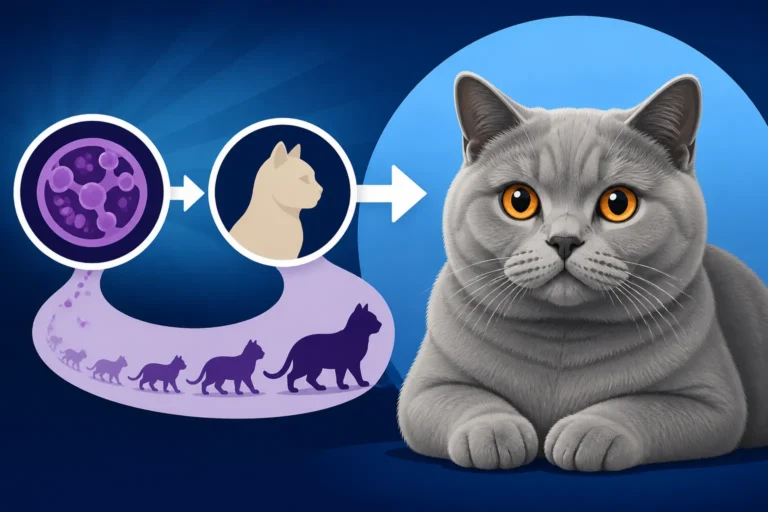
Beyond the physical exam, your vet will likely recommend a senior panel of diagnostic tests. This typically includes blood work to assess kidney and liver function, thyroid levels (to screen for hyperthyroidism), and a complete blood count. A urinalysis is also crucial for detecting early signs of kidney disease, urinary tract infections, or diabetes. These tests provide a snapshot of your cat's internal health, revealing issues that aren't yet visible on the outside. For British Shorthairs, particularly given their breed predispositions, these screenings are non-negotiable. Regular screenings ensure that conditions like Polycystic Kidney Disease Came Into the British Shorthair With the Persians or other inherited issues are managed appropriately if detected.
Discussing Pain Management and Quality of Life
One of the most vital conversations to have with your vet during these visits is about pain management and your cat's overall quality of life. As mentioned, cats hide pain exceptionally well. Your vet can help identify subtle signs of discomfort, especially from arthritis, and discuss safe, effective pain relief options. This might include NSAIDs (non-steroidal anti-inflammatory drugs), gabapentin, or other modalities. It's also a time to openly discuss any concerns about cognitive decline, appetite changes, or significant behavioral shifts. The goal isn't just to extend life, but to ensure that those extra years are lived with dignity, comfort, and joy. Never hesitate to ask about ways to improve your cat's comfort; your vet is your best ally in this journey.
Crafting a Senior-Friendly Home Environment
Your home is your British Shorthair's entire world, and as they age, making small adjustments to their living space can profoundly impact their comfort, safety, and overall well-being.
Easy Access to Essentials
Imagine struggling with mobility and having to climb stairs or jump onto high surfaces just to eat, drink, or use the bathroom. This becomes a reality for many older cats. Ensure food and water bowls are easily accessible on the main living level, rather than requiring stairs. Consider elevated bowls if bending down causes discomfort. Litter boxes should be numerous, spread throughout the house, and critically, have low sides. This is particularly important for British Shorthairs who, with their broad frames and potential for arthritis, need easy entry and exit without painful maneuvers. Having a few extra, low-sided litter boxes can prevent accidents and stress. You might consider purchasing larger, uncovered litter boxes to accommodate their size and provide easy access.
Creating Cozy, Accessible Retreats
Senior cats often seek warmth and comfort. Create several soft, inviting resting spots around the house, ideally away from high-traffic areas where they might be startled. Think about orthopedic beds, soft blankets, or even heated cat beds for extra coziness. These spots should be easy to get into – on the floor, or accessed by a ramp if it's on a higher surface. Ensure they have access to their favorite sunny spots, perhaps with a soft cushion to nap on. These safe havens provide security and comfort, allowing them to rest undisturbed. You can learn more about When an Aging British Shorthair Needs a Ramp to make these elevated spots more accessible.
Safety Considerations
An aging cat's senses can dull, making them more vulnerable to accidents. Ensure any potential hazards are removed. For instance, if your cat's eyesight is failing, avoid rearranging furniture too drastically. Keep pathways clear to prevent trips and falls, especially if they are stiff. Be mindful of extreme temperatures; older cats are less able to regulate their body temperature, so ensure their resting spots are not in drafts or direct, scorching sun. While British Shorthairs generally prefer to be indoors, if your cat has always had supervised outdoor access, be extra vigilant or transition them to full indoor life for their safety, as their slowed reactions could put them at risk.
Nurturing Their Emotional and Mental Well-being
It's not just their bodies that age; their minds do too. Supporting your British Shorthair's emotional and mental health is just as important as their physical care in their senior years.
Gentle Interaction and Routine
Older cats thrive on routine and gentle interaction. Sudden changes can be distressing. Maintain a predictable daily schedule for feeding, playtime, and quiet time. Continue to interact with them, even if it's just gentle strokes, soft words, or a short, low-energy play session. Some senior cats become more affectionate, seeking comfort, while others prefer more space. Learn to read your cat's cues and respect their boundaries. Their emotional needs might be different, but they are still very much present. A consistent, loving presence is one of the most comforting things you can offer.
Cognitive Support and Enrichment
Just like older people, some cats can experience cognitive decline, sometimes referred to as Feline Cognitive Dysfunction (FCD). This can manifest as disorientation, changes in sleep-wake cycles, increased vocalization, or changes in interaction. While there's no cure, environmental enrichment and dietary supplements can help. Puzzle feeders can provide mental stimulation, and gentle playtime helps keep their minds engaged. Some veterinary diets are formulated with antioxidants and other brain-supporting nutrients. Discuss any signs of cognitive decline with your vet; they might be able to recommend specific supplements or strategies. Even if your cat isn't as playful as they once were, short, engaging interactions can keep their mind sharper.
Monitoring for Anxiety and Stress
Aging can bring about increased anxiety or stress in some cats. This could be due to pain, sensory decline, or cognitive changes that make their world feel less predictable. Signs of anxiety might include excessive grooming, hiding more, inappropriate urination, or changes in appetite. If you notice these behaviors, it's crucial to rule out medical causes first with your vet. Once physical issues are addressed, environmental modifications, pheromone diffusers (like Feliway), and sometimes even anti-anxiety medications (prescribed by a vet) can help manage stress. Your gentle reassurance and a stable home environment are always the first line of defense against anxiety, helping your cat feel safe and loved throughout their golden years. A well-placed pet insurance policy from Healthy Paws can provide peace of mind for covering treatments for behavioral issues that stem from underlying health conditions, ensuring you can provide the best care without financial stress.
Disclaimer
This article is intended for informational purposes only and is not a substitute for professional veterinary advice. Always consult with a qualified veterinarian for any health concerns or before making any decisions about your British Shorthair's care, especially as they age.