What Saddle Thrombus Does to a British Shorthair
The sudden, terrifying onset of hind leg paralysis in your beloved British Shorthair is every owner's worst nightmare. One moment they might be purring happily, the next they're crying out in excruciating pain, unable to move their back legs. This horrific event is often a sign of something called saddle thrombus, a devastating complication of underlying heart disease. This guide will help you understand what saddle thrombus entails for a British Shorthair, why they are susceptible, and what steps you can take.
Understanding Saddle Thrombus in British Shorthairs
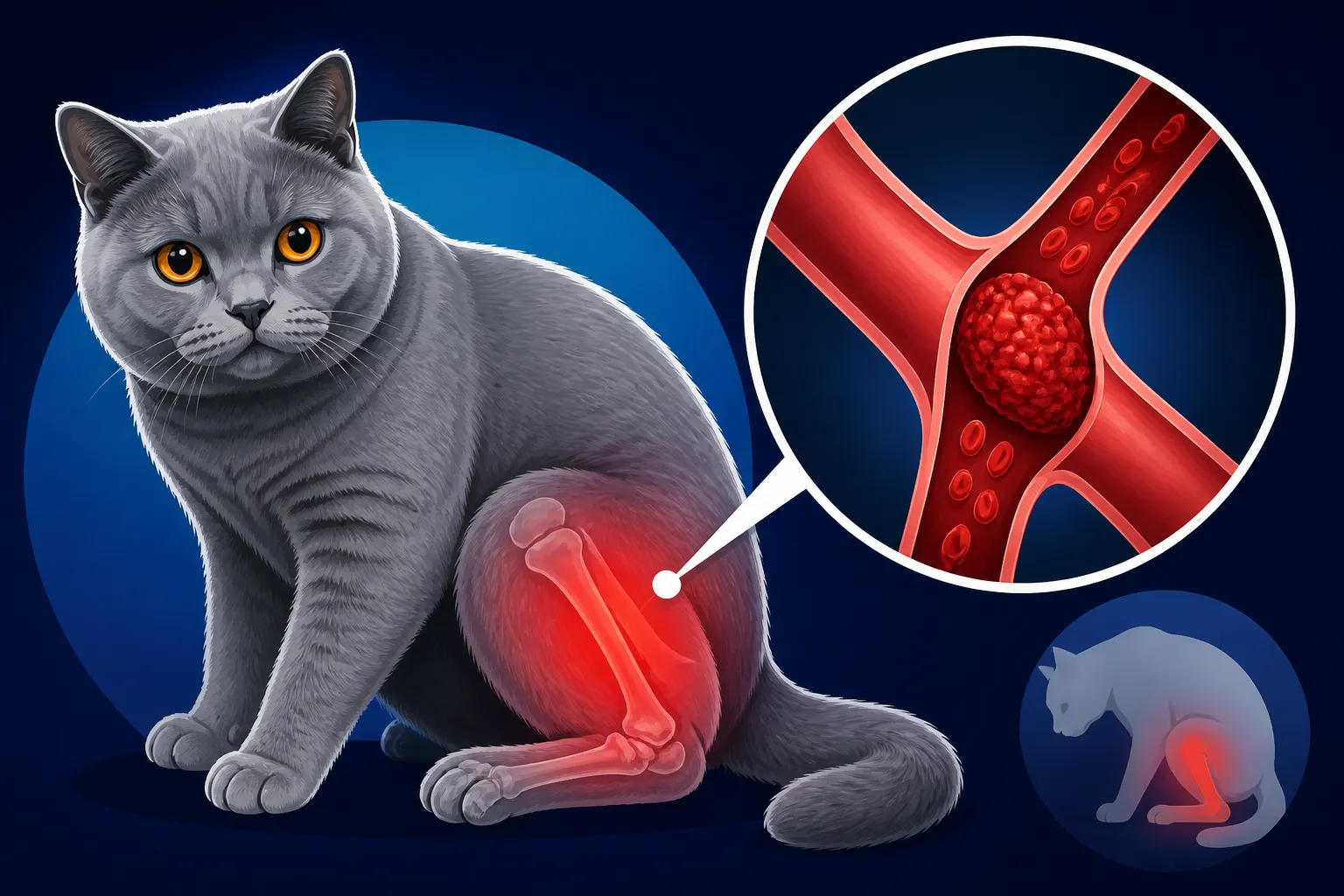
Saddle thrombus, medically known as Feline Aortic Thromboembolism (FATE), is a condition that sends shivers down the spine of any cat owner, especially those with breeds predisposed to heart issues like our dear British Shorthairs. It's a truly heartbreaking emergency that demands immediate attention and difficult decisions. Essentially, FATE occurs when a blood clot forms, typically in the heart due to underlying heart disease, and then travels through the bloodstream, getting lodged in a narrow part of the arterial system. For most cats, including the British Shorthair, this narrow point is the "saddle" where the aorta branches off to supply blood to the hind legs, hence the name "saddle thrombus."
This blockage is catastrophic because it cuts off blood flow to the lower body, leading to a sudden and severe lack of oxygen and nutrients to the tissues in the hind limbs. The result is intense pain, paralysis, and often, a chilling coldness in the affected paws. It’s not just a painful inconvenience; it’s a life-threatening crisis that can rapidly lead to irreversible tissue damage or even organ failure if not addressed immediately. The sheer speed and severity with which this condition strikes are what make it so terrifying for owners. One minute your chunky companion is relaxing, and the next they are in profound distress, a stark reminder of how fragile even our robust-looking British Shorthairs can be.
The Mechanics of Clot Formation and Travel
To truly grasp what saddle thrombus does, it helps to understand the underlying mechanics. In the vast majority of cases, a saddle thrombus originates as a tiny clot within the heart itself. Specifically, it's often found within the left atrium, a chamber of the heart that, when diseased, can become enlarged and less efficient at pumping blood smoothly. When the blood flow isn't smooth, it can become turbulent, and this turbulence, combined with changes in the heart muscle and blood vessel lining due to conditions like hypertrophic cardiomyopathy (HCM), creates an environment ripe for clot formation. These tiny clots, called thrombi, are then essentially "flung" out of the heart with each beat.
Once a clot leaves the heart, it enters the systemic circulation, traveling through larger arteries. These arteries gradually narrow as they branch off to supply different parts of the body. The specific point where the aorta bifurcates into the iliac arteries, which feed the hind legs, is a common choke point. It's a literal fork in the road, and if a clot is too large to pass through, it becomes wedged here, blocking the flow to both hind legs. In some less common scenarios, a clot might lodge in an artery supplying a single hind leg or even a front leg, but the "saddle" location is by far the most prevalent and devastating, impacting both rear limbs simultaneously. The resulting lack of oxygenated blood causes excruciating pain and tissue damage almost immediately, a true medical emergency.
Agonizing Impact on the Body
The moment a saddle thrombus lodges, the impact on a British Shorthair's body is immediate and severe, causing profound distress. The tissues in the hind legs, suddenly deprived of oxygen and nutrients, begin to suffer from ischemia. This causes intense, unimaginable pain. Cats, masters of hiding discomfort, often cannot conceal this level of agony; they will cry out, howl, or even hiss and bite when touched, something utterly out of character for the usually placid British Shorthair. Their hind legs will become weak, then completely paralyzed, often dragging lifelessly behind them. It's a truly heartbreaking sight for any owner.
Beyond the pain and paralysis, there are other distressing physical signs. The affected limbs will feel cold to the touch because of the lack of blood flow, a stark contrast to the rest of their warm body. Their paw pads might turn a bluish or purplish color (cyanosis), indicating a severe lack of oxygen. There will be no pulse detectable in the femoral arteries (in the groin) of the affected legs. If the clot remains for too long, muscle tissue begins to die (necrosis), leading to swelling and stiffness. Toxins released from the damaged muscle can also enter the bloodstream, potentially overwhelming the kidneys and other organs, leading to further complications and a worsening prognosis. This isn't just a physical injury; it's a systemic shock to their body, and the emotional toll on owners witnessing such suffering is immense.
Why British Shorthairs Are Especially Vulnerable
It's a harsh reality that some breeds carry genetic predispositions to certain health conditions, and for our beloved British Shorthairs, hypertrophic cardiomyopathy (HCM) is unfortunately one of the primary concerns. This breed's predisposition to HCM directly ties into their vulnerability to saddle thrombus, making it a topic every British Shorthair owner should be acutely aware of. While FATE can occur in any cat, the statistical link between HCM and clot formation means British Shorthairs face an elevated risk compared to the general feline population.
This isn't to say every British Shorthair will develop HCM or subsequently suffer a saddle thrombus, but the breed's genetic lineage, particularly due to outcrossing in its developmental history, has left it with a higher propensity for this specific heart condition. Understanding this link is crucial for proactive care and early detection, which can significantly improve outcomes and potentially prevent such a devastating event. It's a key reason why discussions about health screening, like What a British Shorthair Breeder Should Have Tested, are so important for this breed.
The Primary Culprit: Hypertrophic Cardiomyopathy (HCM)
Hypertrophic Cardiomyopathy (HCM) is the most common heart disease in cats, and sadly, British Shorthairs are notoriously over-represented among affected breeds. HCM causes the muscular walls of the heart, particularly the left ventricle, to thicken abnormally. This thickening reduces the heart's ability to pump blood effectively and can lead to several problems, including inefficient blood flow and dilation of the left atrium. As discussed earlier, an enlarged and sluggish left atrium is the perfect breeding ground for blood clots. The turbulence of blood flow and the changes to the atrial lining create an environment where small thrombi can easily form.
Owners often don't even know their British Shorthair has HCM until advanced signs appear, or in the worst cases, until a sudden event like a saddle thrombus or even sudden death. This silent nature is what makes regular veterinary checks and specialized screenings so critical for the breed. While there's still no definitive DNA test for HCM in British Shorthairs, making diagnosis and breeding decisions complex, the understanding that HCM is the leading cause of clot formation remains paramount. You can read more about this in our guide, HCM in a British Shorthair Has No DNA Test, and understand why What HCM Does to a British Shorthair's Heart is such a serious concern.
Other Contributing Factors to Thrombus Risk
While HCM is undeniably the biggest risk factor for saddle thrombus in British Shorthairs, it's not the only piece of the puzzle. Other health issues and lifestyle choices can subtly increase a cat's overall risk for developing clots or exacerbating the impact of an existing heart condition. It’s important to consider these factors, as they offer additional avenues for prevention and management, especially in a breed known for its somewhat laid-back lifestyle.
Sedentary Lifestyle and Obesity: British Shorthairs are known for their calm, often sedentary nature. They love to lounge, and if not encouraged to play, they can easily become couch potatoes. This low activity level, combined with their strong appetite, often leads to obesity. Obesity Is the British Shorthair's Real Disease is a significant concern because excess weight places additional strain on the heart and circulatory system. Obese cats may have higher blood pressure and increased inflammation, both of which can contribute to conditions that make clot formation more likely. A less active cat also means less robust circulation overall.
Dehydration: While less direct, chronic dehydration can lead to thicker blood, which might marginally increase the risk of clot formation, particularly in a cat with an already compromised heart. Ensuring your British Shorthair has constant access to fresh water, and encouraging hydration with wet food or water fountains, is a simple but important aspect of their overall health.
Inflammatory Conditions: Any systemic inflammatory condition, even those not directly related to the heart, can theoretically increase the propensity for blood clot formation. While not a primary driver, maintaining your cat's general health and addressing any chronic inflammation can play a small role in reducing risk. The interplay of these factors means that holistic care is always the best approach, looking beyond just the heart to the entire well-being of your British Shorthair.
The Devastating Signs and Symptoms of Saddle Thrombus
Recognizing saddle thrombus quickly is absolutely crucial, but it's also incredibly distressing because the signs are so dramatic and painful. If you ever witness these symptoms in your British Shorthair, it’s not something to wait on; it requires immediate, emergency veterinary attention. The fear and confusion you'll experience as an owner seeing your typically calm cat suddenly in agony are immense, and it's vital to act without hesitation. Don't second-guess yourself, even if it's the middle of the night.
Sudden Onset and Excruciating Pain
The hallmark of saddle thrombus is its sudden, acute onset. One moment your British Shorthair might be fine, walking around, perhaps even purring. The next, they collapse or suddenly become unable to use their hind legs. This isn't a gradual weakness; it's an abrupt inability to move, often accompanied by agonizing vocalizations. Your cat might cry out in a way you've never heard before – a deep, guttural yowl or a series of desperate, high-pitched meows. They might try to drag themselves, only to fail, collapsing again.
The pain is immense and immediate because the nerves in the affected legs are suddenly deprived of blood and oxygen. Your British Shorthair might thrash, pant, drool, or even bite out of sheer agony and fear if you try to touch their hindquarters. They may try to hide, which is a common feline response to severe pain, but the paralysis often makes escape impossible. This level of distress is truly alarming and unlike most other common ailments. It's a stark, painful indicator that something very serious and urgent has happened internally.
Physical Manifestations and Emergency Indicators
Beyond the dramatic pain and paralysis, there are several key physical signs that scream "saddle thrombus" to any veterinarian, and which you, as an owner, can also observe. These indicators are critical for identifying the emergency quickly.
First and foremost, inspect the hind legs. They will typically be cold to the touch. This chilling sensation is due to the complete lack of blood flow, and it often extends from the toes up to the hocks or even higher. Compare the temperature to your cat's front paws or torso – the difference will be stark. Secondly, the paw pads and nail beds of the affected limbs might appear bluish or purplish, a condition known as cyanosis, again indicating a severe lack of oxygen in the tissues. Sometimes, the pads might even appear pale and waxy.
Another critical indicator is the absence of a femoral pulse. Gently feel the inside of your cat's upper thigh, near the groin. In a healthy cat, you can usually feel a distinct pulse here. With saddle thrombus, this pulse will be absent or extremely weak on the affected side(s). The muscles in the hind legs may also feel firm and painful. Your cat's breathing might become rapid and shallow, not just from pain, but potentially due to underlying heart failure that caused the clot in the first place, or from the systemic shock. If you observe Signs a British Shorthair Is Breathing Hard in conjunction with hind leg paralysis, it's a double red flag. Recognizing these specific signs can mean the difference between life and death, so it's imperative to seek emergency care immediately.
| Symptom | Severity & Description | Urgency Level |
|---|---|---|
| Sudden Hind Leg Paralysis | Complete or near-complete inability to move one or both hind legs. Cat may drag them or collapse. | Extreme Emergency |
| Excruciating Pain | Intense vocalizations (yowling, howling), panting, drooling, agitation, aggression when touched. Cat cannot find a comfortable position. | Extreme Emergency |
| Cold Hind Legs | Affected limbs are noticeably colder than the rest of the body. Feel from paws upwards. | Extreme Emergency |
| Absent/Weak Femoral Pulse | Pulse in the inner thigh (groin area) is undetectable or significantly weaker on the affected side(s). Requires gentle palpation. | Extreme Emergency |
| Bluish/Pale Paw Pads | Paw pads and nail beds may appear discolored (cyanotic – blue/purple) or unusually pale/waxy due to lack of blood flow. | Extreme Emergency |
| Rapid/Shallow Breathing | Panting or increased respiratory rate, often indicative of pain, stress, or underlying heart failure. | High Concern (especially with other symptoms) |
| Hiding/Reluctance to Move | While common in sick cats, the sudden inability to move and intense pain makes traditional hiding difficult, though they may try to crawl into small spaces. | High Concern (as a general sign of severe distress) |
| Firm, Painful Muscles | Muscles in the hind legs may feel tense, hard, and painful when gently palpated. | Extreme Emergency |
Treatment Options and the Difficult Prognosis
The diagnosis of saddle thrombus is truly devastating, and for British Shorthair owners, it often comes as a shock. Once confirmed by a veterinarian, usually through physical examination and sometimes additional diagnostics like an ultrasound, the difficult conversation about treatment options and prognosis begins. It's a moment filled with anxiety, fear, and profound sadness, as the path forward is rarely easy or guaranteed. Understanding what the veterinary team can and cannot do, and the potential outcomes, is crucial during this harrowing time.
Emergency Veterinary Care and Initial Stabilization
When a British Shorthair arrives at the emergency vet clinic with suspected saddle thrombus, the priority is immediate stabilization and pain management. The cat is in immense pain, and alleviating this suffering is paramount. Strong pain medications, such as opioids, are typically administered right away. Oxygen therapy might also be given, especially if the cat is showing signs of respiratory distress dueor if Signs a British Shorthair Is Breathing Hard were observed.
Beyond pain relief, the veterinary team will focus on trying to improve blood flow and prevent further clot formation. This usually involves administering anticoagulant medications, such as heparin, which can help prevent the existing clot from growing larger and potentially encourage the formation of new clots. In some cases, more aggressive "clot-busting" drugs (thrombolytics) might be considered, but these carry significant risks, including severe bleeding, and are not suitable for all patients. They are also incredibly expensive. Supportive care, like intravenous fluids, is also vital to maintain hydration and kidney function, especially if muscle damage is severe. The initial hours of care are critical, but even with aggressive intervention, the journey is fraught with uncertainty. Dealing with such an emergency can be incredibly costly, and it’s times like these that having a good pet insurance policy, like one from Healthy Paws, can make the difference between pursuing treatment and facing impossible financial choices.
The Difficult Decisions Owners Face
Even with the best emergency care, the prognosis for saddle thrombus can be guarded to poor, and owners are often faced with agonizing decisions about their British Shorthair's quality of life and the feasibility of long-term recovery. This is where the emotional and financial burden truly hits. Recovery is a long and challenging road, with no guarantee of full function returning. Many cats, even those who survive the initial crisis, may never regain full use of their hind legs, or they might develop ongoing pain, weakness, or nerve damage.
The choice often comes down to:
- Aggressive Treatment: Pursuing all possible medical interventions, which can involve days of hospitalization, specialized medications, and intense monitoring. This is often very expensive, potentially thousands of dollars, and even then, success is not assured. Many pet insurance plans, such as those offered by Healthy Paws, may cover a significant portion of these emergency costs, but it’s vital to check policy details.
- Supportive Care with Euthanasia Consideration: Providing pain relief and comfort care while monitoring progress, but with the understanding that if improvement is not seen within a short window, or if the cat's suffering becomes unbearable, humane euthanasia is the kindest option.
- Immediate Euthanasia: For some owners, given the extreme pain, poor prognosis, and financial constraints, choosing immediate euthanasia is a difficult but compassionate decision to prevent prolonged suffering.
It's a decision no pet owner ever wants to make, and it requires careful consideration of the cat's current condition, their potential for recovery, the financial implications, and the emotional toll on the family. The vet team will provide guidance, but the ultimate choice rests with the owner, making it one of the most heartbreaking aspects of this terrible condition. Many cats who survive the initial clot are also still living with the underlying HCM, meaning the risk of another clot remains, leading to further complex decisions about managing How a British Shorthair With HCM Is Treated long-term.
Prevention and Living with the Risk
While saddle thrombus itself is a sudden event, the underlying conditions that lead to it, primarily HCM, develop over time. This means that while direct prevention of a clot may not always be possible, proactive management of the risk factors, especially early detection and ongoing care for heart disease, is the single most important thing a British Shorthair owner can do. Living with a British Shorthair means understanding their genetic predispositions and taking steps to ensure they live the healthiest, longest life possible.
Early Detection of Hypertrophic Cardiomyopathy (HCM)
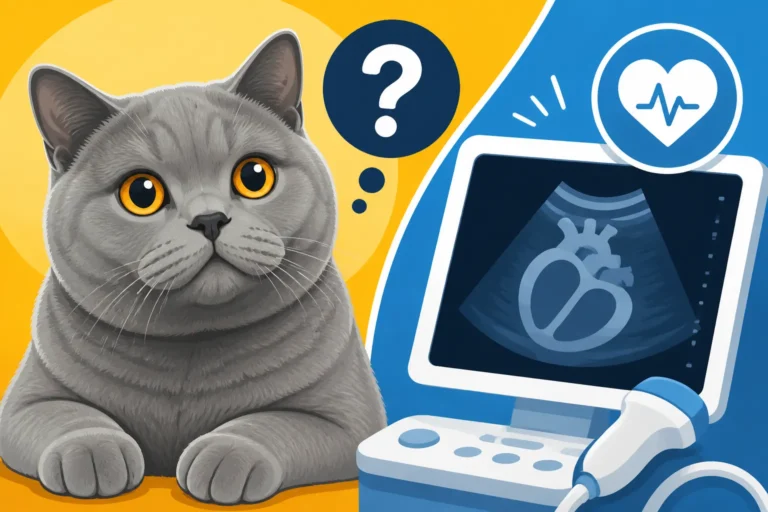
The most crucial step in mitigating the risk of saddle thrombus is the early detection and management of HCM. Since HCM is often a silent killer, many cats show no outward signs until the disease is advanced or a crisis like FATE occurs. This is why regular screening is so vital for British Shorthairs. The gold standard for diagnosing HCM in cats is an echocardiogram (an ultrasound of the heart) performed by a veterinary cardiologist.
It's recommended that British Shorthairs from breeding lines with a history of HCM, or even those without a known history, begin regular echocardiogram screenings. When a British Shorthair Should Have Its First Echo can be as early as 1 year old, and often needs to be repeated regularly throughout their lives, as detailed in The Yearly Echo That Replaces a British Shorthair Gene Test. A clear echo at one point doesn't guarantee a cat won't develop HCM later, as the disease can progress with age. Owners of British Shorthairs should openly discuss HCM screening protocols with their breeder and their regular veterinarian. Early detection allows for the implementation of medications that can slow the progression of the heart disease and potentially reduce the risk of clot formation, ultimately improving your cat's quality of life and lifespan. Remember, while a clear echo can be reassuring, it's not a once-and-done test for this breed. These regular screenings can incur costs, and this is where a reliable pet insurance plan, such as one from Healthy Paws, can be incredibly beneficial, helping to cover a portion of these essential diagnostic expenses over your cat's lifetime.
Managing an HCM Diagnosis to Reduce Risk
If your British Shorthair receives an HCM diagnosis, it's certainly upsetting news, but it's not a death sentence. With careful management and ongoing veterinary care, many cats with HCM can live comfortably for years. The primary goal of managing HCM, especially with the risk of saddle thrombus in mind, is to slow the progression of the heart disease, improve heart function, and minimize the chances of clot formation.
This management typically involves a tailored regimen of medications prescribed by a veterinary cardiologist. These might include:
- Beta-blockers or Calcium Channel Blockers: To relax the heart muscle, reduce heart rate, and improve filling.
- ACE Inhibitors: To help manage blood pressure and reduce fluid retention.
- Diuretics: If there are signs of congestive heart failure (fluid in the lungs).
- Anticoagulants/Antiplatelet medications: Such as clopidogrel (Plavix) or low-dose aspirin, specifically to reduce the risk of blood clot formation in the left atrium. These are often started once an HCM diagnosis is confirmed, especially if the left atrium is enlarged.
Beyond medication, lifestyle adjustments are also important. Maintaining a healthy weight (refer to Obesity Is the British Shorthair's Real Disease) and a low-stress environment can support overall heart health. Regular follow-up echocardiograms are crucial to monitor the progression of the disease and adjust medication dosages as needed. While managing HCM can be an intensive process, the goal is to provide your British Shorthair with the best possible quality of life and to stave off devastating complications like saddle thrombus. Understanding How Long a British Shorthair Lives After an HCM Diagnosis can help set realistic expectations and ensure you're providing the best care possible.
Disclaimer
The information provided in this guide is for general informational purposes only and does not constitute veterinary advice. Always consult with a qualified veterinarian for any health concerns or before making any decisions related to your pet's care. Saddle thrombus is a serious medical emergency, and prompt veterinary attention is critical.