How Often an Old British Shorthair Needs Weighing
It’s a subtle shift, isn't it? One day your senior British Shorthair feels just as solid and plush as ever, and the next you notice a slight change in their weight, perhaps a bit of rib definition you hadn't seen before, or conversely, a bit more softness. With their incredibly dense, luxurious coats, it can be incredibly challenging to spot weight fluctuations in older British Shorthairs until they've become quite significant. This comprehensive guide is here to help you understand why regular weighing is so vital for your aging companion, how often you should do it, and practical tips to make it a calm and routine part of their care, ensuring you catch any health concerns early.
The Silent Language of Weight: Why Regular Weighing is Crucial for Senior British Shorthairs
As our beloved British Shorthairs enter their golden years, typically around the age of ten, their bodies begin to experience changes that aren't always immediately obvious. You might notice them slowing down a bit, sleeping more, or perhaps their glorious coat doesn't quite have the same spring it once did. What's far harder to see, hidden beneath that famously thick, plush fur, is subtle weight loss or gain. You're not imagining things – that luxurious coat, while beautiful, is an expert at camouflaging underlying issues.
For many British Shorthair owners, the first hint of trouble isn't a dramatic symptom, but rather a gradual shift in weight. A consistent, regular weigh-in schedule becomes one of your most powerful tools for early detection of a myriad of age-related conditions. Think of it as taking your cat's pulse, but for their overall metabolic health. Their weight can tell you so much about what's happening internally, long before other, more visible signs manifest. It gives you a baseline to compare against, a concrete number to discuss with your vet, rather than relying on a subjective "I think he feels a bit thinner." This kind of proactive monitoring can quite literally add healthy, happy years to your cat's life.
Consider the common health issues that can affect older British Shorthairs. Conditions like hyperthyroidism often present with weight loss despite a ravenous appetite, while early kidney disease might also cause a slow, steady decline in weight. On the flip side, conditions such as Diabetes in a British Shorthair can sometimes lead to initial weight gain before profound weight loss, or Obesity Is the British Shorthair's Real Disease is always a risk, impacting their joints and overall quality of life. Without consistent monitoring, these insidious changes can progress unchecked, making treatment more complex and less effective later on. By keeping a close eye on their weight, you’re essentially giving yourself and your vet a heads-up, an early warning system that allows for prompt investigation and intervention. It's a small effort with potentially huge rewards for your cherished companion.
How Often Should You Really Weigh Your Older British Shorthair?
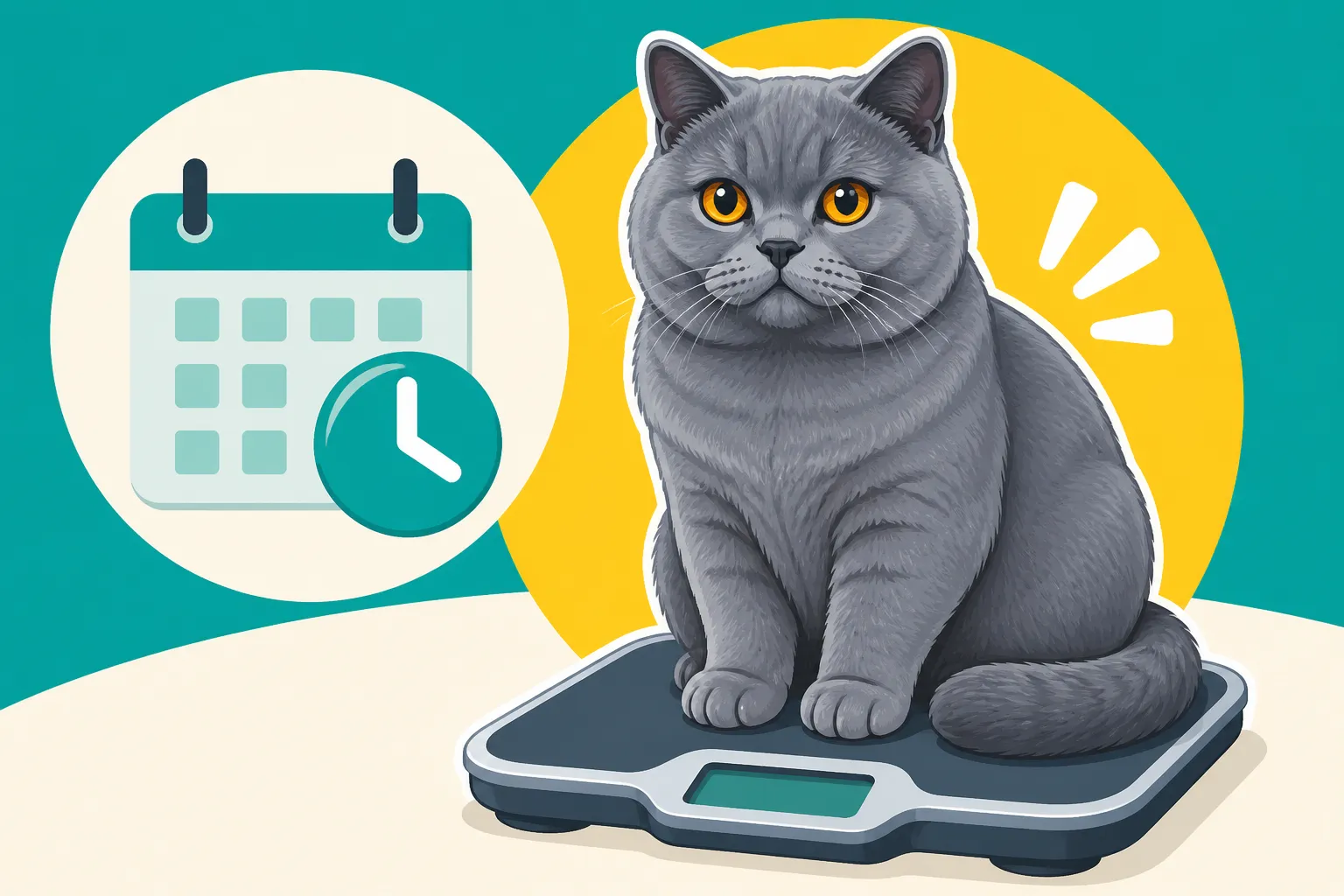
The short answer for a healthy, senior British Shorthair is usually once a month. However, this isn't a one-size-fits-all rule, and several factors can influence the ideal frequency. Let's break down a realistic approach.
Establishing a Baseline for Routine Monitoring
For a senior British Shorthair without any known health concerns, a monthly weigh-in is an excellent starting point. This allows you to track their stable weight over time and notice any trends, even slight ones. Remember, their weight at The Age a British Shorthair Is Considered Senior might be slightly different from their prime, but consistency is key. Pick a specific day each month – perhaps the first Saturday, or payday – and make it a routine. Documenting this weight is crucial. Keep a little notebook, use an app, or simply jot it down on a calendar. The point isn't just to know the number, but to see its pattern over several months or even years as you continue Caring for an Old British Shorthair. A gradual, unnoticed drift of a few ounces here and there can eventually add up to a significant change that warrants investigation.
If your British Shorthair is already dealing with a chronic condition, or if you've recently noticed some subtle shifts, you'll want to increase the frequency. For example, if your vet has identified a potential issue or put your cat on a new diet, weighing them bi-weekly, or even weekly, might be advised. This more intensive monitoring helps you and your vet gauge the effectiveness of treatments or dietary changes more rapidly. It provides immediate feedback, allowing for quicker adjustments if something isn't working as expected. This also ties into the importance of regular veterinary check-ups; How Often a British Shorthair Needs a Wellness Exam often involves a weigh-in, and your home records can supplement the vet's data beautifully.
Factors Influencing Weighing Frequency
Several factors should nudge you to weigh your senior British Shorthair more frequently than once a month:
- Known Health Conditions: If your cat has been diagnosed with conditions like Hyperthyroidism in an Older British Shorthair, kidney disease, or Diabetes in a British Shorthair, your vet will likely recommend more frequent weight checks. These diseases can cause rapid fluctuations, and quick detection of changes is vital for managing their condition.
- Dietary Changes: Whenever you switch your cat's food, whether it's for weight management, allergies, or a prescription diet, increase weighing to weekly for the first month or two. This helps ensure they're tolerating the new food well and that it's having the desired effect on their body condition.
- Medication Adjustments: Some medications can affect appetite or metabolism. If your cat starts a new medication or has a dosage change, monitor their weight more closely for a few weeks to ensure no adverse effects.
- Behavioral Changes: Any unexplained shifts in appetite, energy levels, litter box habits, or grooming could be signs of underlying issues. Even if you haven't seen outward symptoms, a proactive weekly weigh-in can sometimes catch a problem before it escalates, especially if your cat tends to
Why a British Shorthair Hides Pain.
Here's a general guideline for how often you should be weighing your senior British Shorthair:
| Condition / Situation | Recommended Weighing Frequency |
|---|---|
| Healthy, stable senior British Shorthair | Monthly |
| Monitoring chronic health condition | Bi-weekly (every 2 weeks) |
| Recently changed diet or medication | Weekly (for 1-2 months) |
| Recovering from illness/surgery | Weekly or as advised by vet |
| Unexplained behavioral changes | Weekly, then seek vet advice |
| Suspected weight loss or gain | Weekly, then seek vet advice |
No matter the frequency, consistency is your best friend. Weigh them at the same time of day (e.g., before breakfast) and using the same scale if possible, to minimize variables.
Making Weigh-Ins Stress-Free: Practical Tips for Home Weighing
We know British Shorthairs are generally calm, but even the most placid feline can become a wiggly, uncooperative lump when faced with something new or uncomfortable. The key to successful home weigh-ins is to make it a positive, low-stress experience for both of you.
Choosing the Right Scale and Technique
First, let's talk scales. While a regular human bathroom scale can work in a pinch, it's not ideal for a couple of reasons. They often aren't sensitive enough to register the small, but significant, weight changes in a cat, and they can be tricky to get an accurate reading when your British Shorthair is trying to jump off. A much better option is a digital baby scale or a dedicated pet scale. These are designed for smaller weights and are usually more precise. Look for one with a "hold" function, which locks in the weight even if your cat wiggles a bit.
Once you have your scale, here's the most common and effective technique:
- Zero the Scale: Place an empty cat carrier or a sturdy box on the scale and hit the "tare" or "zero" button. This will deduct the weight of the container.
- Lure Them In: Gently coax your British Shorthair into the carrier or box. For many British Shorthairs, a favorite blanket, a sprinkle of treats, or a familiar toy works wonders. The trick is to make the carrier a positive place, not just something they associate with vet visits.
- Weigh and Record: Once they're settled inside (even if briefly!), take the reading. If your scale has a "hold" function, it will lock the weight, allowing you to remove your cat and read it calmly. Immediately offer a high-value treat, praise, and gentle strokes.
- Practice Makes Perfect: Don't expect perfection on the first try. Start by just getting them comfortable with the scale and carrier. Place the carrier out in the living room, feed them treats inside, let them nap in it. Gradually introduce the weighing process. If your cat tends to be anxious, consider a pet-specific anxiety vest or a calming spray for the carrier to help them relax. It’s all about creating positive associations, especially since How a British Shorthair Behaves at the Vet can sometimes be a bit reserved or anxious.
Alternatives for Less Cooperative British Shorthairs
What if your British Shorthair absolutely refuses the carrier-on-scale method? Don't despair! There's another common technique using your human bathroom scale, though it requires a bit more math and a very still cat (or you!).
- Weigh Yourself: Step onto your digital bathroom scale and get your weight. Record this number.
- Weigh Yourself with Your Cat: Pick up your British Shorthair carefully and step back onto the scale with them.
- Subtract: Subtract your solo weight from the combined weight. The difference is your cat's weight.
This method works best if your cat is comfortable being held for a few moments and if your scale is reasonably accurate for small differences. Again, positive reinforcement is key. Treats, praise, and making the experience as swift and calm as possible will go a long way. Some cats might even tolerate a small, flat pet scale placed on the floor, especially if it's disguised under a cozy blanket or has treats scattered around it. Remember, this isn't about wrestling your cat; it's about gently integrating a crucial health monitoring step into their routine. Consistency and patience will be your greatest assets in figuring out How Often an Old British Shorthair Needs Weighing without turning it into a battle.
Deciphering the Numbers: What Weight Fluctuations Mean for Your British Shorthair
So, you've started regularly weighing your British Shorthair, and you've noticed a change. Don't panic, but don't ignore it either. Any significant, unexplained weight fluctuation in an older cat warrants a conversation with your veterinarian. What constitutes "significant"? Generally, a loss or gain of 5-10% of their body weight over a few weeks or months is a red flag. For a 12-pound British Shorthair, that's less than a pound, which can be easily missed if you're not weighing them regularly. For reference, you can look up What a British Shorthair Should Weigh at Two Years to get a general idea of a healthy adult weight, then factor in age.
Understanding Weight Loss
When an older British Shorthair starts to lose weight, it's often a sign that something is amiss, even if they seem to be eating normally. Their dense musculature and thick coats can hide muscle atrophy and fat loss effectively. Common culprits for Why an Aging British Shorthair Loses Weight include:
- Hyperthyroidism: This is a very common condition in older cats where the thyroid gland produces too much hormone, speeding up their metabolism. Cats with hyperthyroidism often eat a lot, act restless, and still lose weight.
- Kidney Disease: As kidneys age, their function can decline. This can lead to increased thirst, urination, and a gradual weight loss as the body struggles to process waste.
- Dental Disease: Painful teeth or gums can make eating difficult, leading to a reduced food intake and subsequent weight loss. Gingivitis in a British Shorthair is incredibly common, and even subtle pain can make them reluctant to crunch kibble.
- Diabetes: While some diabetic cats might initially gain weight, others present with weight loss due to their bodies being unable to properly utilize glucose for energy, even with adequate food intake.
- Cancer: Various forms of cancer can cause cachexia (wasting), leading to unexplained weight loss.
- Inflammatory Bowel Disease (IBD): Chronic inflammation of the digestive tract can impair nutrient absorption, resulting in weight loss.
It's important to differentiate between genuine weight loss and muscle loss. Older cats can experience sarcopenia (age-related muscle wasting) even if their overall body weight remains somewhat stable. This means they might feel softer or less robust even if the number on the scale isn't dramatically different. This is Why Weight Loss in an Old British Shorthair Is a Warning and always needs a vet's assessment.
Understanding Weight Gain
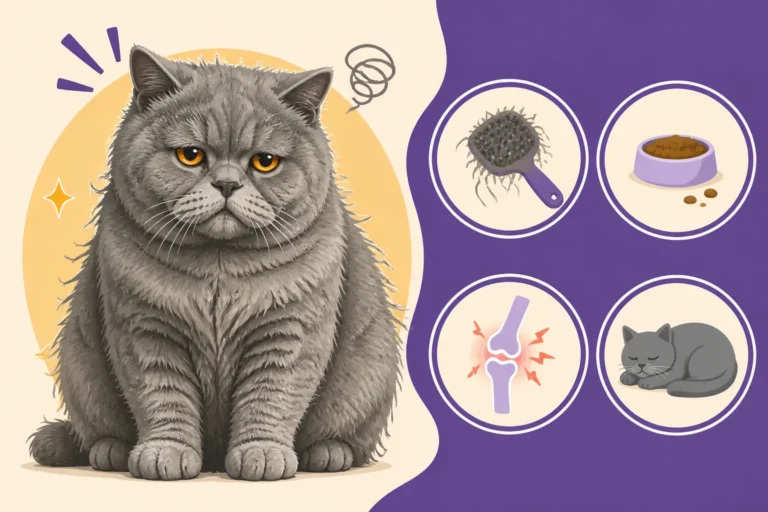
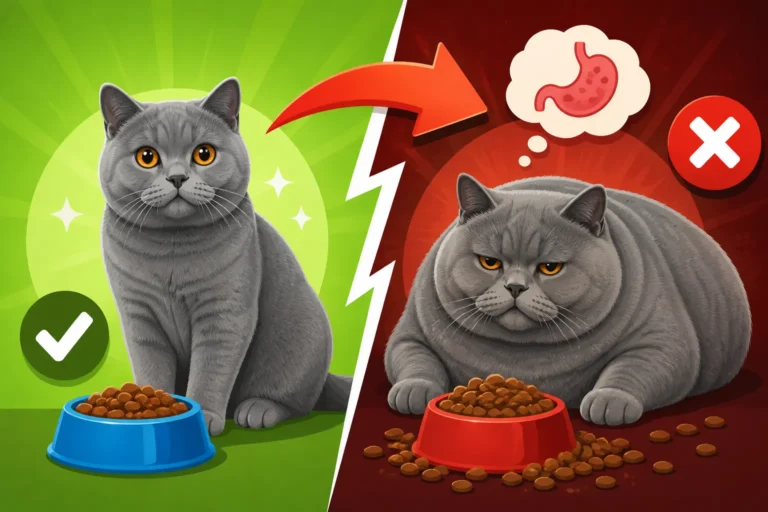
While less common to be a sudden red flag in older cats unless it's fluid retention, gradual weight gain in a senior British Shorthair can still indicate problems, especially if it’s pushing them into the overweight or obese category. Obesity Is the British Shorthair's Real Disease, and it can exacerbate joint pain (arthritis), increase the risk of diabetes, and even lead to Why an Overweight British Shorthair Gets Skin Problems because they can't groom properly. If your British Shorthair is gaining weight despite no change in diet or activity, or if they seem unusually bloated, it could signify:
- Underactive Thyroid (Hypothyroidism): Though less common in cats than hyperthyroidism, it can lead to weight gain, lethargy, and a dull coat.
- Fluid Retention: Conditions like heart disease or kidney issues can sometimes cause fluid build-up, making a cat appear heavier or bloated. This is distinct from fat gain and needs urgent veterinary attention.
- Overfeeding: Sometimes, it's simply a matter of metabolism slowing down with age. What was an appropriate food portion at five years old might be too much for a ten-year-old, more sedentary cat.
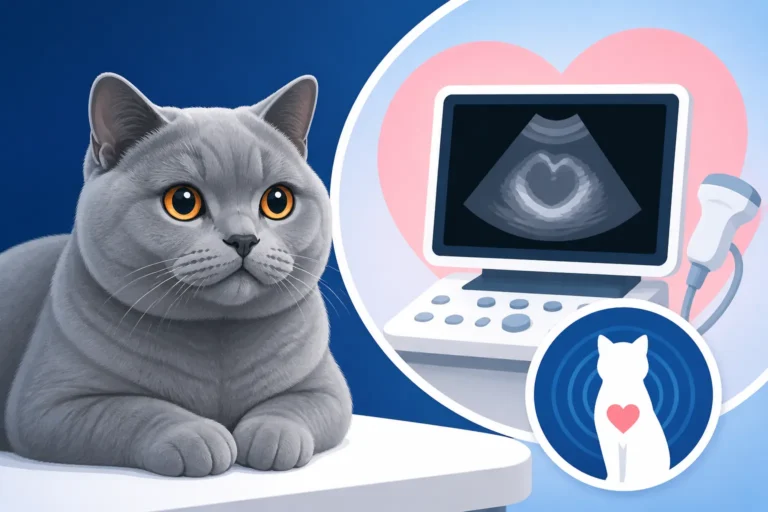
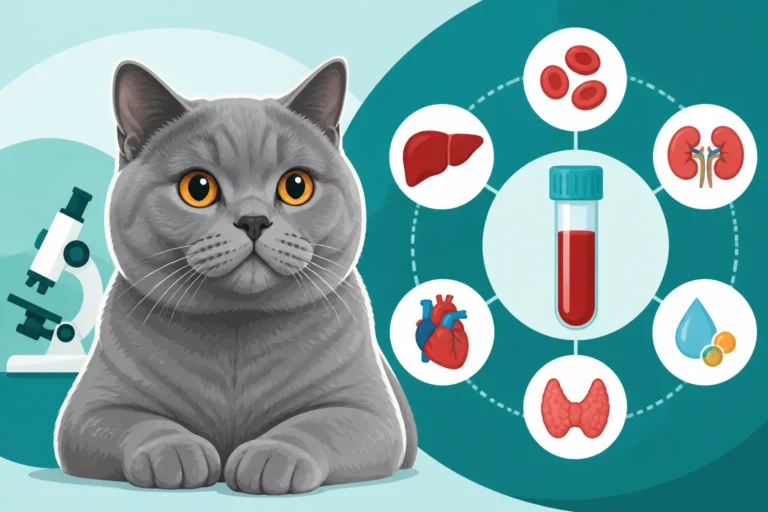
When you do notice a weight change, the next step is always to contact your vet. They can perform a thorough examination, including blood work and potentially imaging, to pinpoint the cause. Having your consistent home weight records will be invaluable for them. This is where pet insurance, like Healthy Paws, can really offer peace of mind, knowing that if diagnostics and treatment are needed for an unexpected illness, you’ll have support. What Most British Shorthairs Die Of are often age-related diseases that can be better managed with early detection. Proactive monitoring through regular weighing, combined with expert veterinary care, is your best defense.
Disclaimer
This article is for general informational purposes only and does not constitute professional advice. Laws, prices and regulations vary by location and change over time. Consult a qualified professional for guidance on your specific situation.