Why an Aging British Shorthair Loses Weight
It's incredibly worrying when you notice your beloved senior British Shorthair starting to lose weight. These magnificent, round-faced companions are known for their substantial build, so a noticeable thinning can send alarm bells ringing, and for good reason. While a small amount of muscle loss can be a natural part of aging, unexplained or rapid weight loss is a serious sign that something isn't quite right. This guide will walk you through the common reasons why an aging British Shorthair might be losing weight, what to look out for, and how you can work with your veterinarian to support your cherished feline friend.
The Nuances of Weight Loss in Senior British Shorthairs
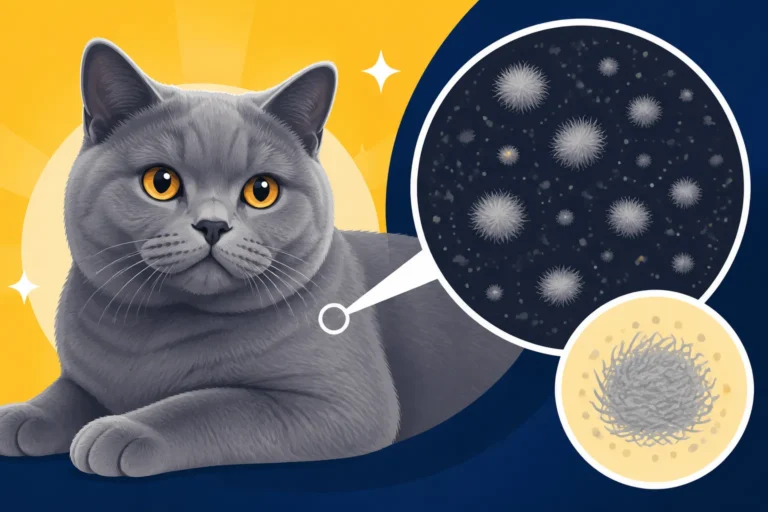
It's tempting to think that an older cat getting a bit thinner is just "part of getting old," and to some extent, a gradual, very slight decrease in muscle mass can occur. However, the British Shorthair breed is naturally cobby and robust, and significant weight loss is rarely benign. Their dense, plush coats can often mask underlying changes, making it even harder for us to spot a problem until it's quite advanced. Owners often validate this frustration, lamenting that they only notice the weight loss when their cat feels noticeably lighter during a cuddle, or when their favorite sleeping spot seems a little less indented.
Distinguishing Normal Aging from Concerning Changes
As our British Shorthairs enter their golden years – typically considered senior around 10 to 12 years old – their bodies undergo subtle shifts. Metabolism might slow down slightly, and activity levels naturally decrease. You might notice your cat isn't quite as agile as they once were, perhaps preferring a cozy blanket on the floor over a high cat tree. This can sometimes lead to a small reduction in overall weight, primarily fat mass, as they burn fewer calories. However, this is usually a very slow, almost imperceptible change.
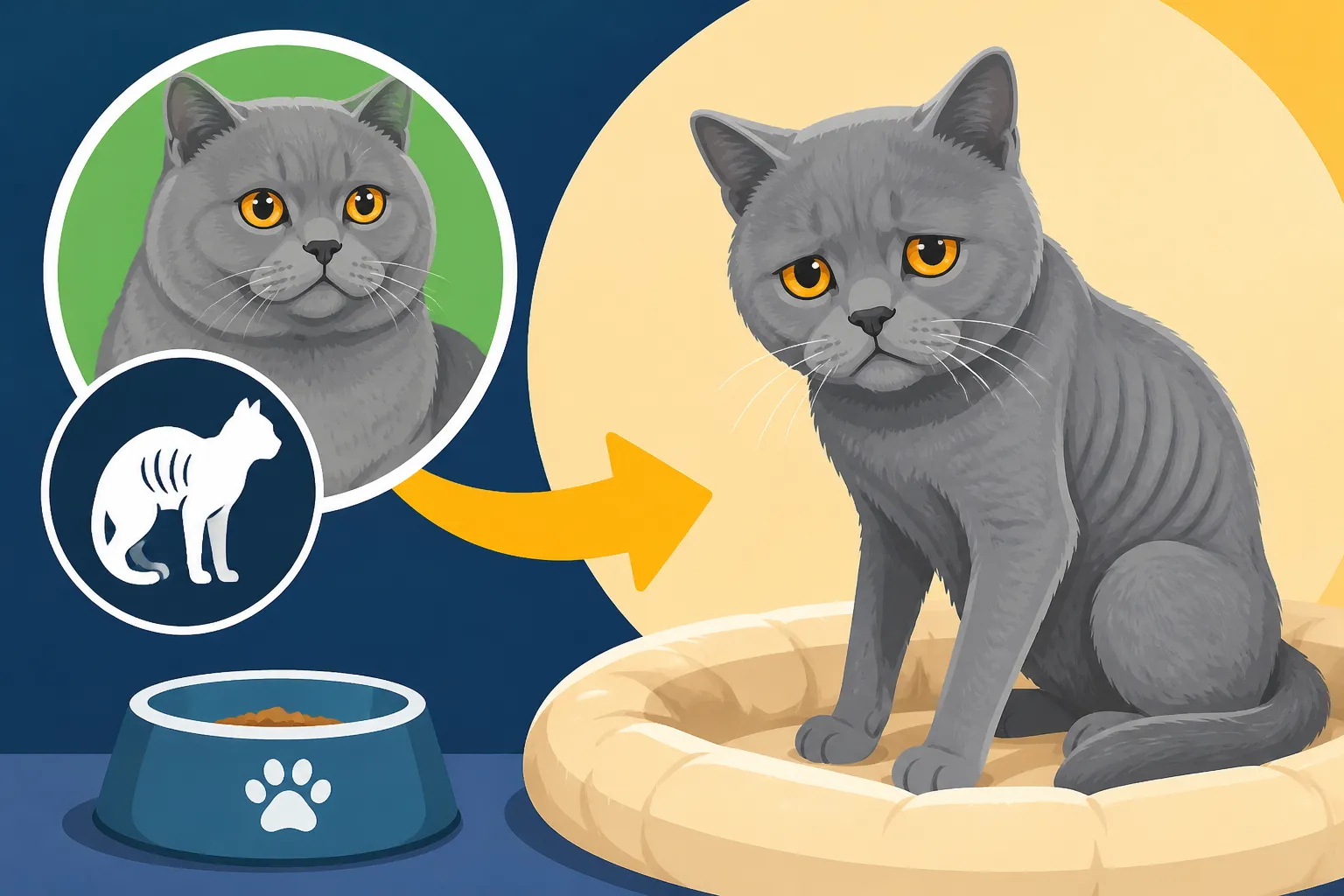
What we need to watch out for is anything sudden, unexplained, or significant. If your British Shorthair drops a noticeable amount of weight in a matter of weeks or months, or if they appear bony when you stroke them, that's a red flag. A truly healthy aging process shouldn't involve your cat looking frail or losing their characteristic 'teddy bear' appearance. We need to remember that these cats are masters of hiding discomfort, so by the time visible weight loss occurs, it's often a sign that their body can no longer compensate. This is why How Often an Old British Shorthair Needs Weighing is so important – regular monitoring can catch these subtle changes before they become critical.
The Role of Appetite and Metabolism in Weight Fluctuation
Appetite changes are often linked to weight loss. Sometimes an aging British Shorthair might simply eat less because their senses of smell and taste aren't as sharp, making food less appealing. Their digestive system might also become less efficient at absorbing nutrients, even if they're eating the same amount. These are slower processes.
However, sometimes a cat might even eat more and still lose weight. This scenario is particularly confusing and can indicate an underlying medical condition that is rapidly burning through calories, regardless of intake. It’s a frustrating situation because you might think your cat is doing great because they’re cleaning their bowl, when in reality, their body is struggling to maintain itself. Understanding these metabolic shifts is key to knowing when to worry and when to simply adjust their diet for comfort.
Common Health Issues Leading to Weight Loss in Senior British Shorthairs
When an aging British Shorthair starts to lose weight, it's almost always indicative of an underlying health problem. Our goal as their caregivers is to identify and address these issues as quickly as possible. The plush coat of a British Shorthair can be an excellent disguise, making it harder to spot a problem until it's quite advanced. This is why a keen eye and regular vet check-ups are non-negotiable for our senior felines. Many of the issues that cause weight loss are unfortunately quite common in Caring for a British Shorthair Past Ten.
Dental Disease and Eating Difficulties
Imagine trying to eat your favorite meal when every bite sends a searing pain through your mouth. That's often what dental disease feels like for our cats. It’s incredibly common in older felines, with studies suggesting a vast majority of senior cats have some form of dental issue, from gingivitis to painful tooth resorption.
A British Shorthair with sore gums or a rotten tooth might approach their food bowl eagerly, sniff at it, perhaps even try to take a bite, and then back away, looking frustrated. You might notice them chewing only on one side of their mouth, dropping bits of food, or showing an aversion to hard kibble they once loved. The pain makes eating a miserable experience, leading to reduced food intake and, consequently, weight loss. Untreated dental disease is not just about weight loss; it can also lead to systemic infections as bacteria from the mouth enter the bloodstream. Addressing Gingivitis in a British Shorthair early can prevent more serious problems down the line.
Hyperthyroidism: A Metabolic Overdrive
Hyperthyroidism is a notorious culprit for weight loss in older cats, including our British Shorthairs. This condition occurs when the thyroid gland produces too much thyroid hormone, effectively putting the cat's metabolism into overdrive. It's like having the engine of a car constantly running at high RPMs, burning through fuel at an alarming rate.
The classic signs of hyperthyroidism are often confusing for owners: a cat that is ravenously hungry, eating more than ever, yet still losing weight. They might also be unusually restless, vocal, and perhaps even experience vomiting or diarrhea. Owners often describe their once calm, placid British Shorthair becoming noticeably more active, even a bit agitated. The constant internal 'rush' burns calories at an accelerated pace, leading to a steady decline in body condition despite a seemingly healthy or even increased appetite. You'll often find more information about this condition under Hyperthyroidism in an Older British Shorthair.
Kidney Disease: Silent and Progressive
Chronic kidney disease (CKD) is another frequent diagnosis in aging cats and is a leading cause of insidious weight loss. The kidneys play a vital role in filtering waste products from the blood, maintaining hydration, and regulating blood pressure. As they age, the kidneys can gradually lose function. This is often a silent disease in its early stages, as cats are remarkably adept at compensating until significant damage has occurred.
Early signs can be subtle: increased thirst and urination. As the disease progresses, the accumulation of toxins in the bloodstream makes the cat feel nauseous and generally unwell, leading to a reduced appetite. They might also become dehydrated, which further exacerbates the weight loss. Protein loss through the damaged kidneys can also contribute. It's a slow, progressive decline, and by the time you notice significant weight loss, the disease is often moderately advanced. Regular bloodwork, often covered in What a British Shorthair's Yearly Bloodwork Should Cover, can help detect kidney issues earlier. Urinary Problems in a British Shorthair can be a symptom of this.
Other Medical Conditions and Their Impact
Unfortunately, a whole host of other medical conditions can also lead to weight loss in senior British Shorthairs. Each presents with its own set of symptoms, but the common thread is a cat whose body is struggling to maintain its healthy weight.
- Diabetes: While often associated with obesity, some diabetic cats, particularly those whose condition is poorly managed or those with a specific type of diabetes, can experience weight loss despite a good appetite. Their body can't properly use glucose for energy, so it starts breaking down fat and muscle. Diabetes in a British Shorthair is a serious condition requiring careful management.
- Gastrointestinal Issues: Inflammatory bowel disease (IBD), pancreatitis, or other digestive disorders can hinder nutrient absorption or cause chronic vomiting and diarrhea, all of which deplete the body's reserves and lead to weight loss. Your British Shorthair might eat but simply not be getting the full nutritional benefit.
- Cancer: Just like in humans, various forms of cancer can lead to significant weight loss in cats, often referred to as cachexia. The cancer cells themselves consume a lot of energy, and the disease can also suppress appetite or cause secondary issues that contribute to a decline in condition. Which Cancers a British Shorthair Gets vary, but all can be serious.
- Arthritis and Pain: While not directly causing weight loss through metabolic changes, chronic pain from conditions like Arthritis in an Older British Shorthair can reduce a cat's willingness to move to their food bowl, get comfortable while eating, or even reach their favorite high dining spot. This reduced access or discomfort can lead to decreased food intake over time. British Shorthairs are particularly stoic and often How a British Shorthair Hides Pain, making this a subtle cause.
| Condition | Primary Symptoms (besides weight loss) | Appetite Changes | Key Diagnostic Tests |
|---|---|---|---|
| Dental Disease | Bad breath, drooling, difficulty chewing, pawing at mouth | Reduced, picky, avoids hard food | Oral exam, dental X-rays |
| Hyperthyroidism | Increased thirst/urination, restless, increased vocalization, vomiting | Increased (often ravenous) | Blood test (T4 level) |
| Kidney Disease (CKD) | Increased thirst/urination, vomiting, lethargy, poor coat quality | Decreased, picky, nausea | Blood panel (kidney values), urinalysis, blood pressure |
| Diabetes | Increased thirst/urination, lethargy, sweet-smelling breath | Variable (sometimes increased) | Blood glucose, fructosamine, urinalysis |
| Gastrointestinal Issue | Vomiting, diarrhea, abdominal pain, poor coat | Variable (often decreased) | Bloodwork, ultrasound, biopsy |
| Cancer | Lumps/bumps, lethargy, vomiting, diarrhea, pain, changes in behavior | Decreased | Physical exam, imaging (X-ray, ultrasound), biopsy |
Nutritional Needs and Strategies for an Aging British Shorthair
Once the vet has helped you identify the underlying cause of your British Shorthair's weight loss, managing their nutritional needs becomes paramount. Even if a specific disease is being treated, optimizing their diet can significantly improve their quality of life and help them regain lost condition. It's not just about getting calories into them; it's about getting the right calories and making it as easy and enjoyable as possible.
Choosing the Right Senior Diet
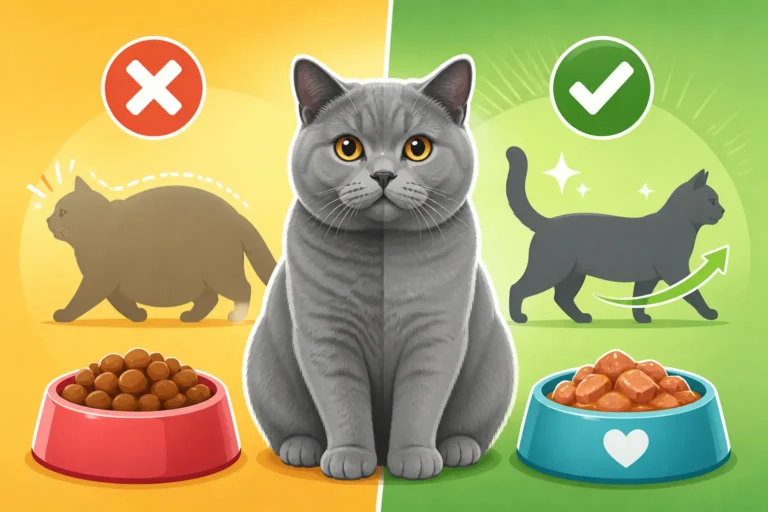
The market is flooded with senior cat foods, and it can feel overwhelming. The key is often palatability and digestibility. Older cats may struggle with chewing or digesting complex ingredients. Many vets will recommend a diet tailored to their specific medical condition – for example, a kidney-specific diet for a cat with CKD, or a high-calorie, easily digestible food for a cat recovering from illness.
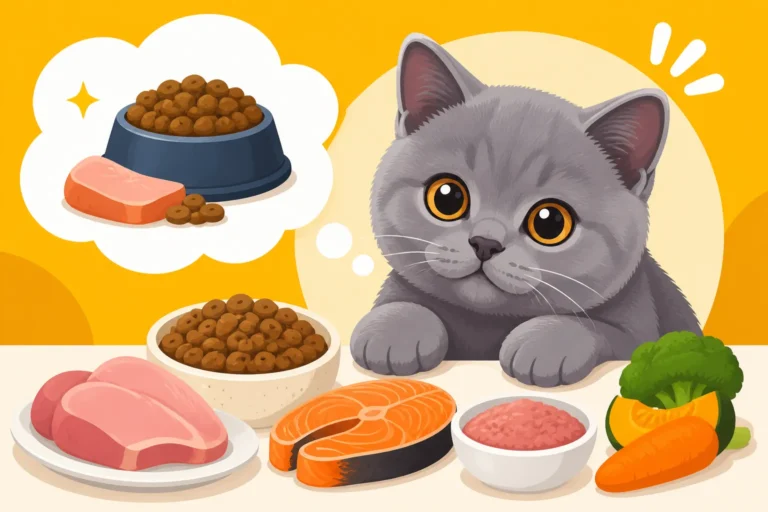
When selecting food, consider factors like protein quality and fat content. Some senior cats need higher protein to maintain muscle mass, while others with kidney issues might need restricted protein. Talk to your vet about the ideal nutritional profile for your cat. Many owners find that wet food is often preferred over dry kibble by older cats due to its texture, moisture content, and stronger aroma, which can entice a flagging appetite. Websites like Chewy and Amazon offer a wide selection of prescription and senior-specific foods, making it easier to find what your vet recommends. Whether an Aging British Shorthair Needs Softer Food is a common question, and the answer is often yes!
Strategies for Encouraging Eating
Getting an aging, thin British Shorthair to eat can sometimes feel like a full-time job. They can be finicky at the best of times, and illness only exacerbates this. Here are some tactics that many dedicated owners employ:
- Warm it Up: Gently warming wet food (just slightly above room temperature, never hot!) can enhance its aroma, making it more appealing. A few seconds in the microwave can work wonders.
- Offer Variety: Sometimes cats get bored of the same flavor or texture. Experiment with different brands, protein sources, and formats (pâté, chunks in gravy, shredded).
- Small, Frequent Meals: Instead of two large meals, offer several smaller meals throughout the day. This can be less overwhelming for a cat with a reduced appetite and help prevent nausea.
- Quiet, Stress-Free Dining: Ensure their eating area is quiet, safe, and away from other pets or household commotion. Some cats prefer to eat alone.
- Elevated Bowls: For cats with arthritis or neck pain, an elevated food bowl can make eating more comfortable as they don't have to bend down as far.
- Hand-Feeding or Stroking While Eating: Some senior cats truly appreciate the extra attention. Gently stroking them while they eat or offering a few bites by hand can sometimes encourage them to finish their meal.
- High-Calorie Supplements: Your vet might recommend high-calorie pastes or supplements to boost their energy intake without increasing meal volume too much.
- Novelty Foods: Sometimes a cat will eat something entirely new that they haven't associated with feeling unwell. Fresh food made with human-grade ingredients can be highly palatable for even the pickiest eaters. Always check with your vet before introducing new foods, especially if your cat has specific dietary restrictions.
Hydration is Key
While not directly related to weight loss, hydration is critically important for an aging cat, especially one battling an illness. Dehydration can worsen feelings of nausea, contribute to kidney issues, and make a cat feel generally unwell, further suppressing appetite.
Offering wet food is a great way to increase fluid intake, as it contains significantly more moisture than dry kibble. Multiple water bowls placed around the house, water fountains (which some cats prefer due to the flowing water), or even adding a tiny bit of low-sodium chicken broth to their water can encourage drinking. If your cat is severely dehydrated, your vet might recommend subcutaneous fluids to help rehydrate them and make them feel better, which can sometimes stimulate appetite.
When to Seek Veterinary Help and What to Expect
The most crucial piece of advice for any British Shorthair owner noticing weight loss in their senior cat is simple: see your veterinarian immediately. Do not wait. Cats are masters of disguise, and by the time you've noticed weight loss, the underlying issue has likely been present for a while. Early intervention can make a significant difference in prognosis and quality of life. Even if you're asking What Changes in a British Shorthair After Ten, significant weight loss is rarely a normal part of those changes.
Recognizing the Warning Signs
Beyond the actual weight loss, pay close attention to any other changes in your British Shorthair's behavior or habits. These can provide vital clues to your vet.
- Changes in Appetite: Is your cat eating less? More? Being pickier?
- Changes in Thirst/Urination: Is your cat drinking more water or urinating more frequently? This could indicate kidney issues or diabetes.
- Vomiting or Diarrhea: Any digestive upset can point to GI problems or even hyperthyroidism.
- Lethargy or Reduced Activity: Is your once playful cat now spending all their time sleeping? Are they less interested in interaction? Signs a British Shorthair Is Unwell often include lethargy.
- Changes in Coat Quality: An unkempt, greasy, or dull coat can be a sign of illness, as sick cats often stop grooming themselves effectively.
- Increased Vocalization or Restlessness: This can sometimes be a sign of hyperthyroidism or pain.
- Difficulty Chewing or Bad Breath: Classic signs of dental disease.
Keep a detailed log of these observations, including when they started and how frequently they occur. This information is invaluable to your vet.
The Diagnostic Process
When you bring your British Shorthair in for weight loss, your vet will perform a thorough physical examination. They will check their teeth, listen to their heart and lungs, palpate their abdomen, and assess their overall body condition. They will then likely recommend a series of diagnostic tests to pinpoint the cause.
Common tests include:
- Blood work: This typically includes a complete blood count (CBC) to check for anemia or infection, and a biochemistry panel to evaluate organ function (kidneys, liver, pancreas) and blood sugar levels. A thyroid hormone (T4) test is almost always included for senior cats with weight loss.
- Urinalysis: This can provide crucial information about kidney function, hydration status, and presence of infection or diabetes.
- Blood Pressure Measurement: High blood pressure can be associated with kidney disease and hyperthyroidism.
- Imaging: X-rays or ultrasound may be recommended to look for tumors, assess organ size and structure, or investigate chronic vomiting/diarrhea.
Your vet might also take specific samples for further tests, depending on their initial findings. Be prepared for a comprehensive workup, as finding the root cause is the first step toward effective treatment.
Management and Support for Your British Shorthair
Once a diagnosis is made, your vet will outline a treatment plan. This could involve medication for conditions like hyperthyroidism or diabetes, dietary changes for kidney disease or gastrointestinal issues, or pain management for arthritis. In some cases, more aggressive treatments like surgery or chemotherapy might be discussed for certain cancers.
Beyond medical treatment, your role in supporting your British Shorthair is critical. This involves diligent administration of medications, closely monitoring their food and water intake, and observing any changes in their condition. Regular follow-up vet visits are essential to track progress and adjust treatments as needed. Remember, these lovely cats rely entirely on us for their comfort and well-being, especially as they age. Your dedication will make all the difference in helping your senior British Shorthair regain their health and enjoy their golden years to the fullest.
Disclaimer
This article is for general informational purposes only and does not constitute professional advice. Laws, prices and regulations vary by location and change over time. Consult a qualified professional for guidance on your specific situation.