Caring for an Old British Shorthair
It's heartbreaking to realize that our beloved British Shorthairs, with their perpetually kittenish faces and cuddly teddy bear appeal, don't stay kittens forever. One day you wake up and notice a subtle shift – a little less bounce in their step, a bit more time spent napping, a touch of stiffness after a long snooze. This guide is here to walk you through the compassionate, practical steps of caring for your senior British Shorthair, ensuring their golden years are as comfortable and joyful as possible.
Understanding the Aging British Shorthair
Watching your British Shorthair age can be a quiet journey of observation, full of subtle changes that might initially go unnoticed. They are creatures of habit and often masters of disguise when it comes to discomfort, making it even more important for us, their devoted companions, to pay close attention. It's not about them becoming "old and decrepit" overnight; it's a gradual evolution into a new phase of life that requires specific care and understanding.
When a British Shorthair Enters Its Senior Years
For British Shorthairs, like many other domestic cats, the term "senior" isn't a hard and fast birthday. Generally, cats are considered to enter their senior years around 7 to 10 years old. However, true geriatric status, where we often see more pronounced age-related changes, typically begins closer to 11 or 12 years and beyond. Some British Shorthairs, blessed with good genetics and meticulous care, might not show significant signs of aging until much later. The important thing is to understand that this isn't a switch that flips, but a slow progression. You might notice that while they're still happy to greet you at the door, their playtime sessions are shorter, or they take a little longer to settle into a comfortable position. It's about recognizing that their physical and metabolic needs are subtly shifting and require a different approach than when they were a boisterous young adult. The Age a British Shorthair Is Considered Senior is a great resource to understand this timeline better.
Think about it this way: your British Shorthair might still act like the playful cat you remember, but their body is quietly working harder to keep up. Just like a well-loved antique car, they still run, but they might need more frequent tune-ups, gentler handling, and perhaps a different kind of fuel. Their metabolism slows down, their immune system might not be quite as robust, and their joints might start to feel the wear and tear of years of quiet dignity (and maybe a few clumsy jumps). This period is crucial for establishing preventative care routines that can significantly impact their comfort and longevity.
The Subtle Signs of Aging You Might Miss
British Shorthairs are particularly stoic animals, a trait that makes them wonderful, calm companions, but can also make it difficult to spot when they're not feeling 100%. They don't often cry out in pain or dramatically alter their routine unless they're in significant distress. Instead, look for subtle cues. Perhaps they sleep more deeply or in different, more sheltered spots. Their once pristine coat might become a bit duller, or you might notice they're not grooming themselves with the same meticulousness, especially in hard-to-reach areas like their lower back. Why an Old British Shorthair Looks Unkempt delves into this grooming challenge.
You might also observe changes in their habits: a slight hesitation before jumping onto their favorite chair, a less enthusiastic response to their usual toys, or a decreased appetite (or sometimes, paradoxically, an increased one due to underlying conditions). Their eyes might appear a little cloudier, or their hearing a bit less acute. Even changes in their litter box habits – perhaps they start missing the box occasionally, or struggle to get in and out – can be indicators of pain or cognitive decline. These aren't necessarily alarming signs on their own, but when combined, they paint a picture that your furry friend is entering a new phase of life that needs your observant and loving care.
Nutritional Adjustments for Senior British Shorthairs
One of the most impactful ways we can support our aging British Shorthairs is through their diet. Their nutritional needs change significantly as they grow older, and what worked for them as a vibrant adult might actually be detrimental in their senior years. It's not just about reducing calories; it's about optimizing nutrient intake to support their changing body.
Why Their Calorie Needs Change
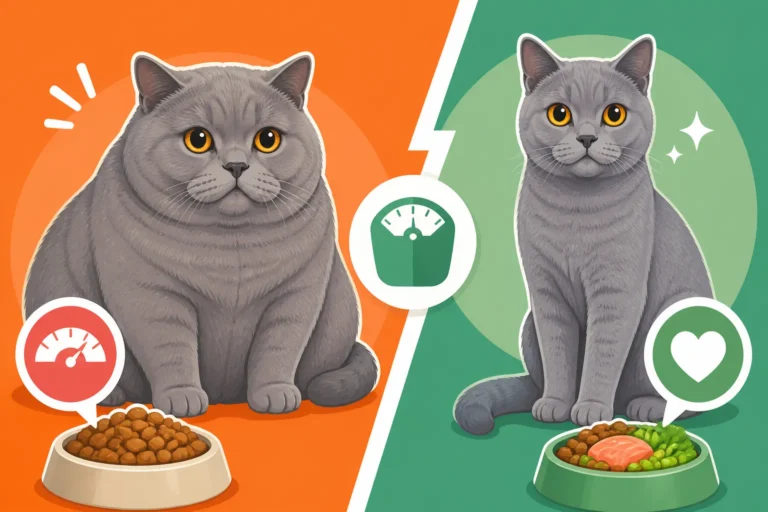
As your British Shorthair ages, their metabolism naturally slows down, and their activity levels tend to decrease. That once-energetic sprint to the food bowl might become a leisurely saunter, and those intense play sessions might be replaced by contented naps. This reduction in activity means they burn fewer calories. If their diet isn't adjusted, this can easily lead to weight gain, which exacerbates joint problems and increases the risk of other health issues like diabetes. However, it's a delicate balance; while many senior cats need fewer calories, some older cats, particularly those with certain medical conditions like hyperthyroidism or kidney disease, might actually start losing weight and require more nutrient-dense food. It’s crucial to monitor their weight regularly. How Often an Old British Shorthair Needs Weighing can help you establish a routine for this.
The quality of their calories also becomes paramount. Senior cats need highly digestible protein to maintain muscle mass, which naturally declines with age. They also require specific vitamins and minerals to support organ function and a robust immune system. Simply cutting back on their regular adult food might mean they're missing out on vital nutrients. Look for senior-specific formulas that are designed with these changes in mind, often featuring a different balance of fats, proteins, and carbohydrates, along with added supplements like omega-3 fatty acids for joint and cognitive health. Many pet food companies, including popular options on Chewy, offer a dedicated senior line specifically formulated for these evolving needs, making it easier to find the right balance.
The Importance of Hydration and Wet Food
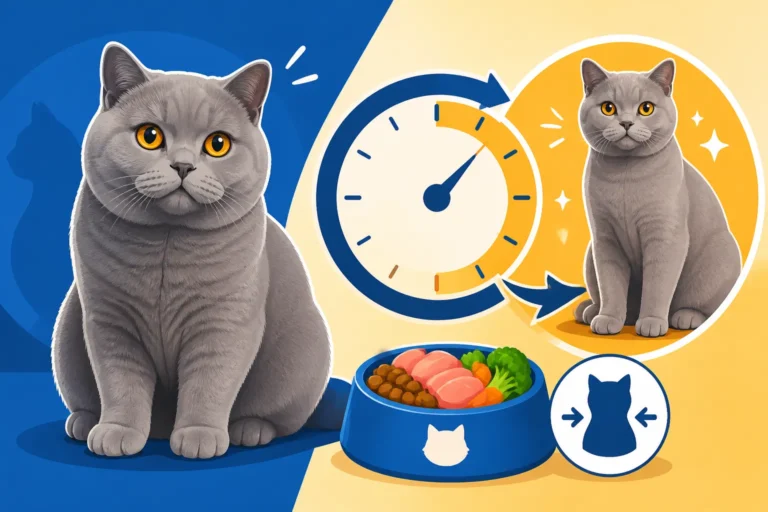
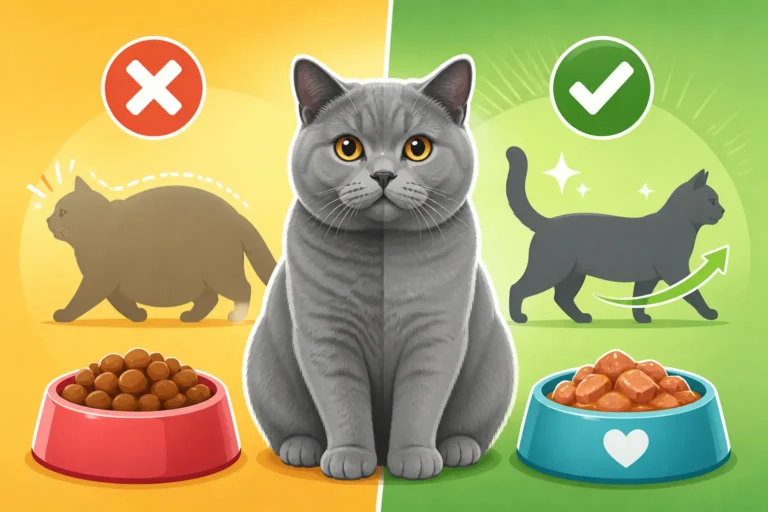
Hydration becomes critically important for older British Shorthairs, especially as kidney function can decline with age. Many senior cats are also prone to constipation. Dry kibble, while convenient, often doesn't provide enough moisture. This is why transitioning to a diet that includes a significant portion of wet food, or even exclusively wet food, is often highly recommended. Wet food has a much higher moisture content, helping to keep their kidneys flushed, prevent urinary issues, and ease digestion. Whether an Aging British Shorthair Needs Softer Food touches on the benefits of this transition.
Beyond just the moisture, wet food can also be more palatable for older cats who might be experiencing a diminished sense of smell or taste, or who have dental issues that make chewing hard kibble uncomfortable. If your British Shorthair has been a lifelong kibble eater, the transition needs to be gradual. Start by mixing a small amount of wet food with their dry kibble, slowly increasing the proportion over several days or weeks. You can also add water or a low-sodium broth to their dry food to boost hydration.
Addressing Digestive Sensitivities
As cats age, their digestive systems can become more sensitive, leading to issues like constipation, diarrhea, or decreased nutrient absorption. A diet rich in easily digestible ingredients is key. This means foods with high-quality protein sources that are gentle on their system, and often a moderate fiber content to support healthy bowel movements. Probiotics can also be a game-changer for senior cats, helping to maintain a healthy gut microbiome and improve digestion. Many senior cat foods incorporate these pre- and probiotics.
Some older British Shorthairs might develop food sensitivities they didn't have when younger. If you notice persistent digestive upset, it's worth discussing an elimination diet or a novel protein diet with your veterinarian. They might recommend specific prescription diets or supplements. Remember, consistency in feeding times and food type can also help stabilize a sensitive digestive system. Sudden changes can often trigger upset. Providing small, frequent meals throughout the day can also be easier on their aging digestive tract than one or two large meals.
Managing Mobility and Comfort
One of the most visible changes in an older British Shorthair is a reduction in their mobility. Those graceful leaps and playful pounces often become more hesitant, and you might notice a stiffness that wasn't there before. Addressing these changes proactively is crucial for their quality of life.
Supporting Aching Joints and Arthritis
Arthritis is incredibly common in senior cats, though they are experts at hiding their pain. You might not see overt limping, but rather a reluctance to jump, a slower gait, difficulty using the litter box, or less interest in play. Their plush coat can hide a multitude of sins, making it hard to see muscle wasting or bony protrusions that would be obvious in other breeds. Arthritis in an Older British Shorthair provides an in-depth look at this condition. Supplements containing glucosamine, chondroitin, and omega-3 fatty acids can be very beneficial in supporting joint health and reducing inflammation. Your veterinarian can recommend appropriate dosages and formulations.
Beyond supplements, pain management is vital. There are various safe medications available for feline arthritis, including NSAIDs (Non-Steroidal Anti-Inflammatory Drugs) designed for cats, and other medications that can help manage chronic pain. Discussing these options with your vet is essential, as human pain relievers are toxic to cats. Creating warm, comfortable sleeping spots, perhaps with orthopedic beds that cushion their joints, can also make a huge difference. Heated beds, easily found on Amazon, can be a godsend for easing stiff muscles, providing soothing warmth that encourages relaxation and reduces discomfort.
Adapting Their Environment for Easier Access
Your home, which once presented no challenge, can become a series of difficult obstacles for a British Shorthair with aching joints. Consider their daily routine and identify areas where they might struggle. Do they still jump onto the bed or their favorite window perch? If not, providing ramps or sturdy pet stairs can offer an easy alternative, allowing them to continue enjoying their preferred spots without pain or strain. Similarly, ensure their food and water bowls are easily accessible, perhaps elevated slightly to reduce strain on their neck and back if they have arthritis.
Litter box accessibility is another critical area. A high-sided litter box that was perfectly fine when they were younger can become a painful barrier for an arthritic cat. Look for low-sided litter boxes or consider cutting an entry point in an existing plastic box. Make sure the litter box is in an easily reachable, quiet location, and consider adding more boxes if your home is large or has multiple levels, so they don't have to travel far when nature calls. A soft, non-slip mat around the litter box can also help them feel more secure when stepping in and out.
Maintaining Grooming and Hygiene
The luxurious, dense coat of a British Shorthair is one of their most defining features, but as they age, maintaining its pristine condition can become a challenge for them and for you. Their once meticulous self-grooming might decline, leading to mats, skin issues, and a generally unkempt appearance.
The Challenges of a Less Agile Cat
An older British Shorthair might find it difficult to twist and turn to reach all parts of their body, particularly their back and hindquarters. This can lead to matting, especially in areas like behind the ears, armpits, and around their tail. These mats aren't just unsightly; they can pull on the skin, cause discomfort, and even lead to skin infections if left untended. What Changes in an Aging British Shorthair's Coat highlights these shifts. Regular, gentle grooming sessions become even more important now.
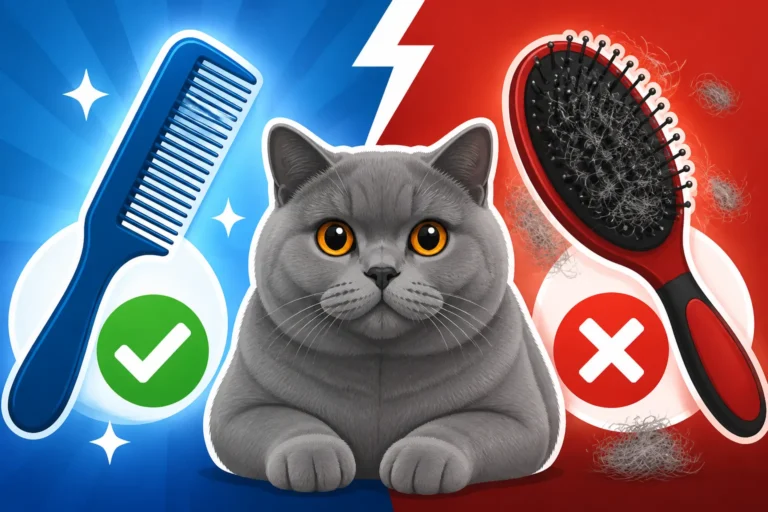
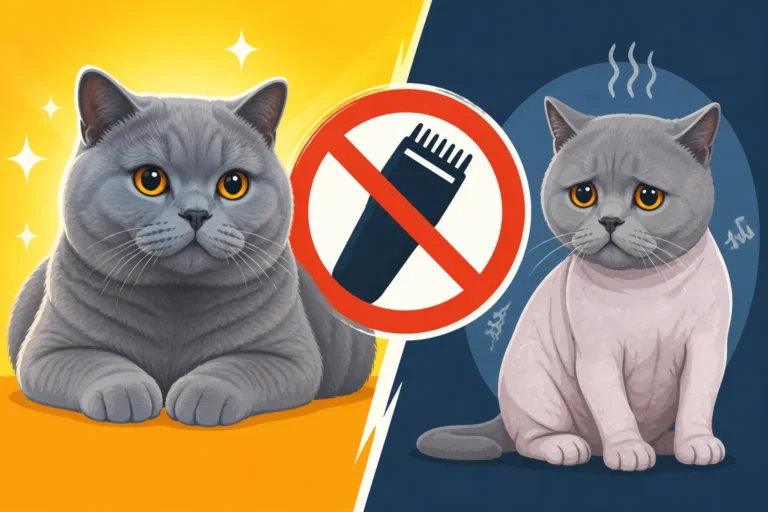
Invest in a good quality metal comb with both fine and wide teeth, which is often more effective than a brush for penetrating their dense double coat without damaging the guard hairs. Short, frequent combing sessions (10-15 minutes a few times a week) are usually better tolerated than one long, arduous session. If they are particularly resistant or have severe matting, a professional groomer experienced with senior cats might be a good option. They can often de-mat or even give a gentle sanitary trim without causing undue stress. Always be gentle and observant of their comfort levels, stopping if they show signs of pain or anxiety.
Dental Care as a Priority
Dental health is often overlooked in cats but is incredibly important, especially in seniors. By the time a British Shorthair reaches its golden years, many will have some degree of dental disease, ranging from gingivitis to more severe periodontitis, which can cause significant pain, difficulty eating, and even lead to systemic health problems. Gingivitis in a British Shorthair can become a chronic issue if not addressed. The bacteria from dental disease can travel through the bloodstream, affecting vital organs like the heart and kidneys.
Regular professional dental cleanings under anesthesia are the gold standard for senior cats. While the thought of anesthesia for an older cat can be daunting, modern veterinary medicine has made it much safer, especially with thorough pre-anesthetic blood work and monitoring. Your vet can assess your cat's overall health to determine if they are a good candidate. At home, you can support their dental health with daily tooth brushing if your cat tolerates it (starting young helps!), dental treats, or water additives, but these are generally supportive measures, not replacements for professional cleanings. Signs of dental pain include bad breath, drooling, difficulty eating, or pawing at their mouth.
Proactive Veterinary Care and Health Monitoring
As our British Shorthairs enter their senior years, regular veterinary check-ups transition from a yearly routine to a critical component of preventative and early-detection care. These visits become invaluable opportunities to catch potential health issues before they become serious problems.
The Importance of Regular Senior Check-ups
For senior British Shorthairs, annual vet visits are often not enough. Many veterinarians recommend check-ups every six months, or even more frequently for cats with pre-existing conditions. These visits aren't just for vaccinations; they are comprehensive health assessments tailored to the unique needs of an aging feline. During these appointments, your vet will perform a thorough physical examination, checking their weight, muscle condition, coat quality, eyes, ears, and teeth. They will also gently palpate their abdomen to check for any abnormalities.
Crucially, these visits will also include diagnostic tests, such as blood work and urinalysis. Blood tests can help detect early signs of common senior ailments like kidney disease, liver issues, diabetes, and hyperthyroidism, often before clinical symptoms become obvious. Hyperthyroidism in an Older British Shorthair is one such condition that can be caught early with routine blood panels. Urinalysis can provide insights into kidney function, hydration levels, and potential urinary tract infections. Early detection allows for prompt intervention, which can significantly slow the progression of many age-related diseases and improve your cat's quality of life and longevity.
Common Health Concerns in Older British Shorthairs
While British Shorthairs are generally a robust breed, certain health issues become more prevalent as they age. Beyond arthritis and dental disease, kidney disease is one of the most common and serious concerns. Symptoms like increased thirst, increased urination, weight loss, and nausea can indicate kidney problems. Early dietary changes and medication can help manage the condition and extend their lifespan. How Long a British Shorthair Lives After an HCM Diagnosis is another example of why proactive screening is important for longevity, though HCM can appear at any age.
Diabetes is another condition to watch for, particularly in British Shorthairs who tend to gain weight easily. Signs include excessive thirst, increased urination, weight loss despite a good appetite, and lethargy. Diabetes in a British Shorthair requires careful management, often involving dietary changes and insulin injections. Similarly, hyperthyroidism, where the thyroid gland produces too much hormone, is common in older cats and can lead to weight loss, increased appetite, hyperactivity, and vomiting. All these conditions, while serious, are often manageable with early diagnosis and a tailored treatment plan, emphasizing the critical role of regular vet visits in their senior care.
| Health Concern | Common Signs | Importance of Early Detection | Management Approaches |
|---|---|---|---|
| Arthritis | Stiffness, reluctance to jump, difficulty grooming, changes in litter box habits | Improves comfort, prevents further joint damage | Pain medication, joint supplements, environmental changes |
| Kidney Disease | Increased thirst/urination, weight loss, vomiting, poor appetite | Slows progression, improves quality of life | Special renal diet, fluid therapy, medications |
| Diabetes | Increased thirst/urination, weight loss (despite eating), lethargy, sweet-smelling breath | Prevents complications like neuropathy and ketoacidosis | Insulin therapy, specific diabetic diet, weight management |
| Hyperthyroidism | Weight loss (despite increased appetite), hyperactivity, vomiting, diarrhea, unkempt coat | Prevents heart and kidney complications, improves well-being | Medication, radioactive iodine therapy, surgical removal |
| Dental Disease | Bad breath, drooling, difficulty eating, pawing at mouth, swollen gums | Prevents pain, infection, systemic health issues | Professional dental cleanings, home dental care |
| Cognitive Decline | Disorientation, changed sleep-wake cycle, increased vocalization, altered interaction | Improves quality of life, manages behavioral changes | Environmental enrichment, supplements, medication, routine |
Mental Enrichment and Emotional Well-being
It's easy to focus solely on the physical aspects of caring for an aging British Shorthair, but their mental and emotional health are just as important. They may not be as outwardly playful or demanding as they once were, but they still need engagement and reassurance.
Gentle Play and Interaction
While your senior British Shorthair might not be chasing laser pointers across the room or scaling cat trees with the same gusto, they still benefit from gentle interaction and play. Think about adapting their playtime to their physical capabilities. Instead of fast, acrobatic games, opt for slower, more predictable movements with wand toys that don't require high jumps or sudden twists. Puzzle feeders are excellent for stimulating their minds while also controlling their food intake, turning mealtime into a fun, engaging challenge. Even a few minutes of gentle play a couple of times a day can help keep their minds sharp, maintain some muscle tone, and strengthen your bond.
It's also about understanding their preferences. Some older British Shorthairs might prefer quiet petting sessions, gentle chin rubs, or simply sitting beside you. Pay attention to how they respond and respect their boundaries. Don't force interaction if they're not in the mood. Creating a stimulating environment with comfortable window perches (perhaps with a ramp for easy access), soft beds in sunny spots, and a variety of textures to explore can provide mental enrichment without requiring strenuous physical activity. Even something as simple as a new cardboard box can bring a surprising amount of joy and curiosity to an older cat.
Maintaining Routine and Security
Cats, especially British Shorthairs, are creatures of habit and thrive on predictability. As they age, this need for routine often becomes even more pronounced. A consistent daily schedule for feeding, playtime, and quiet cuddle time can provide a sense of security and reduce anxiety. Sudden changes in their environment, such as moving furniture, introducing new pets, or even altering your own schedule significantly, can be particularly stressful for a senior cat.
If changes are unavoidable, introduce them gradually and provide extra reassurance. For instance, if you're bringing a new piece of furniture into the home, let them explore it at their own pace. If you're going to be away, ensure they have a trusted sitter who understands their routine and personality. Maintaining familiar scents, sounds, and locations can help them feel safe and grounded. A secure, quiet retreat where they can escape when feeling overwhelmed or simply want to nap undisturbed is also essential. This might be a soft bed in a less trafficked room or a cozy cat cave. They rely on you for comfort and consistency, and providing that stability is a huge part of their emotional well-being.
Recognizing When It's Time for Difficult Decisions
This is perhaps the hardest part of caring for an old British Shorthair, but it's an essential conversation to have with yourself, your family, and your veterinarian. As much as we wish our beloved companions could live forever, there comes a point where their quality of life might significantly decline, and difficult decisions may need to be made.
Quality of Life Assessment
Assessing your senior British Shorthair's quality of life involves objective observation and honest reflection. It's about looking beyond your love for them and evaluating their daily experiences. Are they still able to perform basic functions comfortably, such as eating, drinking, eliminating, and moving around? Do they still show interest in their environment, in you, or in any form of gentle play? Are they experiencing chronic pain that can no longer be adequately managed by medication? How a British Shorthair Hides Pain makes this assessment especially challenging, as they will often mask their suffering until it is severe.
A helpful tool is often called a "quality of life scale" or checklist, which your vet might provide. It typically covers aspects like pain levels, appetite, hydration, hygiene, happiness/interaction, and mobility. You can rate these aspects on a scale, perhaps daily or weekly, to track changes over time. It's natural to have good days and bad days, but if the bad days consistently outweigh the good, and their overall trend is downwards despite intervention, it's a sign that their quality of life is severely compromised. This isn't a judgment, but a compassionate evaluation of their current reality.
Seeking Professional Guidance
When you reach this point, open and honest communication with your veterinarian is paramount. They are your best resource for understanding your British Shorthair's medical condition, discussing prognosis, and exploring all available options. They can help you understand what "comfortable" truly means in the context of their specific health issues and can offer guidance without judgment. This conversation might involve palliative care strategies to maximize comfort for as long as possible, or it might involve discussing humane euthanasia.
This decision is deeply personal and one of the most agonizing an pet owner faces. There is no "right" answer, only the most loving one for your individual cat. Your vet can help you understand what to expect, both medically and emotionally, and support you through the process. Remember, making the decision to end suffering is the ultimate act of love for an animal that has brought so much joy into your life. It means putting their well-being and peace above your own grief, ensuring their final moments are free from pain and fear, surrounded by your unwavering love.
Disclaimer
This article is for general informational purposes only and does not constitute professional advice. Laws, prices and regulations vary by location and change over time. Consult a qualified professional for guidance on your specific situation.