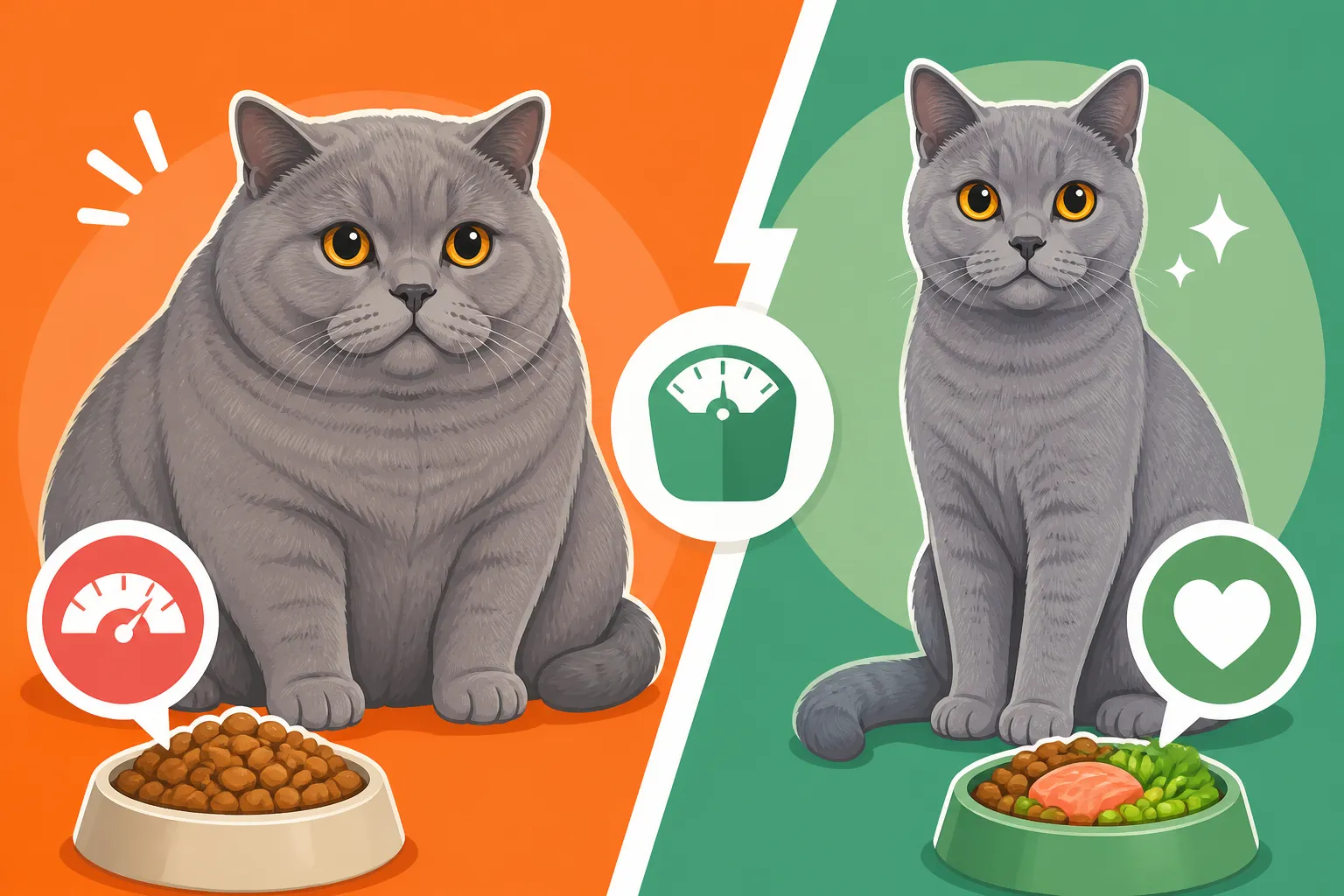
When a British Shorthair Needs a Weight Control Food
It's incredibly easy to look at your plush, round British Shorthair and think, "Well, they're just naturally chunky, aren't they?" We adore their teddy bear looks, but sometimes that adorable heft can hide a serious health concern: excess weight. It's a common struggle for many British Shorthair owners, navigating the line between a healthy, cobby build and genuine obesity. This guide is here to help you recognize the subtle and not-so-subtle signs that your beloved feline might benefit from a weight control food, ensuring they live a long, happy, and healthy life.
Recognizing the Signs Your British Shorthair Needs a Weight Control Food
It’s true that British Shorthairs are built differently from many other breeds. They’re known for their powerful, cobby bodies, broad chests, and short, strong legs. This naturally robust physique, coupled with their incredibly dense, plush coats, can make it genuinely tricky to tell if your cat is simply well-built or if they've put on a few too many pounds. Many owners fall into the trap of assuming their cat's roundness is just "breed typical," and while a certain amount of sturdy build is normal, outright fat isn't.
The Illusion of the "Chunky" British Shorthair Body Type
When you look at a British Shorthair, the first thing you notice is often their impressive substance. They are solid cats, not sleek and lithe like a Siamese or an Abyssinian. Their short, thick coat also stands away from their body, creating an optical illusion that can make them appear larger and more spherical than they actually are. This unique coat structure means that simply looking at them often isn't enough to assess their true body condition. You might think they're perfectly fine, a picture of British Shorthair perfection, when in reality, underneath all that lovely fur, they could be carrying extra padding that poses a health risk.
This breed’s standard calls for a "cobby" body, which means stocky and compact. However, this term is frequently misinterpreted to mean "fat." A cobby cat should still have a discernible waist, even if subtle, and you should be able to feel their ribs without pressing too hard. If your British Shorthair feels like a furry brick and has no real shape underneath their coat, they’re likely beyond cobby and into overweight territory. It’s a fine line to walk, and often a difficult truth for owners to acknowledge, but it's crucial for their long-term health.
Practical Ways to Assess Your Cat's Body Condition
Fortunately, there are reliable methods to assess your British Shorthair's body condition beyond just a visual glance. The most effective way is through a combination of touch and observation, often referred to as Body Condition Scoring (BCS). This method helps you feel for the underlying structure of your cat's body, which is what really matters, rather than being fooled by their plush exterior. It's a skill that takes a little practice but is invaluable for monitoring your cat's health.
Start by gently running your hands along their sides. You should be able to feel their ribs without applying much pressure, almost like feeling the knuckles on your hand. If you have to press firmly to detect them, or if you can't feel them at all, that's a red flag. Next, feel along their spine and hip bones; these should also be palpable. Finally, look at your cat from above: do they have an hourglass figure, or do they look more like a furry loaf with no indentation at the waist? A visible "paunch" or prominent belly that sways when they walk, even if it’s just the primordial pouch, can also be a sign of excess weight if it feels fatty rather than loose skin. Regular weighing is also indispensable for tracking changes; a small kitchen scale for kittens or a human scale (weigh yourself, then weigh yourself holding your cat, and subtract the difference) can provide accurate numbers. For more details on this, check out How to Weigh a British Shorthair at Home.
Signs Your British Shorthair Is Experiencing Weight-Related Discomfort
Beyond the visual and tactile assessment, your British Shorthair might start exhibiting behavioral or physical changes that clearly indicate their weight is becoming a problem. These signs are often subtle at first because cats are masters at hiding discomfort, but they become more pronounced as the weight increases and starts to impact their quality of life. Paying close attention to these cues can help you intervene before more serious health issues develop.
One of the most common signs is reduced activity. While British Shorthairs are generally calm and sedate, an overweight cat will become even less inclined to play or move. They might struggle to jump onto furniture they once easily accessed, or avoid playing with toys altogether, preferring to nap in their favorite spot. You might notice them having difficulty grooming themselves, especially their back and hindquarters. This can lead to a dull, unkempt coat and even skin issues, as they simply can't reach certain areas. You might even observe changes in their breathing, particularly after light exertion; they might seem to pant or breathe heavily more easily. These are all critical indicators that their weight is impacting their mobility and overall comfort, and that it's time to consider a change.
Understanding Why British Shorthairs Gain Weight So Easily
It’s not just about what you feed them; several factors inherent to the British Shorthair breed and typical cat-owning practices contribute to their propensity for weight gain. Owners often feel frustrated, thinking they're doing everything right, only to see their beloved companion slowly but surely expand. Understanding these underlying reasons can empower you to make more informed decisions about their care and prevent excess weight from accumulating in the first place.
Breed Predisposition to Sedentary Lifestyles
One of the biggest factors contributing to weight gain in British Shorthairs is their famously relaxed and calm demeanor. Unlike some more active breeds, a British Shorthair isn't typically found scaling curtains or tearing through the house in mad dashes. They are known for their placid, independent nature, preferring to observe the world from a comfortable perch rather than engage in vigorous exercise. This low-energy lifestyle means their caloric needs are inherently lower than those of a more active cat. You might find your British Shorthair spends a good portion of the day napping or lounging, which, while endearing, doesn't burn many calories.
This natural inclination towards a sedentary life makes them highly susceptible to gaining weight if their food intake isn't carefully matched to their activity level. Many owners unknowingly feed their British Shorthair the same amount of food as they might a more energetic cat, leading to a caloric surplus that quickly turns into extra pounds. It's a common misconception that all cats require the same amount of food; for a British Shorthair, less active means less food. For more insights into their activity levels, read Why a British Shorthair Will Not Exercise Itself. Their quiet, dignified presence is part of their charm, but it's also a significant factor in managing their weight effectively.
The Impact of Neutering on Metabolism
Neutering or spaying your British Shorthair is a crucial part of responsible pet ownership, preventing unwanted litters and offering significant health and behavioral benefits. However, it also has a profound impact on your cat's metabolism that can directly lead to weight gain if not managed correctly. After neutering, a cat's hormonal balance shifts dramatically, which typically results in a decrease in their metabolic rate. This means they burn fewer calories at rest than they did before the procedure.
Compounding this metabolic slowdown is often an increase in appetite post-neutering. Your cat might suddenly seem hungrier, begging for food more often, or finishing their meals with gusto they didn't display before. This combination of a slower metabolism and an increased desire for food creates a perfect storm for weight gain. Many owners continue to feed the same amount of food as before, not realizing their neutered British Shorthair now requires significantly fewer calories to maintain a healthy weight. This is a primary reason why many cats start to put on weight in the months following their surgery. The guide Why a Neutered British Shorthair Gains Faster delves deeper into this common issue.
The Downfalls of Free Feeding
Free feeding, the practice of leaving a bowl of kibble out for your cat to graze on throughout the day, is a convenience for many owners. However, it is arguably one of the biggest culprits behind feline obesity, especially in a breed like the British Shorthair that is already prone to a lower activity level. While some cats can self-regulate their food intake, many cannot, and British Shorthairs are often among those who will happily eat whenever food is available. They aren't always driven by true hunger but by boredom, habit, or simply the presence of food.
When food is always available, it's impossible to monitor exactly how much your cat is eating, or when. This makes it difficult to track their caloric intake and adjust it as needed. For a British Shorthair, who might not be burning many calories anyway, constant access to food almost inevitably leads to overconsumption. They might nibble throughout the day, accumulating calories far beyond their actual needs, which then get stored as fat. This habit, once established, can be hard to break, as cats quickly associate the constant presence of food with comfort and security. To understand why this feeding method is particularly problematic, refer to Why Free Feeding Ruins a British Shorthair.
When to Make the Switch to a Weight Control Diet
Deciding to switch your British Shorthair to a weight control food isn't a decision to be taken lightly, but it's often a necessary and positive step for their long-term health. It's not about depriving them, but about providing the right nutrition to help them achieve and maintain a healthy weight. There are specific triggers and indicators that suggest it's truly time to consider this dietary change.
When Your Vet Recommends It
The most definitive signal that your British Shorthair needs a weight control diet will come from your veterinarian. During routine wellness exams, your vet will perform a thorough physical assessment, including body condition scoring, and weigh your cat. They have an objective eye and professional expertise to accurately determine if your cat is overweight or obese. It's not uncommon for owners to be surprised by their vet's assessment, as we often normalize our cat's weight, especially when they've been gradually gaining over time.
Your vet might also point out early signs of health issues that are commonly linked to excess weight. These can include joint strain, reduced mobility, or even metabolic changes that could lead to conditions like diabetes. They might discuss the risks of your cat developing What Obesity Does to a British Shorthair's Liver or Whether an Overweight British Shorthair Gets Diabetes. A professional recommendation for a weight control diet is based on science and your cat's specific health profile, making it the strongest indicator that a change is needed. They can also guide you on the specific type of food, whether it's a veterinary prescription diet or an over-the-counter option, and help you set realistic weight loss goals.
If Lifestyle Changes Aren't Enough
Before jumping straight to a specialized diet, many owners, guided by their vet, will first attempt to manage their British Shorthair's weight through lifestyle adjustments. These often include strict portion control using their current food, introducing more interactive play sessions, and encouraging greater movement. These steps are foundational for any weight management plan and are often quite effective for cats with only a few pounds to lose. You might start by measuring their existing food carefully and reducing the amount slightly, or by using puzzle feeders to slow down eating and provide mental enrichment.
However, there are times when these initial efforts simply aren't enough to achieve the desired results, or the weight loss plateaus quickly. You might be meticulously measuring food, dedicating time to play, but your British Shorthair just isn't shedding the weight, or perhaps even continues to gain. If you've diligently implemented lifestyle changes for several weeks or months without significant progress, that's a strong indication that a specialized weight control food is necessary. These foods are scientifically formulated to help cats lose weight more effectively than simply reducing portions of regular food. For guidance on initial steps, refer to How to Put a British Shorthair on a Diet.
Types of Weight Control Foods and Where to Find Them
Once the decision has been made to transition to a weight control diet, you'll find a few different categories of food available. The two main types are veterinary prescription diets and over-the-counter weight management formulas. Your vet will typically recommend a prescription diet if your cat needs significant weight loss or has underlying health conditions that require specific nutritional support. These diets are carefully balanced to be lower in calories but higher in fiber and protein, which helps your cat feel full and satisfied while still losing weight. They're designed to maintain muscle mass while shedding fat, which is really important for feline health. These specialized foods can often be purchased directly from your vet's office or through their recommended online pharmacy.
For cats with less severe weight issues, or as a maintenance diet after weight loss, over-the-counter weight management foods can be a good option. These are typically available at major pet supply retailers or online platforms. Brands like Royal Canin, Hill's Science Diet, and Purina Pro Plan all offer weight control formulas that are widely available on platforms like Chewy and Amazon. These often work by increasing fiber content to promote satiety and reducing fat. You might also explore fresh, human-grade food. While not specifically a “weight control” formula in the traditional sense, a carefully portioned fresh food diet can be very effective for weight management because of its controlled ingredients and often lower carbohydrate content, provided you work with your vet to ensure it's balanced for weight loss. Always compare ingredients and nutritional analysis, and discuss any choice with your vet, especially if your cat has sensitivities or other health concerns.
| Feature | Prescription Weight Control Diet | Over-the-Counter Weight Management Food | Fresh Food |
|---|---|---|---|
| Availability | Vet clinics, vet-affiliated online pharmacies | Pet stores, online retailers (e.g., Chewy, Amazon) | Direct from provider |
| Formulation | Clinically tested for weight loss, high fiber/protein, specific calorie count | Lower calorie/fat, higher fiber | Whole ingredients, carefully portioned, can be lower carb |
| Vet Involvement | Highly recommended, often required | Recommended for guidance | Recommended for guidance and balancing |
| Primary Use | Significant weight loss, health conditions | Mild-moderate weight control, maintenance | Tailored nutrition, potential for weight management with vet oversight |
| Typical Cost | Generally higher | Moderate | Can be higher due to fresh ingredients |
Implementing and Monitoring a Weight Control Food Plan
Once you've chosen a weight control food, the journey isn't over – it's just beginning! Successfully helping your British Shorthair shed those extra pounds requires consistent effort, patience, and careful monitoring. It’s a marathon, not a sprint, and small, steady changes are far more effective and safer than drastic ones. Your goal is to create sustainable habits that will keep your cat healthy for years to come.
The Gradual Transition and Portion Control
Switching your British Shorthair to a new food, especially a weight control formula, needs to be a gradual process. Suddenly changing their diet can lead to digestive upset, including vomiting or diarrhea, which is uncomfortable for your cat and distressing for you. Over 7-10 days, slowly mix increasing amounts of the new food with decreasing amounts of the old food. Start with 75% old food and 25% new for a couple of days, then move to 50/50, and so on, until they are fully on the new diet. This allows their digestive system to adjust smoothly.
Portion control is absolutely paramount with weight control food. Even a diet food can cause weight gain if overfed. Use a precise measuring cup or, even better, a digital kitchen scale to weigh out the exact amount recommended by your vet or the food packaging. Remember, recommendations are often based on your cat's ideal weight, not their current weight, so clarify this with your vet. Divide their daily allowance into two or three smaller meals rather than one large one. This can help manage hunger and keep their metabolism gently ticking over throughout the day. For more on meal planning, see How Much Food a British Shorthair Should Get Per Meal. Resist the urge to give in to pleading meows or extra treats – consistency is key!
Regular Weigh-Ins and Adjustments
Weight loss for cats should be slow and steady to be healthy. A safe rate of weight loss is generally 1-2% of their body weight per week. Rapid weight loss can lead to serious health issues, such as hepatic lipidosis (fatty liver disease), which can be life-threatening. This means regular monitoring is crucial. Weigh your British Shorthair weekly or bi-weekly at home using the same method each time to ensure accuracy. Log their weight so you can track progress over time. If you notice they are losing weight too quickly, or not losing at all, consult your vet.
Based on their progress, your vet might recommend minor adjustments to the food portion. For example, if they're not losing weight, a slight reduction in their daily allowance might be needed. If they're losing too fast, a small increase could be appropriate. This fine-tuning is normal and part of finding the sweet spot for your individual cat. Remember that the journey might take time. A significant weight loss goal, say 5 pounds, could take several months to a year to achieve safely. Be patient, stay consistent, and celebrate small victories. You can learn more about the timeline for safe weight loss in How Many Weeks a British Shorthair Diet Should Take.
Beyond the Bowl: Activity and Enrichment
While a weight control diet is the cornerstone of a successful weight loss program, it's rarely effective on its own, especially for a naturally sedate breed like the British Shorthair. Incorporating increased activity and mental enrichment into their daily routine is vital. This doesn't mean forcing them into vigorous exercise they're not built for, but rather encouraging gentle movement and engagement. Think about short, interactive play sessions with wand toys that mimic prey, encouraging them to chase and pounce. Even 10-15 minutes, two or three times a day, can make a difference.
Puzzle feeders are excellent tools for British Shorthairs. They make your cat "work" for their food, slowing down consumption and providing mental stimulation. This turns mealtime into an activity rather than just a passive eating event. You can also explore vertical space with sturdy cat trees or shelves, encouraging them to climb (if they're able to without pain) and explore. Even simple things like moving their food bowl to a different location or encouraging them to follow you from room to room can add small bursts of activity throughout the day. The goal is to make movement enjoyable, not a chore. For ideas on getting your British Shorthair moving, check out How to Get a British Shorthair to Move and How Much Play Keeps a British Shorthair Slim.
Disclaimer
This article is for general informational purposes only and does not constitute professional advice. Laws, prices and regulations vary by location and change over time. Consult a qualified professional for guidance on your specific situation.