Whether an Overweight British Shorthair Gets Diabetes
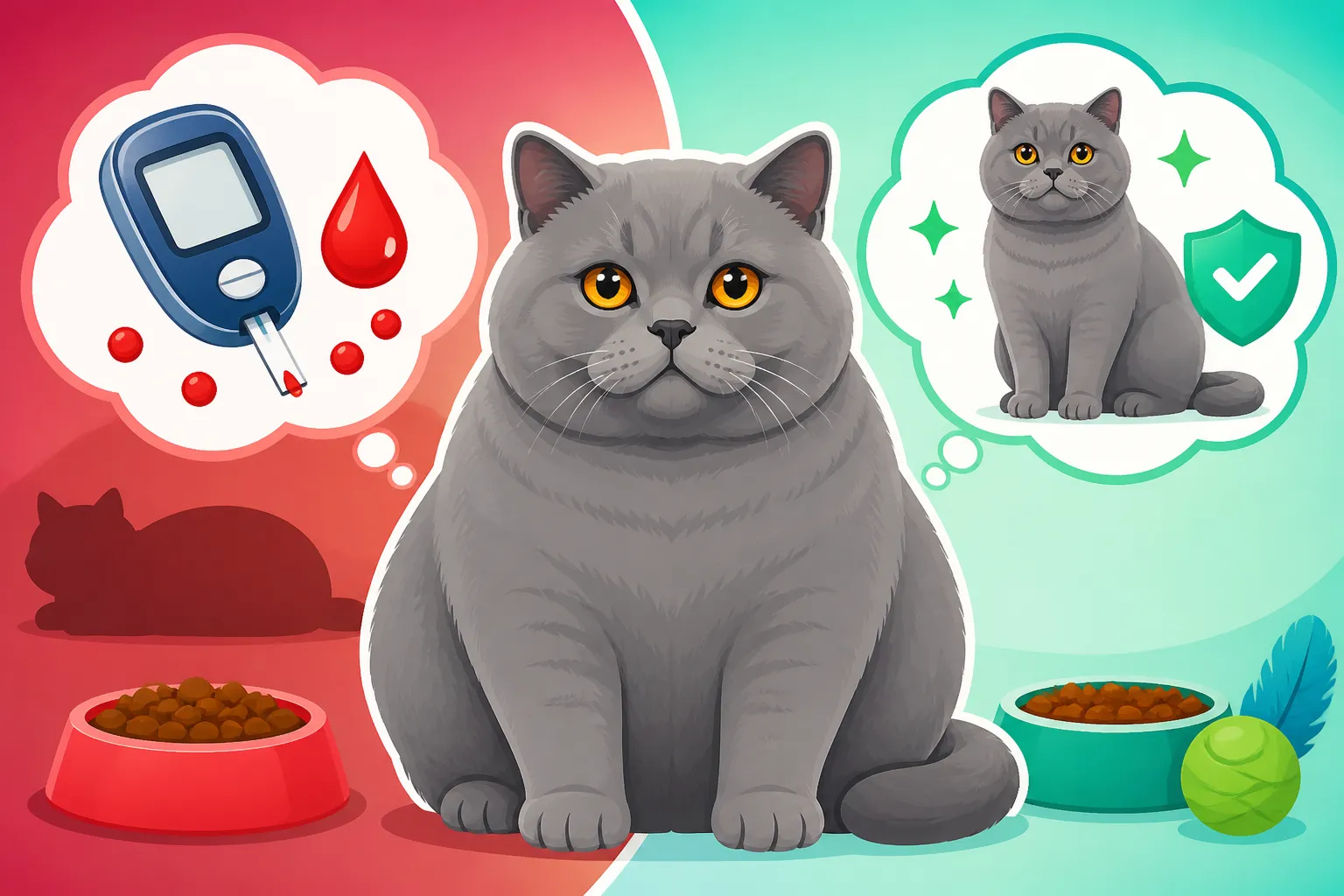
It's a disheartening truth for many British Shorthair owners: these wonderfully placid, teddy-bear-like cats are predisposed to putting on weight. This isn't just about them looking a bit chunkier; it poses a serious health risk, particularly when it comes to developing feline diabetes. This guide will delve into why your beloved British Shorthair is susceptible to this condition, the signs to look out for, and crucially, how you can prevent and manage it, ensuring your furry companion enjoys a long, healthy life.
The Unfortunate Link: Obesity and Diabetes in British Shorthairs
It’s a common misconception that a fat cat is a happy cat. While that extra 'fluff' might look adorable on your British Shorthair, it's often a precursor to more serious health issues, with diabetes mellitus being a prime concern. Understanding why this breed faces a particular challenge can help you stay ahead of potential problems.
Why British Shorthairs are Prone to Weight Gain
Let's be honest, British Shorthairs are not known for their Olympic athleticism. They are the epitome of a calm, collected, and often sedentary companion. This naturally laid-back temperament means they burn fewer calories than their more energetic feline cousins. Add to this their strong food drive – many British Shorthairs would happily graze all day if given the chance – and you have a recipe for easy weight gain. Their magnificent, dense, plush coats, while beautiful, also do an excellent job of disguising those extra pounds. It can be incredibly hard to tell How to Tell a Chunky British Shorthair From a Fat One just by looking, making it easy for owners to underestimate their cat's true body condition. Many owners marvel at Why a British Shorthair Is Built to Look Heavy, but this sturdy build can mask excess fat, making it difficult to spot early obesity.
Their love for napping in sunbeams or quietly observing the world from a comfortable perch means they expend very little energy. This reduced activity level, combined with an owner's natural inclination to show love through treats or readily available food, creates a perfect storm for creeping weight gain. Before you know it, your solid British Shorthair has crossed the line into being genuinely overweight, significantly increasing their risk for various health complications, including joint problems and hepatic lipidosis, or What Obesity Does to a British Shorthair's Liver.
How Excess Weight Leads to Insulin Resistance
The connection between obesity and diabetes in cats, particularly Type 2 diabetes, is well-established and mirrors the progression seen in humans. When a cat carries too much body fat, these fat cells aren't just inert storage units; they are metabolically active. They release inflammatory hormones and other signaling molecules that interfere with the body's ability to respond to insulin, a hormone produced by the pancreas. Insulin's job is to transport glucose (sugar) from the bloodstream into the body's cells, where it's used for energy.
When cells become resistant to insulin, glucose can't enter them efficiently. This means blood sugar levels remain high. In an attempt to compensate, the pancreas goes into overdrive, producing even more insulin to try and bring those glucose levels down. Over time, this constant overwork can exhaust the insulin-producing cells in the pancreas (beta cells), leading to their damage or death. Once the pancreas can no longer produce sufficient insulin to overcome the resistance, or simply gives up, diabetes mellitus develops. It's a progressive disease, and weight plays a critical role in accelerating its onset and severity.
The Specific Risks for British Shorthairs
While any cat can develop diabetes, the British Shorthair's combination of genetic predisposition to a robust body type and their characteristically calm, less active nature puts them at a higher risk. They're often naturally content with a more sedentary lifestyle, meaning owners have to be particularly diligent about encouraging play and monitoring food intake. It's not uncommon for them to become creatures of habit, content with their routine, which might involve more napping than pouncing. This combination means that what might be a reasonable diet for an active Bengal or Siamese could be far too much for a British Shorthair, leading to weight gain at a faster rate.
Their deep, plush fur can also make it harder for owners to accurately assess their body condition. You might think your cat is just "big-boned," when in reality, they're carrying unhealthy levels of fat. This misjudgment can delay intervention, allowing obesity to become more entrenched and the risk of insulin resistance to climb. Therefore, for British Shorthair owners, proactive weight management isn't just a recommendation; it's a fundamental part of responsible care.
Recognizing the Signs: Is Your British Shorthair Developing Diabetes?
One of the most frustrating things about cat health is how subtly they can hide illness. Cats are masters of disguise, and often, by the time obvious symptoms appear, a condition might be quite advanced. This is especially true with diabetes, so knowing what to look for, even the faintest whispers of change, is paramount.
Early Warning Signals to Watch For
Catching diabetes early can make a huge difference in managing the disease and even achieving remission. The classic "big three" symptoms are increased thirst, increased urination, and increased appetite despite weight loss.
- Increased Thirst (Polydipsia): You might notice your British Shorthair spending more time at the water bowl, or perhaps even trying to drink from unusual places like dripping faucets. High blood sugar levels overwhelm the kidneys, which then try to flush out the excess sugar through urine, leading to dehydration and increased thirst.
- Increased Urination (Polyuria): This goes hand-in-hand with increased thirst. If your cat is drinking more, they'll be urinating more. You might find a significantly wetter litter box, more frequent trips to the box, or even accidents outside the box. This is a crucial sign, as the sugar-laden urine is a breeding ground for bacteria, leading to urinary tract infections (UTIs).
- Increased Appetite (Polyphagia) with Weight Loss: This can seem counterintuitive, but it's a tell-tale sign. Despite eating more, your cat's body can't effectively use the glucose for energy because of insufficient insulin. The cells are effectively "starving," sending signals to the brain that the cat needs more food, even as it starts breaking down its own fat and muscle for energy, leading to weight loss. Don't be fooled if your cat seems ravenous; it could be a warning.
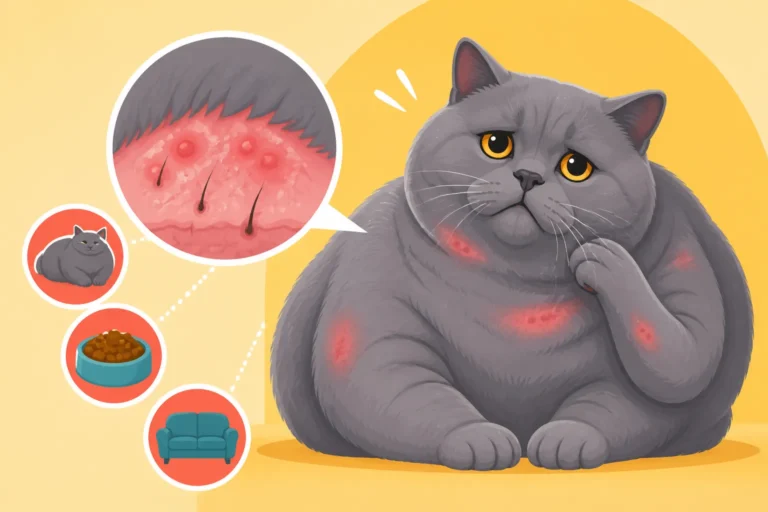
Other, more subtle signs can include lethargy or a noticeable decrease in their already calm activity level. Their coat might appear dull or unkempt, as they may stop grooming themselves properly, especially if they are Why an Overweight British Shorthair Cannot Groom Its Back and can't reach certain areas. You might also notice a general weakness or even changes in their gait.
When to Consult Your Veterinarian
If you observe any of these changes in your British Shorthair, even if they seem minor, it's absolutely critical to schedule a vet visit without delay. Early diagnosis offers the best chance for successful management and a good quality of life. Don't wait until your cat is visibly unwell; a proactive approach is always best.
When you bring your cat to the vet with suspected diabetes, they'll perform a thorough physical examination. This will likely involve checking their weight, palpating their abdomen, and assessing their overall body condition. The vet will typically recommend diagnostic tests, which usually include:
- Urinalysis: A urine sample can reveal the presence of glucose (sugar) and ketones, both strong indicators of diabetes. It can also detect a urinary tract infection, which often accompanies diabetes.
- Blood Work: This is crucial. A blood test will measure your cat's blood glucose levels. High fasting blood glucose is a key diagnostic criterion. Additionally, a fructosamine test is often used. Fructosamine provides an average blood glucose level over the past two to three weeks, which is incredibly helpful as a cat's blood sugar can spike due to stress ("stress hyperglycemia") during a vet visit, potentially giving a false high reading on a single glucose test. The Signs a British Shorthair Is Diabetic are often confirmed through these comprehensive tests.
It's important to provide your vet with as much information as possible about your cat's eating habits, thirst levels, urination frequency, and any behavioral changes you've noticed. This complete picture helps your vet make an accurate diagnosis and formulate the best treatment plan.
| Symptom Category | Early/Mild Diabetes Signs | Advanced/Severe Diabetes Signs | Action Required |
|---|---|---|---|
| Thirst | Increased drinking, more frequent visits to water bowl. | Persistent, excessive thirst, even after drinking large amounts. | Immediate vet visit for diagnosis. |
| Urination | Increased volume of urine in litter box, more frequent trips. | Urinating outside the litter box, very large clumps in box. | Immediate vet visit for diagnosis. |
| Appetite | Increased hunger, asking for food more often, potentially still gaining weight if early. | Voracious appetite, but accompanied by clear weight loss. | Immediate vet visit for diagnosis. |
| Weight | Gradual weight gain (due to obesity causing diabetes). | Unexplained weight loss despite eating more. | Immediate vet visit for diagnosis. |
| Energy/Grooming | Slightly less active, possibly a duller coat. | Pronounced lethargy, weakness, unkempt coat, poor grooming, hind leg weakness. | Emergency vet visit (especially with severe lethargy/weakness). |
| Other | Vomiting, dehydration, sweet-smelling breath (diabetic ketoacidosis). | Emergency veterinary care immediately! |
Taking Action: Preventing and Managing Diabetes in British Shorthairs
If you've just received a diabetes diagnosis for your British Shorthair, it can feel overwhelming. But take a deep breath. With commitment and consistency, diabetes is a manageable condition. Even better, you can take steps now to prevent it from ever developing. The key lies in proactive management of their diet and activity levels.
Dietary Changes for Prevention and Control
Diet is undeniably the cornerstone of both preventing and managing feline diabetes. For a breed like the British Shorthair, who truly loves their food and Why Free Feeding Ruins a British Shorthair, portion control isn't just helpful, it's absolutely essential.
- High-Protein, Low-Carb Diet: Cats are obligate carnivores, meaning their bodies are designed to process animal-based protein and fat, not carbohydrates. Many commercial dry foods are packed with carbs, which can wreak havoc on a cat's blood sugar levels. Switching to a high-protein, low-carbohydrate, and moderate-fat diet is often recommended for diabetic cats and those at risk. This usually means a switch to canned wet food, as it naturally has higher protein and lower carbohydrate content than most dry kibbles.
- Strict Portion Control: This cannot be stressed enough. Don't free-feed your British Shorthair. Measure out their food precisely according to your veterinarian's recommendations. Factors like age, activity level, and current weight will determine How Many Calories a British Shorthair Needs. Divide their daily caloric intake into two or three smaller meals throughout the day. This consistent feeding schedule helps regulate blood sugar levels. Many people find timed feeders helpful, especially if they have a busy schedule.
- Vet-Prescribed Diets: For cats already diagnosed with diabetes, your vet might recommend specific prescription diets formulated to help manage blood glucose. Brands like Purina Pro Plan Veterinary Diets DM (Diabetes Management) or Royal Canin Veterinary Diet Glycobalance are often prescribed. These foods are designed to be high in protein and very low in carbohydrates, which can significantly reduce the amount of insulin a diabetic cat needs, and in some cases, even lead to remission.
Remember, any dietary change should be done gradually and under veterinary supervision to avoid upsetting your cat's digestion or glucose levels.
Encouraging Activity and Exercise
It's a familiar scenario for many British Shorthair owners: you dangle a toy, and they respond with a slow blink, a yawn, and maybe a stretch before settling back into their nap. Why a British Shorthair Will Not Exercise Itself is a common frustration. Their naturally calm disposition means you'll have to be the primary motivator for play and exercise.
- Short, Frequent Play Sessions: Instead of expecting a long, strenuous play session, aim for multiple short bursts of activity throughout the day. Even 5-10 minutes, two or three times a day, can make a difference. Use wand toys, feather teasers, or even laser pointers (though be sure to end laser sessions with a physical toy they can "catch" to prevent frustration).
- Interactive Toys and Puzzle Feeders: These can stimulate their minds and encourage movement. A puzzle feeder, for instance, requires your cat to work for their food, slowing down eating and adding a bit of mental and physical exercise. Place toys in different locations, encouraging them to get up and explore.
- Vertical Space: British Shorthairs might not be avid climbers, but providing sturdy cat trees and shelves can offer opportunities for gentle jumps and stretches. Just make sure they are robust enough to support their heavier build. If your British Shorthair is particularly rotund, consider investing in cat trees with ramps or lower perches to avoid unnecessary strain on their joints. The goal here is not to turn them into an acrobat, but to simply How to Get a British Shorthair to Move a little more than they currently do.
Consistency is key. Make play a part of your daily routine, and your British Shorthair might surprise you with their willingness to engage, especially if it involves chasing a favorite toy.
The Role of Regular Vet Check-ups
Even with the best diet and exercise plan, regular veterinary check-ups are non-negotiable for both prevention and management. For an overweight British Shorthair, or one already diagnosed with diabetes, these visits are even more critical.
- Early Detection: For at-risk cats, annual wellness exams allow your vet to monitor their weight, body condition score, and overall health. They may recommend periodic blood work, especially if your cat is older or has other risk factors. What a British Shorthair's Yearly Bloodwork Should Cover often includes glucose, kidney, and liver function, which are vital for early detection of metabolic issues.
- Monitoring and Adjustment: For diabetic cats, vet visits are essential to monitor their response to insulin therapy and dietary changes. Your vet will check blood glucose curves, fructosamine levels, and make necessary adjustments to insulin dosage or diet. These visits also allow the vet to check for any secondary complications of diabetes.
- Support and Guidance: Your veterinary team is your greatest ally in this journey. They can offer tailored advice, demonstrate insulin injection techniques, and help you navigate the complexities of managing a chronic condition. Don't hesitate to ask questions or express concerns.
By maintaining a close relationship with your vet, you ensure your British Shorthair receives the best possible care, whether it's preventing diabetes or managing it effectively.
Long-Term Outlook: Living with a Diabetic British Shorthair
Receiving a diabetes diagnosis for your British Shorthair is undoubtedly a challenging moment, but it's far from a death sentence. With diligent care, consistent monitoring, and a strong partnership with your vet, your cat can still live a full, happy life. The key is to understand the ongoing commitment required.
Understanding Insulin Therapy and Monitoring
For most diabetic cats, insulin therapy is a daily reality. This typically involves administering insulin injections under the skin, usually twice a day, at consistent intervals and always after they've eaten.
- Insulin Administration: Your vet will demonstrate how to draw up and inject the insulin. It sounds daunting at first, but with practice, it becomes a quick and routine part of your day. Precision in dosage is critical, so always use the correct type of syringe (U-100 or U-40, depending on the insulin) and follow your vet's instructions meticulously.
- Home Glucose Monitoring: While vet visits will include blood tests, many owners learn to monitor their cat's blood glucose at home. This can be done with a handheld glucometer, similar to those used by human diabetics, or through more advanced options like continuous glucose monitoring (CGM) devices, which can be temporarily attached to your cat's fur. Home monitoring provides a more accurate picture of how your cat's blood sugar fluctuates throughout the day, without the stress of a vet visit affecting the readings. Knowing What Insulin Costs a British Shorthair Owner is also important for budgeting, as it's a lifelong expense.
- Dietary Consistency: Maintaining a consistent diet is just as important as consistent insulin administration. Stick to the vet-prescribed food and feeding schedule. Sudden changes in diet can drastically affect blood sugar levels and make insulin regulation difficult.
The goal of insulin therapy is to keep your cat's blood glucose levels within a safe and stable range, preventing both excessively high (hyperglycemia) and dangerously low (hypoglycemia) levels.
Potential Complications and What to Watch For
While diabetes is manageable, there are potential complications to be aware of, some of which require immediate veterinary attention.
- Hypoglycemia (Low Blood Sugar): This is the most dangerous acute complication and can occur if your cat receives too much insulin, doesn't eat enough, or exercises more than usual. Signs include weakness, lethargy, disorientation, wobbling, unusual vocalizations, seizures, and even coma. If you suspect hypoglycemia, rub a small amount of corn syrup or honey on your cat's gums and seek emergency veterinary care immediately.
- Diabetic Neuropathy: Some diabetic cats, especially those with poorly controlled diabetes, may develop nerve damage, most commonly affecting the hind limbs. This can lead to a "plantigrade" stance, where they walk flat on their hocks (ankles) instead of on their toes. While concerning, this can often improve with good glucose control.
- Diabetic Ketoacidosis (DKA): This is a severe, life-threatening complication that occurs when the body, unable to use glucose for energy, starts breaking down fat at an accelerated rate, producing toxic byproducts called ketones. Signs include severe lethargy, vomiting, diarrhea, rapid breathing, and a distinctive fruity odor on their breath. DKA is an absolute emergency and requires immediate hospitalization.
The good news is that with dedicated management, some cats, particularly those whose diabetes was brought on by obesity, can go into remission. This means their pancreas starts producing enough insulin again, and they may no longer require daily injections. However, even in remission, careful dietary management and regular monitoring are crucial to prevent a relapse. You can learn more about this by researching Whether a Diabetic British Shorthair Can Go Into Remission. For older British Shorthairs, managing diabetes can be part of Caring for a British Shorthair Past Ten, requiring careful adjustments as they age.
The Importance of a Support System
Managing a chronic condition like diabetes is a marathon, not a sprint, and you don't have to do it alone.
- Your Veterinary Team: They are your primary resource. Don't hesitate to call them with questions or concerns. They can provide support, education, and help you adjust your cat's care plan as needed.
- Family and Friends: Enlist the help of family members who live with you, or trusted friends, in understanding your cat's routine, especially if you need to be away.
- Pet Insurance: The costs associated with diagnosing and managing diabetes can be substantial, encompassing vet visits, insulin, syringes, prescription diets, and potential emergency care. Considering the long-term management of a condition like diabetes, many owners find peace of mind with a robust pet insurance plan. Companies like Healthy Paws can help cover a significant portion of the ongoing vet bills, medication, and specialized food that a diabetic British Shorthair might require, easing the financial burden and allowing you to focus on your cat's health. While insurance plans vary, having coverage can remove a major source of stress during an already challenging time.
- Online Communities: Connecting with other owners of diabetic cats can provide invaluable emotional support, practical tips, and a sense of community. Just remember to always verify medical advice with your veterinarian.
Living with a diabetic British Shorthair means a lifelong commitment to their health, but the reward is a happy, comfortable companion by your side.
Disclaimer
This article is intended for informational purposes only and does not constitute veterinary advice. Always consult with a qualified veterinarian for any health concerns or before making any decisions about your pet's medical care or diet.