What Insulin Costs a British Shorthair Owner
Finding out your beloved British Shorthair has diabetes can be truly heartbreaking and overwhelming, not just emotionally, but financially too. Suddenly, you're faced with daily insulin injections, special diets, and regular vet visits, all of which add up quickly. This guide is here to walk you through the real costs associated with managing diabetes in your British Shorthair, particularly focusing on what you can expect to pay for insulin and the many other related expenses that come with this diagnosis.
Understanding British Shorthair Diabetes and Its Impact
When a British Shorthair is diagnosed with diabetes, it means their body isn't producing enough insulin, or isn't using it effectively, leading to high blood sugar levels. This isn't just a minor issue; if left untreated, it can lead to severe health complications and significantly shorten their lifespan. It's a condition that requires diligent management, and understanding why our chunky companions are susceptible is the first step.
Why British Shorthairs Are Prone to Diabetes
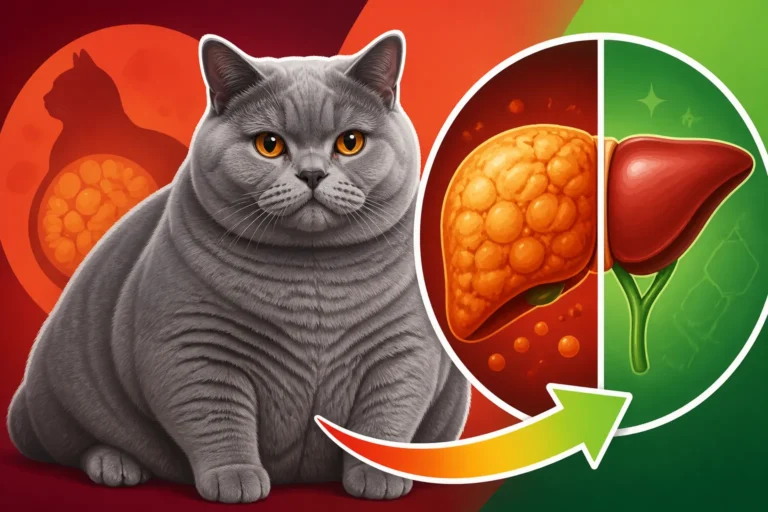
British Shorthairs, with their famously round faces and robust, cobby bodies, often carry a bit more weight than other breeds, even when they're healthy. This predisposition to a stocky build can, unfortunately, make them more susceptible to becoming overweight, and obesity is a major risk factor for feline diabetes. Their naturally calm and sedentary nature means they don't burn as many calories as a more active cat might, making weight management a constant battle. This is why addressing issues like Obesity Is the British Shorthair's Real Disease is crucial for prevention.
Genetics can also play a role, though it's less clear-cut than with some other conditions. Some studies suggest certain breeds might have a higher genetic predisposition, and while British Shorthairs aren't at the top of that list, their lifestyle factors often push them towards risk. It's a combination of their quiet demeanor, their love for food, and sometimes, our own indulgence in those adorable pleading eyes, that sets the stage for potential weight gain and subsequent diabetes. Managing their diet and encouraging even small bursts of activity from a young age can make a huge difference in their long-term health.
Recognizing the Signs of Diabetes
Catching diabetes early can make a world of difference in its management and your cat's quality of life. Unfortunately, cats are masters at hiding illness, so it's vital to be vigilant. The most common signs often include changes in thirst and urination. You might notice your British Shorthair drinking significantly more water than usual, and as a result, needing to use the litter box more frequently, sometimes even having accidents outside the box.
Another subtle but crucial sign is unexplained weight loss, despite your cat seemingly having a healthy or even increased appetite. It sounds counterintuitive, especially given their propensity for gaining weight, but with diabetes, their body isn't able to properly utilize the glucose from their food for energy, essentially starving despite eating. Other signs can include lethargy, a dull coat, or even hind leg weakness due to diabetic neuropathy. If you notice any of these, it's time for a vet visit. Learning about Signs a British Shorthair Is Diabetic in detail can help you identify these symptoms sooner rather than later.
The Initial Diagnosis and Ongoing Insulin Costs
Once diabetes is suspected, your vet will need to perform several tests to confirm the diagnosis and determine the best course of treatment. This initial phase can be nerve-wracking and also carries its own set of expenses before you even get to the ongoing cost of insulin.
Diagnostic Costs and First Steps
The diagnostic process for feline diabetes typically starts with a thorough physical examination. Your vet will likely recommend blood work, including a complete blood count (CBC) and a biochemistry panel, to check overall organ function, electrolyte levels, and, most importantly, blood glucose levels. High blood glucose is a key indicator, but stress can elevate a cat's blood sugar, so further tests are often needed.
A fructosamine test is usually the definitive diagnostic tool. This blood test measures the average blood glucose concentration over the past one to two weeks, providing a more reliable picture than a single glucose reading. Urinalysis will also be performed to check for glucose and ketones in the urine, which are also strong indicators of diabetes. These initial vet visits, blood tests, and urinalysis can easily range from $150 to $500, depending on your clinic's pricing and how extensive the initial workup needs to be. This is just to confirm the diagnosis, before any treatment even begins.
Insulin Types and Their Price Points
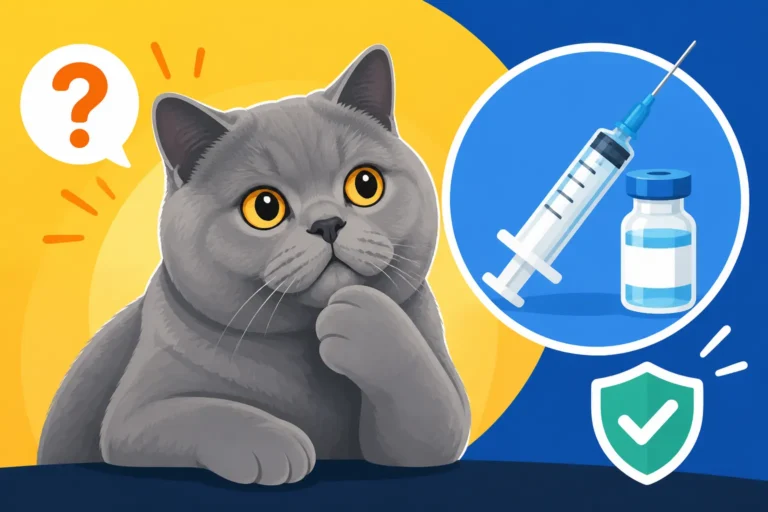
Once diabetes is confirmed, your vet will prescribe insulin. There are several types of insulin available for felines, and the choice depends on your cat's specific needs, your vet's preference, and sometimes, what's most readily available or affordable.
- Prozinc (protamine zinc insulin): This is a commonly prescribed veterinary insulin specifically formulated for cats, offering a longer duration of action (up to 24 hours). A 10 mL vial typically costs between $100 to $180. It's a popular choice because it's designed with cats in mind, meaning dosages are generally more straightforward for owners.
- Vetsulin/Caninsulin (porcine lente insulin): Another veterinary-specific insulin, Vetsulin (known as Caninsulin in some regions) also offers intermediate-acting effects. A 10 mL vial can cost similar to Prozinc, in the range of $90 to $160. It's often favored for its reliability and established track record in cats.
- Glargine (Lantus) or PZI (human insulins): Sometimes, human insulins like Glargine are prescribed off-label for cats. Glargine is long-acting and can be quite effective. A 10 mL vial of Glargine can range from $70 to $300, with considerable variability depending on the pharmacy (human pharmacies often have different pricing than veterinary ones, and coupons can sometimes be found). These often come in pens, which can be more expensive but sometimes offer easier dosing.
It's important to note that these costs are for the insulin vial itself, which contains multiple doses. A single vial might last anywhere from a few weeks to several months, depending on your cat's dosage and how often they receive injections. Most British Shorthairs will need insulin twice a day, so a vial might last for a few months, bringing the monthly cost for insulin itself down to perhaps $30-$60 on average, but that initial purchase can be a significant upfront cost.
Syringes, Lancets, and Other Consumables
Insulin injections require specialized syringes. It's not just any syringe; insulin syringes are marked in "units" and are specifically designed for precise insulin dosing. For most feline insulins (like Prozinc and Vetsulin), U-40 syringes are required. If a U-100 human insulin like Glargine is used, then U-100 syringes are necessary. Using the wrong type of syringe can lead to severe under or overdosing, which can be fatal.
A box of 100 U-40 or U-100 insulin syringes typically costs around $20 to $40. Since your cat will need two injections daily, a box of 100 will last about 50 days, meaning you'll need to purchase several boxes per year. For home glucose monitoring, you'll also need a glucometer, test strips, and lancets. Lancets, small needles used to prick your cat's ear to get a tiny blood sample, usually come in packs of 100 or 200, costing around $10-$20. These seemingly small items quickly become a recurring expense, adding to the overall monthly tally of diabetic care.
Beyond Insulin: Comprehensive Care Costs for a Diabetic British Shorthair
Insulin is a cornerstone of diabetic management, but it's far from the only expense. Effective care for a diabetic British Shorthair involves regular monitoring, strict dietary adherence, and being prepared for potential complications.
Glucose Monitoring at Home and at the Vet
Regular glucose monitoring is absolutely vital to ensure the insulin dosage is correct and to prevent dangerous fluctuations in blood sugar. Your vet will likely recommend initial "glucose curves," where blood sugar is measured every 1-2 hours over a full day. These can be done at the clinic, costing $200-$500 per curve, or you can learn to do them at home, which most vets prefer to minimize stress on your cat and get more accurate readings.
For home monitoring, you'll need a pet-specific glucometer (human glucometers can sometimes be used, but pet-specific ones are calibrated for feline blood and generally more accurate). A glucometer kit usually costs $50-$100. The ongoing cost, however, comes from the test strips, which can be expensive. A pack of 50 test strips might cost $20-$50, and if you're testing frequently (especially when adjusting insulin or if your cat seems unwell), these add up. Some owners also explore continuous glucose monitors like the Freestyle Libre, which involves applying a sensor to the cat's fur. Each sensor lasts about 14 days and can cost $60-$80, plus the cost of the reader if you don't have one already. This provides a constant stream of data, which can be invaluable but is a higher upfront investment. Understanding What Glucose Monitoring Costs a British Shorthair Owner is key to budgeting.
Even with home monitoring, regular vet check-ups are essential to review your cat's progress, perform follow-up blood work (including fructosamine tests every few months), and adjust insulin dosages. These follow-up visits can be $50-$150 each, and you might need them every 1-3 months, especially in the initial stages of finding the right dose.
Dietary Management and Prescription Foods
Diet plays an enormous role in managing feline diabetes. Most diabetic cats benefit from a diet that is high in protein and low in carbohydrates. Your vet will likely recommend a prescription diabetic cat food. These foods are specifically formulated to help stabilize blood sugar levels and manage weight. Brands like Purina Pro Plan Veterinary Diets DM (Diabetic Management), Royal Canin Veterinary Diet Glycobalance, or Hill's Prescription Diet m/d are common choices.
These specialized foods are often more expensive than regular cat food. A 5.5 oz can of wet prescription food can cost $2-$3 per can, and a diabetic British Shorthair might eat 2-3 cans per day, leading to a monthly food bill of $120-$270. Dry kibble options are generally cheaper per serving but might be less effective for some cats, and a large bag can cost $40-$70. Given that a British Shorthair can be prone to weight gain, and that this is often tied to their diabetes, the food they eat becomes a form of medicine. This is a non-negotiable expense for their health. More information on this can be found in Whether a British Shorthair Needs a Prescription Diet.
Potential Complications and Emergency Care
Despite the best management, diabetic cats are susceptible to complications that can quickly become life-threatening and incredibly expensive.
- Diabetic Ketoacidosis (DKA): This is a severe, life-threatening condition that occurs when the body starts breaking down fat for energy due to a lack of insulin, leading to a buildup of toxic ketones. DKA requires immediate, intensive veterinary care, often involving hospitalization with IV fluids, insulin drips, electrolyte monitoring, and other supportive therapies. Treatment for DKA can easily cost anywhere from $1,000 to $5,000 or more, depending on the severity and length of hospitalization. This is a very real risk, especially if insulin dosages are missed or if the diabetes is not well-controlled.
- Hypoglycemia (low blood sugar): If too much insulin is given, or if the cat doesn't eat enough after an injection, blood sugar can drop dangerously low. Mild cases can be managed at home with corn syrup or honey, but severe hypoglycemia can lead to seizures, coma, and death, requiring emergency vet intervention.
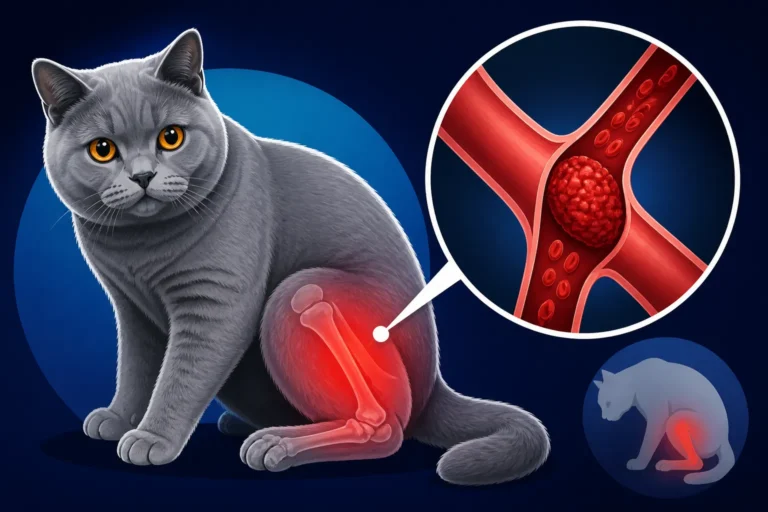
- Diabetic Neuropathy: This causes weakness, particularly in the hind legs, and can make it difficult for your cat to walk or jump normally. While often reversible with good glucose control, it can require additional supportive care or physical therapy, adding to expenses.
These emergency situations highlight the importance of not just budgeting for daily insulin and food, but also having an emergency fund or robust pet insurance coverage. Knowing What a British Shorthair's Diabetic Emergency Costs can prepare you for these potential financial shocks.
Financial Planning and Support for British Shorthair Owners
The ongoing costs of managing diabetes in a British Shorthair are significant and will be a lifelong commitment. However, there are ways to prepare and manage these expenses.
Pet Insurance Options and Coverage for Diabetes
Pet insurance can be a lifesaver for unexpected vet bills, but when it comes to chronic conditions like diabetes, the timing of your policy purchase is critical. Most pet insurance companies consider diabetes a pre-existing condition if your cat has shown symptoms or been diagnosed before you enrolled or during the waiting period. If it's deemed pre-existing, it generally won't be covered. This is why it's always recommended to get pet insurance, like a comprehensive plan from Healthy Paws, when your British Shorthair is young and healthy.
If your British Shorthair is already diagnosed, insurance might still be an option for new conditions or accidents, but diabetes-related costs will likely be excluded. However, if your cat developed diabetes after enrolling in a policy and serving the waiting period, then the costs for insulin, syringes, diagnostic tests, vet visits, and even emergency treatments for complications like DKA could be covered, depending on your plan's deductible, reimbursement percentage, and annual limits. Always read the policy details carefully and ask direct questions about chronic condition coverage and pre-existing clauses. Some policies, even from providers like Healthy Paws, might have different rules for chronic conditions versus one-time illnesses.
Strategies for Managing Costs
Managing the financial burden of a diabetic British Shorthair requires smart planning and proactive measures.
- Bulk Buying & Generic Options: If your vet approves, purchasing insulin syringes in larger quantities can sometimes reduce the per-unit cost. For insulin itself, if a human-grade insulin like Glargine is suitable, check different pharmacies for pricing and look for manufacturer coupons or patient assistance programs, as these can sometimes significantly lower costs.
- Veterinary Discount Programs: Some veterinary clinics or larger animal hospital chains offer wellness plans or discount programs that can reduce the cost of routine visits, lab work, or even prescription medications. It’s always worth asking your vet if they have any such programs.
- Open Communication with Your Vet: Don't be afraid to discuss your financial concerns with your veterinarian. They understand that pet care can be expensive and may be able to suggest alternative treatment plans, less costly medication options, or refer you to financial aid resources. For instance, they might suggest specific home monitoring techniques that reduce the need for expensive in-clinic glucose curves.
- Strict Dietary Adherence: While prescription food is an upfront cost, consistently feeding the recommended diet can help stabilize blood sugar, potentially reducing the amount of insulin needed and preventing costly complications. Cheating on the diet can lead to more insulin adjustments and higher overall expenses.
- Early Intervention: As mentioned earlier, recognizing Signs a British Shorthair Is Unwell promptly and getting a diagnosis means treatment can start sooner, often before complications become severe and more expensive to treat.
By combining careful budgeting, exploring all available resources, and maintaining open communication with your vet, you can provide your diabetic British Shorthair with the best possible care without completely draining your savings. It's a journey, but with love and diligence, your furry friend can still enjoy a good quality of life.
Estimated Monthly Costs for a Diabetic British Shorthair
To give you a clearer picture, here's a breakdown of potential monthly costs once a British Shorthair is stabilized on insulin. These are estimates and can vary widely based on location, vet fees, and specific insulin/food choices.
| Expense Category | Estimated Monthly Cost Range | Notes |
|---|---|---|
| Insulin | $30 – $60 | Assumes a 10mL vial lasts 1-3 months; actual cost depends on type and dosage. |
| Insulin Syringes | $12 – $24 | Based on two injections per day, a box of 100 syringes (~$20-$40) lasts ~50 days. |
| Prescription Diabetic Food | $120 – $270 | Wet food is typically more expensive but often recommended. |
| Glucose Test Strips & Lancets | $20 – $100 | Depends on frequency of home monitoring; glucometer is usually a one-time purchase ($50-$100). |
| Regular Vet Check-ups | $25 – $75 | Averages out 1-3 monthly visits ($50-$150 each) over time, including fructosamine tests every few months. |
| Total Estimated Monthly Cost | $207 – $529 | Excludes initial diagnostic costs and emergency treatments. |
This table doesn't even account for the initial diagnosis, any emergency treatments, or potential insurance premiums if you decide to get coverage for future non-diabetic issues. It really highlights that owning a diabetic British Shorthair is a significant financial commitment, but the joy and companionship they bring are often considered priceless.
Disclaimer
The information provided in this article is intended for general knowledge and informational purposes only, and does not constitute medical advice. Always consult with a qualified veterinarian for any health concerns or before making any decisions related to your British Shorthair's health or treatment plan. Costs are estimates and can vary significantly based on location, veterinary clinic, individual pet's needs, and market fluctuations.