What Obesity Does to a British Shorthair’s Liver
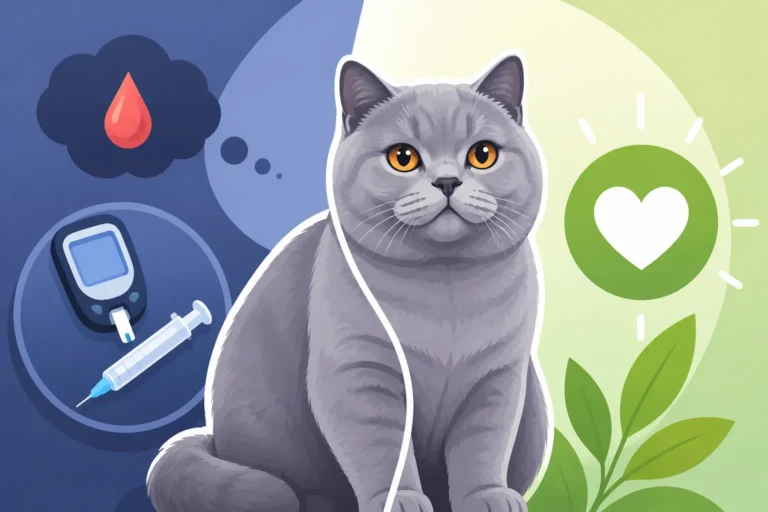
It's heartbreaking to see our beloved British Shorthairs struggling with health issues, and few things are as silently devastating as the impact of excess weight on their internal organs, especially the liver. That adorable, chunky build, so characteristic of the breed, can easily mask a serious underlying problem: obesity. This guide will walk you through exactly what obesity does to your British Shorthair's liver, helping you understand the risks, spot the signs, and take proactive steps to protect your cherished companion.
The Silent Threat: Hepatic Lipidosis in British Shorthairs
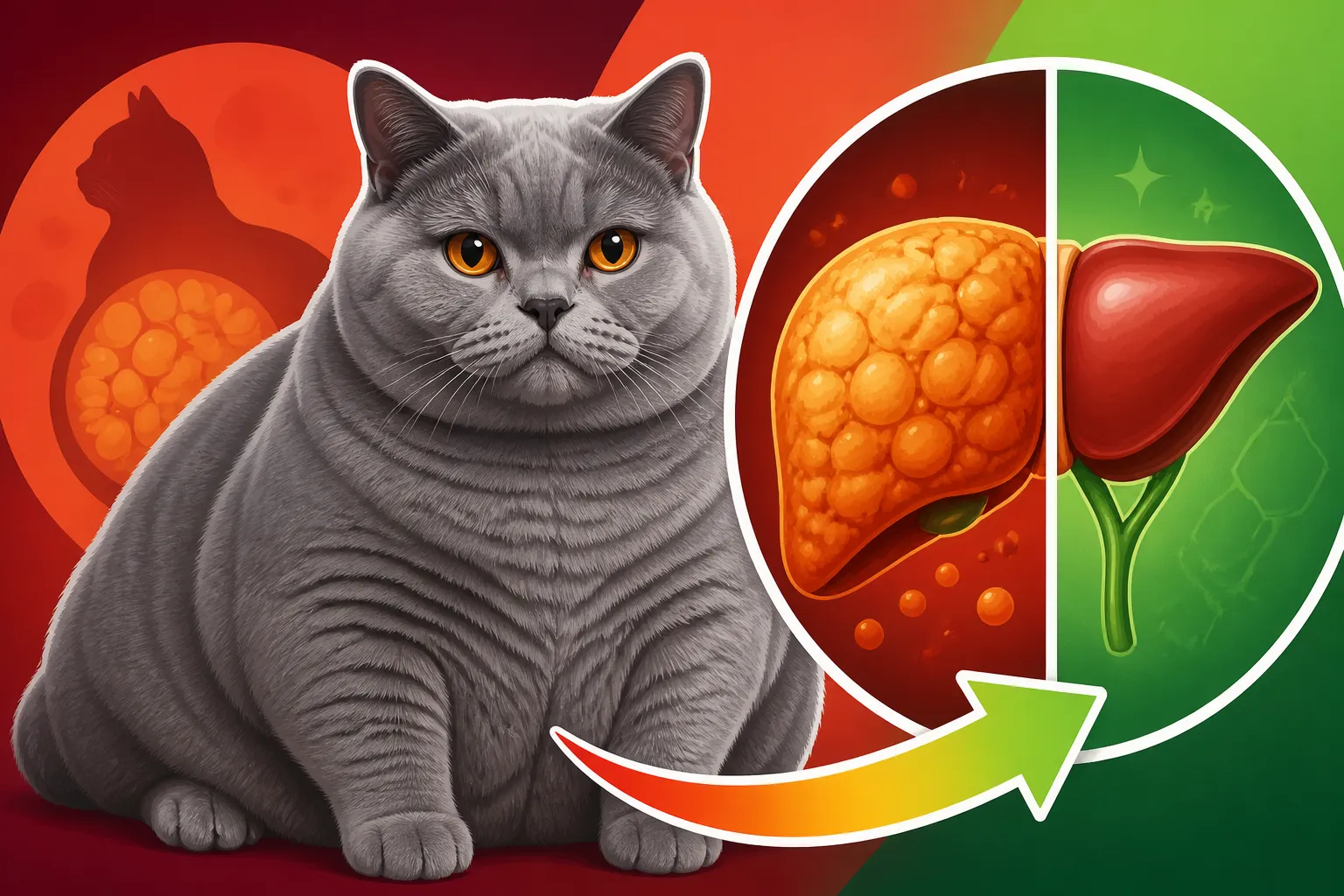
When a British Shorthair carries too much weight, it's not just about a few extra pounds; it's a profound change in their entire physiology. One of the most severe consequences, and often the most life-threatening, is a condition called hepatic lipidosis, commonly known as fatty liver disease. This isn't just about the liver getting a bit "fatty" in an abstract sense; it's a specific, dangerous accumulation of fat that severely impairs the liver's ability to function.
Think of the liver as the body's major processing plant. It handles everything from detoxifying the blood and producing vital proteins to metabolizing fats and carbohydrates. When your British Shorthair is overweight, their body's fat reserves are constantly in flux. If they then experience a period of anorexia or even reduced food intake – perhaps due to stress, a minor illness, or simply a sudden change in diet – their body mobilizes large amounts of fat from these reserves to provide energy. The liver, overwhelmed by this sudden influx, can't process it all effectively. Instead, the fat starts to accumulate within the liver cells, essentially clogging up the machinery.
This fatty infiltration begins to damage the liver cells, leading to inflammation and a drastic reduction in their ability to perform their essential functions. It's a vicious cycle: the cat stops eating because they feel unwell, which causes more fat to be mobilized, further damaging the liver, and making them feel even worse. This condition requires immediate and aggressive veterinary intervention because, left untreated, hepatic lipidosis can be fatal. It's a stark reminder that while a cuddly, weighty British Shorthair might seem endearing, it often hides a ticking time bomb for their liver.
The Mechanism of Liver Damage from Excess Fat
Understanding how fat literally takes over the liver is crucial. When your British Shorthair becomes obese, their body stores an excessive amount of triglycerides, which are a type of fat, in various tissues, including the liver. Under normal circumstances, the liver can process and export fats efficiently. However, with obesity, this delicate balance is thrown off.
If an overweight British Shorthair stops eating for even a couple of days – a surprisingly common occurrence if they're stressed by a house move, a new pet, or a minor stomach upset – their body goes into survival mode. It signals to the fat stores to release energy. This energy, in the form of fatty acids, floods the bloodstream and heads straight to the liver. A healthy liver can convert these fatty acids into energy or package them up for storage elsewhere. But a liver that's already strained by obesity and suddenly faced with an avalanche of fat becomes overwhelmed. It can't keep up with the processing and packaging.
Instead, these fatty acids are re-esterified into triglycerides within the liver cells, where they accumulate. This accumulation causes the liver cells to swell, and their normal internal structures (like mitochondria, which produce energy) become displaced or damaged. This cellular damage disrupts the liver's intricate metabolic pathways, leading to impaired detoxification, reduced protein synthesis (which affects everything from blood clotting to immune function), and an inability to properly metabolize other nutrients. Eventually, the liver tissue becomes so saturated with fat that it can no longer function, leading to liver failure. This cascade of events underscores why prevention through weight management is so profoundly important for British Shorthairs.
Why British Shorthairs are Uniquely Vulnerable
It sometimes feels like British Shorthairs are designed to get chunky. Their naturally stocky, "cobby" build, combined with their dense, plush coat, can make it incredibly difficult for owners to spot early weight gain. Many people mistakenly think a bit of extra weight just adds to their "teddy bear" charm, but this perception directly contributes to their vulnerability to conditions like hepatic lipidosis. It's not uncommon for an owner to realize their cat is truly overweight only when it's already significantly affecting their health.
Beyond their deceptive appearance, British Shorthairs generally have a calmer, more sedentary temperament compared to some other breeds. They're often perfectly content to lounge on the sofa, observe the world from a sunbeam, or simply sit beside you rather than engaging in high-energy play. This lower activity level means they don't naturally burn as many calories, making strict portion control absolutely vital. Many British Shorthairs are also famously food-motivated, which, while endearing, can make resisting their pleas for extra treats or a "top-up" of their food bowl quite challenging for owners. This combination of an appearance that masks weight, a predisposition for a relaxed lifestyle, and a love for food creates a perfect storm for obesity, and subsequently, liver issues. For more on the breed's general health, you might find our guide on whether the British Shorthair is a healthy breed insightful.
Recognizing the Subtle Signs of Liver Distress
The challenging part about hepatic lipidosis, and indeed many forms of liver disease in cats, is that the initial signs can be incredibly subtle or non-specific. Cats are masters at hiding illness, a survival instinct from their wild ancestors. By the time clear symptoms appear, the disease is often quite advanced. This is why vigilance and regular veterinary check-ups are so crucial, especially if your British Shorthair is already carrying extra weight. Early detection can literally mean the difference between life and death.
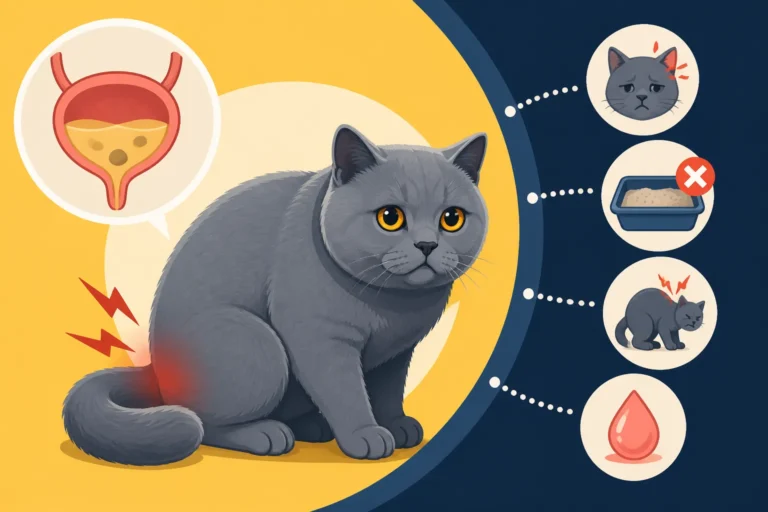
One of the first and most concerning signs is a sudden disinterest in food, or even complete anorexia. Given that this lack of appetite is often what triggers the rapid fat mobilization that worsens hepatic lipidosis, it's a dangerous feedback loop. Your cat might also seem unusually lethargic, sleeping more than usual, or showing less interest in their surroundings or playtime. Vomiting is another common symptom, as the impaired liver function affects the digestive system. Diarrhea can also occur. As the disease progresses, more specific signs related to liver failure might emerge, such as jaundice.
Jaundice manifests as a yellowing of the skin, gums, and whites of the eyes (sclera). This yellowing is caused by a buildup of bilirubin, a waste product that the liver normally processes and eliminates. If you notice any yellow tint, especially around their ears or gums, seek immediate veterinary attention. Other advanced signs can include dehydration, excessive drooling, or even neurological symptoms like disorientation, seizures, or coma, if toxins that the liver usually filters build up in the bloodstream. If your British Shorthair is overweight, learning to spot the subtle Signs a British Shorthair is Unwell can truly save their life.
Key Symptoms of Hepatic Lipidosis
It's vital to know what specific symptoms to look out for, as early intervention dramatically improves the prognosis for British Shorthairs suffering from hepatic lipidosis. Don't wait for all these signs to appear before contacting your vet. Even one or two, especially in an overweight cat, warrant concern.
Here's a breakdown of the key symptoms:
| Symptom | Description | Why it occurs |
|---|---|---|
| Anorexia/Poor Appetite | Refusal to eat for several days, or significantly reduced food intake. This is often the precipitating factor. | The diseased liver makes the cat feel unwell, nauseous, and impacts their metabolic signals for hunger. This then worsens the liver condition. |
| Lethargy & Weakness | Increased sleeping, reduced activity, general weakness, reluctance to move or play. | The body is starved of energy due to impaired metabolism, and the overall illness takes a toll on their vitality. |
| Vomiting | Frequent or occasional vomiting, sometimes accompanied by nausea (excessive drooling, licking lips). | The liver's role in digestion and detoxification is compromised, leading to gastrointestinal upset. |
| Jaundice | Yellow discoloration of the gums, whites of the eyes, and skin (especially visible on ear flaps or bare patches). | The liver is unable to process and excrete bilirubin, a yellow pigment formed from the breakdown of red blood cells, causing it to build up in the tissues. |
| Dehydration | Sunken eyes, lethargic appearance, dry gums, skin tenting when gently pulled up. | Often a result of reduced water intake due to illness, and fluid loss from vomiting or diarrhea. |
| Weight Loss (Sudden) | Paradoxically, an overweight cat with hepatic lipidosis will start to lose weight rapidly, as their body breaks down fat and muscle for energy, even while still looking 'chunky'. | While the underlying cause is fat accumulation, the acute phase involves severe muscle and fat breakdown, leading to overall body mass loss, distinct from healthy, controlled weight loss. |
| Behavioral Changes | Hiding, irritability, vocalizing differently, or other signs of discomfort or confusion. | General malaise, pain, or in severe cases, hepatic encephalopathy (brain dysfunction due to toxin buildup). |
Remember, any of these signs, particularly a combination, in an overweight British Shorthair, should trigger an urgent call to your veterinarian. Early diagnosis and intervention are critical for a successful outcome.
Diagnosis and Treatment of Hepatic Lipidosis
Diagnosing hepatic lipidosis in your British Shorthair often starts with a thorough physical examination, where your vet might notice jaundice or abdominal pain. Blood tests are crucial: they'll often reveal elevated liver enzymes (ALT, ALP, GGT), elevated bilirubin, and sometimes changes in blood glucose or electrolyte levels. They may also check for signs of anemia or other underlying conditions. However, blood work alone isn't always definitive.
To confirm the diagnosis and rule out other liver diseases, your vet will likely recommend an abdominal ultrasound. This allows them to visualize the liver, assess its size, texture, and look for any other abnormalities. An ultrasound can reveal a diffusely bright (hyperechoic) liver, which is characteristic of fat infiltration. The most definitive diagnosis, however, often requires a liver biopsy. This procedure involves taking a small tissue sample from the liver, either with a needle guided by ultrasound or surgically, to examine under a microscope. This helps confirm the presence of fat and differentiate hepatic lipidosis from other conditions like What Polycystic Kidney Disease Does to a British Shorthair or cholangiohepatitis.
Treatment for hepatic lipidosis is intensive and requires immediate action. The cornerstone of therapy is aggressive nutritional support. Since the cat isn't eating on their own, a feeding tube is almost always necessary. This might be an esophagostomy tube (placed in the neck) or a nasogastric tube (through the nose), allowing nutrient-dense liquid diets to be administered directly. Attempting to force-feed a cat orally often causes more stress, aversion to food, and can even lead to aspiration pneumonia. Along with feeding, supportive care includes intravenous fluids to combat dehydration and electrolyte imbalances, anti-nausea medications, vitamin K supplements (as liver disease can impair clotting), and liver protectants like S-adenosylmethionine (SAMe) or silymarin.
The road to recovery can be long, often spanning several weeks or even months, with daily tube feeding and close monitoring. It's an incredibly challenging time for both the cat and the owner, demanding immense dedication and financial resources. This is where pet insurance, such as Healthy Paws, can be an absolute lifesaver. Covering expensive diagnostics, specialist consultations, and weeks of intensive care can make the difference in whether an owner can afford to pursue the necessary treatment. Understanding What a British Shorthair's Yearly Bloodwork Should Cover is also a proactive step that can help catch early indicators of liver stress before the condition becomes critical.
Preventing Liver Issues Through Weight Management
The best treatment for hepatic lipidosis is prevention, and that boils down almost entirely to diligent weight management. Given the British Shorthair's predisposition to obesity, being proactive from kittenhood is vital. It's a lifelong commitment that pays dividends in terms of health, longevity, and your cat's overall quality of life. Thinking about Obesity Is the British Shorthair's Real Disease helps put it in perspective: this isn't just a cosmetic issue, it's a fundamental health problem that can have dire consequences, including liver failure.
The first step in prevention is understanding proper nutrition. Forget free-feeding; it's a recipe for disaster for this breed. Instead, implement strict portion control based on your cat's ideal weight, activity level, and age. Your vet can help you determine the appropriate calorie intake, or you can refer to guidelines for How Many Calories a British Shorthair Needs. High-quality, wet food diets are often recommended, as they provide more moisture and can help a cat feel fuller with fewer calories compared to dry kibble. Measure everything precisely and stick to it. Treats should be minimal and factored into their daily calorie allowance.
Beyond diet, incorporating gentle exercise is important, even for a British Shorthair who prefers lounging. Interactive play with wand toys, laser pointers (used carefully to avoid frustration), or even puzzle feeders can encourage movement. Short, consistent play sessions throughout the day are more effective than one long, exhausting one. If your cat is significantly overweight, your vet can also advise on a safe and gradual weight loss plan, which might include prescription weight-loss diets. Remember, rapid weight loss, especially in an already overweight cat, can actually trigger hepatic lipidosis, so any diet plan must be carefully managed under veterinary supervision. This proactive approach ensures your British Shorthair remains healthy and avoids the severe liver complications associated with obesity.
The Role of Diet and Portion Control
When it comes to keeping your British Shorthair's liver healthy, their diet and strict portion control are paramount. These cats truly thrive on routine, and that extends to their meals. The biggest mistake many owners make is leaving a bowl of kibble out all day, allowing their cat to graze whenever they please. This "free-feeding" approach almost guarantees that a British Shorthair will consume more calories than they need, especially considering their naturally lower activity levels. This is why Why Free Feeding Ruins a British Shorthair is a topic worth diving into for every owner.
Instead, work with your veterinarian to determine the precise caloric needs for your cat's ideal weight, not their current weight. Then, meticulously measure out their food, dividing it into two or three small meals throughout the day. High-quality wet food is often preferred for British Shorthairs, as its higher moisture content can promote satiety and contribute to better urinary tract health, another common concern for the breed. If you use dry kibble, ensure it's a reputable brand designed for adult cats and still strictly portioned. Avoid giving human food scraps, as these are often high in calories and fat, and can quickly derail a healthy diet.
Furthermore, be mindful of treats. While we all love to spoil our cats, treats add up quickly. Consider them as part of their daily caloric intake, or opt for low-calorie alternatives like a few pieces of their regular kibble used as rewards. Some owners find puzzle feeders helpful; they slow down eating and provide mental stimulation, turning mealtime into a mini-activity. By being disciplined with diet and adhering to strict portion control, you're not just preventing your British Shorthair from becoming overweight; you're actively safeguarding their liver and overall health, potentially adding years to their life and reducing the risk of severe, costly conditions that pet insurance providers like Healthy Paws are often called upon to help cover.
Encouraging Activity and Regular Check-ups
While diet is undeniably the primary defense against obesity and related liver issues, encouraging your British Shorthair to move, even a little, plays a crucial supporting role. We know these aren't the most athletic cats; they often prefer a dignified recline over a frantic chase. However, even short, consistent bursts of activity can make a significant difference in calorie expenditure and muscle tone. The key is to find what motivates your cat.
Interactive toys, like wand toys with feathers or ribbons, are often more engaging than static toys. Try different types and textures to see what sparks their interest. Laser pointers can be fun, but always end a session by letting them "catch" a physical toy or treat to prevent frustration. Some British Shorthairs enjoy chasing small, crinkly balls or batting at spring toys. Schedule a couple of 10-15 minute play sessions daily, perhaps in the morning and evening, to make it part of their routine. Cat trees, while they may not climb to the very top as often as other breeds, still offer opportunities for vertical movement and scratching. Even simply walking from one side of the house to another for a treat can add up. For ideas, consider exploring how to get a low energy British Shorthair to move.
Alongside diet and exercise, regular veterinary check-ups are non-negotiable. For a British Shorthair, particularly as they age, annual or even bi-annual vet visits become critically important. These appointments aren't just for vaccinations; they're an opportunity for your vet to assess your cat's body condition score, weigh them accurately, and discuss their diet and activity levels. Blood work can also be done to monitor liver enzymes and other indicators of internal health. Early detection of rising liver values can signal a problem long before overt symptoms of hepatic lipidosis appear, allowing for interventions before a crisis hits. Your vet can provide tailored advice for your cat's specific needs, and having a comprehensive pet insurance plan, like those offered by Healthy Paws, can ensure that you're prepared for any diagnostic tests or treatments recommended during these crucial check-ups. It's all part of a holistic approach to ensuring your British Shorthair lives a long, healthy life, free from the burdens of obesity and its devastating impact on the liver.
Disclaimer
This article is intended for informational purposes only and does not constitute medical advice. Always consult with a qualified veterinarian for any health concerns or before making any decisions about your British Shorthair's diet, exercise, or medical treatment.