Whether a British Shorthair Will Diet Willingly
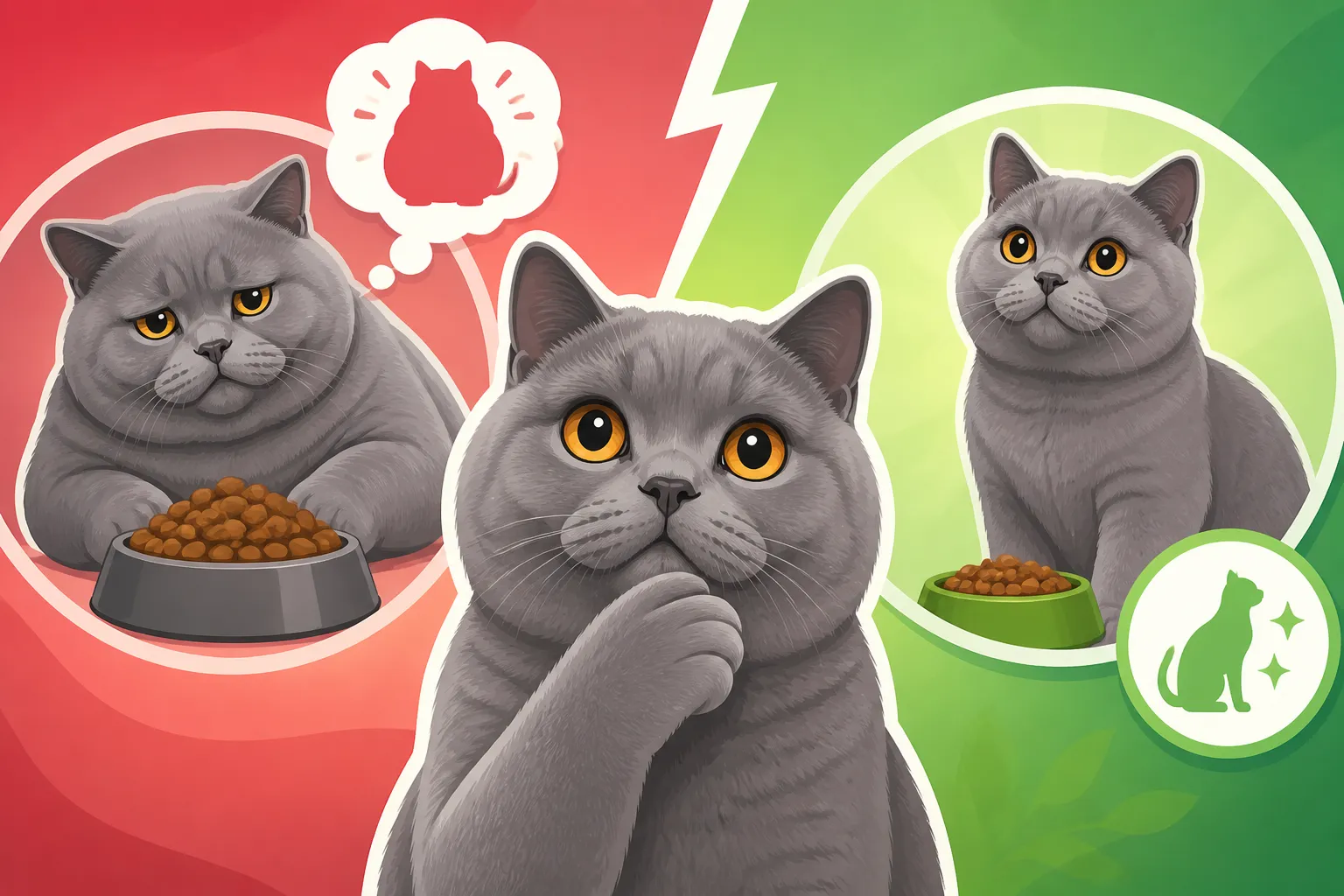
It's a familiar scenario for many British Shorthair owners: you love their plush, teddy bear looks, but those adorable rolls can quickly turn into unhealthy weight. Getting these food-motivated, often laid-back felines to willingly embrace a diet feels like an impossible mission, often met with persistent meows and sad eyes. This guide dives deep into the realities of dieting a British Shorthair, what level of "willingness" you can realistically expect, and practical strategies to help your beloved companion achieve a healthier weight without turning your home into a battleground.
The British Shorthair's Love Affair with Food and the Weight Gain That Follows
It's no secret that British Shorthairs, with their perpetually hungry stares and robust appetites, can easily pack on the pounds. This isn't just about overindulgence; several factors inherent to the breed make them particularly prone to weight gain, and understanding these is the first step toward a successful diet.
Why Your British Shorthair is a Food Enthusiast
Our British Shorthairs are, by their very nature, predisposed to a certain level of rotundness. They have that wonderful "cobby" build – short, strong legs, a broad chest, and a round head – which can sometimes make it hard to distinguish healthy bulk from actual excess weight. But beneath that dense, plush fur, many are carrying more than they should. This breed is known for its relatively low activity levels. Unlike some more energetic breeds, a British Shorthair often prefers napping in a sunbeam or observing the world from a comfortable vantage point rather than tearing around the house in a frenzy of play. This calm demeanor, while endearing, means they burn fewer calories naturally.
Compounding this is their sheer love of food. Many British Shorthairs lack an "off switch" when it comes to eating. If a bowl is full, they'll often continue to graze until it's empty, regardless of their actual caloric needs. This lack of self-regulation, combined with an owner's natural inclination to please their pet, especially with tasty treats or consistently full bowls, creates the perfect storm for weight gain. It’s why you might find your British Shorthair always hovering around the kitchen, or patiently staring at their bowl as if it hasn't been filled in days, even moments after a meal. This deep dive into Why a British Shorthair Gains Weight So Easily offers even more insights into this common challenge.
The Hidden Dangers of an Overweight British Shorthair
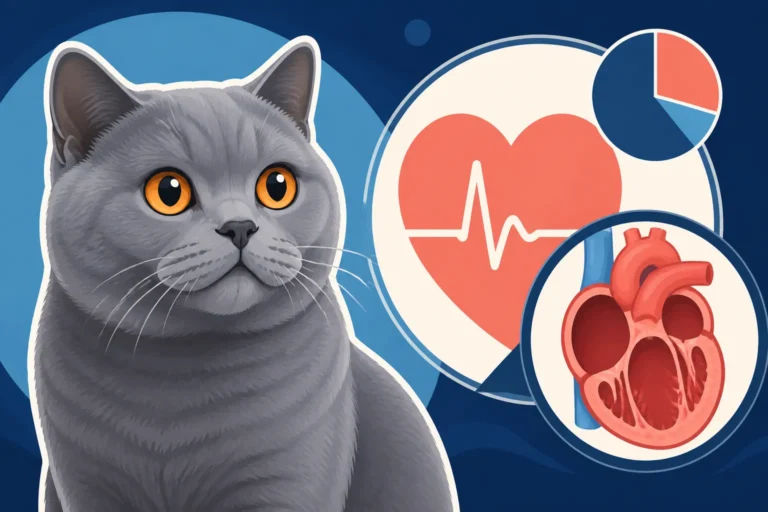
While a chunky cat might look cute, the reality is that obesity is a serious health threat to your British Shorthair, often shortening their overall lifespan. This isn't just about aesthetics; it's about quality of life. An overweight British Shorthair is at significantly higher risk for a whole host of serious health problems. Diabetes, for instance, is far more common in obese cats, requiring daily insulin injections and careful dietary management. The extra weight also puts immense strain on their joints, leading to or exacerbating conditions like What Obesity Does to a British Shorthair's Joints and arthritis, which can make movement painful and reduce their willingness to play even further.
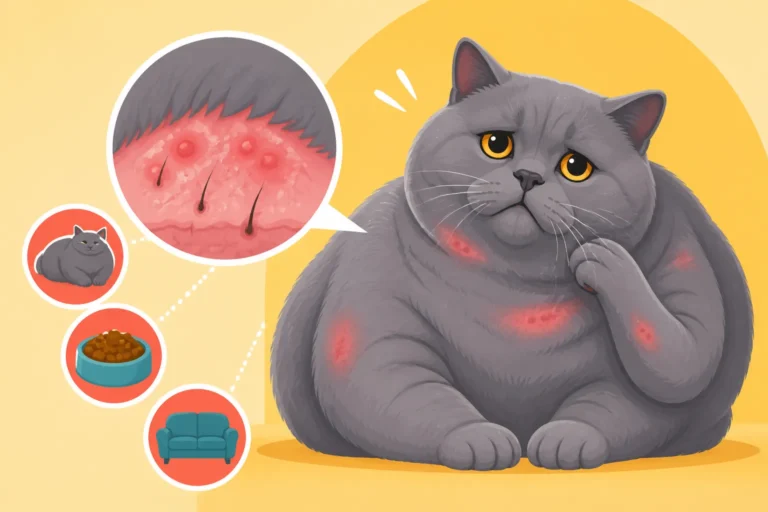
Beyond these well-known issues, there's a risk of hepatic lipidosis (fatty liver disease), which can be life-threatening if a severely overweight cat stops eating for even a short period. Urinary problems are also more prevalent, and let's not forget the basic discomfort. An overweight British Shorthair often struggles to groom themselves effectively, particularly reaching their lower back and tail. This can lead to matted fur, skin infections, and general hygiene issues that are unpleasant for both cat and owner. The emotional toll on an owner witnessing their beloved pet struggle with these preventable conditions is significant, highlighting why addressing Obesity Is the British Shorthair's Real Disease is so crucial.
The Myth of the "Naturally Slim" British Shorthair
One of the biggest hurdles to overcome when dieting a British Shorthair is the misconception that their dense coat and robust, round features simply make them look big. Owners often tell themselves, "Oh, they're just a big-boned cat" or "It's just fluff!" While their substantial build is part of their breed standard, there's a definite difference between a well-built, muscular British Shorthair and one carrying excessive fat. Their plush, stand-off coat is incredibly adept at camouflaging extra pounds, making it tricky to assess their true body condition just by looking.
To truly know if your British Shorthair is overweight, you need to rely on more than just visual cues. Learning How to Tell a Chunky British Shorthair From a Fat One involves gently feeling along their ribs, spine, and waistline. On a healthy weight cat, you should be able to feel their ribs with light pressure, almost like the back of your hand. Their spine should be palpable, and they should have a discernible waist when viewed from above (even if it's subtle for this breed). If you can't easily feel these bony landmarks, or if you feel a thick layer of fat, your cat is likely overweight. Most adult male British Shorthairs typically weigh between 9-17 pounds, while females are usually 7-12 pounds. However, these are general ranges, and individual conformation matters, so your vet can help determine What a Healthy British Shorthair Weighs on the Scale.
The Reality of Dieting a British Shorthair: Expect Resistance
Let's be realistic: very few British Shorthairs will "willingly" diet in the way a human might willingly choose a salad over a slice of cake. For them, food is fundamental, and any reduction is often perceived as a direct attack on their well-being. Expect some pushback, but don't let it deter you.
Why British Shorthairs Protest Dietary Changes
British Shorthairs are creatures of habit, and their meal times are often the highlight of their day, a predictable anchor in their routine. When you suddenly cut back on their food, you're not just reducing calories; you're disrupting a deeply ingrained ritual. This disruption, coupled with genuine hunger (even if temporary and part of the diet plan), leads to protest. Their quiet nature might make you think they won't complain much, but they have their ways. While they might not be as vocal as a Siamese, they will communicate their displeasure. You might notice increased vocalization – more insistent meows, mournful chirps, or even a low, continuous grumbling.
They might follow you from room to room, weave around your legs, or sit pointedly by their empty food bowl, staring with those large, expressive eyes that seem to say, "Mother, I am wasting away!" Some might even resort to more mischievous tactics like knocking items off counters or batting at cabinet doors where food is stored. These behaviors aren't malicious; they are simply their way of trying to communicate a need they feel isn't being met. They don't understand that you're doing this for their long-term health; they just know that the food supply has changed.
The Initial Weeks: A Test of Wills
The first few weeks of a British Shorthair's diet are often the toughest, for both cat and owner. Your cat will likely employ every trick in their feline playbook to convince you they are absolutely starving. They might sit by their bowl for hours, cry inconsolably, or engage in persistent begging, sometimes escalating these behaviors in the hopes that you'll eventually crack. It can feel like your home has been invaded by a very fluffy, very demanding tyrant.
This period is a true test of your resolve. It's incredibly tempting to give in, to offer just a little bit more food to quiet the cries or stop the incessant pawing. However, consistency is absolutely paramount during this phase. Every time you give in, even a tiny bit, you reinforce the behavior and teach your cat that if they're persistent enough, they'll get what they want. It's not about being cruel; it's about being firm for their own good. Remind yourself that they are not truly starving, but adjusting. Their bodies are learning to cope with appropriate portion sizes, and their minds are processing the change in routine. This phase requires patience, a strong will, and a deep understanding of Signs a British Shorthair Is Overweight so you can visualize the goal.
When "Willing" Becomes "Resigned Acceptance"
Here's the truth: your British Shorthair might never joyfully "will" themselves onto a diet. They are cats, after all, and their primal instincts often override any notion of long-term health benefits. What you're aiming for, realistically, is "resigned acceptance." This means they stop the constant protesting, settle into their new feeding schedule, and understand that the smaller portions are the new normal.
This shift doesn't happen overnight. It can take several weeks, sometimes even months, for a British Shorthair to fully adjust. Gradually, the intensity of their begging will wane, the mournful cries will lessen, and they'll start to anticipate their meals without the dramatic theatrics. They learn to adapt. During this period, it's crucial to maintain a calm, predictable environment. Stick to the feeding schedule like clockwork, offer positive attention and play that isn't food-related, and avoid any emotional responses to their protests. The goal is for food to become a structured part of their day, rather than an endless buffet or a source of constant negotiation.
Strategies to Make Dieting Less of a Battle
While your British Shorthair might not choose to diet, you can implement strategies that make the process smoother, less stressful, and ultimately more successful for everyone involved. It's about outsmarting their food-loving instincts and creating a new normal.
Gradual Changes and Portion Control
The absolute cornerstone of any successful British Shorthair diet is precise portion control and gradual changes. Drastic cuts in food can actually be dangerous, leading to hepatic lipidosis, so slow and steady is the name of the game. Start by calculating your cat's ideal weight with your vet's help, then determine How Many Calories a British Shorthair Needs to reach and maintain that weight. Invest in a digital kitchen scale to accurately measure every meal. Eyeballing amounts is notoriously inaccurate and can sabotage your efforts.
Instead of free-feeding, which is a major culprit in feline obesity and specifically Why Free Feeding Ruins a British Shorthair, transition to scheduled, portion-controlled meals. Divide their daily caloric allowance into 2-3 smaller meals throughout the day. This keeps them feeling more satisfied and helps regulate their metabolism. You might also consider specific weight management formulas. Many commercial brands, like Royal Canin Satiety Support or Hill's Prescription Diet Metabolic, are designed to be lower in calories but higher in fiber or protein to help cats feel fuller for longer. These specialty foods can make a big difference, and your vet can recommend the best option for your cat.
Enriching Their Environment and Redirecting Focus
A bored cat is often a hungry cat. For a British Shorthair, who might not naturally engage in high-intensity play, you need to be creative in how you get them moving and mentally stimulated. Puzzle feeders are a game-changer. These require your cat to "work" for their food, slowing down consumption and making mealtime more engaging. Instead of gobbling down a bowl of kibble in 30 seconds, they might spend 15-20 minutes batting, nudging, and extracting individual pieces. This is crucial for both calorie burning and mental enrichment.
Increasing play sessions is also vital, even if your British Shorthair is a reluctant participant. Think short, frequent bursts of activity rather than one long session. Use wand toys, laser pointers (but always end with a tangible toy they can "catch"), or crinkle balls. Try to find what motivates them – for some, it's a slow-moving feather toy, for others, it's a bouncy ball. Don't be afraid to experiment, and remember that even five minutes of active play several times a day adds up. Check out How to Get a British Shorthair to Move for more practical tips on enticing a lazy cat. Redirecting their focus from constant food thoughts to engaging play or mental challenges can significantly reduce their begging behavior.
The Role of Diet-Specific Foods and Vet Support
While generic "light" cat foods exist, often a prescription weight-loss diet is the most effective tool, especially for cats that are significantly overweight. These foods are scientifically formulated to help with weight reduction by typically being higher in protein to preserve muscle mass, higher in fiber to promote satiety, and lower in calories and fat. Brands like Royal Canin Veterinary Diet Satiety Support or Purina Pro Plan Veterinary Diets OM Overweight Management are examples you might encounter. Your veterinarian is your best partner in this journey. They can accurately assess your cat's body condition, calculate the ideal calorie intake, recommend the most appropriate diet food, and monitor their progress. Regular vet check-ups are essential to ensure the weight loss is healthy and steady, typically aiming for 0.5% to 2% of their body weight per week.
In multi-cat households, food stealing can be a huge problem. Microchip feeders, which only open for the specific cat whose microchip is programmed into the device, can prevent the dieting cat from stealing food and the other cats from eating the diet food. Remember that managing an overweight British Shorthair can lead to significant veterinary bills if health complications arise, such as ongoing care for Diabetes in a British Shorthair or arthritis. This is where a robust pet insurance plan can offer peace of mind. Companies like Healthy Paws can help cover unexpected illness and accident costs, making it easier to afford the long-term veterinary support your British Shorthair might need to manage weight-related conditions, ensuring you can prioritize their health without undue financial stress.
Managing Hunger Cues and Preventing Relapses
Even with the best diet food and an enriched environment, your British Shorthair will likely still try to solicit food. How you respond to these hunger cues is critical for long-term success. It's important to differentiate between genuine hunger (which should be addressed by their scheduled meals) and learned begging behavior. When they beg, redirect them with playtime, a cuddle session, or a quiet grooming brush. If you use treats, make them very small, low-calorie options, and factor them into their daily caloric allowance. Small pieces of cooked chicken or commercial low-calorie dental treats can be good choices.
Maintaining a strict feeding schedule helps manage expectations. Cats thrive on routine, and knowing when their next meal is coming can reduce anxiety and begging. Avoid leaving food out, even if you think you’ve measured it out. Once the meal is done, the bowl should be empty until the next scheduled time. The journey to a healthy weight for a British Shorthair is a lifestyle change, not a quick fix. There will be good days and bad days, but consistent effort will pay off. Remember, the goal is to gently guide them towards healthier habits, rather than expecting them to "willingly" embrace a diet plan themselves.
Long-Term Success: It's About Health, Not Just Weight
Ultimately, successfully dieting your British Shorthair isn't just about the number on the scale; it's about transforming their overall health and well-being. This journey requires commitment, but the rewards are immeasurable.
Celebrating Small Victories and Maintaining Momentum
The weight loss journey for a British Shorthair can feel slow, especially since they naturally have a substantial build. Don't get discouraged if the scale doesn't move dramatically every week. Instead, celebrate the small victories: your cat playing for longer, showing more agility, being able to groom their back more easily, or simply having more energy. Pay attention to changes in their body condition score, which is often a more accurate indicator of progress than just weight. You might notice their waist becoming more defined, or their ribs becoming easier to feel.
It's a marathon, not a sprint. Remember that healthy weight loss is gradual. The feeling of accomplishment when you see your British Shorthair become more vibrant and active, free from the discomfort of excess weight, is truly wonderful. Share these small wins with your vet – their encouragement can be a huge motivator.
Building New Habits for a Healthier British Shorthair
The diet isn't over when your British Shorthair reaches their ideal weight; it's just shifted into a maintenance phase. The habits you've built – portion control, scheduled feeding, consistent play, and mental enrichment – need to continue for the rest of their lives. Regular weighing at home (weekly or bi-weekly) and body condition checks will help you catch any slight weight creep before it becomes a problem. The transformation from an obese, lethargic cat to a more active, vibrant companion is truly remarkable.
A British Shorthair at a healthy weight will have more comfortable movement, a shinier coat (because they can groom better!), and generally a better quality of life. They'll have a stronger chance of enjoying their full The Twelve to Seventeen Years a British Shorthair Gets, free from many of the preventable diseases associated with obesity. It takes dedication, but seeing your beloved cat thrive makes every persistent meow and sad-eyed stare during the diet phase worth it.
| Feature | Free Feeding (Ad Libitum) | Portion-Controlled Feeding |
|---|---|---|
| Control | Little to no control over intake | Precise control over daily caloric intake |
| Risk of Obesity | High, especially for food-motivated British Shorthairs | Lowers risk significantly when done correctly |
| Satiety | Cats may feel hungry quickly after eating due to constant availability | Promotes feeling of fullness from fiber in diet foods |
| Monitoring | Difficult to track consumption or changes in appetite | Easy to monitor intake and quickly identify appetite changes |
| Diet Success | Extremely challenging for weight loss | Essential for effective and healthy weight loss |
| Multi-Cat Homes | Leads to competition, one cat eating another's food | Allows for individualized diets, especially with microchip feeders |
| Health Impact | Increased risk of diabetes, arthritis, liver issues | Reduces health risks and improves overall well-being |
Disclaimer
The information provided in this article is for general informational purposes only and is not a substitute for professional veterinary advice. Always consult with a qualified veterinarian for any health concerns or before making any changes to your pet's diet or care routine.