Why British Shorthair Hemophilia Shows Up After Neutering
It’s a heartbreaking and terrifying scenario for any cat parent: you bring your beloved British Shorthair kitten home after their routine neuter surgery, expecting them to be a little groggy but otherwise on the mend. Instead, you start to notice something isn't right – persistent bleeding, swelling, or extreme lethargy. For some British Shorthairs, this perfectly normal, necessary procedure can tragically reveal a hidden condition: hemophilia. This guide will delve into why this genetic bleeding disorder often remains undetected until a surgical event like neutering and what you can do about it.
Understanding Hemophilia B in British Shorthairs
Hemophilia isn't just a human condition; it can affect our feline friends too, and British Shorthairs are among the breeds where a specific type, Hemophilia B, has been identified. This is a severe genetic disorder that impairs the cat's ability to form proper blood clots, leading to prolonged or excessive bleeding, even from minor injuries. The terrifying part is that it often doesn't show itself until a significant event, like surgery.
The Genetics of Hemophilia B
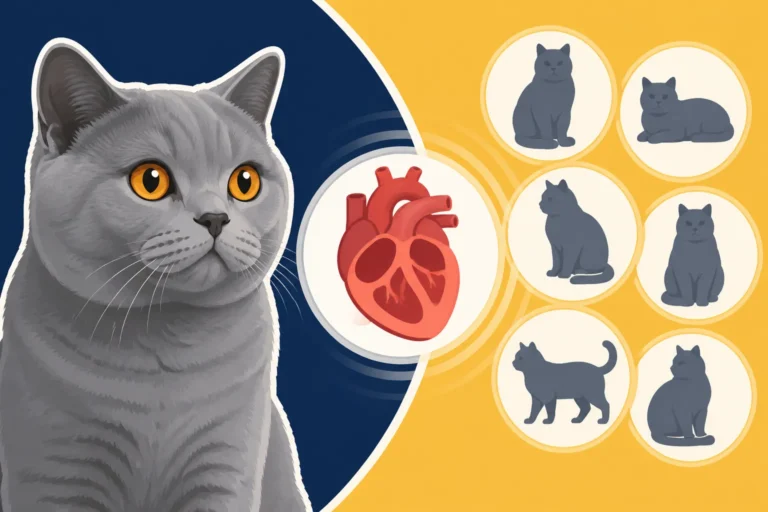
Hemophilia B in British Shorthairs is an X-linked recessive disorder, which sounds complicated but is quite crucial to understand. It means the faulty gene responsible for producing Factor IX, a vital clotting protein, is located on the X chromosome. Cats, like humans, have sex chromosomes: females are XX and males are XY.
Here's how it plays out:
- Males (XY): If a male cat inherits the single X chromosome carrying the faulty gene, he will be affected by hemophilia. There's no "backup" X chromosome to provide a normal copy of the gene, so he expresses the disorder.
- Females (XX): Females can be carriers. If a female inherits one faulty X chromosome and one normal X chromosome, she will typically be asymptomatic (show no signs) but can pass the faulty gene on to her offspring. In rare cases, if a female inherits two faulty X chromosomes, or due to a phenomenon called "lyonization" where the healthy X chromosome is inactivated in too many cells, she might also show symptoms, but this is far less common.
Because males only need one copy of the faulty gene on their single X chromosome to be affected, they are overwhelmingly the ones who suffer from the disease. Females, by contrast, often fly under the radar as silent carriers. This is a critical point when considering breeding lines and how the disease can persist undetected through generations. Learning about What Hemophilia B Does to a British Shorthair can give you a deeper understanding of its impact.
Why It Often Goes Undetected
One of the most insidious aspects of hemophilia B is its stealthy nature. Affected male kittens might appear perfectly healthy and robust. They might not experience spontaneous bleeding, or if they do, it could be mistaken for a typical kitten scrape or bruise that resolves on its own. Their active kittenhood, full of playful tumbles and minor bumps, often doesn't trigger significant bleeding episodes that would raise immediate red flags.
Consider a typical British Shorthair kitten in a busy household. They might have a tiny cut on a paw or a bruise from playing a little too hard. For a normal kitten, these resolve quickly. For a hemophiliac kitten, the bleeding might last a bit longer, or a bruise might be a little larger, but in the chaos of kitten antics, it's easy for these subtle signs to be missed or dismissed. It’s not until a significant challenge to their clotting system, such as a major injury or, more commonly, a surgical procedure, that the deficiency becomes horrifyingly apparent. This lack of obvious symptoms in daily life is precisely why breeders must undertake specific health screening, particularly for Whether a DNA Test for British Shorthair Hemophilia Exists, before breeding.
The Neutering Procedure and Bleeding Risks
Neutering, medically known as castration for male cats, is a very common and generally safe surgical procedure. Vets perform countless neuters every year with minimal complications. However, for a cat with an underlying clotting disorder like hemophilia, this routine surgery transforms into a perilous undertaking.
Normal Coagulation vs. Hemophilia
To understand the risk, let's briefly look at how blood normally clots. When an injury occurs and blood vessels are damaged, a complex cascade of events, involving many different proteins (called clotting factors), swings into action. Platelets rush to the site to form a plug, and then these clotting factors work together to form a stable fibrin clot, effectively sealing the wound and stopping blood loss. It's a marvel of biological engineering.
In a British Shorthair with Hemophilia B, one crucial piece of this puzzle – Factor IX – is either missing or present in insufficient quantities. Think of it like a finely tuned machine missing a key gear. The initial steps of clotting might occur, but the final, robust clot can't form properly or quickly enough. This means that even if a surgeon meticulously ligates (ties off) blood vessels during neutering, the tiny vessels that naturally ooze during tissue manipulation, or even a perfectly tied off vessel that experiences slight movement post-op, can continue to bleed because the body can't effectively 'patch' these micro-traumas. This is why What Hemophilia B Does to a British Shorthair can be so devastating, especially during a surgical event.
Surgical Stressors and Hemorrhage
Neutering involves making incisions and severing blood vessels that supply the testicles. Even with the most skilled veterinary hands, any surgery introduces trauma to tissues and blood vessels. For a cat with normal clotting, the body's systems quickly take over to stop any minor bleeding. For a hemophiliac cat, this is where the system fails.
The stress of the surgery itself, coupled with the physical act of cutting and tying off vessels, creates multiple points where blood loss can become excessive.
- Incision Site Bleeding: While the main vessels are tied, small capillaries in the skin and subcutaneous tissue will naturally bleed. A hemophiliac cat will struggle to clot these minor bleeds, leading to persistent seepage from the wound.
- Internal Bleeding: More dangerously, bleeding can occur internally within the scrotal sac or abdominal cavity, leading to hematomas (large collections of clotted blood) or even life-threatening internal hemorrhage. The incision might look fine externally, but swelling and pain around the surgical site can indicate severe internal bleeding.
- Post-Operative Movement: Even after returning home, normal movements like walking, jumping (though British Shorthairs aren't known for being acrobats!), or even stretching can disrupt delicate, forming clots, restarting the bleeding process.
This is precisely Why British Shorthair Hemophilia Shows Up After Neutering. The surgery acts as an unavoidable "stress test" for their coagulation system, revealing a weakness that might have otherwise remained hidden for years, or until a more severe accidental injury occurred. Veterinary clinics often suggest pre-surgical bloodwork, and for a British Shorthair, knowing their breed's propensity for certain issues like hemophilia should prompt a discussion about more thorough clotting factor analysis or genetic testing.
Recognizing the Signs and What to Do
Discovering your British Shorthair has hemophilia during or after neutering is an incredibly distressing situation. Recognizing the signs quickly and knowing how to react can be the difference between life and death.
Post-Neutering Hemorrhage Symptoms
After any surgery, it's normal for a cat to be a bit quiet and perhaps have a tiny bit of spotting at the incision site. However, with hemophilia, the bleeding goes beyond normal. Keep a very close eye on your British Shorthair for these critical signs:
- Persistent or Excessive Bleeding from the Incision: If the incision site continues to ooze blood for hours, or if you see more than just a few drops of fresh blood over a period, it's a huge red flag. This isn't just slight discoloration; it's active bleeding.
- Swelling or Bruising Around the Surgical Site: A hematoma, a collection of blood under the skin, can appear as a firm, rapidly growing lump. Bruising might spread beyond the immediate incision area, appearing dark purple or black. This indicates internal bleeding that the body can't stop.
- Lethargy and Weakness: While some post-op grogginess is normal, an extreme lack of energy, difficulty standing, or complete disinterest in their surroundings could point to significant blood loss.
- Pale Gums: Check your cat's gums. If they are noticeably pale or white instead of a healthy pink, it suggests anemia due to blood loss and requires immediate veterinary attention.
- Difficulty Breathing or Rapid Heart Rate: In severe cases of internal hemorrhage, the cat's body might struggle to compensate, leading to fast, shallow breathing or a noticeably rapid heart rate.
- Loss of Appetite or Vomiting: These are general signs of illness but can accompany significant pain or systemic distress from blood loss.
It's crucial not to underestimate these signs. A cat's natural instinct is to hide pain and weakness, so by the time symptoms are obvious, they might be in a critical state. If you observe any of these symptoms, don't wait. Contact your vet immediately.
Immediate Veterinary Intervention
If you suspect your British Shorthair is experiencing post-surgical hemorrhage, time is of the essence.
- Call Your Vet IMMEDIATELY: Explain your concerns thoroughly. If it's after hours, head to the nearest emergency veterinary clinic. Do not delay.
- Gentle Handling: Transport your cat carefully to avoid any further trauma that could worsen bleeding. Keep them warm and quiet.
- Emergency Treatment: At the clinic, the vet will likely stabilize your cat. This could involve IV fluids to combat shock, blood transfusions (using packed red blood cells or fresh whole blood) to replace lost blood, and infusions of fresh frozen plasma (FFP) to supply the missing Factor IX.
- Confirming Diagnosis: While the emergency is being handled, the vet might also run specific clotting tests like activated partial thromboplastin time (aPTT) to confirm a Factor IX deficiency, although this can be done retrospectively if the immediate crisis is severe. Understanding What Hemophilia B Does to a British Shorthair will help you communicate effectively with your vet.
Remember, this is a life-threatening emergency. Your quick action can dramatically improve your British Shorthair's chances of survival. This unforeseen medical event can be incredibly costly, reinforcing the value of pet insurance from providers like Healthy Paws, which can help cover these unexpected emergency treatments.
Prevention and Testing
Preventing the heartbreak of discovering hemophilia during a routine surgery like neutering is paramount. For British Shorthair owners and, especially, for breeders, proactive testing is the most responsible course of action.
Pre-surgical Screening for Breeders and Owners
The best defense against hemophilia manifesting unexpectedly after neutering is diligent pre-surgical screening, especially for British Shorthairs.
- DNA Testing for Breeding Stock: For responsible British Shorthair breeders, DNA testing for Hemophilia B is non-negotiable. Since it's an X-linked recessive trait, testing breeding cats – both males and females – can identify carriers and affected males, preventing the perpetuation of the disease. A reputable breeder should be able to provide clear genetic test results for their breeding cats, proving they are clear of the Hemophilia B gene. If a British Shorthair breeder's cat tests positive as a carrier or affected, they should not be bred. This is a crucial part of What a British Shorthair Breeder Should Have Tested.
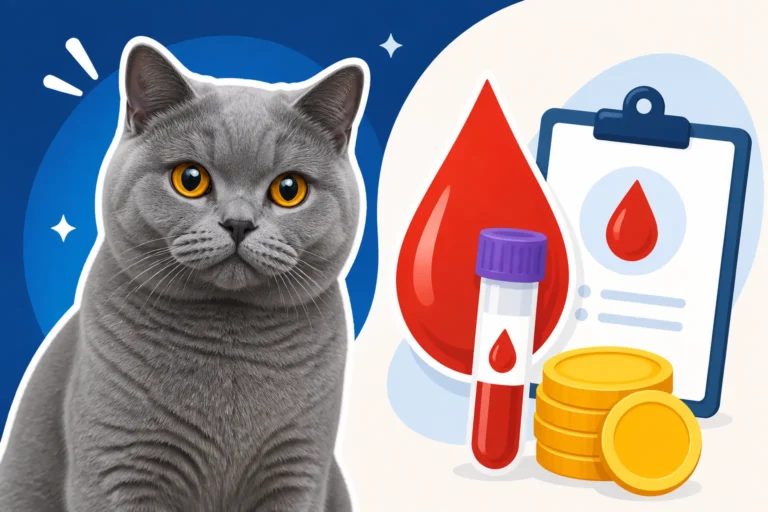
- Pre-Anesthetic Bloodwork for Pet Owners: Before any surgery, including neutering, pet owners should discuss pre-anesthetic bloodwork with their veterinarian. This typically includes a complete blood count (CBC) and a biochemistry panel, which provides a general health snapshot. However, for breeds like British Shorthairs where bleeding disorders are known, consider asking for specific clotting tests:
- Activated Partial Thromboplastin Time (aPTT): This test measures the efficiency of the intrinsic and common coagulation pathways, which includes Factor IX. An abnormally prolonged aPTT can indicate hemophilia B.
- Prothrombin Time (PT): This measures the extrinsic and common coagulation pathways.
- Buccal Mucosal Bleeding Time (BMBT): This is a simple test that assesses platelet function and the initial stages of clotting by measuring how long it takes for a small prick on the gum to stop bleeding.
While not all vets routinely perform aPTT and PT before every neuter, for a British Shorthair, especially one from an unknown background, it's a conversation worth having. The cost of these tests pales in comparison to the emotional and financial burden of an emergency bleeding crisis. You might wonder What the British Shorthair Hemophilia B Test Costs, and it's generally a reasonable investment for peace of mind.
Here's a comparison of common pre-surgical screenings:
| Test Type | What it Measures | Relevance for Hemophilia B |
|---|---|---|
| Complete Blood Count (CBC) | Red & white blood cells, platelets | General health, anemia risk |
| Biochemistry Panel | Organ function (kidney, liver), electrolytes, glucose | General health |
| Activated Partial Thromboplastin Time (aPTT) | Intrinsic & common clotting pathways (Factor IX) | Directly relevant |
| Prothrombin Time (PT) | Extrinsic & common clotting pathways | Less direct, but useful |
| Buccal Mucosal Bleeding Time (BMBT) | Platelet function, primary hemostasis | Initial clot formation |
| DNA Genetic Test | Presence of specific Hemophilia B gene mutation | Definitive diagnosis |
Managing a Hemophiliac British Shorthair
If, unfortunately, your British Shorthair is diagnosed with hemophilia, whether it's after neutering or through proactive testing, managing their condition becomes a lifelong commitment.
- Avoid Trauma: The most critical step is to minimize the risk of injury. This means keeping them strictly indoors, providing a safe environment free of sharp objects, and supervising interactions with other pets or children. Consider soft flooring and ramps if they jump a lot (though British Shorthairs are typically not big jumpers).
- Careful Handling: Always handle your cat gently. Avoid rough play or anything that could cause bruising or internal injury.
- Proactive Veterinary Care: Regular vet check-ups are essential. Any procedure, even routine vaccinations or dental cleanings, must be managed with extreme caution. Your vet will need to be fully aware of the hemophilia diagnosis. They might recommend specific precautions, such as pre-treatment with Factor IX concentrates or fresh frozen plasma before any invasive procedure.
- Emergency Preparedness: Have an emergency plan in place, including contact information for your vet and the nearest 24-hour emergency clinic. Discuss with your vet what to do in case of a bleeding episode at home.
- Medication Awareness: Be cautious with certain medications. Aspirin and other non-steroidal anti-inflammatory drugs (NSAIDs) can thin the blood and should be strictly avoided unless specifically prescribed by a vet who is aware of the hemophilia.
- Pet Insurance: While existing conditions are usually excluded, having pet insurance from a provider like Healthy Paws in place before a diagnosis can be invaluable for covering the high costs of emergency treatments, transfusions, and ongoing specialized care. Always check policy details regarding genetic conditions and waiting periods. Getting Insuring a British Shorthair early can be a lifesaver.
Living with a hemophiliac British Shorthair requires vigilance, but with proper care and management, these special cats can still lead full and happy lives. The key is knowledge and preparedness.
Neutering is a common rite of passage for many male British Shorthair cats, but for a hidden few, it can become a stark, sudden revelation of a life-threatening genetic condition like hemophilia. Understanding the genetics, the surgical risks, and the vital importance of pre-screening through DNA testing and clotting profiles empowers both breeders and pet owners. By taking proactive steps, we can protect these wonderful, calm companions from unnecessary suffering and ensure they receive the specialized care they deserve.
Disclaimer
The information provided in this article is for educational purposes only and is not intended to be a substitute for professional veterinary advice, diagnosis, or treatment. Always seek the advice of your veterinarian or other qualified health provider with any questions you may have regarding a medical condition. Never disregard professional veterinary advice or delay in seeking it because of something you have read in this article.