Which Lab Runs the British Shorthair Hemophilia Test
Finding out your beloved British Shorthair might be at risk for a serious genetic condition like Hemophilia B is a truly nerve-wracking experience. As responsible owners and dedicated breeders, we all want to do everything in our power to ensure our furry companions live long, healthy lives. A crucial step in this journey, especially with a breed like the British Shorthair, is getting the right genetic testing done. This guide will walk you through which labs specialize in British Shorthair Hemophilia B testing, what the process entails, and how to choose the best option for your cat and peace of mind.
Understanding British Shorthair Hemophilia B
Let's face it, genetic conditions can sound incredibly intimidating, and Hemophilia B is no exception. It's a serious inherited bleeding disorder that can cause significant health problems. For British Shorthair owners, it's particularly important to be aware of this condition because, like with many purebred cats, certain genetic predispositions can exist within the breed lines.
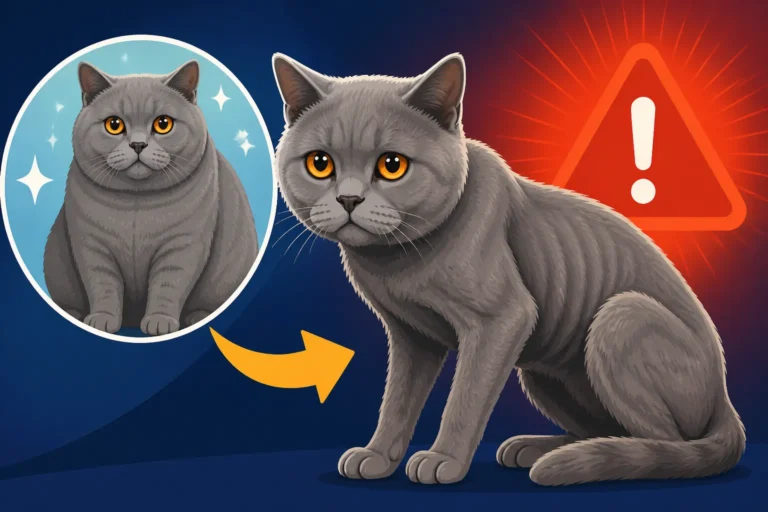
Hemophilia B in cats is an X-linked recessive disorder, which means it primarily affects male cats, though females can be carriers. Essentially, it's a deficiency in Factor IX, one of the crucial proteins needed for normal blood clotting. Imagine your cat getting a tiny cut, something that would usually heal up quickly, but for a cat with Hemophilia B, that small cut could turn into a life-threatening bleed. This isn't just about external injuries; internal bleeding can occur too, sometimes spontaneously, affecting joints, muscles, or even vital organs. Breeders often worry about Whether a British Shorthair Hemophilia Carrier Bleeds, but typically carriers do not show symptoms themselves, only passing the gene on to their offspring.
The reasons for testing are manifold. For breeders, it's absolutely paramount to identify carriers to prevent passing this devastating gene down to future generations. No ethical breeder wants to produce kittens that will suffer from such a condition, or inadvertently contribute to its spread within the breed. Screening breeding stock is a cornerstone of responsible breeding practices, ensuring the health and integrity of the British Shorthair lineage. Beyond breeders, pet owners might consider testing if they have concerns about their cat's lineage or if unexplained bleeding issues arise, although clinical signs typically appear early in life. Early detection means you can work with your vet to manage the condition, providing the best possible quality of life for your cat. This proactive approach helps mitigate potential heartbreak and significant veterinary bills down the line. It's truly one of the health checks a good What a British Shorthair Breeder Should Have Tested for.
The challenge with Hemophilia B, and many other genetic conditions, is that you can't always tell if a cat is a carrier just by looking at them. They might appear perfectly healthy. This is why genetic testing is so vital. It provides a definitive answer, allowing informed decisions, whether that's regarding breeding pairings or simply understanding a pet's long-term health needs.
Reputable Laboratories Offering British Shorthair Hemophilia B Testing
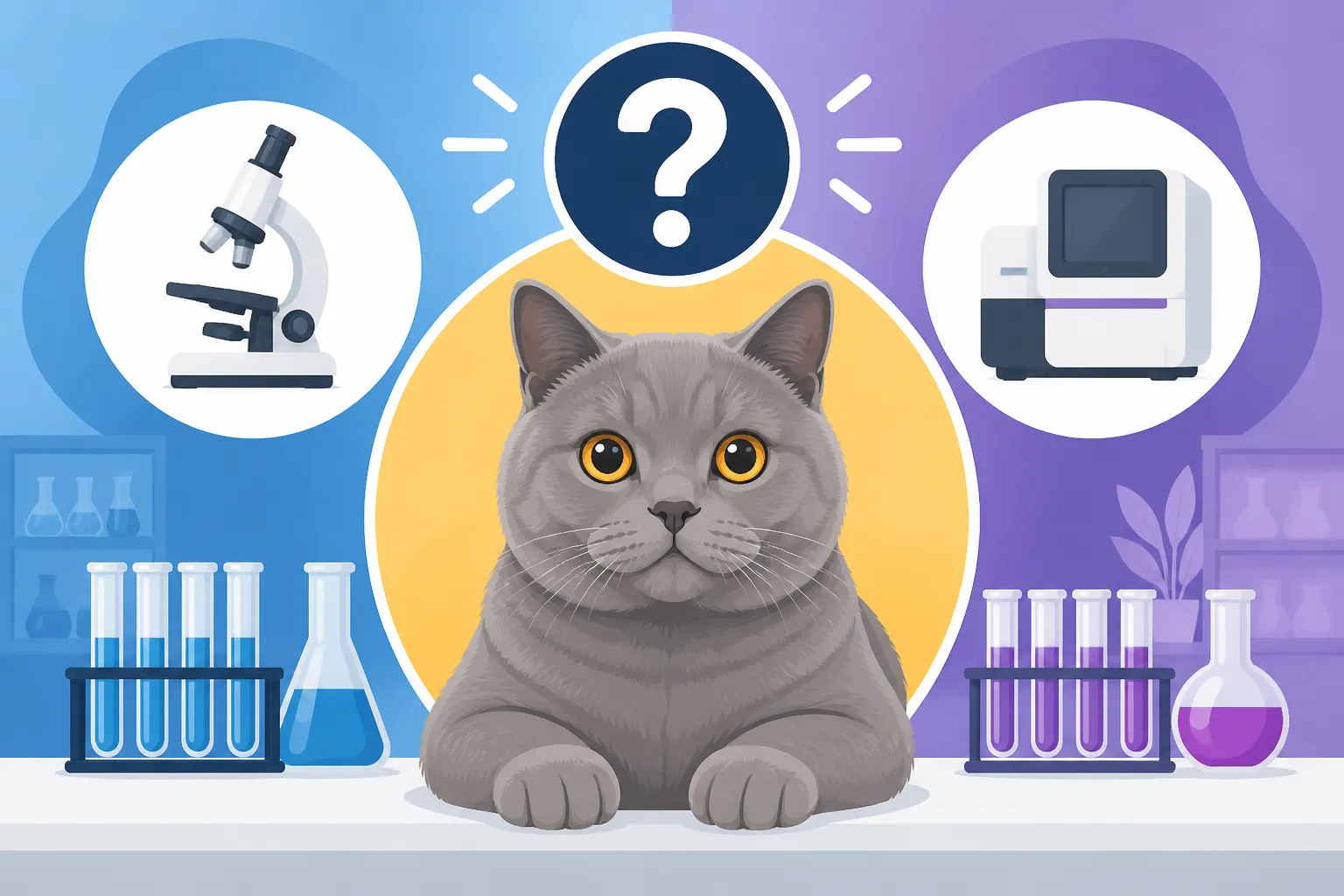
When you're dealing with something as important as your cat's genetic health, you can't just send a sample to any lab. You need a facility that specializes in feline genetics, has a strong track record, and offers tests specifically validated for British Shorthairs. The good news is that advancements in veterinary genetics have made these tests accessible.
One of the most widely recognized and respected laboratories for feline genetic testing, including Hemophilia B, is UC Davis Veterinary Genetics Laboratory (VGL). Located at the University of California, Davis, this institution has a long-standing reputation for pioneering genetic research and offering comprehensive diagnostic services for a wide array of animal species, including cats. They are known for their scientific rigor and the accuracy of their results. They specifically offer a DNA test for Hemophilia B (Factor IX Deficiency) that is applicable to British Shorthairs.
Another highly regarded option is Optimal Selection Feline Genetic Breeding Analysis by Wisdom Panel, which is now part of Kinship. While Wisdom Panel is well-known for dog DNA tests, their Optimal Selection panel covers a broad spectrum of genetic diseases and traits in cats, often including specific tests relevant to British Shorthairs, such as Hemophilia B. This service is often favored by breeders because it allows for testing of multiple conditions from a single sample, offering a more holistic genetic profile. They often partner with veterinarians, providing clear instructions for sample collection and submission.
The Laboklin diagnostic laboratory, based in Europe but offering services globally, is another excellent choice. They are known for their extensive catalog of genetic tests for companion animals and have a strong reputation among European breeders. Laboklin also offers a specific genetic test for Hemophilia B (Factor IX deficiency) that is suitable for British Shorthairs. Their detailed reports and scientific backing make them a reliable option.
What makes these labs reputable? It's not just about running a test; it's about the scientific expertise behind it. These labs employ geneticists, veterinarians, and molecular biologists who understand the nuances of inherited diseases. They use validated testing methods, often PCR-based DNA tests, which are highly accurate for identifying specific genetic mutations. They also provide clear, understandable results, often with explanations of what "clear," "carrier," or "affected" means for your cat. When considering a lab, always look for evidence of accreditation, published research, and recommendations from veterinary specialists or breed clubs. These details ensure that the results you receive are reliable and actionable. You also want to know that the test is indeed valid for British Shorthairs, as some genetic tests are breed-specific. For example, Whether the Maine Coon Test Works on a British Shorthair for HCM, the answer is generally no, and similar breed-specificity can apply to other genetic tests.
Submitting samples is usually straightforward with these labs. Typically, you'll order a testing kit, which includes sterile cheek swabs. You'll gently swab the inside of your cat's mouth to collect epithelial cells, which contain DNA. Detailed instructions are always provided with the kit, and some labs might require your veterinarian to collect the sample to ensure proper technique and chain of custody. Once collected, you simply mail the swabs back to the lab using the provided packaging.
The Testing Process and What to Expect
Let's walk through what actually happens once you decide to get your British Shorthair tested for Hemophilia B. The process is designed to be as simple and non-invasive as possible for your feline friend.
The first step is typically ordering a test kit from your chosen laboratory. For instance, if you go with UC Davis VGL, you'd visit their website, select the Feline Hemophilia B test, and they'll send you a kit. This kit usually contains a set of sterile buccal swabs – essentially like large Q-tips – and detailed instructions on how to collect your cat's DNA sample.
Sample Collection: This is usually a DIY job, but some breeders prefer their vet to do it, especially if they are collecting samples for What a Full British Shorthair Health Panel Costs at once. You'll gently rub the sterile swab firmly against the inside of your cat's cheek for about 10-15 seconds. It's not painful, but some cats might find it a bit odd, so it helps to have them relaxed or distracted with a treat. You'll usually need to swab two or three times with different swabs to get enough cellular material. It's crucial to avoid contamination, so make sure your cat hasn't eaten recently (some recommend an hour before) and keep the swabs sterile. Once collected, the swabs are allowed to air dry completely before being placed back into their protective sleeves or envelopes. This prevents mold growth during transit.
Submission and Analysis: You'll then fill out the necessary paperwork included in the kit, which typically asks for your cat's name, breed, date of birth, and owner information. Package everything up according to the lab's instructions and mail it back. Most labs will provide a submission form to ensure all details are correct. Once the lab receives your sample, their technicians will extract the DNA from the cheek cells. They then perform a specialized genetic test, often a Polymerase Chain Reaction (PCR), to look for the specific genetic mutation known to cause Hemophilia B in British Shorthairs. This is a highly accurate method for identifying the presence or absence of the mutated gene.
Receiving and Interpreting Results: The turnaround time can vary, but typically, you can expect results within 2-4 weeks. Some labs, like Optimal Selection, might have faster options available for an extra fee. You'll usually receive the results via email or through an online portal. The results will clearly state whether your British Shorthair is:
- Clear (or Homozygous Normal): This means your cat does not carry the gene mutation for Hemophilia B and cannot pass it on to offspring. This is the ideal result for any cat, especially a breeding animal.
- Carrier (or Heterozygous Affected): This means your cat carries one copy of the gene mutation but typically does not show clinical signs of the disease. Female carriers are usually asymptomatic, but male carriers can sometimes show mild symptoms depending on the specific mutation. However, the biggest concern for carriers is that they can pass the gene on to their kittens. If a carrier female is bred with a non-carrier male, roughly half of her male kittens could be affected, and half of her female kittens could be carriers. This is a critical result for breeders, dictating careful selection of breeding partners. Whether a British Shorthair Hemophilia Carrier Bleeds is a common concern, but typically they don't, making genetic testing the only way to identify them.
- Affected (or Homozygous Affected): This means your cat has two copies of the gene mutation (if female) or one copy (if male, as it's X-linked) and will likely develop or already exhibits clinical signs of Hemophilia B. Affected male British Shorthair kittens are often noticed very early, as How Hemophilia B Shows in a British Shorthair Kitten can include spontaneous bleeding or prolonged bleeding after minor injuries like teething or vaccination. This result requires careful veterinary management to ensure the cat's well-being.
Understanding these results is crucial. For breeders, an affected cat should never be bred, and carrier cats require careful breeding decisions to avoid producing affected kittens. For pet owners, an affected cat means a lifelong commitment to managing a bleeding disorder, potentially involving emergency veterinary care for bleeding episodes. This is where comprehensive pet insurance, such as a plan from Healthy Paws, can be incredibly valuable, helping to cover the costs of unexpected treatments and ongoing care.
Choosing the Best Lab for Your Needs
Deciding which laboratory to use for your British Shorthair's Hemophilia B test isn't a decision to take lightly. There are several factors to weigh, ensuring you get accurate, reliable results that empower you to make the best decisions for your feline companion.
First and foremost is accuracy and reliability. This sounds obvious, but it's paramount. The labs mentioned earlier – UC Davis VGL, Optimal Selection by Wisdom Panel, and Laboklin – are all excellent choices because they are well-established, have robust quality control measures, and are backed by scientific research. Avoid lesser-known labs or those offering significantly cheaper prices without clear scientific backing, as inaccurate results could lead to devastating consequences, either by continuing to breed affected lines or by causing unnecessary worry for a healthy cat. You want a lab that consistently produces precise results, especially for a serious condition like Hemophilia B.
Cost is, of course, a practical consideration. The price for a Hemophilia B test can vary, generally ranging from $50 to $100 for a standalone test. If you opt for a comprehensive genetic panel that tests for multiple conditions, like the Optimal Selection panel, the cost will be higher but might be more economical in the long run if you need to screen for several issues at once. For example, What the British Shorthair Hemophilia B Test Costs individually might seem low, but when combined with other vital tests like for Polycystic Kidney Disease (PKD) or even blood typing, it adds up. Always compare the total cost, including any shipping fees for the kit or results.
Turnaround time is another factor, especially for breeders who might be planning upcoming litters. While typical turnaround is 2-4 weeks, some labs offer expedited services for an additional fee. If you're in a hurry to get results, check if this is an option. However, rushing should never compromise accuracy.
Customer service and support are often overlooked but incredibly important. What if you have questions about the sample collection process? What if you don't understand your results? A good lab will have knowledgeable staff available to answer your questions and provide support. This is particularly valuable for breeders who might need guidance on interpreting complex genetic reports or discussing breeding strategies based on the results. Look for labs with clear contact information and positive reviews regarding their support.
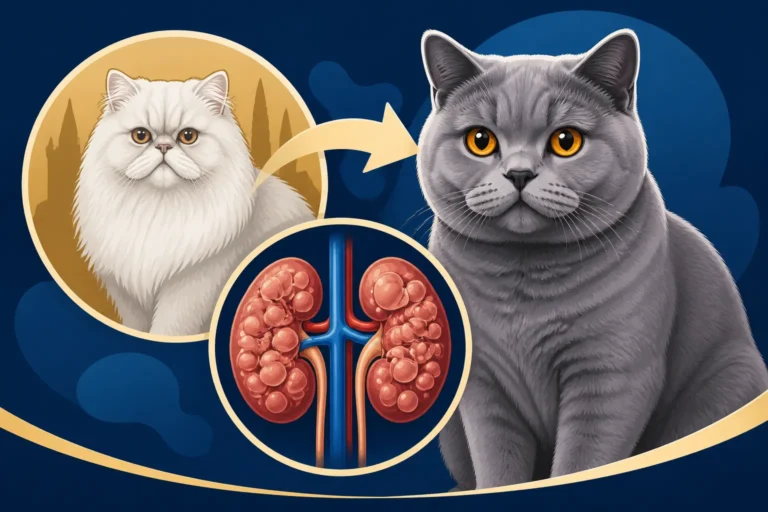
Consider additional tests offered. If you're going to the trouble of collecting a DNA sample, it might be worthwhile to choose a lab that offers a comprehensive panel. Many British Shorthair breeders will also want to screen for Polycystic Kidney Disease Came Into the British Shorthair With the Persians and HCM in a British Shorthair Has No DNA Test (though HCM is typically screened via echocardiogram, genetic markers for other breeds can sometimes be included in a panel). Combining tests can be more convenient and sometimes more cost-effective. For instance, the Optimal Selection panel might also include important blood type information, which is critical for British Shorthair breeding. Knowing your cat's full genetic profile can prevent many future health crises.
Finally, always consult with your veterinarian. Your vet is your best resource for guiding you through genetic testing. They can help you understand why a particular test is important for your cat, assist with sample collection if needed, and most importantly, help you interpret the results in the context of your cat's overall health and your breeding program. They might also have recommendations for specific labs they've had good experiences with. Sometimes, your vet might have preferred labs that integrate easily with their practice's system, streamlining the process.
To help you compare, here's a quick overview of what you might expect from some of the top labs:
| Feature | UC Davis VGL | Optimal Selection (Wisdom Panel) | Laboklin (Europe-based) |
|---|---|---|---|
| Test Focus | Individual tests, research-focused | Comprehensive breeding panels | Wide range of individual tests |
| Hemophilia B Test | Yes (Factor IX Deficiency) | Yes (part of panel) | Yes (Factor IX Deficiency) |
| Typical Cost Range | ~$50 – $80 (per test) | ~$100 – $150 (for full panel) | ~€50 – €80 (per test) |
| Turnaround Time | 2-4 weeks | 2-3 weeks (can expedite) | 2-3 weeks |
| Sample Type | Buccal swabs | Buccal swabs | Buccal swabs, blood, tissue |
| Customer Support | Excellent, research-oriented | Very good, breeder-focused | Good, strong scientific support |
| Additional Tests | Many individual disease tests | Large panel (PKD, blood type, colors) | Many individual disease/trait tests |
This table provides a snapshot, but it's always best to visit each lab's website for the most current pricing and test offerings. Remember, investing in these genetic tests is an investment in the future health of your British Shorthair and the breed as a whole. It helps ensure that you can prevent passing on debilitating conditions and, ultimately, contributes to a happier, healthier life for these wonderful cats. And when considering the long-term, having pet insurance like Healthy Paws in place can provide an essential safety net for any unforeseen health challenges, even with the best genetic screening.
Disclaimer
This article is for general informational purposes only and does not constitute professional advice. Laws, prices and regulations vary by location and change over time. Consult a qualified professional for guidance on your specific situation.