What the British Shorthair Hemophilia B Test Costs
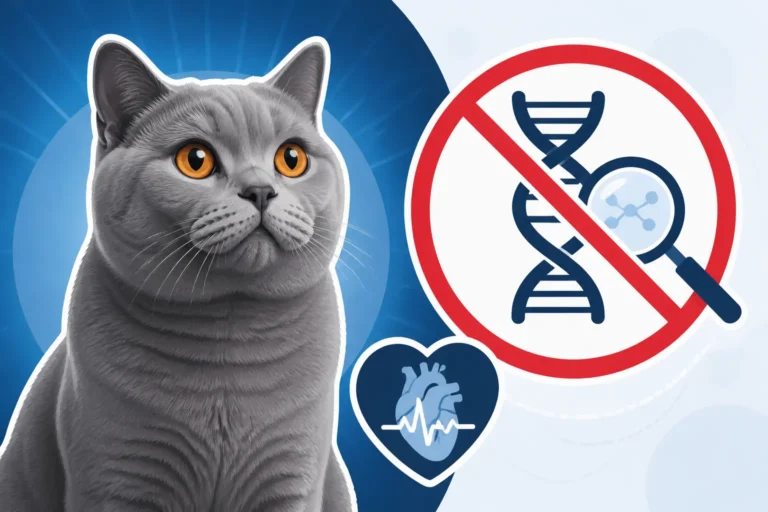
The worry of an unseen health issue lurking in your beloved British Shorthair is a burden many owners and dedicated breeders carry. Discovering that a cat carries a serious genetic condition like Hemophilia B, which can lead to life-threatening bleeding episodes, is incredibly distressing. This guide aims to shed light on the cost of testing for British Shorthair Hemophilia B, helping you understand not just the price tag, but the immense value and peace of mind it offers.
Understanding Hemophilia B in British Shorthairs
Hemophilia B is a serious concern for many cat breeds, including our plush British Shorthairs. It’s not a condition that's immediately obvious in every cat carrying the gene, which makes testing absolutely vital for responsible ownership and breeding.
What Hemophilia B Is and Why It Matters
Hemophilia B, often called Factor IX deficiency, is a genetic bleeding disorder. It means that an affected cat's blood lacks or has insufficient amounts of Factor IX, a crucial protein needed for blood clotting. Without enough of this factor, even a minor cut or bruise can lead to prolonged, dangerous bleeding. Internally, a bump or a fall that would be harmless to a healthy cat could cause severe internal hemorrhaging, often unnoticed until it's too late. Imagine your playful kitten taking a tumble and developing a massive bruise that just won't stop growing, or needing a routine dental cleaning only for the bleeding to become uncontrollable. This is the grim reality for cats with Hemophilia B. While thankfully not as prevalent as some other genetic conditions, its severity means it warrants careful consideration. If you're wondering, you can learn more about What Hemophilia B Does to a British Shorthair.
How Hemophilia B Is Inherited
Hemophilia B is an X-linked recessive disorder. This means it's carried on the X chromosome, and its inheritance pattern is a bit complex, often affecting males more severely than females. Here’s a breakdown:
- Affected Males (XY): Males only have one X chromosome, so if they inherit the faulty gene on that X chromosome, they will develop the disease. They will show symptoms because there's no second X chromosome to compensate.
- Carrier Females (XX): Females have two X chromosomes. If they inherit one faulty X chromosome and one normal X chromosome, they are typically "carriers." They usually don't show symptoms of the disease themselves because the healthy X chromosome produces enough Factor IX to prevent severe bleeding. However, they can pass the faulty gene on to their offspring.
- Affected Females (XX): For a female to be affected and show symptoms, she would need to inherit two faulty X chromosomes – one from each parent. This is much rarer.
- Clear Cats: These cats have two normal X chromosomes (females) or one normal X and a Y chromosome (males) and do not carry or express the disease.
The tricky part for breeders is identifying those carrier females, as they appear perfectly healthy but can still produce affected kittens if bred with the wrong male. This makes proactive testing essential to break the cycle of inheritance. The consequences for Whether a British Shorthair Hemophilia Carrier Bleeds are usually minimal, but the risk to their progeny is significant.
The Importance of Hemophilia B Testing
Testing for Hemophilia B isn't just about satisfying a breeder's curiosity; it's a critical step in ethical breeding and responsible pet ownership, preventing immense suffering and heartache down the line.
Why Breeders Test for Hemophilia B
For British Shorthair breeders, genetic testing for Hemophilia B is a cornerstone of responsible breeding practices. It's about preserving the health and integrity of the breed, ensuring that kittens born into their care have the best possible start in life. Here's why it's so important:
- Preventing Suffering: The primary reason is to prevent the birth of affected kittens who would suffer from a debilitating, potentially fatal bleeding disorder. No responsible breeder wants to knowingly bring such an animal into the world. Testing allows them to make informed breeding decisions, avoiding pairings that could produce affected offspring.
- Maintaining Breed Health: By identifying carriers and removing them from breeding programs (or carefully selecting mates that are clear), breeders slowly reduce the prevalence of the gene within the British Shorthair population. This contributes to the overall health and genetic diversity of the breed. It’s part of a broader health screening regimen that also includes concerns like Polycystic Kidney Disease Came Into the British Shorthair With the Persians and HCM in a British Shorthair Has No DNA Test.
- Transparency and Reputation: Reputable breeders are transparent about their health testing protocols and results. Providing proof of Hemophilia B testing (alongside other vital tests like for HCM and PKD) reassures potential kitten buyers that they are acquiring a healthy cat from a conscientious source. This builds trust and upholds the breeder's ethical standing in the British Shorthair community. For a breeder, this is as crucial as understanding What a British Shorthair Breeder Should Have Tested.
When a Pet Owner Might Consider Testing
While breeders primarily drive genetic testing, there are instances where a pet owner might consider testing their British Shorthair, even if they have no plans to breed.
- Unexplained Bleeding or Bruising: If your British Shorthair, especially a male, exhibits unusual or prolonged bleeding after a minor injury, surgery (like neutering), or even unexplained bruising, your vet might recommend testing for bleeding disorders, including Hemophilia B. Sometimes, symptoms like bleeding after routine procedures, such as a neuter, are the first indicators. This is why Why British Shorthair Hemophilia Shows Up After Neutering is a common concern for male kittens.
- Considering a New Introduction: If you have other cats in your household and are introducing a new British Shorthair, knowing its genetic status can be helpful for overall health management, although the risk of transmission to other cats isn't the primary concern here. It's more about understanding your new cat's specific health needs.
- Curiosity and Preparedness: Some proactive owners simply want to know every possible detail about their cat's health, particularly if they are concerned about any vague familial history or want to be fully prepared for any potential health challenges down the line. While not always necessary for a pet-only cat, it provides complete peace of mind. For pet owners, it's also worth noting Whether a Neutered British Shorthair Needs Typing for blood type, which is another important, though separate, genetic consideration.
Breaking Down the British Shorthair Hemophilia B Test Cost
Now, let's talk numbers. The cost of a Hemophilia B test for a British Shorthair can vary, but generally, it's a relatively affordable genetic screening when you consider the information it provides and the potential costs it could help you avoid.
Typical Price Range for DNA Testing
Based on current market rates and common veterinary lab prices, you can expect the DNA test for British Shorthair Hemophilia B to cost anywhere from $50 to $150 USD per cat. This range covers most reputable genetic testing laboratories that specifically offer a test for Factor IX deficiency (Hemophilia B) in felines. Some labs might offer it as a standalone test, while others include it in a larger breed-specific health panel. For a British Shorthair breeder, this test is often part of a more comprehensive panel that might also include tests for Polycystic Kidney Disease (PKD) and other breed-relevant conditions, which can sometimes reduce the per-test cost. The specific cost to you might vary based on your location and chosen lab. You can look into What the British Shorthair Hemophilia B Test Costs for more detailed current pricing information.
Factors Influencing the Test Price
Several elements can impact the final price you pay for a British Shorthair Hemophilia B test:
- The Specific Laboratory: Different genetic testing labs have different pricing structures. Some well-known labs specializing in animal genetics, such as Optimal Selection or Orivet, offer comprehensive panels that include Hemophilia B. Their individual pricing might vary. Researching a few options and comparing what they offer is always a good idea.
- Stand-alone vs. Panel Testing: If you're just testing for Hemophilia B, it might be slightly more expensive as a stand-alone test compared to when it's part of a larger breed-specific panel. Many breeders opt for a full panel to screen for multiple genetic conditions at once, which can sometimes offer a better value per test.
- Geographic Location: Prices can differ slightly depending on where you are located. Veterinary services and lab fees can have regional variations, so a test in, say, California might be priced differently than one in Florida or the UK.
- Veterinary Involvement: If your veterinarian collects the sample (usually a buccal swab from the inside of the cheek) and submits it to the lab on your behalf, they might charge a collection fee or a handling fee in addition to the lab's testing cost. Some owners choose to collect the sample themselves, following the lab's instructions, to save on vet fees, but it's crucial to ensure proper collection to avoid contamination or insufficient sample issues.
- Shipping Costs: Don't forget to factor in the cost of shipping the sample to the laboratory, especially if it's an international shipment. Most labs will provide a kit with instructions and a return envelope, but you might be responsible for postage.
What the Cost Includes
When you pay for a Hemophilia B test, you're not just paying for a cotton swab. The cost typically covers several essential components:
- The Testing Kit: This usually includes the sterile buccal swabs, collection tubes or envelopes, and detailed instructions on how to properly collect the DNA sample.
- Laboratory Analysis: This is the core of the cost – the actual scientific work of extracting DNA from the sample, performing the genetic analysis (PCR, sequencing, etc.) to identify the presence or absence of the specific mutation associated with Hemophilia B (Factor IX deficiency). This is a specialized process requiring trained technicians and expensive equipment.
- Interpretation and Reporting: Once the analysis is complete, the lab interprets the genetic data and generates a clear, concise report. This report will typically state whether your cat is clear, a carrier, or affected by Hemophilia B. Many labs also provide a certificate that you can keep for your records or provide to prospective kitten buyers. This comprehensive service ensures you get actionable information.
The Long-Term Value of Testing
While any upfront cost for testing might seem like an extra expense, the Hemophilia B test is an investment that pays dividends in the long run, both financially and emotionally.
Avoiding Future Veterinary Expenses
Consider the alternative: not testing and then discovering your British Shorthair is affected by Hemophilia B. The costs associated with managing a bleeding disorder can be astronomical.
- Emergency Vet Visits: Even minor injuries can lead to emergency trips to the vet, potentially incurring after-hours fees. Internal bleeding might require extensive diagnostics like ultrasounds or even exploratory surgery.
- Blood Transfusions: If a cat experiences significant blood loss, it might need a blood transfusion, which is a complex and expensive procedure.
- Ongoing Management: While there's no cure for Hemophilia B, managing an affected cat often involves careful monitoring, medication to help with clotting (though Factor IX replacement is rarely practical for pets), and specialized care to prevent injuries. This can involve frequent vet visits, specialized diets, and a carefully controlled environment. These are costs that can easily run into thousands of dollars over a cat's lifetime, dwarfing the initial cost of a genetic test.
- Preventing Litters with Affected Kittens: For breeders, testing one breeding pair to avoid producing an entire litter of affected kittens is a no-brainer financially. The ethical cost of selling sick kittens or having to rehome them due to severe health issues is immeasurable. The investment in genetic testing truly prevents a cascade of much larger, more tragic expenses and heartbreak.
Peace of Mind for Breeders and Owners
Beyond the financial aspect, the peace of mind gained from testing is invaluable.
- For Breeders: Knowing that your breeding cats are clear of Hemophilia B (or, if they are carriers, that you're making responsible choices to avoid affected offspring) allows you to breed with confidence. You can assure your kitten buyers that their new family member comes from parents thoroughly screened for this serious condition. This transparency enhances your reputation and commitment to feline welfare. It's about protecting the future of the breed, ensuring that Whether an Affected British Shorthair Should Be Bred is a question answered by responsible testing.
- For Pet Owners: Even if you don't plan to breed, knowing your British Shorthair is clear of Hemophilia B means you don't have to worry about this specific genetic ticking time bomb. You can rest easy knowing that a minor scratch or a routine dental procedure isn't likely to turn into a life-threatening emergency due to a genetic clotting deficiency. If your cat is a carrier, while they won't typically show symptoms, knowing this allows you to be extra vigilant and inform your vet, should any unusual bleeding occur. This knowledge empowers you to provide the best possible care throughout your British Shorthair's life, which can span The Twelve to Seventeen Years a British Shorthair Gets.
Insurance Considerations
When considering genetic testing, it's natural to wonder about pet insurance. While specific policies vary wildly, here's a general overview, keeping brands like Healthy Paws in mind:
- Coverage for Genetic Testing Itself: Generally, most pet insurance policies, including those from providers like Healthy Paws, do not cover the cost of preventative genetic testing (like the Hemophilia B DNA test) for breeding purposes or general screening when the cat is healthy and not showing symptoms. These tests are often considered pre-existing conditions or elective screenings by insurers.
- Coverage for Treatment of Symptoms: This is where pet insurance becomes invaluable. If your British Shorthair were to be diagnosed with Hemophilia B after your policy was in force and before it was deemed a pre-existing condition, then the costs associated with treating any bleeding episodes, emergency veterinary care, blood transfusions, or ongoing management related to Hemophilia B are typically covered. For instance, if your cat experiences a spontaneous bleed that requires a lengthy hospital stay, a comprehensive plan from a provider like Healthy Paws would likely help cover a significant portion of those expenses, which could easily be in the thousands.
- Importance of Early Insurance: If you are concerned about potential genetic conditions, it's always best to enroll your British Shorthair in a pet insurance plan as early as possible, ideally when they are a kitten. This ensures that any condition that develops later, and isn't a known pre-existing condition at the time of enrollment, will likely be covered. Always read the fine print of any policy to understand what is and isn't covered regarding genetic and congenital conditions.
Ultimately, the small investment in a Hemophilia B test provides crucial information that empowers you to protect your British Shorthair's health and well-being, potentially saving you from far greater financial and emotional burdens in the future.
| Factor | Description | Typical Impact on Cost |
|---|---|---|
| Laboratory Choice | Different labs have varying pricing structures. | Low to Moderate (e.g., $50-$150) |
| Test Type | Stand-alone Hemophilia B test vs. part of a panel. | Panel often offers better per-test value. |
| Geographic Location | Regional differences in veterinary and lab service costs. | Low |
| Veterinarian Involvement | Vet collecting sample and submitting vs. owner self-collect. | Adds collection/handling fees ($20-$50+). |
| Shipping | Cost of mailing sample to the lab. | Low (often included in kit or minimal postage). |
| Comprehensive Report | Detailed results and official certificate. | Usually included in base test price. |
Disclaimer
This article is for general informational purposes only and does not constitute professional advice. Laws, prices and regulations vary by location and change over time. Consult a qualified professional for guidance on your specific situation.