Whether a Neutered British Shorthair Needs Typing
It’s a common conundrum, isn’t it? You’ve got your sweet, chunky British Shorthair, happily neutered and living their best indoor life. The thought of blood typing them probably feels like an unnecessary extra expense, something only breeders really need to worry about. But in the unpredictable world of pet ownership, knowing your cat's blood type can actually be a silent guardian, ready to step in during a crisis when every second counts. This guide will help you understand why, even for a non-breeding British Shorthair, this small piece of information can make a world of difference.
Understanding British Shorthair Blood Types and Why They Matter
Before we dive into whether your neutered companion needs typing, let's unpack what feline blood types are and why they're such a big deal, especially in certain breeds like our beloved British Shorthairs. It’s more complex than you might initially think!
The Basics of Feline Blood Types
Just like humans, cats have different blood types, though the system is a bit simpler. The most common feline blood group system is the AB system, which includes three main types: Type A, Type B, and the very rare Type AB. The vast majority of domestic cats are Type A. However, certain breeds have a much higher prevalence of Type B, and this is where British Shorthairs come into the spotlight.
In British Shorthairs, specifically, Type B blood can be quite common. Studies have shown that a significant percentage of British Shorthairs carry the gene for Type B, and some are Type B themselves. This isn't just a quirky fact; it has profound implications, particularly for breeding, but as we’ll see, it can also impact pet cats. Understanding Which Blood Types a British Shorthair Can Have and How Many British Shorthairs Are Blood Type B is really the first step in appreciating this topic.
Genetically, Type A is dominant over Type B. This means a cat can be genetically A/A (homozygous Type A) or A/b (heterozygous Type A, carrying the B gene but expressing A). A cat must be b/b to be Type B. Type AB is an interesting one, expressing both A and B antigens, but it's exceptionally rare. The inheritance patterns are crucial for breeders, but even for pet owners, knowing these basics helps to grasp the gravity of potential issues.
Why Blood Type is Critical for Breeding British Shorthairs
For breeders, blood typing is non-negotiable, a fundamental part of responsible breeding practices. The main reason? A devastating condition called Neonatal Isoerythrolysis (NI). This is where a Type B queen (female cat) is bred to a Type A or AB tom (male cat). The kittens will inherit Type A blood from the father, even if the mother carries the B gene.
When these Type A kittens nurse from their Type B mother, they ingest her colostrum, which contains high levels of anti-A antibodies. These antibodies literally attack and destroy the Type A red blood cells in the kittens' tiny bodies. It's a heartbreaking scenario, often leading to fading kitten syndrome, anemia, jaundice, and ultimately, death within the first few days of life. This is why it's so important for breeders to know What Blood Type B Means in a British Shorthair and exactly Why a Type B British Shorthair Queen Kills Type A Kittens.
A responsible British Shorthair breeder will meticulously blood type all their breeding cats to prevent such pairings. They understand the heartache and loss that What Neonatal Isoerythrolysis Does to a British Shorthair Kitten can cause, and they take every precaution. This is why you should always ask a breeder about their cats' blood types when considering a kitten, even if you plan to neuter your new family member.
Blood Typing for Your Neutered British Shorthair: The Real-World Scenario
So, if your British Shorthair is already neutered, the breeding concerns are off the table. Does that mean blood typing is completely irrelevant? Not necessarily. While the primary driver for blood typing is breeding, there are very real, albeit less common, scenarios where knowing your pet cat's blood type could be a true lifesaver.
When Blood Typing Becomes Essential Beyond Breeding
The most crucial situation where a neutered cat's blood type comes into play is during an emergency requiring a blood transfusion. Imagine a sudden accident, a severe illness like immune-mediated hemolytic anemia, or a complicated surgery with unexpected blood loss. In these critical moments, a blood transfusion might be the only thing that can save your cat's life.
However, transfusing the wrong blood type can be catastrophic. If a Type B cat receives Type A blood, or vice versa, a severe, often fatal, immune reaction can occur. The recipient's body will immediately reject the incompatible blood, leading to organ damage, shock, and death. This is precisely Why Blood Type Matters for a British Shorthair Transfusion.
In an emergency, every minute counts. If your cat needs a transfusion and you don't know their blood type, the veterinary team will have to perform an urgent blood typing test and cross-match. While these tests are generally quick, they still take precious time – time that your critically ill or injured British Shorthair might not have. Having that information readily available can shave off critical minutes, potentially making the difference between life and death.
The Practicalities and Cost of Testing Your Pet Cat
Getting your British Shorthair blood typed is a relatively straightforward procedure. Your vet will typically draw a small blood sample from your cat. There are a couple of ways this sample can be tested:
- Card Agglutination Test: Some veterinary clinics can perform an in-house test using a specialized card that reacts to the blood sample, giving a rapid result (often within minutes). This is convenient for quick identification.
- Reference Laboratory Testing: For a more definitive and often more comprehensive result, your vet might send the blood sample to an external reference laboratory. These labs use more advanced techniques and can provide a very accurate and certified blood type.
The cost of a British Shorthair blood type test can vary depending on your location, the veterinary clinic, and whether an in-house test or a lab test is used. Generally, you can expect to pay anywhere from $50 to $150 for a full blood typing panel. While this isn't pocket change, when you consider it as a one-time investment that could save your cat's life, it often feels like a small price to pay.
You might wonder, What a British Shorthair Blood Type Test Costs and whether it's truly worth it if your cat seems healthy. It's an interesting discussion many owners have with their vets. Some clinics, especially those experienced with British Shorthairs, might even recommend it as part of a routine check-up, alongside other important health screenings. It's definitely something to discuss with your vet when they outline What a British Shorthair's Yearly Bloodwork Should Cover.
Weighing the Pros and Cons for a Non-Breeding Cat
Deciding whether to blood type your neutered British Shorthair really comes down to a personal risk assessment and what brings you peace of mind as a pet owner. There are compelling arguments on both sides.
Benefits of Knowing Your Neutered British Shorthair's Blood Type
The primary benefit, as touched upon, is the faster emergency care in a transfusion scenario. In a true emergency, every minute counts. Imagine your cat is hit by a car, or develops a sudden, severe anemia. Being able to tell the emergency vet, "My British Shorthair is Type A (or Type B)" immediately streamlines the process, allowing them to quickly source compatible blood and begin the life-saving transfusion without delay. This preparedness can genuinely be a matter of life or death.
Beyond speed, it offers reduced stress during emergencies. When you're in a high-stakes veterinary emergency, your mind is racing. Having one less unknown, one less test that needs to be done under pressure, can significantly ease that burden. You know you've done everything you can to prepare for the unexpected.
It also provides peace of mind for you, the owner. Knowing this vital piece of information means you’re proactively equipped for rare but critical situations. It’s part of a comprehensive approach to your pet's health and safety, much like microchipping or ensuring they have up-to-date vaccinations. This kind of forward thinking can extend to how you manage potential medical costs, with pet insurance providers like Healthy Paws offering robust coverage for emergency treatments that might involve transfusions.
Arguments Against Routine Typing for Pet-Only Cats
Despite the benefits, it’s understandable why many owners might hesitate. The most common argument against routine blood typing for a pet-only British Shorthair is the cost for a seemingly low-risk scenario. While emergencies do happen, blood transfusions are not an everyday occurrence for most cats. Owners might feel that the money could be better spent on other preventative care, like regular dental cleanings or quality food.
Another point to consider is that many vets will type on the spot if needed. Most emergency veterinary hospitals and even many general practices are equipped to perform rapid blood typing in-house if a transfusion becomes necessary. While this adds a small delay, it often doesn't negate the possibility of a successful transfusion. The question then becomes whether the time saved by pre-typing is significant enough to warrant the upfront cost.
Ultimately, for many, if their cat is spayed or neutered and lives a safe, indoor life, they might conclude that the likelihood of needing a transfusion is so remote that it doesn't justify the expense. This is a perfectly valid perspective, reflecting a balanced view of pet care. It's part of the broader discussion of Whether a Pet British Shorthair Needs Blood Typing at all.
| Factor | Pros of Blood Typing Neutered BSH | Cons of Blood Typing Neutered BSH |
|---|---|---|
| Emergency Preparedness | Faster, safer transfusions | Not always immediately necessary |
| Cost | One-time, potentially life-saving | Upfront expense for rare event |
| Owner Stress | Reduces unknowns in crisis | May feel like an unnecessary worry |
| Veterinary Process | Streamlines care | Vets can type on demand |
| Risk Assessment | Prepares for unexpected trauma/illness | Low likelihood of transfusion needs |
Making the Decision: What's Right for Your British Shorthair?
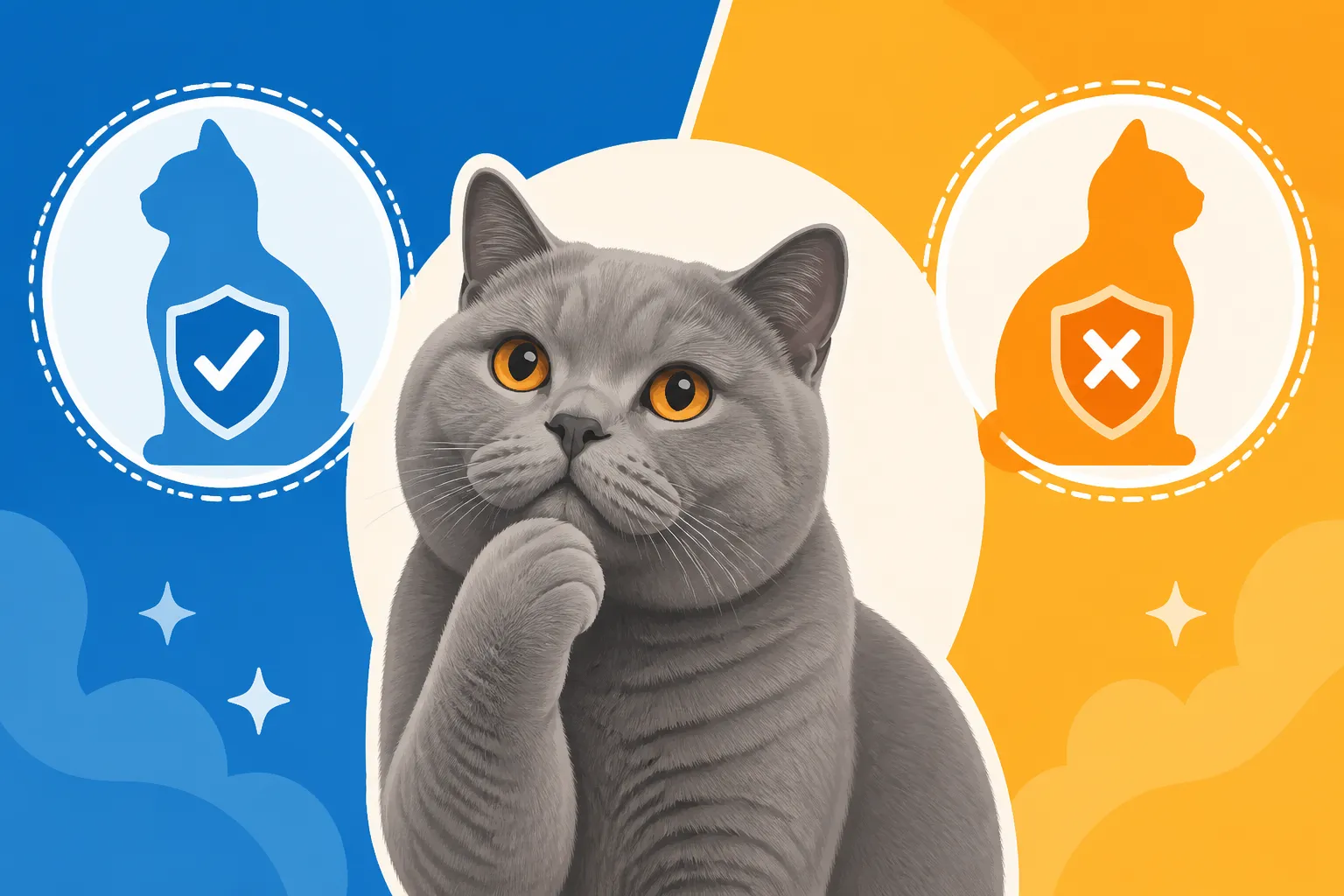
The decision to blood type your neutered British Shorthair is ultimately a personal one, weighing the potential benefits against the cost and perceived necessity. There’s no single right answer for every family.
Consulting Your Veterinarian
The very first step should always be a conversation with your trusted veterinarian. They know your British Shorthair's individual health history, lifestyle, and any unique risk factors. They can provide personalized advice based on their experience and the capabilities of their clinic and local emergency services.
For example, if you live in a rural area where access to a fully equipped 24/7 emergency veterinary hospital is hours away, having your cat's blood type on file might be even more critical. In such a situation, every minute saved in an emergency transport could make a huge difference. Your vet can also explain the specifics of How a British Shorthair Is Blood Typed at their facility and what the associated costs would be.
They might also discuss other preventative measures important for British Shorthairs, such as regular cardiac screenings to monitor for conditions like Hypertrophic Cardiomyopathy (HCM), a common concern in the breed. While knowing the blood type is different from screening for disease, it's all part of proactive health management.
Insurance Considerations and Proactive Planning
It's also worth considering how pet insurance fits into this picture. Many comprehensive pet insurance policies, such as those offered by Healthy Paws, are designed to cover unexpected emergencies, including diagnostic tests, treatments, and potentially, blood transfusions. While blood typing itself might be considered a preventative test and not always covered, the subsequent emergency care it facilitates certainly would be.
Think of it this way: having your cat blood typed is like having a spare tire. You hope you never need it, but if you do, it can get you out of a tough spot quickly. If you have pet insurance, you're already demonstrating a proactive approach to potential veterinary bills. Adding a blood type to your cat's medical records aligns with this mindset. It’s about creating a comprehensive emergency plan for your beloved British Shorthair, ensuring that if the worst happens, you’ve done everything possible to give them the best chance. You might want to explore questions like Whether Insurance Covers a British Shorthair's HCM to get a full picture of what your policy entails for various health emergencies.
Ultimately, while a neutered British Shorthair might not need blood typing for breeding purposes, the small investment and effort could prove invaluable in a true medical emergency. It's a proactive step that reflects a deep commitment to your feline friend's well-being and a readiness for whatever life might throw their way.
Disclaimer
This article is intended for informational purposes only and does not constitute veterinary advice. Always consult with a qualified veterinarian for any health concerns or before making any decisions about your pet's care.