Whether a Pet British Shorthair Needs Blood Typing
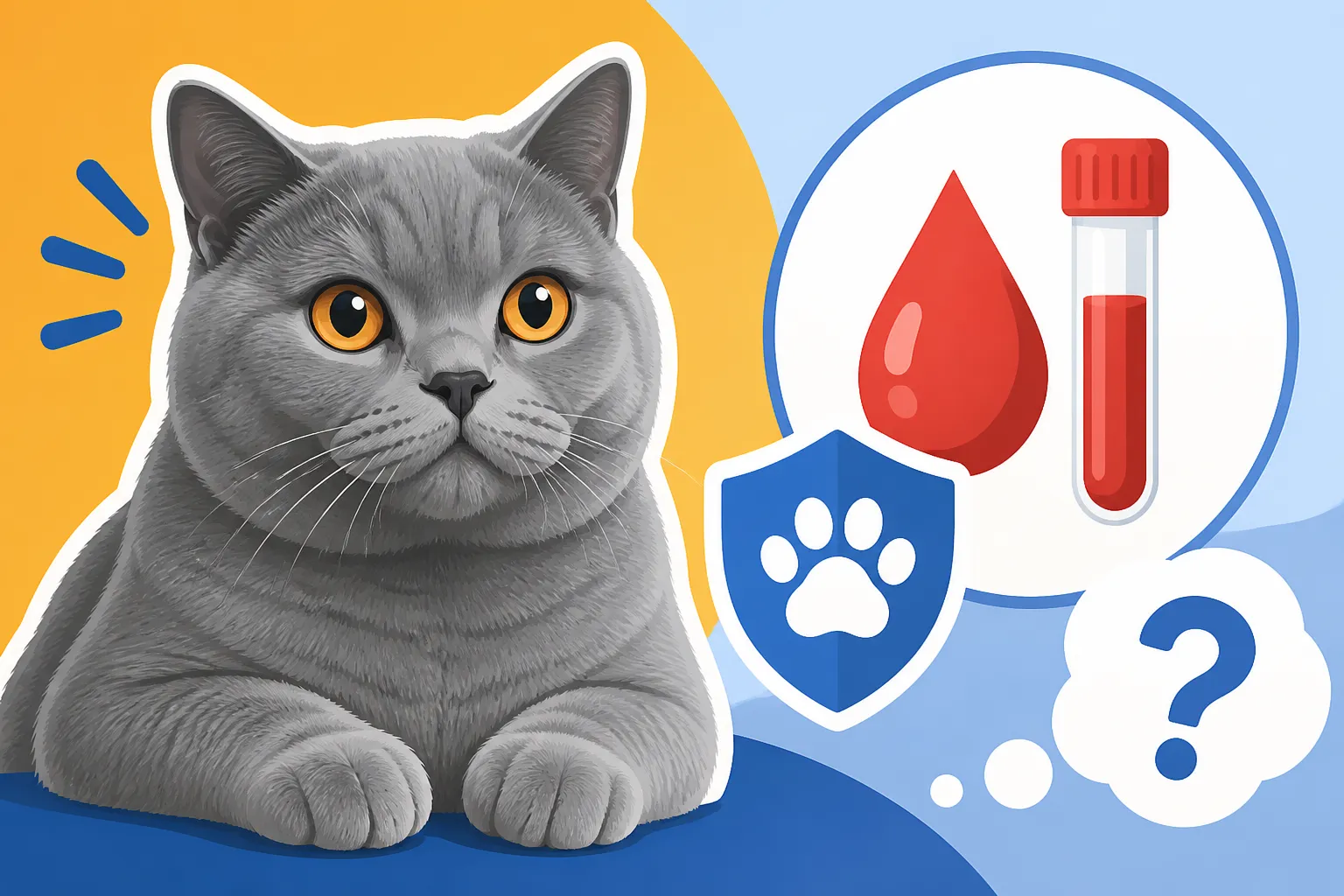
It's a question that often pops into the minds of conscientious British Shorthair owners: "Do I need to get my beloved furry companion blood typed?" You're doing your best to provide top-notch care, and with so much talk about genetic screenings and preventative health, it's easy to feel overwhelmed by all the tests that might be necessary. This guide aims to clear up the confusion, helping you understand when blood typing is genuinely crucial and when it might be an unnecessary expense for your cherished pet.
Understanding British Shorthair Blood Types and Their Importance
Just like humans, cats have different blood types, and knowing them can be incredibly important in certain situations. It’s not just a scientific curiosity; it’s a vital piece of information that can literally be the difference between life and death. For British Shorthairs, specifically, blood type plays a particularly significant role in breeding, which then informs how we think about it for our pets.
The ABO System in Cats and British Shorthairs Specifically
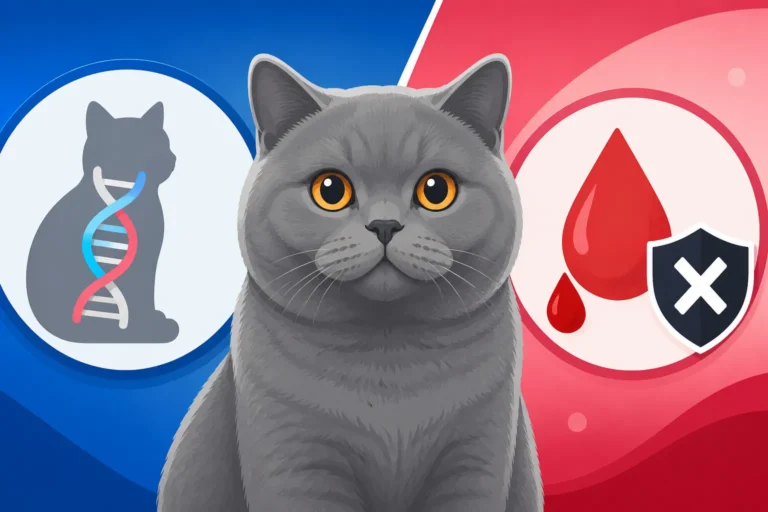
The feline ABO blood group system is the most recognized and clinically significant system for domestic cats. Most cats fall into one of three categories: Type A, Type B, or the rare Type AB. Type A is the most common blood type across many breeds, but British Shorthairs are a notable exception where Type B blood is surprisingly prevalent. This unique distribution is a key factor in understanding why blood typing is so often discussed within the British Shorthair community.
For instance, you might be surprised to learn just How Many British Shorthairs Are Blood Type B. This higher incidence of Type B means that British Shorthair breeders, in particular, must be extremely vigilant. Unlike humans where Type O is the universal donor, in cats, there isn't a true universal donor, and mismatches can lead to severe, even fatal, reactions. Knowing your cat's blood type provides a fundamental piece of their medical profile, especially if they ever need a blood transfusion.
What Happens When Blood Types Don't Match
The consequences of mixing incompatible blood types in cats are severe. If a cat with Type B blood receives Type A blood, or vice versa, their immune system will launch a strong attack against the transfused red blood cells. This leads to a serious and potentially fatal reaction known as an acute hemolytic transfusion reaction. The cat's body rapidly destroys the new blood cells, causing symptoms like fever, vomiting, weakness, and collapse. In such emergency situations, a mismatched transfusion can cause more harm than good, making the already critical situation even worse.
Beyond transfusions, there's a specific, heartbreaking issue tied to blood type incompatibility in breeding known as Neonatal Isoerythrolysis (NI). This occurs when a Type B queen (female cat) is bred to a Type A tom (male cat). The kittens, inheriting genes from both parents, will likely have Type A blood. However, when these Type A kittens nurse from their Type B mother, they ingest antibodies through her colostrum (first milk) that are incompatible with their own blood type. These antibodies attack and destroy the kittens' red blood cells, leading to a condition that can cause rapid fading and death within the first few days of life. Understanding What Blood Type B Means in a British Shorthair is therefore paramount for anyone involved with breeding.
Why Blood Typing is Non-Negotiable for British Shorthair Breeders
For British Shorthair breeders, blood typing isn't just a recommendation; it's a fundamental part of responsible breeding practices. The stakes are incredibly high, affecting not only the health of the adult cats but the very survival of their litters. Ignoring blood typing for breeding cats is, frankly, playing a dangerous game with feline lives.
Preventing Neonatal Isoerythrolysis (NI) in Kittens
Neonatal Isoerythrolysis, often abbreviated as NI, is a devastating condition that can wipe out an entire litter of kittens. As we discussed, this happens when a Type B queen is mated with a Type A tom, resulting in Type A or Type AB kittens. The Type B queen's colostrum contains strong anti-A antibodies. When the Type A or Type AB kittens ingest this colostrum, these antibodies enter their bloodstream and begin destroying their red blood cells. The symptoms What Neonatal Isoerythrolysis Does to a British Shorthair Kitten are grim: fading, weakness, anemia, jaundice, and often, death within the first 24-72 hours of life.
Responsible British Shorthair breeders mitigate this risk entirely by blood typing every single breeding cat. By knowing each cat's blood type, they can meticulously plan pairings to avoid incompatible matches. This means a Type B queen will only be bred to a Type B tom, ensuring all kittens are Type B and safe from NI. Similarly, a Type A queen can be safely bred to either a Type A or Type B tom. This proactive approach saves countless kitten lives and demonstrates a breeder's commitment to the welfare of their animals. You can explore Which British Shorthair Pairing Causes Neonatal Isoerythrolysis to understand these dynamics in more detail. In cases of accidental incompatible pairings, breeders even have strategies for How to Save a British Shorthair Kitten From Isoerythrolysis, though prevention is always the best course of action.
Ensuring Safe Blood Transfusions for Breeding Animals
Beyond kitten health, blood typing is crucial for the individual well-being of breeding cats. These animals, just like any other, can face unexpected medical emergencies that require a blood transfusion. Perhaps a queen experiences complications during birth, or a tom suffers an injury. In such critical moments, every second counts. Knowing their blood type beforehand can drastically reduce the time needed to find a compatible donor or prepare blood for transfusion, potentially saving their life.
If a cat's blood type isn't known, the veterinary team would need to perform a cross-match procedure before any transfusion. While effective, cross-matching takes valuable time, which can be in short supply during an emergency. Having a cat's blood type on record allows for immediate, safe transfusion if compatible blood is available. This preparedness is yet another reason why professional breeders invest in this testing, demonstrating their commitment to the comprehensive health and safety of their breeding stock. Why Blood Type Matters for a British Shorthair Transfusion can shed more light on the critical nature of this information in veterinary emergencies.
The Real Question: Is Blood Typing Necessary for Your Pet British Shorthair?
Now, let's get to the heart of the matter for most British Shorthair owners: your beloved pet, not a breeding animal. The considerations shift dramatically once your cat is spayed or neutered. While the underlying science of blood types remains the same, the practical necessity of knowing that information for a non-breeding pet is quite different.
For Spayed or Neutered British Shorthairs: Rarely a Necessity
For the vast majority of pet British Shorthairs who have been spayed or neutered, proactive blood typing is rarely a necessity. Here's why:
Firstly, the primary concern for breeders – Neonatal Isoerythrolysis – is completely eliminated. A spayed female British Shorthair will never have kittens, so the risk of her producing antibodies that harm her offspring through colostrum simply doesn't exist. Similarly, a neutered male British Shorthair will never sire kittens, so his blood type's impact on a litter is a non-issue. This removes the most compelling reason for blood typing in the first place for the general pet population.
Secondly, while a blood transfusion is a serious medical event that requires careful blood matching, it's not a common occurrence for most pets. In an emergency where a transfusion is needed, your veterinarian will always perform a cross-match test. This test directly checks for compatibility between the donor blood and your cat's blood at that moment, regardless of their ABO blood type. It's a critical safety step that ensures a compatible match even if the specific ABO type isn't known. So, while having the blood type on record could save a few minutes, the cross-match procedure is still going to be done as a safeguard, making pre-emptive typing less critical for an otherwise healthy pet. Most veterinarians will also have access to resources or blood banks for emergency transfusions, and their priority will always be immediate cross-matching.
Situations Where Blood Typing Might Be Considered for a Pet
Despite it generally not being a necessity for spayed or neutered British Shorthairs, there are a few niche scenarios where an owner might consider blood typing their pet. These are typically driven by very specific health concerns or an owner's personal desire for comprehensive preparedness.
One such scenario is Emergency Transfusion Preparation for a cat with a pre-existing, chronic medical condition. For instance, if your British Shorthair has been diagnosed with a severe, chronic illness like advanced kidney disease, certain autoimmune disorders, or an ongoing condition that makes anemia a frequent and serious risk, your vet might have discussions with you about the higher likelihood of needing a blood transfusion in the future. In these cases, having the blood type on file could streamline an emergency response. While cross-matching would still occur, knowing the type might help the clinic more quickly identify potential in-house donors or prepare specific blood products. This is a conversation you should have with your trusted veterinarian, as they can best assess the individual risks and benefits for your cat's specific health profile.
Another, though less common, situation arises if you ever wish for your healthy British Shorthair to become a Blood Donor. Becoming a feline blood donor is a wonderful act of generosity that can save other cats' lives. However, it's a significant commitment and requires extensive health screening, behavioral assessment, and, yes, blood typing. Donors need to be of a certain weight, temperament, and impeccable health, free from infectious diseases. If you're considering this selfless act, knowing your cat's blood type is a prerequisite, and your veterinary clinic or a specialized animal blood bank can guide you through the entire process.
Finally, though highly unlikely for a properly spayed pet, a situation of Accidental Pregnancy could theoretically lead to concerns. If, for some reason, your female British Shorthair was believed to be spayed but later became pregnant, and you were unsure of the father's blood type (or even your queen's true type if she wasn't from a tested breeder), then blood typing would become critically important to anticipate and prevent Neonatal Isoerythrolysis in any potential kittens. However, this is an exceedingly rare circumstance for a pet whose sterilization status is confirmed and routinely monitored.
The Process and Cost of Blood Typing Your British Shorthair
If, after considering the nuances, you decide that blood typing is something you want for your British Shorthair, it’s a relatively straightforward procedure. Understanding how it's done and what it typically costs can help you make an informed decision and prepare for the process.
How a British Shorthair is Blood Typed
Blood typing for cats generally involves a simple blood draw, similar to any other routine blood test your cat might undergo. The blood sample is then analyzed to determine the presence of Type A and Type B antigens on the red blood cells. There are two primary methods commonly used by veterinary practices and diagnostic labs:
- Card or Slide Agglutination Tests: These are often performed in-clinic and provide rapid results. A small amount of your cat's blood is mixed with reagents on a special card or slide. If clumping (agglutination) occurs, it indicates a specific blood type. These tests are very convenient for quick identification, especially for breeders who need immediate answers before mating. They are generally considered reliable for determining A or B types.
- Laboratory Reference Tests (Gel Column or Tube Method): For more definitive or complex cases, or for the rarest AB type, samples might be sent to a specialized veterinary diagnostic laboratory. These tests, such as gel column agglutination or flow cytometry, are highly accurate and can precisely identify a cat's blood group. While results take a bit longer (a few days to a week), they offer a thorough analysis.
Your veterinarian will advise on the best method based on their equipment, your needs, and the specific diagnostic capabilities available. The process itself is quick, usually requiring only a few minutes for the blood draw, and your cat will likely experience minimal discomfort, if any.
What a British Shorthair Blood Type Test Costs
The cost of blood typing a British Shorthair can vary quite a bit depending on your geographic location, the veterinary clinic you use, and the specific method employed (in-clinic card test versus sending it to a reference lab). Generally, you can expect to pay anywhere from $50 to $150 for a feline blood typing test. In-clinic rapid tests might be on the lower end, while laboratory-sent samples could be higher due to additional lab fees and shipping.
It's important to consider this cost in context. For most pet owners, this is an elective test. In an emergency where a transfusion is needed, your vet will perform a cross-match, which also incurs a cost. A cross-match can range from $50 to $200, and is a mandatory step before any transfusion to ensure safety, even if the general blood type is known. So, while pre-typing avoids that specific "blood type discovery" fee, it doesn't eliminate the need for cross-matching in an emergency. You can find more details on What a British Shorthair Blood Type Test Costs if you're curious about specific breakdowns.
When it comes to insurance, policies like those offered by Healthy Paws typically cover tests and treatments for diagnosed illnesses or accidents. Preventative or elective screening tests, such as proactive blood typing for a healthy pet, are generally not covered. However, if your British Shorthair needed a blood transfusion due to an illness or injury, the cost of the transfusion itself, including any necessary cross-matching, would usually be covered under a comprehensive pet insurance plan like Healthy Paws, assuming the condition is not pre-existing. It's always a good idea to check with your insurance provider directly regarding specific coverage details.
Making an Informed Decision for Your Beloved British Shorthair
Ultimately, the decision of whether to blood type your pet British Shorthair comes down to weighing the potential benefits against the costs and the likelihood of those benefits being realized. For breeders, it's a clear-cut necessity. For pet owners, it's a more nuanced conversation.
Weighing the Pros and Cons for Pet Owners
Let's break down the practical pros and cons of blood typing for a spayed or neutered British Shorthair:
Pros:
- Peace of Mind: For some owners, simply knowing their cat's blood type provides a sense of preparedness and peace of mind, especially if they are prone to worrying about potential emergencies.
- Faster Emergency Response (Limited Impact): In a dire, time-sensitive emergency requiring a transfusion, having the blood type on record could theoretically shave a few minutes off the process of finding compatible blood or preparing a specific blood product. However, as noted, a cross-match will still be performed for safety.
- Potential Blood Donor: If your British Shorthair meets all the stringent health and temperament requirements, knowing their blood type is a necessary first step if you wish for them to become a feline blood donor, a truly altruistic act.
Cons:
- Cost: While not exorbitant, it's an additional expense that may not be necessary for a healthy, spayed/neutered pet, especially if your budget is tight.
- Minimal Practical Benefit for Most: For the vast majority of pet British Shorthairs, especially those who are healthy and unlikely to require a transfusion, the practical benefit of knowing their blood type is very limited. The most critical reason (Neonatal Isoerythrolysis) is entirely removed by sterilization.
- Stress of Vet Visit/Blood Draw: Although generally quick, any vet visit can be stressful for a cat, and a blood draw is a minor invasive procedure that some cats tolerate better than others.
Prioritizing General Health and Preventative Care
Instead of focusing on a test that is rarely critical for a pet, it's often more beneficial to concentrate your efforts and resources on preventative care that has a more profound and frequent impact on your British Shorthair's long-term health and quality of life. Regular wellness exams, for example, are paramount for catching issues early. You should always ensure your vet performs a thorough physical check-up at least once a year.
Here are some truly impactful areas to prioritize:
- Cardiac Screening: British Shorthairs are predisposed to hypertrophic cardiomyopathy (HCM), a serious heart condition. Regular echocardiograms (heart ultrasounds) are essential for early detection. Many breeders diligently perform The Yearly Echo That Replaces a British Shorthair Gene Test on their breeding animals, and responsible pet owners often follow suit for their companion cats. Knowing What a British Shorthair's Yearly Echo Costs can help you budget for this vital screening.
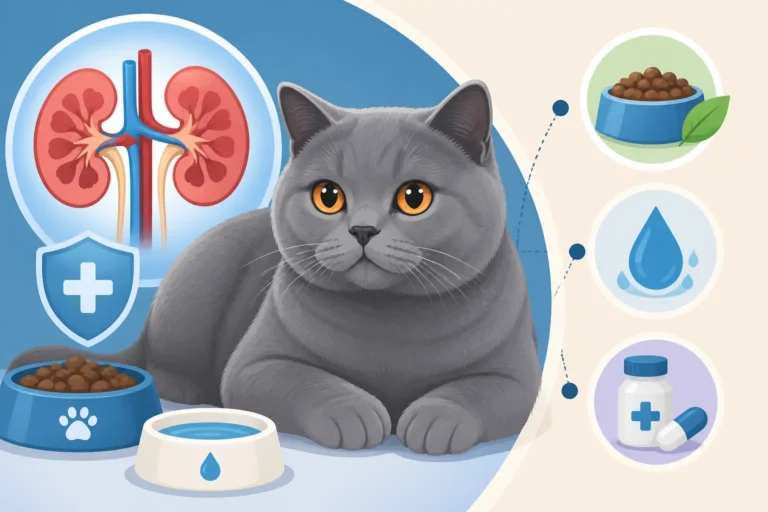
- Kidney Health: Polycystic Kidney Disease (PKD) is another concern, though largely addressed through DNA testing in responsible breeding lines. However, ongoing kidney function monitoring (blood and urine tests) is crucial, especially as your British Shorthair ages. You can learn how Polycystic Kidney Disease Came Into the British Shorthair With the Persians and why genetic screening is so important.
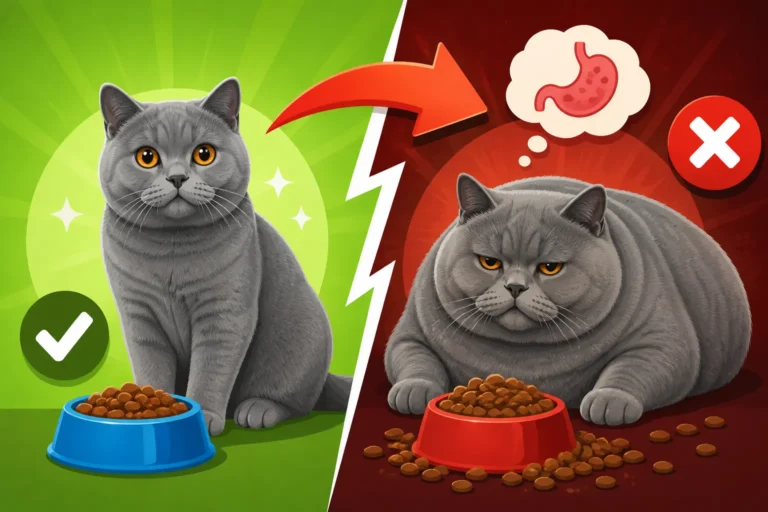
- Weight Management: British Shorthairs have a tendency to become overweight due to their calm demeanor and love for food. Obesity Is the British Shorthair's Real Disease and can lead to a host of other health problems like diabetes, arthritis, and liver issues. Implementing proper portion control and encouraging gentle play is incredibly important.
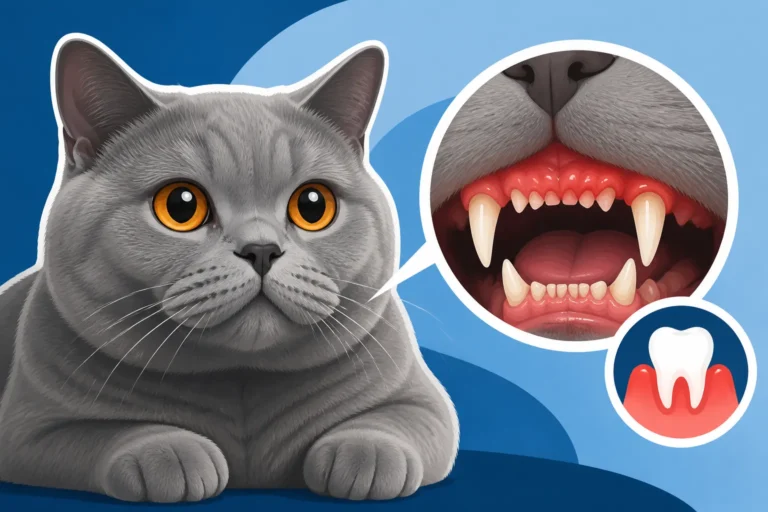
- Dental Care: Dental disease is common in cats and can lead to pain, infection, and other systemic health problems. Regular dental check-ups and cleanings, along with at-home care, are vital.
- General Health Screenings: Annual bloodwork, urine analysis, and vaccinations are cornerstones of preventative care that can detect a wide range of issues before they become serious.
Having robust pet insurance from a provider like Healthy Paws can be a massive help in managing the costs associated with these more common and impactful health concerns. While they might not cover elective blood typing, they are invaluable for covering unexpected illnesses, accidents, and often, the diagnostic tests (like echocardiograms or blood panels) needed to manage chronic conditions. This kind of comprehensive coverage offers true peace of mind for the long haul of your British Shorthair's life, helping you provide the best care without financial strain.
Ultimately, while blood typing has its specific uses, for your average pet British Shorthair, it's generally a lower priority compared to a comprehensive regime of regular veterinary care, genetic health screenings for common breed-specific conditions, and diligent daily management of their diet and activity.
British Shorthair Blood Typing: Pet vs. Breeder Needs
To summarize the key differences in blood typing needs:
| Feature | Pet British Shorthair (Spayed/Neutered) | Breeding British Shorthair (Intact) |
|---|---|---|
| Primary Purpose | Primarily for emergency transfusion preparedness (rarely needed). | Absolutely essential for preventing Neonatal Isoerythrolysis (NI) in kittens and safe transfusions. |
| Neonatal Isoerythrolysis | Not applicable; no kittens produced. | Critical for avoiding fatal reactions in kittens born to Type B queens and Type A toms. |
| Transfusion Safety | Cross-matching performed in emergencies, making pre-typing less critical. | Pre-typing speeds up emergency response and ensures safest possible pairing of breeding cats/donors. |
| Proactive Testing Need | Generally low, elective. | High, a cornerstone of responsible breeding practice. Breeders should always Whether a British Shorthair Breeder Should Show a British Shorthair's Blood Type. |
| Common Scenarios | Owner peace of mind, considering blood donation, rare chronic illness. | Pre-mating screening, emergency treatment for breeding cats. |
| Cost Justification | Considered by some for preparedness, but often an optional expense. | Essential investment for kitten survival and adult cat health management. |
Disclaimer
The information provided in this article is for general informational purposes only and does not constitute veterinary medical advice. Always consult with a qualified veterinarian for any health concerns or before making any decisions about your pet's care, including whether to pursue blood typing or other diagnostic tests.