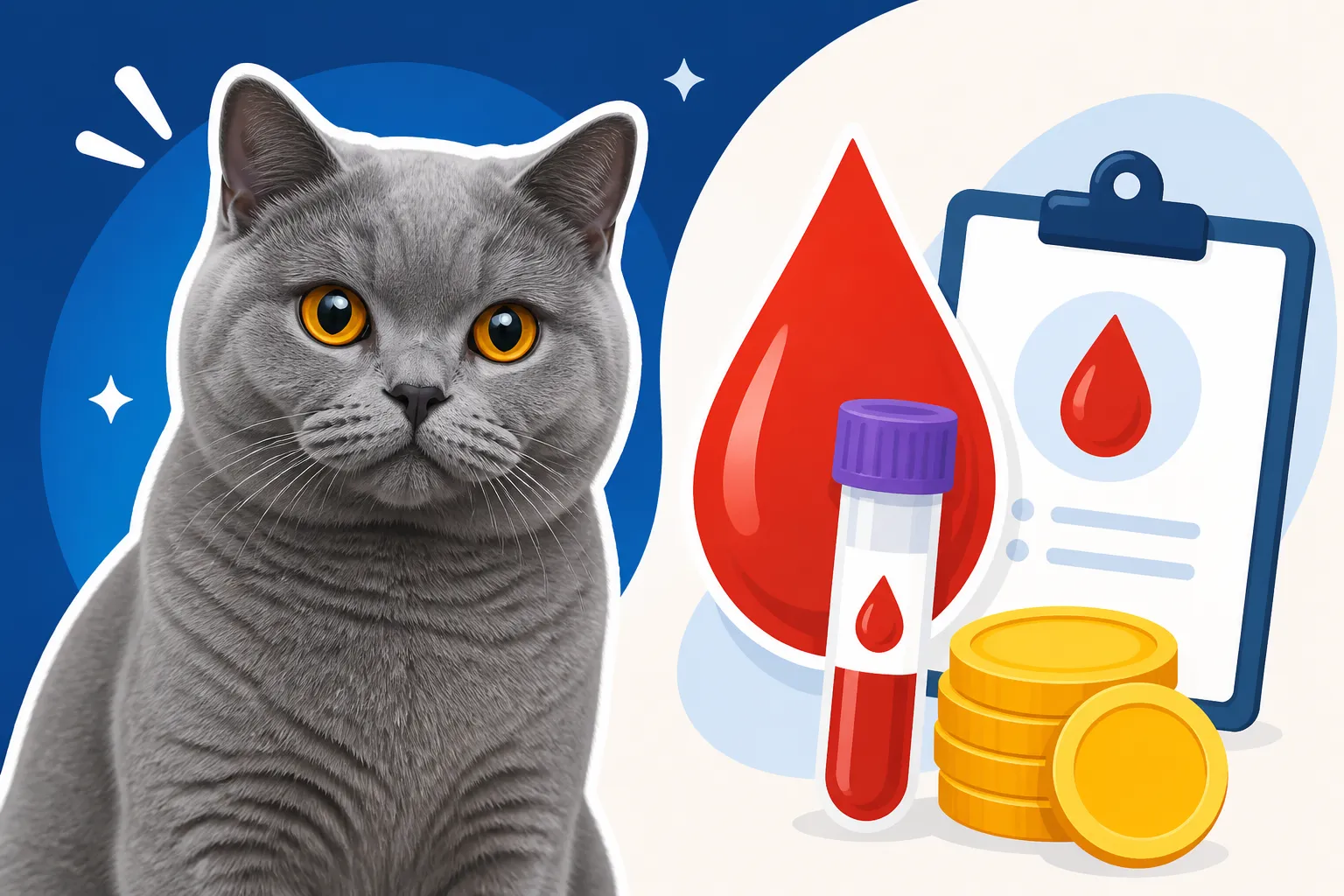
What a British Shorthair Blood Type Test Costs
It’s completely understandable to feel a bit overwhelmed when it comes to cat health tests, especially for something as specific as blood typing. You might be wondering if it's truly necessary, or more importantly, what kind of dent it’s going to make in your wallet. This guide is here to shed some light on the costs associated with British Shorthair blood type testing, helping you understand the process and plan accordingly.
Why Your British Shorthair's Blood Type Matters So Much
For many pet owners, blood type isn't something that crosses their mind until an emergency strikes. But for British Shorthair owners, and especially breeders, knowing this little detail can be absolutely critical. It's not just about a potential transfusion; there are breed-specific considerations that make this information incredibly valuable.
Protecting Your Cat During Emergencies
Imagine the unimaginable: your beloved British Shorthair, perhaps a playful kitten or a dignified senior, needs an emergency blood transfusion. In such a high-stress situation, every second counts. Knowing your cat's blood type beforehand can quite literally be a lifesaver. Without prior knowledge, the veterinary team would have to perform cross-matching tests right there on the spot, which takes precious time. Cats, much like humans, have different blood types, and administering the wrong type can lead to a severe, potentially fatal, reaction. Having this information on file with your vet or readily available means they can act much faster to find a compatible donor or blood product.
Preventing Neonatal Isoerythrolysis in Kittens
This is where blood typing becomes absolutely non-negotiable for British Shorthair breeders. The breed is known for a relatively high prevalence of Type B blood. When a Type B queen (female cat) is bred to a Type A tom (male cat), their Type A kittens can suffer from a devastating condition called Neonatal Isoerythrolysis (NI).
Here's how it plays out: The Type B mother produces antibodies against Type A red blood cells. When the Type A kittens nurse and ingest the colostrum (the first milk), these antibodies attack their red blood cells, leading to severe anemia, jaundice, and often, death within the first few days of life. It’s a heartbreaking situation that is entirely preventable with proper blood typing of breeding cats. Knowing the blood types of your breeding pair allows you to make informed decisions and prevent such tragedies. You can learn more about this in our article, What Neonatal Isoerythrolysis Does to a British Shorthair Kitten.
General Health Knowledge and Planning
Beyond emergencies and breeding, simply knowing your British Shorthair's blood type adds another layer to their health profile. It's akin to knowing your own blood type – it’s a piece of information that contributes to a holistic understanding of their physiology. While not something you'll actively use day-to-day, it empowers you as a responsible pet parent with comprehensive knowledge that could prove vital down the line. It's part of taking every proactive step to ensure your British Shorthair has the longest, healthiest life possible.
Understanding the Different Blood Type Tests and Their Costs
When it comes to getting your British Shorthair's blood typed, you generally have a couple of options, and the choice often dictates the cost. These range from quick, in-clinic methods to more comprehensive laboratory analyses.
Rapid In-Clinic Blood Typing Cards
Many veterinary clinics offer rapid blood typing kits, often called "card tests" or "point-of-care" tests. These kits are designed for quick results, usually within minutes, which makes them ideal for emergency situations where time is of the essence.
- How they work: A small blood sample is placed on a test card containing reagents that react with specific antigens on the red blood cells, indicating the blood type (Type A, Type B, or Type AB, though Type AB is rare in British Shorthairs).
- Pros: Fast results, convenient to perform at your vet's office.
- Cons: Can sometimes be less accurate than laboratory tests, especially if performed by an inexperienced technician or with a compromised sample. They also typically only identify the major blood types, not necessarily other genetic markers.
- Cost: The cost for an in-clinic rapid test can vary significantly depending on your location and the specific veterinary practice. Generally, you can expect to pay anywhere from $50 to $100 for this service. This usually includes the test kit itself and the veterinary staff's time for sample collection and interpretation. You might be interested in our dedicated article, What a British Shorthair Blood Type Card Test Costs, for more detail.
Reference Laboratory DNA Tests
For the most accurate and definitive blood typing, particularly crucial for breeders, a sample is often sent to a specialized veterinary reference laboratory for DNA testing. These labs use advanced genetic analysis to determine the precise blood type, including identifying carriers of the Type B gene.
- How they work: A blood sample (or sometimes a cheek swab, though blood is preferred for accuracy in some cases) is sent to a lab where genetic markers associated with feline blood types are analyzed. This provides a clear genetic profile.
- Pros: Highly accurate and reliable results, can often identify carrier status for genetic traits, which is invaluable for responsible breeding.
- Cons: Takes longer to get results (typically a few days to a couple of weeks), usually more expensive than rapid tests.
- Cost: Genetic blood typing through a reference laboratory generally ranges from $80 to $150. This cost typically covers the lab fees, and you’ll also need to factor in the cost of your vet drawing the blood sample and preparing it for shipment, which could be an additional $20-$50. Some labs, like those associated with major universities or veterinary colleges, might offer slight variations in pricing. Breeders often find value in this accuracy, as detailed in What the DNA Blood Type Test Costs a British Shorthair Breeder.
Here's a quick comparison of the two main types of tests:
| Feature | Rapid In-Clinic Card Test | Reference Lab DNA Test |
|---|---|---|
| Cost Range | $50 – $100 | $80 – $150 (plus vet fees for draw) |
| Turnaround Time | Minutes | Days to 2 weeks |
| Accuracy | Good for emergencies, can have false positives/negatives | Highly accurate and definitive |
| Identifies Carriers | No | Yes (crucial for breeding decisions) |
| Best Use Case | Emergency transfusions, quick checks | Breeding programs, definitive diagnosis |
Factors Influencing the Cost of Blood Type Testing
The price tag on a British Shorthair blood type test isn't always a fixed number. Several factors can sway the final amount you pay, from where you live to any special circumstances.
Geographic Location and Veterinary Clinic Pricing
Just like anything else, veterinary service costs can vary wildly depending on your geographic location. A clinic in a major metropolitan area like New York City or London might charge more for the same service than one in a rural town in Ohio or a smaller city in the UK. This is often due to higher overhead costs, rent, and staff wages.
Beyond geography, individual clinics set their own pricing. Some vets might have more advanced in-house lab equipment, while others might prefer to send all samples to external reference labs, which can impact the overall cost. It's always a good idea to call a few local veterinary clinics to compare their prices for blood typing services before making a decision. Don't be shy about asking for a breakdown of what's included in the fee, such as the blood draw, the test kit, and the interpretation of results.
Breeder Discounts or Package Deals
If you've purchased your British Shorthair from a reputable breeder, they might have already performed blood typing on their breeding cats and might even provide the results as part of your kitten's health records. Some breeders also have established relationships with vets or labs that offer bulk discounts for multiple tests, which could influence the cost if you're part of a larger breeding program.
For those getting multiple health tests done, such as a full health panel that might also include tests for conditions like Polycystic Kidney Disease (PKD) or Hypertrophic Cardiomyopathy (HCM) screening, some veterinary clinics or labs might offer a slightly reduced rate if you bundle services together. It never hurts to ask if there are any package deals available, especially if you're committed to a comprehensive health screening regimen for your feline companion. This can be especially relevant if you're looking into Which Tests the British Shorthair Health Panel Covers.
Pet Insurance Coverage
Many pet insurance policies, such as those offered by providers like Healthy Paws, focus on covering unexpected illnesses and accidents. Routine wellness exams and preventive care, which might include initial blood typing if recommended by a vet for a specific reason (like pre-breeding or pre-surgery), may not always be covered under a basic policy. However, some higher-tier or add-on wellness plans might include coverage for diagnostic tests.
It's crucial to review your specific pet insurance policy or contact your provider directly to understand what is covered. If blood typing is being done as a prerequisite for a covered procedure (like a blood transfusion), the cost of the typing itself might be included in the claim. If it's purely for informational purposes without a medical necessity, it's less likely to be covered. Always check beforehand, so you're not hit with an unexpected bill.
The Blood Typing Process for Your British Shorthair
Understanding what actually happens during a blood type test can help alleviate any anxieties you might have about taking your British Shorthair to the vet. It’s a straightforward procedure designed to be as stress-free as possible for your cat.
Sample Collection and What to Expect
The first step in blood typing is collecting a small blood sample from your British Shorthair. This is a routine procedure for veterinarians and is usually done quickly and efficiently.
- The draw: Your vet or a veterinary technician will typically draw blood from a vein in your cat's leg or neck. They'll shave a small patch of fur, clean the area, and then use a sterile needle to collect the sample. British Shorthairs are generally calm and cooperative, but some may need a little reassurance. The process itself takes only a few seconds.
- Comfort for your cat: Most cats tolerate blood draws very well. Your vet staff will do their best to keep your British Shorthair comfortable, often using gentle restraint and reassuring tones. For anxious cats, a towel wrap or a mild sedative might be considered, though this is usually rare for a simple blood draw.
- What happens next: Once the blood is collected, it will either be immediately used for an in-clinic rapid test or prepared for shipment to a reference laboratory. If sending to a lab, the sample will be placed in a special tube and packaged according to the lab's instructions to ensure its integrity during transit.
Receiving and Interpreting the Results
The waiting game for results can feel like an eternity, but knowing the typical turnaround times can manage your expectations.
- Rapid tests: If your vet uses an in-clinic rapid card test, you'll likely have the results within 10-15 minutes. This means you can often discuss them with your vet before you even leave the clinic.
- Lab tests: For samples sent to a reference lab, the wait is usually longer. You can expect results anywhere from a few business days to up to two weeks, depending on the lab and their current workload. Your vet will typically contact you once the results are in to discuss them.
- Understanding the report: The results will clearly state your British Shorthair's blood type, most commonly Type A or Type B. If a DNA test was performed, especially for breeding purposes, it might also indicate if your cat is a carrier for certain blood type genes. For instance, a cat might be phenotypically Type A but genetically carry the Type B allele. This is critical for making informed breeding decisions, ensuring you don't inadvertently create a situation where Which British Shorthair Pairing Causes Neonatal Isoerythrolysis occurs. Your vet will explain what the results mean for your cat’s health and any implications for future care or breeding plans. If your British Shorthair is found to be a Type B cat, it's vital information to have on hand. Our article on How Many British Shorthairs Are Blood Type B offers more context on this particular prevalence within the breed.
What Your British Shorthair's Blood Type Means for Their Future
Once you have your British Shorthair's blood type results, it's not just a piece of paper to file away. This information has concrete implications for their ongoing care and, for breeders, future litters.
Implications for Pet British Shorthairs
For a British Shorthair who is a cherished pet and not intended for breeding, knowing their blood type primarily serves as a proactive measure for emergency preparedness.
- Emergency readiness: Having your cat's blood type on record at your veterinary clinic or even noted in your cat's personal file is invaluable. Should they ever require a blood transfusion due to an accident, surgery complication, or severe illness, the vet team can quickly assess compatibility. This saves crucial time in a life-or-death situation, allowing them to procure the correct blood product or identify a suitable donor swiftly. You won't have to wait for emergency cross-matching, which can delay treatment and worsen outcomes. This is a critical point to consider when thinking Whether a Pet British Shorthair Needs Blood Typing.
- Informed discussions: Knowing your cat's blood type also allows you to have more informed conversations with your vet about their overall health. While it won't typically dictate daily care, it's a foundational piece of their medical puzzle, contributing to a comprehensive understanding of their unique physiology. It's another way you demonstrate your commitment to their well-being.
Implications for Breeding British Shorthairs
For British Shorthair breeders, blood typing is an absolute necessity, not just a recommendation. It's a cornerstone of ethical and responsible breeding practices, directly impacting the health and survival of kittens.
- Preventing Neonatal Isoerythrolysis (NI): As discussed earlier, NI is a severe hemolytic disease that affects kittens when a Type B queen is bred to a Type A or AB tom, resulting in Type A or AB kittens. The queen's antibodies, passed through colostrum, destroy the kittens' red blood cells. By blood typing both the queen and the tom before breeding, a responsible breeder can ensure compatible pairings.
- Type B Queens: If you have a Type B British Shorthair queen, it is paramount that she only be bred to a Type B tom. This ensures all kittens will be Type B, preventing NI. If a Type B queen is accidentally bred to a Type A tom and produces Type A kittens, those kittens must be prevented from nursing colostrum for the first 24-48 hours and hand-reared, or fed colostrum from a Type A queen or a non-cat source, to save them. Our guide on How British Shorthair Kittens Are Hand Reared to Survive delves into this challenging process. This is a significant consideration for Whether a Type B British Shorthair Queen Can Be Bred Safely.
- Type A Toms: A Type A tom can be bred to a Type A queen without issue. If bred to a Type B queen, it will produce Type A kittens susceptible to NI.
- Type AB Cats: While rare in British Shorthairs, a Type AB cat can be bred to either a Type A or Type B cat without causing NI, as Type AB cats do not produce antibodies against A or B blood types.
- Responsible Breeding Practices: Ethical breeders often share their cats' health testing results, including blood type, with prospective kitten buyers. This transparency builds trust and assures buyers that they are acquiring a kitten from parents who have been screened for potential genetic issues. If you are considering breeding, you should always ask Whether a British Shorthair Breeder Shows Echo Results and other health documentation. The goal is always to produce healthy, thriving kittens, and blood typing is a fundamental step in achieving that.
| Blood Type | Pet British Shorthair Implications | Breeding British Shorthair Implications |
|---|---|---|
| Type A | Safest for transfusions, common blood type. | Can be bred to Type A queen. Avoid breeding to Type B queen to prevent NI. |
| Type B | Crucial to note for transfusions, less common but prevalent in BSH. | Must only be bred to Type B tom if a queen, to prevent NI. |
| Type AB | Universal recipient for transfusions (very rare). | Can be bred to Type A or Type B cat without causing NI (very rare). |
Ultimately, investing in a blood type test for your British Shorthair is a relatively small cost for a piece of information that can have profound impacts, whether it's for emergency preparedness or responsible breeding. It’s another way to show how much you care for these wonderful, round-faced companions.
Disclaimer
This article is for general informational purposes only and does not constitute professional advice. Laws, prices and regulations vary by location and change over time. Consult a qualified professional for guidance on your specific situation.