What a British Shorthair Blood Type Card Test Costs
It’s a situation many British Shorthair owners and prospective breeders face: you know your beloved furball might need a blood type test, but the thought of navigating veterinary costs can feel like trying to untangle a particularly stubborn knot. You’ve probably heard whispers about different types of tests and varying price tags, leaving you wondering exactly what a quick, in-clinic card test might set you back. This guide is here to break down the costs associated with a British Shorthair blood type card test, explaining what influences the price and why this information is so crucial for your cat's health.
Understanding Why Blood Typing Matters for Your British Shorthair
Before we even dive into the cost, let's talk about why knowing your British Shorthair's blood type is such a big deal. It’s not just a fancy piece of trivia; it’s a critical piece of health information that can literally be life-saving, especially for this particular breed. Many people assume blood typing is solely for breeding programs, but that's a narrow view. While breeding is a significant reason, there are general health and emergency considerations for every British Shorthair parent.
The British Shorthair's Unique Blood Type Predisposition
One of the most compelling reasons to blood type your British Shorthair is due to a genetic predisposition within the breed. British Shorthairs, along with several other purebred cats, have a higher incidence of carrying or expressing Type B blood. Unlike humans, where a universal donor blood type exists, in cats, a mismatch can be rapidly fatal. If a Type A cat receives Type B blood, or vice versa, a severe, often immediate, immune reaction can occur, leading to serious complications or even death.
For breeders, this knowledge is absolutely non-negotiable. If you breed a Type B queen (female cat) with a Type A tom (male cat), their kittens can inherit Type A blood. When these Type A kittens nurse from their Type B mother, they ingest antibodies in the colostrum (the first milk) that attack their own Type A red blood cells. This devastating condition is called Neonatal Isoerythrolysis, and it can sadly claim the lives of otherwise healthy kittens within their first few days. It's heart-wrenching to witness, and completely preventable with proper blood typing. Understanding What Blood Type B Means in a British Shorthair is the first step, and then recognizing How Many British Shorthairs Are Blood Type B in the population underscores the importance of this testing. This isn't a rare anomaly; it's a genuine breed concern.
Beyond Breeding: Blood Typing for General Health and Emergencies
Even if your British Shorthair is spayed or neutered and breeding is not on your radar, knowing their blood type still holds significant value. Imagine an emergency situation where your beloved furball needs a blood transfusion. Perhaps they've been in an accident, have an autoimmune condition, or are suffering from severe anemia. In these critical moments, precious time is of the essence. If your vet doesn't know your cat's blood type, they'll have to perform a cross-match test, which takes valuable time that your cat might not have.
Having your British Shorthair's blood type on file can expedite treatment, reduce stress during an already traumatic event, and improve the chances of a successful transfusion. It’s a bit like carrying your own blood type card – you hope you never need it, but you're profoundly grateful to have it if you do. This proactive step is part of responsible pet ownership, helping you feel prepared for the unexpected. While it might feel like an extra step, consider it part of the overall health picture. For more on this, you might be interested in Whether a Pet British Shorthair Needs Blood Typing.
Diving into the Blood Type Card Test
So, you're convinced that blood typing is a good idea. Now, let's talk about the "card test" itself. This isn't a complex, invasive procedure, which is often a relief to cat owners who know how much their British Shorthair might dislike a vet visit. The card test is designed for quick, in-clinic results, making it a popular choice for immediate needs or routine screening.
How the Blood Type Card Test Works
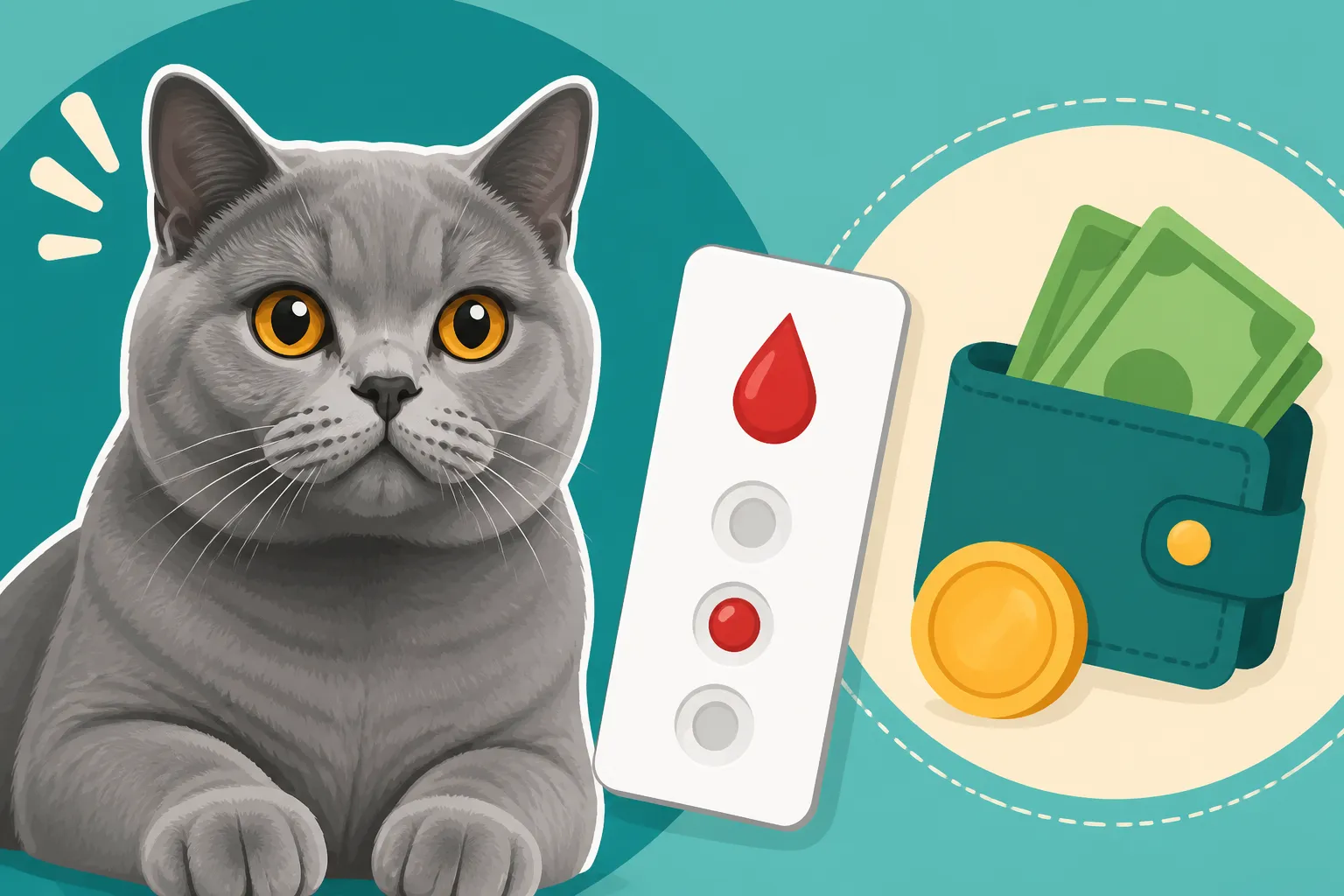
The blood type card test is remarkably straightforward. Your veterinarian or a trained vet technician will simply draw a small blood sample from your British Shorthair, usually from a leg vein. This sample is then applied to a specialized test card that contains dried reagents. These reagents react with specific antigens on your cat's red blood cells.
The magic happens through a process called agglutination. If your cat has Type A blood, the blood will clump or agglutinate in the Type A well on the card. If they have Type B blood, it will agglutinate in the Type B well. If both agglutinate, it signifies Type AB, although this is quite rare in British Shorthairs. The results are usually visible within minutes, often less than ten, making it an incredibly fast way to determine the blood type on the spot. This immediate feedback is what makes the card test so appealing, especially compared to sending a sample out to a lab, which can take days. For a deeper dive into the technicalities, you could explore Whether a British Shorthair Blood Type Test Uses DNA or a Card.
Advantages and Limitations of Card Tests
Like any diagnostic tool, the blood type card test has its strengths and weaknesses. Understanding these can help you decide if it's the right option for your British Shorthair.
Advantages:
- Speed: This is the primary benefit. Results are available almost instantly, which is invaluable in emergency situations or for breeders needing to make quick decisions.
- Convenience: The test can be performed right in your vet's office, often during a routine appointment, without the need for additional visits or shipping samples.
- Accessibility: Most veterinary clinics are equipped to perform these tests, meaning you likely won't need to seek out a specialized lab.
- Cost-Effective (Generally): While prices vary, card tests are often less expensive than sending samples to an external laboratory for comprehensive DNA testing.
Limitations:
- Accuracy: While generally reliable for A/B typing, card tests can sometimes be subject to user error or misinterpretation, especially if the agglutination is weak. They might not be as definitive as a lab-based DNA test, which looks for the specific genetic markers.
- Scope: Most in-clinic card tests are designed primarily to differentiate between Type A and Type B. While they can identify Type AB, they typically don't offer the same detailed genetic information that a specialized lab test can provide, particularly if dealing with rare blood group variants.
- No Carrier Identification: For breeding purposes, a card test will tell you the phenotype (what the blood type expresses as), but not the genotype (what genes the cat carries). A Type A cat might still carry the Type B gene, which is important for breeding decisions, and a card test won't reveal this.
Despite these limitations, for a quick, practical assessment of your British Shorthair's blood type for general health or immediate breeding decisions, the card test remains a fantastic and widely used option.
The Cost Factors of a British Shorthair Blood Type Card Test
Now for the burning question: what does this actually cost? It's important to understand that the price of a British Shorthair blood type card test isn't a fixed, universal number. Several factors come into play, influencing the final bill you receive from your veterinary clinic. Transparency is key here, and asking for a detailed estimate upfront is always a wise move.
Veterinary Clinic Fees and Regional Variations
The biggest factor influencing the cost will be your specific veterinary clinic and its location. Just like real estate or groceries, veterinary services can vary significantly in price from one area to another.
- Geographic Location: A clinic in a high-cost-of-living urban area, like London or New York, will almost certainly charge more than a clinic in a rural town. Overhead costs, staff salaries, and even the cost of supplies differ widely across regions.
- Clinic Type and Reputation: A large, multi-doctor practice with state-of-the-art equipment and specialized staff might have higher fees than a smaller, independent clinic. However, this often comes with the benefit of expertise and advanced care.
- Bundling Services: Sometimes, if your British Shorthair is already in for another procedure, like a wellness exam or a dental cleaning, the blood draw for the card test might be slightly discounted as part of a bundled service. Always ask if there are such options.
- Competitive Pricing: In areas with many veterinary clinics, there might be more competitive pricing. It doesn't hurt to call a few local clinics for quotes, though remember that the cheapest option isn't always the best for veterinary care.
It's common for the base fee for the test to include the veterinarian's or technician's time for the blood draw, the cost of the test card itself, and the interpretation of the results. Think of it as a small, specialized procedure that requires skill and specific materials.
What the Cost Usually Covers
When you get a quote for a blood type card test, it typically encompasses a few core elements:
- The Blood Type Card Kit: These specialized cards are not generic lab supplies. They contain specific reagents and are manufactured for veterinary use, contributing to their inherent cost. Each card is a single-use item.
- Blood Sample Collection: This involves the actual drawing of a small blood sample from your British Shorthair. It requires sterile equipment, a skilled hand to minimize stress and discomfort for your cat, and proper handling of the sample.
- Test Performance and Interpretation: A trained veterinary professional will meticulously perform the test, ensuring correct blood-to-reagent ratios and appropriate timing. Crucially, they also interpret the results, which sometimes requires a discerning eye to differentiate between strong and weak agglutination patterns. Their professional judgment is part of what you're paying for.
- Documentation: The results will be recorded in your British Shorthair's medical file and a copy often provided to you. This permanent record is vital for future reference.
It's important to distinguish this from more comprehensive laboratory tests. The card test is a rapid, in-clinic screening. It doesn't typically cover genetic sequencing or carrier status, which are usually part of a more expensive lab-based DNA test. For instance, What the DNA Blood Type Test Costs a British Shorthair Breeder would generally be a different line item, involving sending a sample out to a specialized genetic testing laboratory.
Budgeting for Blood Typing and Other Related Costs
Planning for pet care means considering all potential expenses, and blood typing your British Shorthair is one of those thoughtful investments. While the card test is relatively affordable, it’s helpful to understand how it fits into the larger picture of health management and what other options exist.
Comparing Card Test Costs with Lab-Based DNA Tests
When considering blood typing, you might encounter two main types of tests: the in-clinic card test we've discussed, and a more comprehensive lab-based DNA test. They serve slightly different purposes and come with different price points.
| Feature | In-Clinic Blood Type Card Test | Lab-Based DNA Blood Type Test |
|---|---|---|
| Purpose | Rapid phenotyping (A, B, AB) for immediate needs/screening. | Genotyping (A/A, A/B, B/B) for definitive type and carrier status. |
| Speed of Results | Minutes | Several days to a few weeks, depending on the lab. |
| Method | Blood sample reacts with reagents on a card (agglutination). | Blood or cheek swab sample sent to a lab for genetic analysis. |
| Cost | Generally lower (due to quick, in-house processing). | Generally higher (due to specialized genetic analysis). |
| Accuracy | High for phenotype, but can have user interpretation variables. | Highly definitive for both phenotype and genotype. |
| Breeding Use | Good for immediate pre-mating checks, but doesn't show carriers. | Essential for understanding carrier status to avoid problematic pairings. |
For many pet owners, the card test provides the necessary information at a reasonable cost. However, for serious British Shorthair breeders, a DNA test is often preferred because it offers definitive genotype results, indicating if a Type A cat is a carrier for Type B. This is crucial for avoiding deadly matings that result in Neonatal Isoerythrolysis. The overall What a British Shorthair Blood Type Test Costs can vary greatly depending on which of these methods you choose.
Considering Pet Insurance and Breeder Responsibilities
When it comes to covering the cost of a blood type test, many pet owners wonder about pet insurance. Generally, routine blood typing, especially if done proactively without a medical necessity, is unlikely to be covered by standard pet insurance policies. Most policies, like those from Healthy Paws, focus on accidents, illnesses, and unexpected veterinary care. However, if blood typing is performed as part of a diagnostic workup for an illness (e.g., severe anemia requiring a transfusion), it might be included in the reimbursable expenses, depending on your specific plan's terms and conditions. It's always best to check directly with your insurance provider.
For British Shorthair breeders, blood typing is not just recommended; it's a fundamental part of ethical breeding practices. Responsible breeders understand the breed's predisposition to Type B blood and the risks of Neonatal Isoerythrolysis. Therefore, blood typing all breeding cats is a standard, non-negotiable expense in their program. They often perform both card tests and send out DNA tests to ensure they have the most complete picture of their cats' genetics. This is part of What a British Shorthair Breeder Should Have Tested and typically falls under the umbrella of necessary health screenings. A reputable breeder will also be transparent about these tests and provide documentation. If you're buying a kitten, always ask about Which Health Results a British Shorthair Breeder Must Show.
Beyond the immediate cost of the test, thinking about blood typing is part of a larger conversation about preventive care and preparedness. Regularly checking in with your vet, meeting your cat's dietary and enrichment needs, and ensuring they have high-quality food appropriate for their health needs all contribute to a healthy life. Preventing conditions like Neonatal Isoerythrolysis through proper breeding practices (based on blood typing) ultimately saves a great deal of heartache and financial strain down the line, not to mention lives. Knowing How to Save a British Shorthair Kitten From Isoerythrolysis becomes less critical if you prevent the situation in the first place by understanding Whether a Type B British Shorthair Queen Can Be Bred Safely with appropriate partners.
Ultimately, the cost of a British Shorthair blood type card test is a small investment for a significant piece of health information. While it might not be the most exciting expense, it's one that speaks volumes about your commitment to your beloved cat's well-being. Always contact your local veterinary clinics for the most current and accurate pricing information for your area.
Disclaimer
This article is for general informational purposes only and does not constitute professional advice. Laws, prices and regulations vary by location and change over time. Consult a qualified professional for guidance on your specific situation.