What Fifteen Years of a British Shorthair Adds Up To
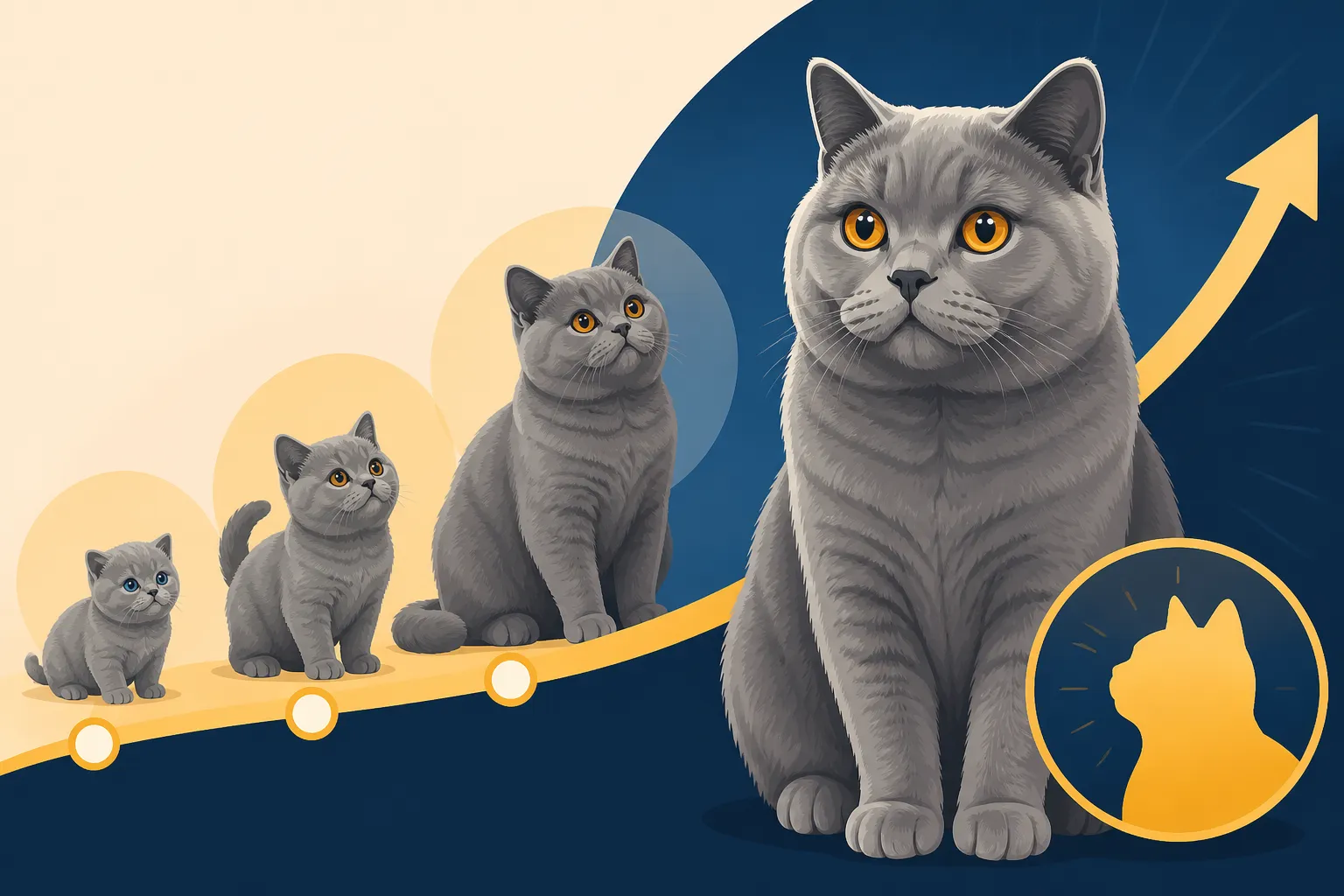
Bringing a British Shorthair into your life is a truly joyous experience, but let's be realistic: a lifetime with one of these magnificent, teddy-bear-like cats comes with a financial commitment that can catch some owners by surprise. It's not just the initial purchase; it's the dedicated care, prevention, and occasional unexpected twists and turns over potentially fifteen years or more that truly add up. This comprehensive guide will meticulously break down the various expenses you can expect, helping you understand the full scope of what it means to budget for your beloved British Shorthair from kittenhood to their golden years.
The Initial Investment: Bringing Home Your British Shorthair
When you first decide to welcome a British Shorthair into your family, there's an immediate upfront cost that goes far beyond just the adoption fee or purchase price. These initial expenses are crucial for setting your new companion up for a healthy and comfortable life. Thinking of these costs as an investment in their future helps put things into perspective.
The Purchase Price of Your British Shorthair Kitten
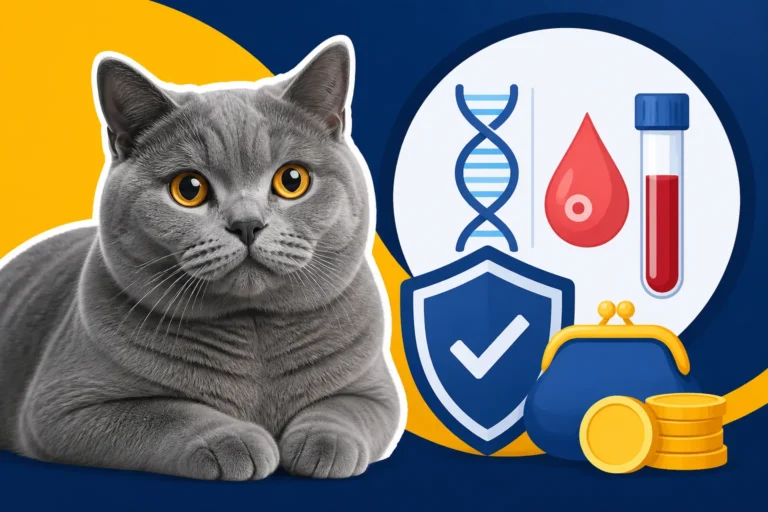
Let's face it, British Shorthairs aren't typically found for free. A well-bred kitten from a reputable breeder, one who prioritizes health and temperament, will represent a significant initial outlay. The cost often reflects the breeder's dedication to proper screening, ensuring healthy parents, and providing early socialization and care for the kittens. You're paying for generations of careful breeding, health checks, and the peace of mind that comes from knowing your kitten has had the best possible start. It's not just a number; it's an indication that the breeder has invested heavily in ensuring the kitten's well-being before it even reaches your home. When you look at the price, remember that it covers more than just the kitten itself; it often includes their first vaccinations, deworming, and sometimes even microchipping. Be very wary of prices that seem too low, as this often indicates corners have been cut, potentially leading to far higher veterinary bills down the line. For more on what to expect, check out What a British Shorthair Costs to Buy in 2026.
Setting Up Your British Shorthair's Home
Once you've secured your British Shorthair, your home needs to be ready. These aren't tiny cats, and their needs reflect their sturdy build and calm demeanor. You'll need a suitable litter box, for starters. A small, flimsy box simply won't do for a British Shorthair, who can grow quite substantial in size. Opt for a large, open litter box to accommodate their breadth and provide comfortable access. Beyond that, sturdy food and water bowls are essential. Many owners opt for ceramic or stainless steel to prevent "kitty acne" and ensure durability. Then there's the cozy factor: a comfortable bed or two, even if they prefer to sleep on your sofa, is a must. And let's not forget enrichment! While they might be known for their calm nature, a British Shorthair still needs scratching posts – multiple, sturdy ones, preferably tall enough for them to stretch fully – and a selection of toys. Even if they're not the most rambunctious players, having a variety of toys on hand encourages occasional activity, which is vital for preventing Obesity Is the British Shorthair's Real Disease.
First Vet Visits and Vaccinations
Bringing home a new kitten means a series of essential vet visits. Even if your breeder provided initial vaccinations, a full course of shots will be necessary to protect your British Shorthair from common feline diseases. These visits aren't just for jabs; they're crucial for establishing a baseline of health with your chosen veterinarian. During these appointments, your vet will perform thorough physical exams, discuss parasite prevention (fleas, ticks, worms), and likely recommend microchipping if it hasn't already been done. Most responsible breeders will also require you to spay or neuter your kitten, and this surgical procedure is another significant upfront cost. While some breeders may include an early neuter/spay in the purchase price, if yours doesn't, factor in this expense within the first six months. These initial veterinary costs are foundational, laying the groundwork for a long, healthy life, and understanding them helps you prepare adequately. It's part of The Screening a British Shorthair Breeder Cannot Skip that contributes to their long-term well-being.
Ongoing Expenses: The Day-to-Day Realities
Once your British Shorthair settles in, the regular, recurring costs begin. These are the expenses you'll factor into your monthly or annual budget, covering everything from what they eat to how you keep them healthy and happy. It's a continuous commitment, but one that ensures your British Shorthair thrives.
The Monthly Food Bill
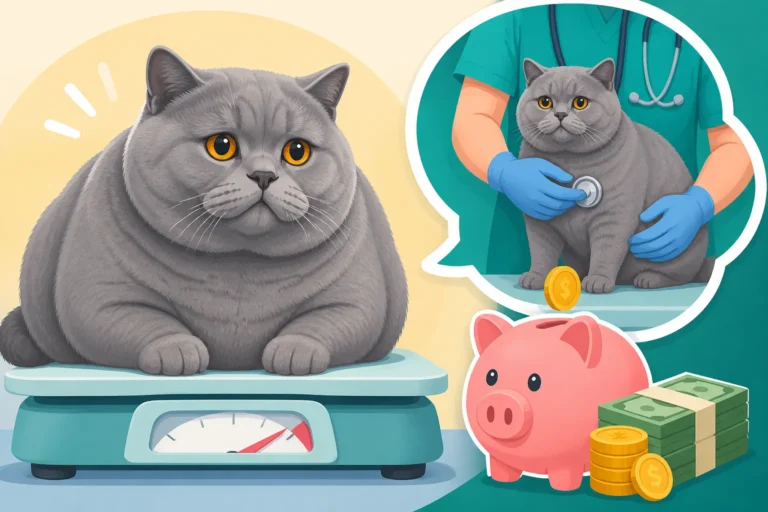
This is arguably one of the most significant and consistent ongoing costs. British Shorthairs are notoriously fond of their food, and their somewhat sedentary nature means portion control is absolutely paramount to prevent them from becoming overweight. You'll want to invest in high-quality cat food, whether it's dry kibble, wet food, or a combination. The type of food you choose can impact the price, with premium brands often costing more but offering better nutritional value. Remember, a British Shorthair's sturdy build can sometimes mask weight gain, making careful feeding even more critical. Many owners find success with portion-controlled feeding, using a scale to measure out meals rather than free-feeding. Reputable online retailers like Chewy offer a wide selection of cat foods, including specialized diets, and often provide convenient auto-ship options. For a deep dive into keeping your British Shorthair at a healthy weight, read Portion Control Is the Whole Job With a British Shorthair.
Litter and Litter Box Maintenance
The litter bill for a British Shorthair can be higher than for a smaller, more active cat. Given their size, they require larger litter boxes, which naturally need more litter to fill adequately. The type of litter you choose also plays a role in cost – from basic clay to silica gel or natural biodegradable options. Regardless of type, regular scooping is vital for hygiene and to encourage your British Shorthair to continue using their box. Complete litter changes and box cleaning should happen frequently. Many owners find that having multiple litter boxes (the general rule of thumb is one per cat plus one extra) is beneficial, especially for a larger breed, to prevent accidents and maintain cleanliness. While not a huge expense in isolation, the cumulative cost of litter over fifteen years is certainly worth considering.
Routine Veterinary Care and Prevention
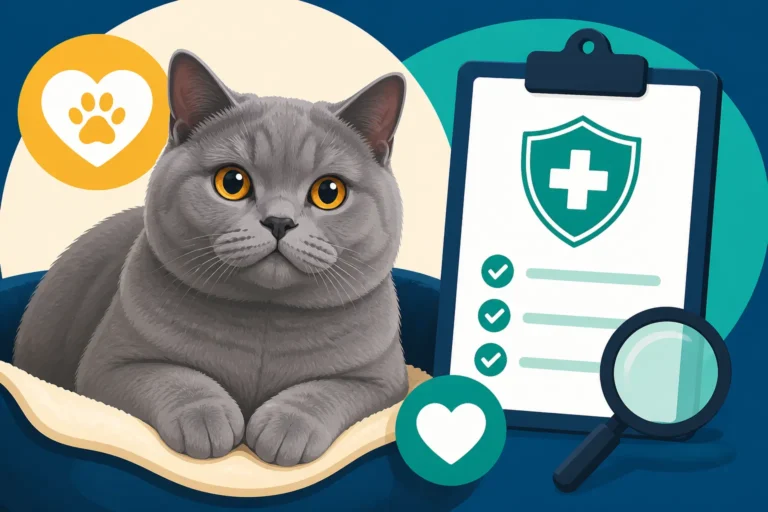
Even the healthiest British Shorthair needs annual veterinary check-ups. These yearly visits are critical for monitoring their overall health, catching potential issues early, and keeping their vaccinations up to date. Beyond the annual exam fee, you'll also have costs for any booster shots, routine deworming treatments, and preventative medications for fleas and ticks. As your British Shorthair ages, your vet might recommend additional blood work or other screenings, like checking thyroid levels or kidney function, even if they seem perfectly healthy. Think of these routine costs as an investment in preventative care, which can often save you from much larger expenses and heartache down the road. Staying proactive with their health is a key component of The Twelve to Seventeen Years a British Shorthair Gets.
Grooming and Enrichment
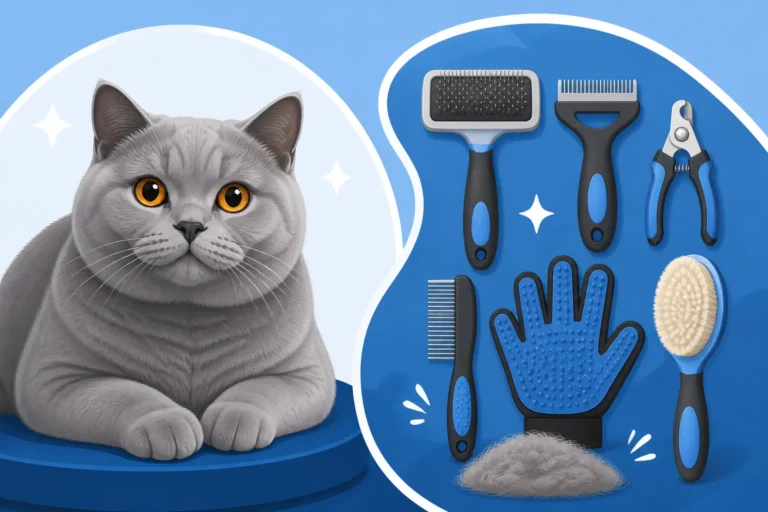
While British Shorthairs are relatively low-maintenance in terms of grooming, they still require some attention. Their dense, plush coats benefit from regular combing – not brushing, which can damage their unique texture. A good quality metal comb, particularly one with both fine and wide teeth, will be your best friend. Expect to comb them a few times a week, and more frequently during seasonal shedding periods when they "blow their undercoat." You can find suitable grooming tools at pet supply stores or through online retailers like Chewy. Nail trims are also essential, typically every few weeks, to prevent overgrown claws that can snag and cause discomfort. Most British Shorthairs are quite tolerant of nail trims if introduced early and done gently. As for enrichment, while they aren't typically high-energy cats, they still need mental and physical stimulation. Investing in sturdy scratching posts, interactive toys (think wand toys or puzzle feeders), and perhaps a robust cat tree or window perch provides opportunities for play and observation. Even a calm cat benefits from these items to prevent boredom and maintain a healthy weight. For more on coat care, see Which Comb a British Shorthair Needs.
Unexpected Costs: Preparing for the What-Ifs
Life with a beloved pet inevitably includes surprises, and sometimes those surprises come with a price tag. While we hope for a smooth, healthy journey, it's wise to acknowledge and prepare for potential unexpected expenses. These are the costs that can fluctuate wildly but have a significant impact when they occur.
Emergency Veterinary Care
No one wants to think about it, but accidents and sudden illnesses can happen to any cat, regardless of breed or how careful you are. Your British Shorthair might ingest something they shouldn't, suffer an injury, or suddenly become acutely ill. Emergency vet visits, diagnostics (like X-rays or ultrasounds), overnight stays, and potential surgeries can quickly accumulate to substantial sums. These situations are often stressful enough without the added burden of financial worry, which is why having an emergency fund or pet insurance is often recommended. These situations highlight the importance of being financially prepared for the unforeseen, as delaying care can have serious consequences for your cat's health.
Chronic Illness Management
While British Shorthairs are generally considered a robust breed, like all purebreds, they can be predisposed to certain genetic conditions or develop chronic illnesses with age. For instance, some lines can be affected by hypertrophic cardiomyopathy (HCM), a heart condition that requires ongoing medication and regular echocardiograms. What HCM Does to a British Shorthair's Heart is a good read if you're concerned. Obesity, as we've mentioned, can lead to a host of other issues like diabetes or joint problems, which require dedicated dietary management, medication, and sometimes even insulin injections. Polycystic Kidney Disease (PKD) is another condition that, while largely bred out, can still appear and requires careful dietary and medical management. Managing a chronic illness involves continuous vet visits, specialized prescription diets, and long-term medications, all of which represent ongoing, sometimes significant, costs over many years.
Pet Insurance Considerations
Given the potential for unexpected emergencies and chronic conditions, many British Shorthair owners opt for pet insurance. Companies like Healthy Paws offer various plans that can help mitigate the financial impact of unforeseen veterinary bills. Pet insurance typically works by reimbursing you for a percentage of your vet expenses after you've met your deductible. It's not a magical fix that covers everything, but it can provide immense peace of mind, especially when faced with a diagnosis requiring extensive treatment. Understanding what different plans cover, what your deductible and reimbursement rate will be, and any exclusions (like pre-existing conditions) is crucial. While it adds a monthly premium to your budget, many owners find it a worthwhile investment to ensure they can always provide the best possible care for their British Shorthair without breaking the bank. For a deeper look, consider reading Insuring a British Shorthair.
Aging Gracefully: Senior Care and End-of-Life Costs
As your British Shorthair transitions into their senior years, typically around age ten, their care needs will often evolve, and with that, so do the associated costs. Providing comfort and maintaining quality of life for an aging cat is a testament to the bond you share.
Increased Veterinary Attention for Seniors
Just like with humans, older cats require more frequent medical attention. Your veterinarian will likely recommend biannual (twice a year) check-ups instead of annual ones to monitor for age-related changes more closely. These visits often include more comprehensive blood work to check organ function, particularly kidneys and thyroid, which are common areas of concern in senior felines. Arthritis is another common issue, especially in a heavier breed like the British Shorthair, and managing their pain and mobility might involve anti-inflammatory medications or joint supplements. Dental disease also tends to worsen with age, potentially necessitating professional dental cleanings under anesthesia, which can be a significant expense. For more detailed information on senior care, see Caring for a British Shorthair Past Ten.
Specialized Diets and Medications for Older British Shorthairs
As organs begin to decline or specific health conditions emerge, your senior British Shorthair may require specialized prescription diets. For example, a cat with early kidney disease might need a specific renal diet to support kidney function, or one with heart disease may need a cardiac-supportive diet. These prescription foods are often more expensive than regular maintenance diets. Furthermore, managing chronic conditions in older cats frequently involves daily medications, whether for arthritis, hyperthyroidism, high blood pressure, or other ailments. These medications are ongoing costs that become a regular part of your budget for the remainder of their lives. Many pet parents find it convenient to order these specialized foods and medications through online pharmacies or retailers like Chewy, especially if their vet offers prescription fulfillment through such services.
End-of-Life Decisions and Costs
This is perhaps the most difficult aspect of pet ownership to consider, but it's an important part of the financial picture for a British Shorthair's entire lifespan. As your cat reaches the very end of their life, you may face decisions about palliative care to keep them comfortable, or ultimately, humane euthanasia when their quality of life diminishes beyond what can be managed. These services, along with options for cremation or burial, come with their own set of costs. While emotional, having an understanding of these potential expenses can help you make clear-headed decisions during a very challenging time. The duration of their life means these decisions might come fifteen years after their initial arrival, bringing the full circle of financial commitment into perspective. Understanding What Most British Shorthairs Die Of can help prepare you emotionally and financially for this eventual reality.
Table: Estimating Lifetime British Shorthair Costs
Please remember, these are broad estimates and can vary significantly based on location, individual cat's health, your lifestyle choices, and inflation over time. It's always best to research current prices in your area and consult with professionals.
| Category | Initial (First Year) Estimated Cost | Annual (Subsequent Years) Estimated Cost | Total Lifetime (15 Years) Implication | Key Considerations |
|---|---|---|---|---|
| Purchase/Adoption | High | N/A | One-time significant cost | Breeder quality, health testing, pet vs. show quality |
| Initial Supplies | Moderate | Low (replacement items) | Variable, depends on durability | Large litter box, quality bowls, sturdy scratching posts |
| Vet & Spay/Neuter | High | Moderate (routine only) | Ongoing, increases with age | Vaccinations, microchip, parasite control, surgical fees |
| Food & Treats | Moderate-High | Moderate-High | Very Significant | Quality ingredients, portion control, special diets |
| Litter | Moderate | Moderate | Significant | Type of litter, number of boxes |
| Grooming/Toys | Low-Moderate | Low-Moderate | Moderate | Combs, nail clippers, occasional new toys |
| Pet Insurance | Optional (but recommended) | Low-Moderate | Significant if chosen | Peace of mind for emergencies/chronic illness |
| Emergency Fund | Recommended (savings) | Recommended (replenish) | Crucial | Unexpected accidents, sudden illnesses |
| Senior Care | N/A (starts around age 10) | High (increased vet, meds) | Significant in later years | Biannual checks, bloodwork, arthritis, dental |
| End-of-Life Care | N/A | Variable (at end of life) | One-time final cost | Palliative care, euthanasia, cremation/burial |
Final Thoughts on the Investment
The journey of owning a British Shorthair for fifteen years is a rich and rewarding one, filled with quiet companionship, purrs, and plenty of opportunities to marvel at their plush beauty. However, it's also a significant financial journey. From the moment you begin researching reputable breeders to the day you say goodbye, you're making a long-term commitment that impacts your budget. By understanding these costs upfront, from the What a British Shorthair's Yearly Echo Costs to routine food bills, you can plan effectively, make informed decisions, and ensure you're able to provide the very best for your beloved feline friend throughout their entire wonderful life. They give us so much joy, and in return, they deserve our thoughtful and sustained care.
Disclaimer
This article is for general informational purposes only and does not constitute professional advice. Laws, prices and regulations vary by location and change over time. Consult a qualified professional for guidance on your specific situation.