Which British Shorthair Bill Nobody Warns You About
Bringing a British Shorthair into your life is an absolute joy, filled with the promise of purrs, quiet companionship, and that undeniably charming, plush teddy bear look. What many new owners often don't anticipate, however, is that while these wonderful cats are generally quite hardy, they come with a few "hidden" financial considerations that can sneak up on you over the years. This guide is here to shine a light on those often-unmentioned bills, helping you budget wisely and ensure your beloved British Shorthair lives a long, healthy, and happy life.
The Stealthy Creep of Obesity-Related Bills
One of the biggest, yet often overlooked, financial drains on a British Shorthair owner is the cost associated with managing and treating obesity and its secondary health issues. These aren't costs you see upfront when you buy your kitten; they creep up on you slowly, much like the pounds on your cat's frame.
Why British Shorthairs Are Prone to Weight Gain
Let's be honest, British Shorthairs are champions of chill. They adore lounging, observing, and occasionally, a gentle flop onto a sunbeam. This naturally calm and less active disposition, combined with their profound love for food, creates a perfect storm for weight gain. Their dense, plush coats, while beautiful, also do an excellent job of masking a thickening waistline. You might think your cat is just "big-boned" or "chunky," when in reality, those extra pounds are piling on. It's incredibly easy for an owner to inadvertently overfeed them, especially if they’re used to free-feeding or giving generous portions. Before you know it, a sleek, healthy cat transforms into an overweight one. If you're wondering Why a British Shorthair Gains Weight So Easily, it truly comes down to their genetics for a placid nature and a keen appetite.
The Cascade of Health Problems and Their Costs
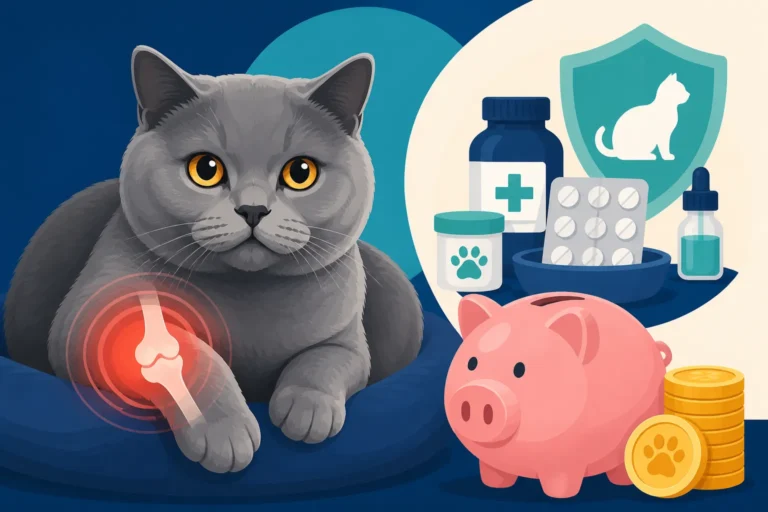
Once a British Shorthair becomes overweight, it's not just an aesthetic issue; it opens the door to a host of serious health problems, each with its own significant price tag. Diabetes is a common one, requiring daily insulin injections, regular vet visits for glucose monitoring, and specialized diets. Arthritis can develop or worsen due to the extra strain on their joints, leading to ongoing medication, supplements, and possibly even mobility aids or therapeutic treatments. What Obesity Does to a British Shorthair's Joints is a major concern as it impacts their quality of life. Liver issues, particularly hepatic lipidosis, can also be triggered by rapid weight loss or severe obesity, demanding intensive and expensive veterinary intervention. Then there's the simple, but critical, problem of hygiene: an overweight British Shorthair struggles to groom its own back and hindquarters, leading to mats, skin infections, and the need for professional grooming or increased owner effort. Treating Diabetes in a British Shorthair alone can be a substantial, ongoing expense that few first-time owners are prepared for.
The Hidden Costs of Weight Management
Beyond the immediate veterinary bills for treating conditions, managing an overweight British Shorthair comes with its own set of continuous, subtle costs. First, there's the food itself. Many overweight cats require specialized prescription weight-loss diets, which are often more expensive than standard commercial foods. Brands found on platforms like Chewy offer a wide range of these specialized foods, but the cost difference can be surprising over a year. You might also invest in puzzle feeders to slow down eating and encourage mental stimulation, or timed feeders to ensure precise portion control. Then there's the effort to get your naturally lazy cat to move more. This might mean buying a rotating array of interactive toys, dedicated play sessions, or even signing up for training classes if you're really committed. The goal is to make exercise engaging for a cat that would rather nap, and that often means trial and error with different types of play and enrichment. All these efforts add up, and the cost of maintaining a healthy weight for a British Shorthair can be an unexpected and continuous financial commitment. What a British Shorthair Costs a Month on a Weight Diet can easily outweigh initial food budget expectations.
The Continuous Commitment to Heart Health Screening
Another significant, often unforeseen, bill for British Shorthair owners is the ongoing cost of monitoring heart health, specifically for Hypertrophic Cardiomyopathy (HCM).
Understanding HCM and the Need for Regular Echoes
Hypertrophic Cardiomyopathy (HCM) is the most common heart disease in cats, and British Shorthairs are regrettably predisposed to it. It's a condition where the muscular walls of the heart thicken, making it harder for the heart to pump blood effectively. The insidious part of HCM is that affected cats often show no symptoms until the disease is quite advanced, sometimes only revealing itself during a stressful event or through a sudden, devastating complication like a blood clot. Unlike some other breeds, HCM in a British Shorthair Has No DNA Test to identify carriers or affected individuals, which means the only reliable way to diagnose the condition in living cats is through an echocardiogram (an ultrasound of the heart). This non-invasive scan allows a veterinary cardiologist to visualize the heart's structure and function. For any responsible British Shorthair owner or breeder, these screenings aren't a one-time thing; they're a vital, recurring part of preventative care to catch the disease early and manage it.
The Recurring Nature of Echo Costs
This isn't a single bill you pay and forget about. Because HCM can develop at any age and progress over time, British Shorthairs need regular echocardiograms throughout their lives. Typically, this means an echo every one to two years, often performed by a board-certified veterinary cardiologist. These specialists have advanced training and equipment to get the most accurate readings. Each echocardiogram involves not just the scan itself but often a consultation fee with the specialist. The cumulative cost over a British Shorthair's lifespan can be substantial, especially when you consider that they can live well into their teens. How Often a British Shorthair Needs an Echo is a question that reveals the long-term commitment. Many owners are surprised by the price tag of a single echo, let alone a decade's worth. What a British Shorthair's Yearly Echo Costs can feel like paying for a car inspection that yields no tangible fix, but it's essential for peace of mind and early intervention.
The Financial Impact of an HCM Diagnosis
Should your British Shorthair be diagnosed with HCM, the financial landscape changes dramatically. While there's no cure, the disease can often be managed with daily medication to slow its progression, improve heart function, and prevent complications. These medications—which might include beta-blockers, ACE inhibitors, or anti-clotting agents—are prescribed for the remainder of your cat's life and represent a significant, ongoing monthly expense. Regular follow-up echocardiograms will also be needed more frequently to monitor the effectiveness of the treatment and adjust dosages. Furthermore, should your cat experience complications like congestive heart failure or a saddle thrombus (a blood clot that paralyzes the hind legs), emergency veterinary care is intensive, costly, and emotionally draining. Insurance providers like Healthy Paws can certainly soften the blow of unexpected medical crises, but many policies have waiting periods or may not cover pre-existing conditions if the diagnosis occurred before coverage began. Understanding Which Medication a British Shorthair With HCM Takes helps in estimating the ongoing cost, but emergencies are the real bill shocker. It's truly a bill that nobody warns you about: the decade-long commitment to managing a chronic condition.
The Silent Drain of Neglected Dental Care
Dental health in cats is frequently ignored until a significant problem arises, and this oversight can lead to some of the most unexpectedly high veterinary bills for British Shorthair owners.
Why Dental Health Is Often Overlooked
Cats are masters of masking pain and discomfort, and dental issues are no exception. Your British Shorthair might be quietly suffering from painful gingivitis, periodontitis, or even resorptive lesions without showing obvious signs like pawing at their mouth or refusing to eat. Many owners simply don't routinely check their cat's teeth, and by the time bad breath becomes noticeable, the problem is often advanced. The breed's distinctive round head and slightly shorter muzzle might even predispose some individuals to dental crowding, making them more susceptible to plaque and tartar buildup. What starts as a mild case of Gingivitis in a British Shorthair can quickly escalate into something much more severe and painful, all while flying under the radar. Owners often focus on vaccinations and annual check-ups, forgetting the critical role dental hygiene plays in overall health.
The Escalating Price of Professional Dentals
When dental disease is finally diagnosed, often during a routine wellness exam, a professional dental cleaning under anesthesia is usually recommended. This isn't a simple brush-and-go procedure. It involves pre-anesthetic blood work, the anesthesia itself, monitoring throughout the procedure, thorough scaling and polishing of all tooth surfaces (including below the gum line), and potentially dental X-rays to check for issues beneath the gum line or painful tooth resorption. If extractions are necessary due to severe disease or damage, the cost can quickly climb, especially for multiple or complex extractions. And just like heart echoes, dental care isn't a one-time event; most cats will need professional cleanings every few years, depending on their individual needs and home care. The cumulation of these procedures over a British Shorthair's lifetime can be a staggering amount that few factored into their initial budget. Asking How Often a British Shorthair Needs a Dental or What a British Shorthair's First Dental Costs often leads to sticker shock.
Long-Term Consequences and Associated Bills
Neglecting your British Shorthair's dental health can lead to far more than just bad breath and sore gums. Chronic dental disease can introduce bacteria into the bloodstream, potentially impacting vital organs like the heart, kidneys, and liver. This means that an untreated dental problem could contribute to, or worsen, conditions like kidney disease or heart murmurs, leading to even more complex and expensive medical treatments down the line. Furthermore, chronic pain from dental issues can affect your cat's appetite, energy levels, and overall demeanor, sometimes making them seem “grumpy” or withdrawn. Investing in preventative dental care, such as regular at-home brushing with cat-specific toothpaste, can significantly reduce the need for costly professional cleanings and mitigate the risk of these systemic complications, but it requires consistent effort and starts young. These indirect costs, arising from complications of neglected oral hygiene, are truly the bills nobody warns you about.
A Snapshot of Expected vs. Unexpected Ongoing Costs
To help visualize where these unexpected costs fit into the broader picture of British Shorthair ownership, here's a quick comparison.
| Category | Expected Ongoing Costs | Unexpected/Hidden Ongoing Costs |
|---|---|---|
| Food | High-quality kibble/wet food, treats | Prescription weight-loss diets, puzzle feeders, specialty supplements |
| Vet Visits | Annual wellness exams, vaccinations, parasite control | Regular HCM echocardiograms, diabetes management (insulin, monitoring), arthritis medication, emergency care for complications |
| Grooming | Regular combing, nail trims | Professional grooming for mats/skin issues due to obesity, specific shampoos for skin conditions |
| Litter & Supplies | Litter, litter boxes, toys | Larger litter boxes (for obese cats), orthopedic beds for joint pain, enriching toys to encourage movement |
| Insurance/Savings | Monthly premiums or dedicated savings account | Higher premiums or out-of-pocket costs for chronic conditions if not covered, managing deductibles and co-pays |
Disclaimer
This article is for general informational purposes only and does not constitute professional advice. Laws, prices and regulations vary by location and change over time. Consult a qualified professional for guidance on your specific situation.