What a Silver Tabby British Shorthair Costs
Many prospective British Shorthair owners fall head over heels for the striking silver tabby, picturing that distinct pattern and those captivating eyes. But before you commit your heart and home to one of these gorgeous felines, it’s completely understandable to wonder about the financial commitment involved. You want to be prepared, and let me tell you, the journey to bringing home and caring for a silver tabby British Shorthair involves more than just the initial purchase price. This guide will walk you through the various costs, from acquisition to long-term care, helping you understand the full picture.
The Allure of the Silver Tabby British Shorthair and Its Baseline Cost
There's something undeniably captivating about a silver tabby British Shorthair. Their shimmering coats, often adorned with dramatic swirls or delicate spots, paired with those intense green or gold eyes, really set them apart. It's this unique aesthetic that often draws people in and, frankly, can influence the price tag.
Why Silver Tabbies Stand Out and Command a Price
The silver tabby pattern in British Shorthairs isn't just "pretty"; it's a specific genetic expression that creates their distinctive look. You'll see variations like the classic tabby (marbled swirls), mackerel tabby (thin stripes), or spotted tabby (distinct spots). When combined with the silver gene, it gives their dense, plush coat a dazzling, almost iridescent quality, making the underlying pattern truly pop. This striking appearance often makes them highly sought after.
Think about it: while the solid blue British Shorthair might be the most iconic image people have, the complexity and visual appeal of a well-marked silver tabby often mean they are in high demand. Breeders spend years perfecting lines to ensure not only excellent health and temperament but also adherence to breed standards for coat color and pattern. This dedication to aesthetics, coupled with the inherent beauty, naturally makes them a premium choice. It's not just about getting a cat; it's about getting that cat, with that specific, breathtaking look.
Understanding the Breeder's Price Tag for a Silver Tabby
When you look at the price for a silver tabby British Shorthair kitten from a reputable breeder, it's important to understand that this isn't just a number pulled out of thin air. It represents a significant investment on the breeder's part. Good breeders put immense effort into the health, welfare, and genetic integrity of their cats.
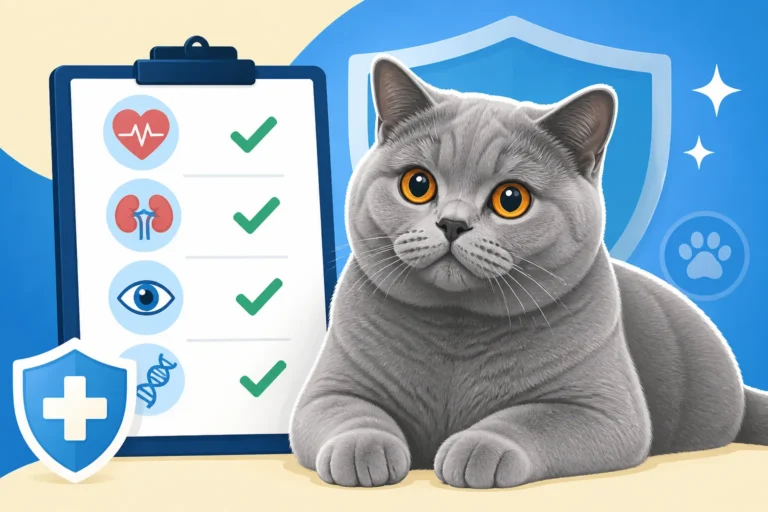
This includes comprehensive health testing for the parent cats, such as echocardiograms to screen for Hypertrophic Cardiomyopathy (HCM) – a serious heart condition – and DNA tests for Polycystic Kidney Disease (PKD) and Hemophilia B. They provide top-tier nutrition, regular veterinary check-ups for both the queen and her kittens, early socialization to ensure well-adjusted personalities, and the costs associated with registering the litter with a reputable cat association. All of these factors contribute to the overall What a British Shorthair Kitten Costs From a Breeder. For a silver tabby, specifically, the challenges of consistently producing excellent silver tabby patterns with clear markings can sometimes add a small premium. This reflects the breeder's skill and the difficulty in achieving such a desirable outcome. Don't forget, you're not just buying a kitten; you're buying years of careful breeding, health guarantees, and a foundation for a long, happy life.
Beyond the Purchase Price: Initial Expenses for Your Silver Tabby
Bringing your new silver tabby British Shorthair home is an incredibly exciting time, but the costs don't stop with the breeder's fee. There are crucial initial expenses that every new cat parent needs to budget for to ensure their kitten settles in comfortably and healthily.
Essential Setup Costs for a New Kitten
Setting up your home for a British Shorthair means thinking about their unique needs, especially their sturdy build and generally calm disposition. You’ll need a robust carrier for safe transport, both from the breeder and for future vet visits. These aren't just for show; a secure carrier is non-negotiable for safety.
Then there are the daily essentials. Food and water bowls should be sturdy and easy to clean. Since British Shorthairs can grow quite large and are prone to weight gain, investing in high-quality food from the start is wise. A good scratching post or tree is vital to save your furniture – and remember, they're big cats, so look for a Which Cat Tree a British Shorthair Uses that is stable and tall enough for them to stretch fully. And speaking of size, your litter box choice matters! A large, easily accessible litter box is key for a comfortable British Shorthair, otherwise, you might find them missing the mark. Make sure it's spacious enough, as a cramped box can lead to avoidance issues later on.
First-Year Veterinary Care and Preventive Measures
The first year of your silver tabby's life is a whirlwind of growth, and with that comes essential veterinary care. Most reputable breeders will have started the vaccination course, but your kitten will need follow-up boosters to ensure full immunity against common feline diseases. Deworming and flea/tick prevention are also standard and recurring expenses.
A thorough initial vet check-up is paramount to establish a baseline of health and to discuss any concerns. This is also the time when your vet will discuss microchipping, which is a small, permanent chip inserted under the skin that greatly increases the chances of being reunited if your cat ever gets lost, even for an indoor British Shorthair. Perhaps the most significant first-year cost beyond routine care is neutering or spaying. This procedure is crucial for preventing unwanted litters, reducing certain health risks, and curbing undesirable behaviors. The cost varies, but it's a non-negotiable part of responsible pet ownership. Some breeders might include this in the kitten's price or offer a rebate upon proof of the procedure. It's also a good idea to consider an initial The Age a British Shorthair Should Start Screening for HCM, even if the parents were clear, just to start a baseline for your cat's health history.
Ongoing Costs of Owning a Silver Tabby British Shorthair
Owning a British Shorthair is a long-term commitment, typically spanning 12 to 17 years. This means budgeting for consistent, ongoing expenses that will keep your beloved silver tabby happy and healthy throughout their life.
Food and Nutrition: Keeping That Plush Coat Healthy
British Shorthairs are renowned for their robust appetites and tendency to gain weight, so quality food and strict portion control are paramount. You'll want to choose a high-quality cat food, whether it's dry kibble, wet food, or a combination, that meets all their nutritional needs. Premium options can be excellent choices, though they often come at a higher price point than generic brands. However, investing in good nutrition now can potentially save you money on vet bills later by preventing obesity-related health issues like Obesity Is the British Shorthair's Real Disease.
Remember, a British Shorthair's charmingly chunky physique can mask excess weight, so vigilance is key. Why a British Shorthair Gains Weight So Easily is a constant battle for many owners. Always measure their food and resist the urge to free-feed. Treats should be given in moderation and factored into their daily calorie intake. These food costs are a weekly or monthly expense that will continue for the entirety of your cat's life.
Routine Veterinary Care and Unexpected Health Concerns
Annual veterinary check-ups are non-negotiable. These visits include physical exams, vaccinations (as needed), and parasite prevention (fleas, ticks, and worms). As your British Shorthair ages, these check-ups may include bloodwork to monitor organ function, especially important for breeds known to be susceptible to certain conditions.
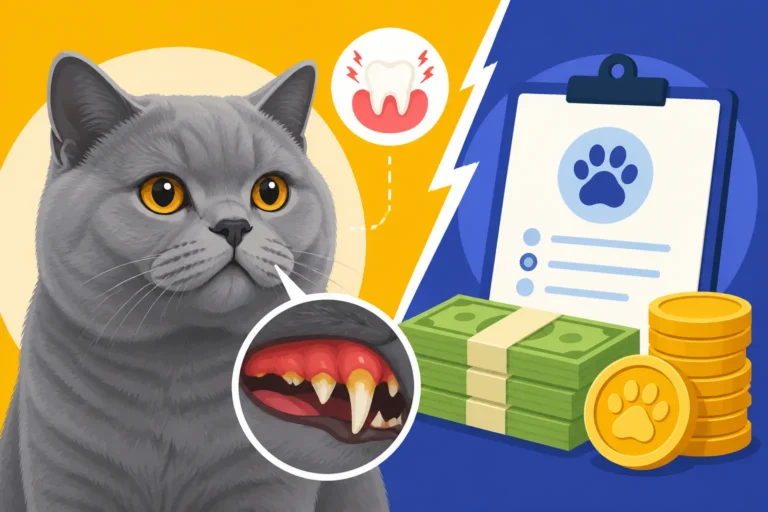
Beyond routine care, British Shorthairs have a predisposition to certain health issues, notably Hypertrophic Cardiomyopathy (HCM). Even if your kitten came from screened parents, annual echocardiograms are often recommended by veterinary cardiologists as The Yearly Echo That Replaces a British Shorthair Gene Test and can be a significant ongoing cost. Dental health is another major consideration; many cats require professional dental cleanings throughout their lives, and What a British Shorthair's First Dental Costs can be a wake-up call for many owners. Unexpected illnesses or accidents can also arise, and these can quickly accumulate substantial bills. This is where pet insurance, like plans offered by Healthy Paws, can be a lifesaver, helping to cover a significant portion of these unforeseen medical expenses. Thinking about this proactively can save a lot of stress down the line.
Grooming, Litter, and Enrichment for a Calm Companion
While British Shorthairs are relatively low-maintenance when it comes to grooming, they do have a dense, plush coat that benefits from regular care. You'll need a good quality steel comb – Which Comb a British Shorthair Needs – to work through their fur and remove loose hair, especially during shedding seasons. This helps prevent mats and reduces hairballs.
Litter is another constant expense. Due to their size, British Shorthairs can go through a fair amount of litter, and a heavy cat with a thick coat needs a clean box. Consider the environmental and financial impact of How Much Litter a Low Activity British Shorthair Gets Through over a year. Enrichment is also important, even for a calm British Shorthair. While they might not be chasing laser pointers for hours, they still need mental stimulation and some physical activity. Toys, cat trees (sturdy ones, please!), and perhaps even a water fountain to encourage hydration are all part of a stimulating environment. These items might not be daily purchases, but they add up over time as they wear out or need upgrading.
Factors That Influence the Overall Cost Over a Lifetime
The initial sticker price and yearly essentials are just part of the financial tapestry of owning a silver tabby British Shorthair. Several other factors can significantly influence the total cost over their long lifespan, making it crucial to consider these when budgeting.
Pet Insurance: A Safety Net for Your Silver Tabby
Pet insurance, like the comprehensive plans offered by Healthy Paws, is one of those expenses many owners consider optional, but it can be an absolute game-changer. For a breed with known predispositions like HCM or Polycystic Kidney Disease (even if DNA-tested, other kidney issues can arise), having a safety net for unexpected illnesses or accidents is invaluable. Imagine the stress of an emergency vet visit or a chronic condition diagnosis without insurance.
Policies typically cover accidents, illnesses, surgeries, medications, and emergency care. What they usually don't cover are pre-existing conditions, so it's always best to enroll your kitten when they are young and healthy. The cost of pet insurance varies based on your cat's age, breed, and your location, as well as the deductible and reimbursement percentage you choose. While it's a monthly expense, it can prevent you from facing a devastating bill that forces impossible choices during a crisis. It's truly a form of financial planning for your cat's health. Insuring a British Shorthair is something I strongly recommend all owners look into.
Age and Health Status: The Price of a Senior Silver Tabby
As your cherished silver tabby British Shorthair grows older, their veterinary needs naturally tend to increase. Just like people, senior cats can develop age-related conditions that require ongoing management and specialized care. This could mean more frequent vet visits, specialized diets, or daily medications.
Common issues in older British Shorthairs include Arthritis in an Older British Shorthair, which might require pain medication or joint supplements, and conditions like Hyperthyroidism in an Older British Shorthair or kidney disease, which necessitate regular blood tests and specific treatments. An aging cat might also need adjustments to their environment, such as ramps to access favorite sleeping spots, as discussed in Caring for a British Shorthair Past Ten. These costs can be substantial, making planning for a senior cat's care a critical part of lifetime ownership. It's a testament to the love and commitment we have for our feline companions.
Location and Lifestyle: Regional Price Differences
Where you live can significantly impact the overall cost of owning a British Shorthair. Veterinary care, for example, often costs more in metropolitan areas compared to rural ones, simply due to higher overheads. The cost of living in your region also affects the price of everything from cat food and litter to pet-sitting services.
Your personal lifestyle choices also play a role. Do you travel frequently and need to board your cat or hire a pet sitter? Do you prefer premium organic food or are you comfortable with a more standard, yet still high-quality, diet? Are you diligent about at-home grooming, or would you occasionally use a professional groomer for a sanitary trim if needed? Each of these decisions, big or small, adds to the overall financial commitment. Being honest with yourself about these factors from the outset will give you a much clearer picture of what to expect over the years.
| Category | Initial Costs (First Year) | Ongoing Annual Costs (After First Year) |
|---|---|---|
| Purchase Price | British Shorthair Kitten (varies by breeder/pedigree) | N/A |
| Vet Care | Vaccinations, deworming, microchip, spay/neuter, initial exam | Annual check-up, boosters, parasite prevention, potential HCM echo |
| Food & Treats | High-quality kitten food | High-quality adult food (portion-controlled), treats |
| Supplies | Carrier, litter box, bowls, scratching post, initial toys | Litter, replacement toys, grooming tools |
| Pet Insurance | First year's premiums | Annual premiums |
| Miscellaneous | Emergency fund, training aids (if desired) | Emergency fund top-ups, pet sitting/boarding (if applicable) |
Bringing a silver tabby British Shorthair into your life is an incredibly rewarding experience, filled with quiet companionship and endless purrs. While the initial purchase price might seem like the biggest hurdle, it’s really just the beginning of a lifelong financial commitment. Understanding and budgeting for these various costs – from the initial setup and veterinary care to ongoing food, grooming, and potential senior health needs – ensures you can provide the best possible life for your furry family member. It’s an investment, not just in a pet, but in a cherished companion who will bring joy for many years to come.
Disclaimer
This article is for general informational purposes only and does not constitute professional advice. Laws, prices and regulations vary by location and change over time. Consult a qualified professional for guidance on your specific situation.