Whether a Black British Shorthair Costs Less
It's a common thought that perhaps a less "flashy" or a more common color might mean a lower price tag when you're looking to bring a purebred cat into your home. We've all seen the beautiful British Shorthairs with their striking blue or golden coats, and it's natural to wonder if a solid black version might be a more budget-friendly option. This guide will dive deep into the fascinating world of British Shorthair pricing to uncover whether coat color, specifically black, truly impacts the initial cost of these wonderful felines.
The British Shorthair Price Landscape: It's Not Just About Color
When you start looking for a British Shorthair, you'll quickly realize that the price range can be quite broad, sometimes feeling a bit bewildering. It’s not like buying a sweater where a black one is generally the same price as a blue one. With living creatures, especially purebred animals, there are so many more layers to what makes up that initial cost. Many people assume color is a primary driver, and while demand for certain colors certainly plays a role, it's rarely the only or even the main factor for a truly reputable breeder.
You might see breeders advertise "rare" colors at a premium, which can make you think that "common" colors, like black, would naturally be cheaper. However, a high-quality British Shorthair kitten, regardless of its coat, comes from a line of careful breeding, health testing, and dedicated care. These are the real investments that dictate the price, not just the pigment in their fur. It's a foundational understanding that will serve you well in your search for the right feline companion.
What Truly Drives British Shorthair Prices
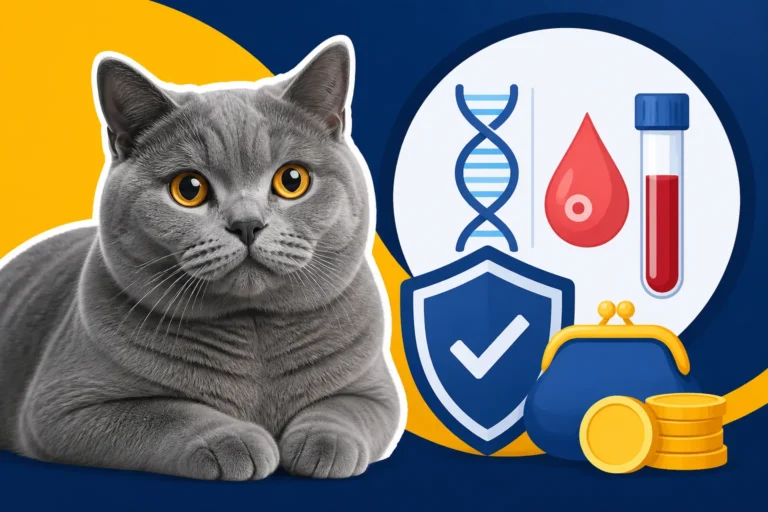
Let's pull back the curtain on what genuinely influences the cost of a British Shorthair kitten. First and foremost is the breeder's reputation and ethical practices. A responsible breeder isn't just someone who puts two cats together; they are curators of the breed, dedicating years, if not decades, to understanding genetics, health, and temperament. They invest heavily in their breeding cats, ensuring they are healthy and free from genetic predispositions. This includes extensive health screening for conditions like Hypertrophic Cardiomyopathy (HCM) through regular echocardiograms, and Polycystic Kidney Disease (PKD) which can be DNA tested.
Beyond health, a good breeder ensures their kittens are raised in a clean, stimulating home environment, receive proper nutrition, early socialization, and all necessary vaccinations and veterinary check-ups before they go to their new homes. This comprehensive care and upfront investment are reflected in the purchase price. Think of it this way: you're not just paying for a kitten; you're paying for the peace of mind that comes from knowing it has had the best possible start in life. This also means understanding What a British Shorthair Breeder Should Have Tested before you even consider bringing a kitten home.
Why Some Colors Seem More Expensive
It’s true that some colors, particularly the classic British Blue, lilac, chocolate, and the more recently popular golden or silver shaded varieties, often seem to command a higher price. This isn't necessarily because they are "rarer" in the sense of being hard to produce, but more often because of market demand and current trends. The British Blue, for instance, is the quintessential image of the breed, thanks to its long history and popular media representations, making it consistently highly sought after. Why the Blue Became the British Shorthair Everyone Pictures is a story rooted in history and perception.
Breeders who consistently produce top-quality kittens in these highly desired colors might find buyers willing to pay a premium. However, it's vital to differentiate between a truly well-bred cat in a popular color and a poorly bred cat being marketed as "rare" to justify an inflated price. A truly rare color might indeed cost more due to the difficulty in breeding it to standard, but many "rare" claims are simply marketing ploys. A black British Shorthair, when bred to the same high standards, requires the same investment from the breeder, regardless of external demand trends.
Understanding the Black British Shorthair
Now, let’s talk about the majestic black British Shorthair. When people picture a British Shorthair, a solid blue, with its dense, plush coat and round, copper eyes, often comes to mind. But the breed actually comes in a stunning array of colors and patterns, and black is one of them! A well-bred black British Shorthair is truly a sight to behold, exuding an air of understated elegance and mystery. They are often overlooked in favor of more brightly colored cats, but this doesn't diminish their inherent value or the care that goes into producing them.
The notion that black cats, in general, are somehow "less desirable" or harder to adopt has been a persistent myth, perhaps stemming from old superstitions. While this might unfortunately be true for some shelter animals, it generally holds less sway in the world of purebred cat breeding, where quality and adherence to breed standards are paramount.
The Beauty of a Solid Black British Shorthair
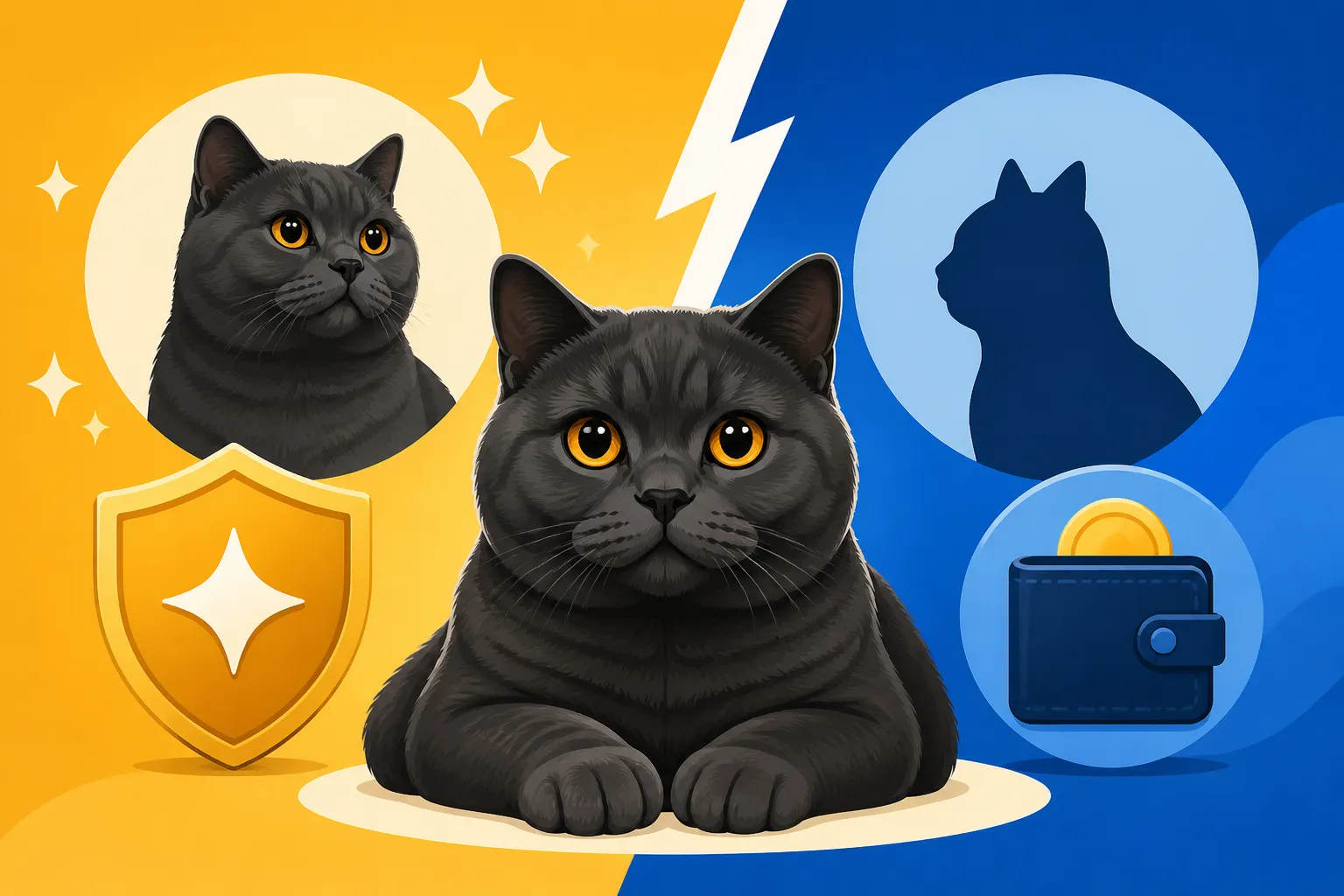
Imagine a cat like a shadow come to life – deep, dense, glossy black fur that absorbs the light, often making their striking copper or gold eyes stand out even more. A solid black British Shorthair, also sometimes referred to as a "self-black," is truly a beautiful animal. Their coat should be as uniform as possible, without any "ghost" tabby markings which can sometimes appear, especially in kittens. This deep, rich color complements their famous cobby body and round face, creating a look that is both sophisticated and undeniably British Shorthair.
Their plush, short coat feels wonderfully soft, like velvet, and when healthy, it shimmers in the light. This is not just any black cat; this is a British Shorthair, with all the breed's hallmark traits: the sturdy build, the strong jowls in males, the sweet expression, and the calm, self-possessed demeanor. They are incredibly striking and, to those who appreciate them, are every bit as beautiful as their blue or silver counterparts. They embody a quiet dignity that is truly captivating.
Is Black a "Less Desirable" Color in the British Shorthair World?
For reputable British Shorthair breeders, the desirability of a color is almost always secondary to the quality of the cat itself and its adherence to the breed standard. A black British Shorthair that has excellent "type" – meaning it perfectly embodies the physical characteristics of the breed, such as head shape, eye color, coat density, and body structure – is just as valuable to a breeding program as a blue one of equal quality. The goal of a serious breeder is to produce healthy, well-socialized kittens that meet the breed standard, regardless of color.
While it's true that the blue variety often sees the highest demand, a high-quality black British Shorthair is still a prized animal. You might find that some breeders have fewer black kittens available at any given time, not because they are less desirable, but simply due to the specific genetic pairings in their cattery. Therefore, approaching a breeder with an open mind about color can sometimes lead you to a wonderful kitten that might have been overlooked by others simply because it wasn't the "popular" choice. Remember, temperament and health are far more important than any specific shade of fur.
Factors Affecting the Cost of a Black British Shorthair
When it comes to the actual price you'll pay for a black British Shorthair, it’s not really about the color itself, but rather a host of other factors that combine to create the overall value. A good breeder’s costs for raising a healthy black kitten are exactly the same as for a blue or lilac one. They don't get a discount on vet visits or quality food just because the kitten is black! So, let's explore what genuinely influences the price tag of these lovely, inky-coated cats.
Breeder Quality and Health Screening
This is arguably the single most important factor. A reputable British Shorthair breeder invests significant resources into their program. This includes the initial purchase of high-quality breeding stock, which can be substantial, as well as ongoing costs for regular veterinary care, genetic testing, and specialized health screenings. For example, British Shorthairs should be screened for HCM in a British Shorthair Has No DNA Test and instead requires regular echocardiograms by a veterinary cardiologist. This is not a cheap procedure, and breeders often repeat these tests annually for their breeding cats.
They also screen for Polycystic Kidney Disease (PKD) and ensure their cattery is free from common feline diseases. These crucial health measures are expensive, but they are absolutely non-negotiable for an ethical breeder who cares about the long-term health of the breed and their kittens. The price you pay for your kitten directly supports these efforts, ensuring you receive a healthy, robust companion. A cheap kitten often means a breeder has skipped these vital and costly steps, leading to potential heartbreak and massive vet bills down the line. It's a true example of "you get what you pay for."
Pedigree and Show Potential
Just like with any purebred animal, the pedigree of a British Shorthair plays a significant role in its price. A kitten from a line of champion show cats, where parents and grandparents have achieved titles, will almost always command a higher price. These kittens are considered to have exceptional "type" and are bred to further enhance the breed's standards. Even if you're looking for a pet, the genetics for conformation and temperament passed down from such a line are highly valued. A black British Shorthair with an impeccable pedigree, perfect conformation, and that classic British Shorthair teddy bear look will certainly not be less expensive than a blue one of similar quality.
Furthermore, kittens that show strong potential to be show quality themselves will often be priced higher. These kittens are the cream of the crop, displaying all the desired physical traits from a young age. While most kittens are sold as "pet quality" with a spay/neuter contract, those designated as show or breeding prospects will have a premium price tag. The color itself doesn't diminish the show potential if the cat meets all other criteria perfectly. Understanding What Separates a Pet From a Show British Shorthair helps illustrate why some kittens, regardless of color, cost more.
The Overall Rarity of a Truly Solid Black
While black is a recognized British Shorthair color, finding a truly exceptional, deep, solid black with no "ghost" tabby markings can sometimes be less common than, say, a blue. Tabby markings, especially faint ones, can be quite persistent in feline genetics, even in solid-colored cats. A breeder who consistently produces stunning, uniform solid black coats without any underlying tabby patterns or rustiness is doing so through careful genetic planning and selection.
This dedication to producing a truly "self-black" cat, where the coat is a deep, unblemished ebony, means the cat is not inherently "cheaper." In fact, a black British Shorthair of superior quality can be just as sought after by discerning buyers who appreciate the elegance of the color, and by breeders looking to add strong black lines to their program. It's not about rarity in the sense of genetics being difficult, but rather about the consistent high quality of the pigment and lack of undesirable markings that makes a true show-quality black British Shorthair stand out.
Let's look at a quick comparison of factors:
| Factor Impacting Price | Description |
|---|---|
| Breeder Reputation | Ethical breeders invest heavily in health, environment, and socialization. This is the bedrock of kitten price. |
| Health Screening | Costs associated with vet visits, vaccinations, deworming, microchipping, and critical genetic tests (like HCM echoes and PKD DNA tests) are significant and non-negotiable for responsible breeders. |
| Pedigree/Ancestry | Kittens from champion lines or parents with exceptional show records often cost more due to the proven genetic quality and adherence to breed standards. |
| Show/Breeding Potential | Kittens identified early as having potential for showing or future breeding command higher prices due to their superior conformation and genetic value. |
| Market Demand | Popularity of certain colors (e.g., blue, golden, silver) can drive up demand and, subsequently, prices, but this is often a trend-driven factor rather than an inherent cost difference in breeding. |
| Geographic Location | Prices can vary based on regional demand, breeder concentration, and cost of living. |
| Color (Generally) | For a reputable breeder, the production cost of a black kitten is the same as any other. Any price difference related to color is typically driven by demand or the specific, proven quality of that color line, not by black being inherently "cheaper" to produce. |
| Gender | Generally, pet quality male and female kittens are priced similarly. Breeding animals might see a difference. |
Long-Term Costs and Considerations
It’s easy to get caught up in the initial purchase price of a British Shorthair kitten, especially when you're trying to budget. However, any seasoned pet owner will tell you that the upfront cost is just a small piece of the financial pie when it comes to owning a cat, let alone a purebred like the British Shorthair. The true financial commitment comes with the daily care, feeding, and potential veterinary expenses over the lifespan of your beloved companion. So, while you're considering whether a black British Shorthair costs less initially, it's vital to think about the bigger picture.
The average lifespan for a British Shorthair is quite good, often The Twelve to Seventeen Years a British Shorthair Gets, which means you're looking at well over a decade of care. This is a long-term relationship, and being prepared for the ongoing costs is just as important as being ready for the initial investment. A healthy kitten from a reputable breeder is the best start, regardless of its color, because it minimizes the chances of expensive health issues later on.
Beyond the Purchase Price
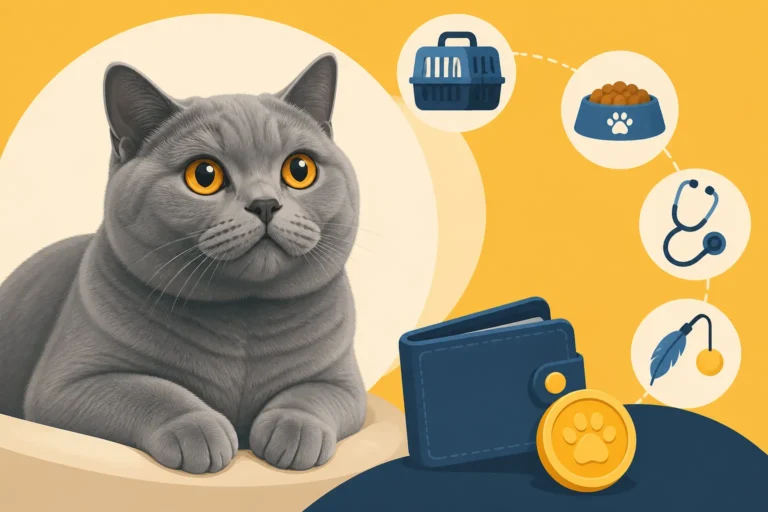
Once you bring your British Shorthair home, the real adventure begins, and so do the recurring expenses. Food is a big one. British Shorthairs can be prone to weight gain, so a high-quality, portion-controlled diet is essential. Many owners opt for premium kibble, sometimes supplemented with wet food. This isn't a “one and done” cost; it's a monthly commitment that can add up significantly over fifteen years. You'll need to factor in the cost of What Portion Controlled Food Costs a British Shorthair Owner as it's truly the whole job with this breed.
Then there's the ongoing vet care – annual check-ups, vaccinations, and parasite prevention. While your kitten will come fully vaccinated, boosters and routine care are crucial. Accidents and illnesses can happen too, and this is where pet insurance can be a lifesaver. Providers like Healthy Paws offer coverage that can help offset unexpected vet bills, giving you peace of mind. Other routine expenses include litter, toys (even though British Shorthairs can be a bit laid back, they still need enrichment!), and grooming tools like a good steel comb for their dense coat. When you consider What the First Year With a British Shorthair Costs and then project that over Fifteen Years of a British Shorthair, Priced Out, you'll see how quickly the numbers grow.
The Value of Health and Temperament
Ultimately, the true value of your British Shorthair, black or otherwise, comes down to its health and temperament. A cat that is healthy, well-adjusted, and has a wonderful personality is priceless. A responsible breeder aims for these qualities above all else. They choose their breeding pairs not just for color, but for robust health, adherence to the breed standard, and the gentle, affectionate nature that British Shorthairs are known for.
A kitten from such a breeder, regardless of its coat color, is an investment in a loving companion who will enrich your life for many years. It means less worry about genetic health conditions and a greater likelihood of a cat with the calm, agreeable disposition characteristic of the breed. This breed is known to be The Quietest Cat in the House and generally A British Shorthair Is Genuinely Fine on Its Own, making them ideal companions for many households. Focusing on breeder ethics and the kitten's overall well-being, rather than just its coat color, will ensure you make the best decision for your family and for the future of your feline friend. A healthy, well-socialized black British Shorthair is every bit as valuable as a healthy, well-socialized blue one.
Disclaimer
This article is for general informational purposes only and does not constitute professional advice. Laws, prices and regulations vary by location and change over time. Consult a qualified professional for guidance on your specific situation.