What Grooming Tools a British Shorthair Owner Needs
Bringing a British Shorthair into your home is an absolute joy, but many new owners quickly discover that behind that plush, teddy bear exterior lies a surprisingly dense coat that demands specific care. It's not just about aesthetics; without the right grooming regimen and tools, your beloved kitty can suffer from uncomfortable mats, excessive shedding, and even skin issues. This guide will meticulously break down every essential grooming tool you need to keep your British Shorthair looking magnificent and feeling healthy.
Understanding the British Shorthair Coat and Its Demands
Before we dive into the tools, it's crucial to understand what makes a British Shorthair's coat so special and, frankly, a bit challenging. This isn't your average house cat's fur; it has unique characteristics that dictate the kind of care and equipment it needs.
The Unique Texture and Density
A British Shorthair's coat is often described as "crisp" or "plush," feeling dense and springy to the touch. It's short, yes, but don't let that fool you into thinking it's low-maintenance. Their coat has a thick, woolly undercoat that stands away from their body, giving them that characteristic round, solid appearance. This dense layering was historically perfect for keeping them warm in cooler climates, a trait passed down from their ancestors roaming the British Isles.
However, this density means that loose fur can get trapped easily within the layers. Imagine wearing several thick sweaters, and then trying to shake out all the lint trapped between them – that's what your British Shorthair's coat is like. If that dead hair isn't regularly removed, it doesn't just sit there; it compacts and forms uncomfortable tangles and mats close to the skin. This isn't just an aesthetic problem; mats can pull on the skin, cause irritation, and even create a breeding ground for skin infections if left untended. You want to embrace that plushness, not dread it.
Shedding Cycles and Matting Potential
British Shorthairs are champions of shedding, especially during seasonal changes. They typically "blow their coat" twice a year, usually in spring and autumn, as their bodies adjust to temperature fluctuations. During these periods, the amount of loose undercoat they produce can be astounding, leaving furry tumbleweeds all over your home and clothes. Even outside of these peak seasons, they are consistent, moderate-to-heavy shedder. How Much a British Shorthair Sheds
This constant shedding, combined with their coat's density, creates a high potential for matting. Mats aren't just an issue for long-haired breeds; British Shorthairs can develop them, particularly in high-friction areas like behind their ears, in their "armpits," or around their hindquarters. When these mats form, they can be incredibly painful to remove and can restrict your cat's movement. Beyond matting, all that loose fur inevitably gets ingested during self-grooming, leading to hairballs. While occasional hairballs are normal, frequent or large ones can indicate an issue with grooming and sometimes lead to more serious digestive blockages. Preventing these issues starts with having the right tools and knowing how to use them effectively. What a British Shorthair's Coat Is Like
Essential Tools for Coat Care
When it comes to keeping that magnificent British Shorthair coat in prime condition, you can't just grab any old brush. Their unique fur requires specific tools designed to tackle its density and shedding patterns.
The Right Comb is Your Best Friend
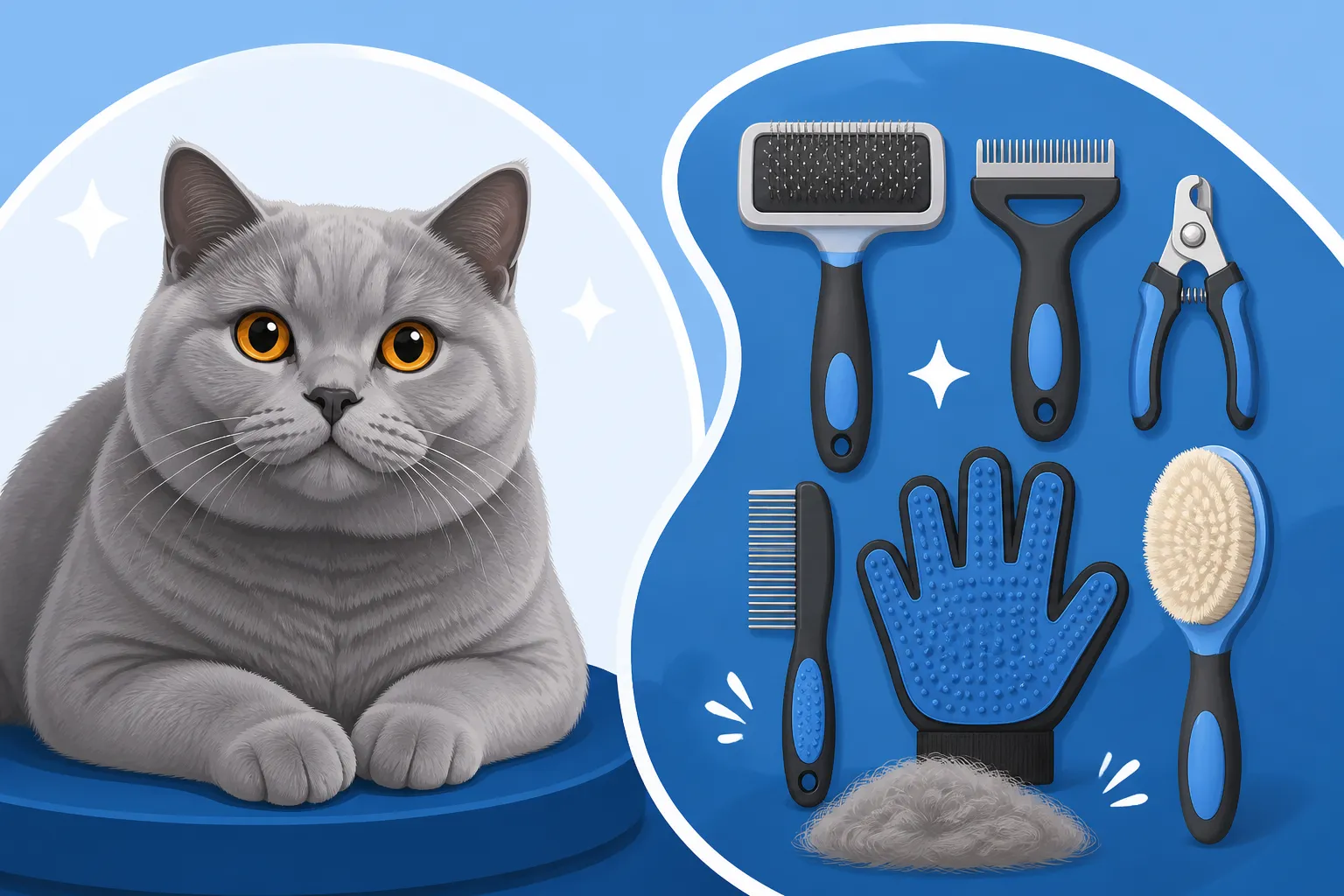
Forget the idea of a soft bristled brush for your British Shorthair's deep, dense coat. Your absolute best friend in coat care will be a sturdy, high-quality metal comb. Look for one with both fine and wide-toothed sections. The fine teeth are excellent for getting out smaller tangles and debris, especially on the face or legs, while the wider-toothed section is invaluable for penetrating deep into the undercoat and removing loose hair from the main body.
The key to using this comb effectively is to work in small sections, gently parting the fur and ensuring the comb reaches all the way down to the skin. You’re not just skimming the top; you’re carefully detangling and removing dead hair from the roots outwards. Always comb in the direction of hair growth, never against it, to avoid discomfort. This regular combing not only removes dead hair and prevents mats but also distributes your cat’s natural skin oils, keeping their coat healthy and shiny. When shopping for these, you'll find a good selection on sites like Chewy, making it easy to compare different brands and tooth spacing options. This type of comb is far superior to a slicker brush, which can actually break the guard hairs and damage the unique texture of their coat. Why a Slicker Damages a British Shorthair's Coat
Deshedding Tools: When and How to Use Them
While the metal comb is your everyday workhorse, specialized deshedding tools can be incredibly effective, particularly during those heavy shedding seasons. These tools are designed to reach deep into the undercoat and remove large quantities of loose, dead fur that a regular comb might miss. They often come in various forms, such as rake-style combs with rotating teeth or bladed deshedding tools.
However, a word of caution: these tools are powerful, and improper use can irritate your cat's skin or even damage their healthy coat. They should be used sparingly and gently, especially on a British Shorthair, whose coat is quite delicate beneath its robust appearance. Focus on using them during the peak shedding periods, perhaps once or twice a week, for short sessions. Glide the tool lightly over the coat, letting it do the work of lifting out the undercoat. If you see any redness or your cat shows signs of discomfort, stop immediately. The goal is to remove dead hair efficiently, not to thin out their healthy fur or cause skin abrasions. By consistently removing the excess undercoat, you'll significantly reduce shedding around your home and minimize the risk of hairballs. Remember those two weeks in spring and fall when your British Shorthair truly lets go of their winter or summer coat? The Two Weeks a British Shorthair Drops Its Undercoat This is when these tools shine.
Grooming Gloves and Soft Brushes
While not designed for deep undercoat removal, grooming gloves and soft-bristled brushes still have a valuable place in your British Shorthair's grooming kit. Grooming gloves, often made with rubber or silicone nubs, are fantastic for a quick, gentle surface groom. They're excellent for removing loose surface hair, especially if your cat is sensitive to a metal comb or if you just want to do a quick pass to collect stray hairs after a cuddle session. Many cats actually enjoy the massage-like feel of a grooming glove, making it a wonderful tool for bonding and positive reinforcement during grooming time.
Soft-bristled brushes, on the other hand, are ideal for distributing your cat's natural skin oils throughout their coat, promoting a healthy sheen. They can also be used for a light daily brush, particularly for kittens or very sensitive adult cats who are still getting accustomed to the grooming routine. Think of these tools as the finishing touches or the gentle introduction to grooming, rather than the primary means of tackling a dense undercoat. They won't prevent mats, but they'll help maintain the overall health and appearance of the outer coat and make your cat feel pampered.
Tools for Nail, Ear, and Dental Hygiene
Grooming a British Shorthair goes far beyond just their beautiful coat. Neglecting their nails, ears, and teeth can lead to discomfort, pain, and costly veterinary interventions down the line. Incorporating these essential tools into your routine ensures your cat's overall well-being.
Nail Clippers: Keeping Claws in Check
Regular nail trims are non-negotiable for a British Shorthair. Their claws can become quite thick and sharp, and if left untrimmed, they can grow too long, curl back into their paw pads, or get snagged on carpets and furniture. This isn't just an inconvenience; overgrown nails can cause significant pain, alter their gait, and even lead to infections. You have a few main types of clippers to choose from: scissor-style and guillotine-style. For the sturdy claws of a British Shorthair, many owners find scissor-style clippers, which resemble small human nail clippers but are designed for cats, to be the easiest to handle and provide the best control.
When trimming, the goal is to snip just the very tip of the claw, avoiding the "quick" – the pinkish part of the nail that contains blood vessels and nerves. Cutting the quick is painful and will make your cat very resistant to future trims. If your British Shorthair has dark nails, where the quick isn't visible, err on the side of caution and take off only the tiniest amount. Start young, if possible, and make it a calm, positive experience with plenty of treats. Even if your cat uses a scratching post, regular trims are still necessary to keep their claws at a healthy length. How Often a British Shorthair's Nails Need Trimming
Ear Cleaners and Cotton Balls
While British Shorthairs are generally a healthy breed with low incidence of ear issues, occasional ear checks and cleaning are still a good practice. Their small, rounded ears can sometimes accumulate a little wax or debris. You'll want a veterinary-approved ear cleaner, which typically comes as a gentle solution designed to break down wax and dirt without irritating the delicate skin inside the ear. Avoid using harsh chemicals or alcohol-based cleaners, as these can cause discomfort.
To clean, apply a few drops of the ear cleaner into the ear canal (following the product's instructions), gently massage the base of the ear to help loosen debris, and then use a soft cotton ball or gauze wrapped around your finger to wipe away any visible gunk from the outer ear and the folds. Crucially, never insert cotton swabs (Q-tips) deep into your cat's ear canal. This can push debris further in, damage the eardrum, or cause serious injury. If you notice excessive discharge, a foul odor, redness, or if your cat is shaking its head or scratching its ears, it’s time for a vet visit, as these could be signs of an infection or mites.
Dental Care Essentials
Dental hygiene is often the most overlooked aspect of cat grooming, but it's incredibly important. Just like humans, cats can develop plaque, tartar, gingivitis, and periodontal disease, which can lead to pain, tooth loss, and even impact their overall health. Gingivitis in a British Shorthair Regular brushing is the gold standard for preventing these issues.
You'll need a cat-specific toothbrush – these are typically very small-headed brushes or finger brushes that fit over your fingertip. Crucially, you must use enzymatic cat toothpaste. Human toothpaste contains fluoride and other ingredients that are toxic to cats if swallowed. Cat toothpaste comes in palatable flavors like poultry or seafood, which can make the experience more agreeable for your feline friend. Introduce brushing slowly; start by letting them lick the toothpaste off your finger, then gently rub your finger along their gums, and eventually introduce the brush for short sessions. Focus on the outer surfaces of the teeth, as this is where plaque tends to accumulate most. Even if you can only manage a few teeth at a time, consistency is key. Daily brushing is ideal, but even a few times a week can make a significant difference in preventing dental disease and avoiding costly dental cleanings at the vet.
Other Useful Grooming Accessories
Beyond the core tools for coat, nails, and teeth, a few other accessories can make your British Shorthair's grooming routine smoother, safer, and more effective.
Specialized Shampoos and Conditioners (If Baths are Necessary)
For the most part, British Shorthairs are meticulous self-groomers and don't require frequent bathing. Their dense coat is quite effective at repelling dirt, and too much bathing can strip essential oils, leading to dry skin and coat issues. However, there are times when a bath becomes a necessity: perhaps your cat has rolled in something particularly messy, has a skin condition requiring medicated shampoo, or is overweight and struggling to groom themselves properly, especially around their hindquarters. How Many Baths a British Shorthair Gets in a Lifetime
If a bath is needed, it's vital to use a cat-specific shampoo and conditioner. Never use human shampoo, as it has a different pH balance and can severely irritate a cat's skin. Look for gentle, moisturizing formulas, or those specifically designed for deshedding or sensitive skin. Some brands even offer waterless shampoos or cleansing wipes for quick touch-ups if your British Shorthair absolutely despises water. Ensure the water temperature is lukewarm, and always rinse thoroughly to prevent any residue that could cause skin irritation. Drying them gently with a towel, and perhaps a low-heat hairdryer if they tolerate it, will help prevent chills.
Cat-Safe Wipes and Stain Removers
Cat-safe wipes are incredibly handy for those in-between grooming moments or for specific spot cleaning. They're perfect for wiping away eye boogers (though British Shorthairs generally have dry eyes, some individual cats might have minor tearing), cleaning dirty paw pads after an adventurous exploration of the house, or tidying up around their mouth after a particularly enthusiastic meal. These wipes are formulated to be gentle and non-irritating, making them safe for use on your cat's sensitive areas.
Similarly, specific pet stain removers are useful to have on hand. These aren't for cleaning your cat directly, but for dealing with any accidental messes from your cat, whether it's a hairball on the carpet, a litter box mishap (especially if your wider British Shorthair sometimes misses a high-sided box), or a leaky treat. While not a direct grooming tool for your cat, maintaining a clean environment indirectly contributes to their overall hygiene and well-being. Look for enzymatic cleaners that break down organic matter and eliminate odors rather than just masking them.
Grooming Table or Mat
While not a "tool" in the traditional sense, a dedicated grooming table or even a non-slip mat can significantly improve the grooming experience for both you and your British Shorthair. Trying to groom a wriggly cat on a slippery kitchen counter or a soft bed can be frustrating and even unsafe. A stable, non-slip surface provides a secure footing for your cat, making them feel more confident and less likely to try and escape.
For a British Shorthair, who might be a bit hefty, a stable surface is even more important, preventing slips and falls that could injure their joints. Arthritis in an Older British Shorthair If you're using a table, consider one with a grooming arm that allows you to safely secure your cat with a gentle harness (never leave them unattended!). If a full grooming table is too much, even a rubber bath mat or a textured towel placed on a sturdy surface can provide the necessary traction. The goal is to create a comfortable, consistent grooming station where your cat feels secure and you have good visibility and control, making the process more efficient and less stressful for everyone involved.
The Grooming Routine and Troubleshooting
Establishing a consistent grooming routine is key to managing a British Shorthair's dense coat and ensuring their overall health. However, even with the best intentions, you might encounter some resistance. Knowing how to set up a routine and troubleshoot common issues will make the process much smoother.
Establishing a Routine
The earlier you start grooming your British Shorthair, the better. Kittens are often more accepting of new experiences, so begin with short, gentle sessions using a soft brush or a grooming glove, gradually introducing the metal comb. The goal is to make grooming a positive, predictable experience rather than a dreaded chore.
For most British Shorthairs, aim for combing sessions 2-3 times a week, increasing to daily during heavy shedding seasons. Nail trims should happen every 2-4 weeks, depending on how quickly your cat's claws grow. Dental brushing, ideally, should be daily, but even every other day or a few times a week is beneficial. Don't try to do everything at once. Break it down: one day might be a comb and nail trim, another day dental care. Keep sessions short, especially when starting out, perhaps just 5-10 minutes. Always end on a positive note, with praise, a favorite toy, or a tasty treat. Consistent, calm repetition builds trust and helps your cat understand what to expect. This consistency is also critical as they age, helping you stay on top of issues before they become more severe. Caring for an Old British Shorthair
| Grooming Tool | Purpose | Frequency | Key Considerations |
|---|---|---|---|
| Metal Comb | Daily/Weekly undercoat removal, detangling | 2-3 times/week (more during shedding) | Varied tooth spacing; get to the skin; always comb with hair growth |
| Deshedding Tool | Heavy shedding periods | Weekly (during shedding season), sparingly | Use gently; avoid skin irritation; stop if discomfort is shown |
| Nail Clippers | Prevents overgrowth & snags | Every 2-4 weeks | Scissor-style often easiest; avoid the quick; positive reinforcement |
| Cat Toothbrush & Toothpaste | Oral hygiene, tartar prevention | Daily or a few times a week | Use enzymatic cat toothpaste ONLY; focus on outer tooth surfaces |
| Ear Cleaner | Occasional ear wax removal | As needed (check weekly) | Vet-approved solution; never cotton swabs deep into ear canal |
Handling a Reluctant British Shorthair
Let's be real: not all British Shorthairs are thrilled about grooming, even with the calmest approach. While they are known for their placid nature, they can also be quite stubborn or simply dislike being held or manipulated. If you have a reluctant groomer, patience is your greatest virtue.
Here are some tips to help:
- Choose the Right Time: Groom when your cat is relaxed and sleepy, perhaps after a meal or a good play session (but not immediately after, give them a chance to settle).
- Create a Calm Environment: Minimize noise and distractions. Groom in a quiet room where your cat feels safe. A soft blanket or towel on your lap or on the grooming surface can provide comfort.
- Bribery Works: High-value treats can be a game-changer. Offer a tiny bit of their favorite wet food or a special cat treat as a reward for tolerance.
- Short, Sweet Sessions: If your cat only tolerates a minute or two, that's fine. Do what you can, praise them, reward them, and try again later. Gradually increase the duration as they become more comfortable.
- Proper Handling: Learn how to hold your British Shorthair securely but gently. Support their body, especially their heavy hindquarters, as they don't appreciate feeling unstable. How to Carry a British Shorthair Safely
- Know When to Call for Backup: If your British Shorthair is severely matted, aggressively resistant, or you're simply not confident in your ability to groom them safely, don't hesitate to consult a professional groomer or your veterinarian. They have the expertise and tools to handle even the most challenging cases, often with less stress for your cat. Sometimes, professional intervention is necessary, and remember, platforms like Healthy Paws can help manage the costs of unforeseen health issues that might arise from neglected grooming, such as skin infections under mats or severe dental disease requiring a vet dental. It’s perfectly acceptable to admit that you or your cat need professional help. Whether a British Shorthair Needs a Groomer
By understanding your British Shorthair's unique needs and equipping yourself with the right tools and a healthy dose of patience, you can ensure their grooming routine is a positive experience that contributes to their long, healthy, and happy life.
Disclaimer
This article is for general informational purposes only and does not constitute professional advice. Laws, prices and regulations vary by location and change over time. Consult a qualified professional for guidance on your specific situation.