How Many Baths a British Shorthair Gets in a Lifetime
It’s a common question, and one that often causes a little anxiety for new British Shorthair owners: how often do I need to bathe my magnificent, plush-coated companion? The truth might surprise you, especially if you’re used to dogs or other breeds with different grooming needs. For most British Shorthairs, the answer is refreshingly simple: hardly ever, if at all, throughout their entire lives. This guide will walk you through why that is, when an exception might occur, and how to handle it if it does.
The British Shorthair's Unique Coat and Why It Matters for Bathing
One of the defining features of a British Shorthair is its incredibly dense, plush coat. It's truly a marvel, and understanding its structure is key to realizing why frequent bathing isn't just unnecessary, but potentially counterproductive for these wonderful cats.
The Dense, Plush Texture
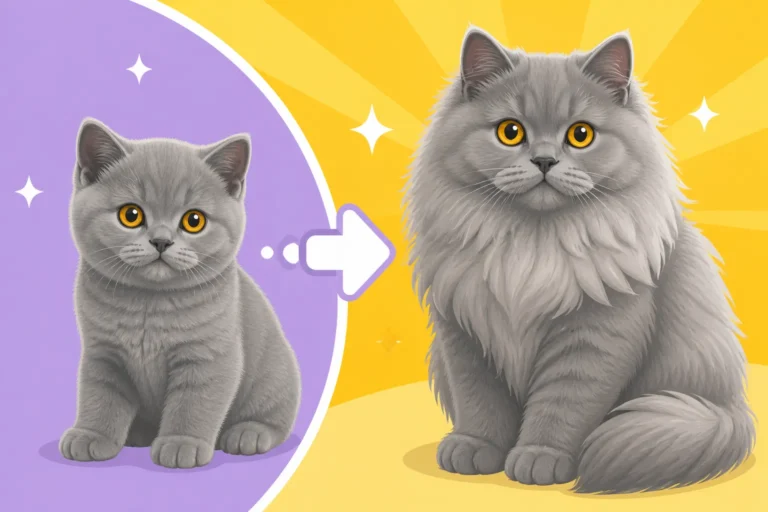
Imagine a luxurious, thick velvet blanket – that's often what touching a British Shorthair's coat feels like. This isn't just a single layer of fur; it's typically a double coat with a dense, soft undercoat and slightly coarser, resilient guard hairs on top. These guard hairs act like a protective shield, standing slightly away from the body, which contributes to their characteristic "teddy bear" look. This dense layering provides excellent insulation and, crucially, creates a natural barrier against dirt and moisture. It's designed by nature to keep them warm, dry, and surprisingly clean.
This coat structure is one of the reasons why you'll often hear that A British Shorthair's Coat Stands Away From Its Body. The density of the fur means that dust and loose hairs often get trapped within the layers rather than sticking to the outer surface. When the cat grooms itself, it's effectively "dusting" and "detangling" these layers, keeping the external appearance pristine. It's an efficient, natural system that usually requires very little intervention from us.
How Their Coat Stays Clean
Cats are, by nature, incredibly fastidious groomers. A British Shorthair will spend a significant portion of its day meticulously cleaning itself, using its rough tongue like a comb and brush. This self-grooming process is remarkably effective. Their saliva contains natural detergents that help to break down oils and dirt, and their barbed tongues effectively remove loose fur, dander, and small debris from their coats. This is why you'll often notice your British Shorthair looking perfectly tidy, even after a nap on a dusty windowsill.
Their coat also contains natural oils that are essential for skin and fur health. These oils repel water and dirt, keeping the coat lustrous and functioning as it should. Frequent bathing, especially with harsh shampoos not formulated for cats, can strip these vital oils away. This can lead to dry, flaky skin, dull fur, and can even prompt the cat to over-groom in an attempt to restore the natural balance, potentially causing skin irritation. It’s a delicate ecosystem, and generally, it’s best left alone to do its job. For insights into their coat, you might find What a British Shorthair's Coat Is Like helpful.
When a British Shorthair Might Need a Bath
While the general rule is to avoid bathing your British Shorthair, there are always exceptions to every rule. Life happens, and sometimes a bath becomes a necessary evil.
Extreme Dirt or Contamination
This is the most common reason a British Shorthair might actually need a bath. Picture this: your perfectly groomed, dignified British Shorthair decides to explore a freshly tilled garden bed and comes back looking like a mud monster. Or perhaps they got into something sticky, oily, or just plain foul that their regular self-grooming can't possibly handle. Maybe they tipped over a pot of paint (cat-safe paint, we hope!) or decided the best place to nap was directly under a leaky car engine. These are the moments when a targeted bath isn't just a good idea, but essential for their health and comfort.
It’s about safety too. If your cat gets a toxic substance on their fur, they will inevitably try to groom it off, ingesting harmful chemicals in the process. In such cases, a thorough bath, often with specific guidance from your veterinarian, is critical to prevent poisoning. You're not just cleaning them; you're safeguarding them from themselves. This isn't a cosmetic choice; it's a health imperative.
Older or Overweight Cats
As our beloved British Shorthairs age, or if they unfortunately become a little too round, their flexibility and reach for self-grooming can diminish significantly. An older cat might develop arthritis, making it painful to twist and turn to reach all parts of their back or hindquarters. Similarly, an overweight British Shorthair simply might not be able to bend enough to properly clean areas like their lower back or perineum. This is a very common issue, and one we discuss in depth in Why an Overweight British Shorthair Stops Grooming Its Back.
When this happens, you might start noticing mats forming in hard-to-reach spots, or a general greasiness or odor that wasn't there before. In these situations, your British Shorthair might benefit from gentle, occasional spot cleaning or even a full bath if the situation warrants it. It’s not about aesthetics here, but about preventing skin infections, discomfort, and maintaining their dignity. Regular gentle combing can go a long way in preventing this, but sometimes more is needed. You might also want to read Caring for an Old British Shorthair for more tips on senior cat care.
Medical or Health Reasons
Sometimes, a veterinarian might recommend therapeutic bathing for specific skin conditions. If your British Shorthair develops dermatitis, fungal infections (like ringworm), or severe allergies that manifest on their skin, medicated baths can be a vital part of their treatment plan. These shampoos are usually prescribed by a vet and contain active ingredients designed to treat the underlying issue. In these cases, the bathing frequency will be dictated by your vet's instructions, and it’s crucial to follow them precisely.
Additionally, cats recovering from certain surgeries or those with incontinence issues may need careful cleaning to prevent infection or skin irritation. Again, this isn't a routine bath; it's a targeted intervention for a specific health concern. Always consult your vet if you suspect your cat needs bathing due to a medical condition.
The General Rule: Less Is More (Usually None at All!)
For the vast majority of British Shorthairs living happy, healthy indoor lives, the number of baths they get in their lifetime can genuinely be counted on one hand – or even zero! This isn't neglect; it's understanding and respecting their natural physiology.
Why Frequent Bathing is Detrimental
While the idea of a clean, freshly scented cat might sound appealing, frequent bathing does more harm than good for a British Shorthair. As mentioned, their skin produces natural oils that keep their coat healthy, moisturized, and protective. Each bath, even with mild, cat-specific shampoo, strips away some of these essential oils. This can lead to:
- Dry, flaky skin: Just like humans, repeatedly washing away natural moisture can leave skin irritated, itchy, and prone to flaking.
- Dull coat: Without the proper oil balance, the fur can lose its natural sheen and become dry and brittle.
- Over-grooming: A cat with stripped oils might feel the need to groom excessively to try and restore balance, which can lead to skin lesions or hair loss.
- Stress: Let's be honest, most cats HATE baths. Forcing a bath on a cat that doesn't need it is a highly stressful experience for them, and for you! This stress can weaken their immune system and impact their overall well-being.
- Temperature regulation issues: Their dense coat is designed to keep them warm. A wet coat, especially if not thoroughly dried, can make them uncomfortably cold and even lead to chills.
- Interference with natural scent communication: Cats rely on their natural scents for communication with other cats and to mark their territory. Bathing can disrupt these natural scent markers, potentially causing anxiety.
It’s far better to let their natural grooming mechanisms do their job and intervene only when absolutely necessary. When it comes to their coat, sometimes the best care is simply leaving it be.
The Importance of Regular Combing Over Bathing
Instead of reaching for the shampoo, the best thing you can do for your British Shorthair's coat health is regular, gentle combing. This is truly the hero of British Shorthair grooming. Their dense undercoat can trap loose hairs and dander, and while they do a decent job themselves, a good comb can reach deeper and prevent mats, especially during shedding seasons.
Combing helps in several ways:
- Removes loose fur: This reduces the amount of fur your cat ingests during self-grooming, potentially preventing hairballs. How Often a British Shorthair Brings Up a Hairball discusses this further.
- Prevents mats and tangles: The British Shorthair's coat isn't particularly prone to matting like a Persian's, but neglected fur, especially behind the ears, under the armpits, or around the hindquarters, can still knot up. Regular combing keeps these areas clear.
- Distributes natural oils: The comb helps spread the beneficial skin oils throughout the coat, keeping it healthy and shiny.
- Stimulates circulation: A gentle massage with a comb can feel quite pleasant for your cat and promotes healthy skin.
- Bonding: Regular grooming sessions can be a wonderful bonding experience for you and your British Shorthair, much less stressful than a bath!
Aim for a few times a week, or daily during heavy shedding periods like spring and autumn. Use a good quality metal comb with both fine and wide teeth. For more on this, check out Which Comb a British Shorthair Needs and How Often a British Shorthair Needs Combing.
| Situation | Recommended Action | Notes |
|---|---|---|
| Routine maintenance | Regular combing (2-3 times/week) | Prevents mats, removes loose fur, distributes oils. |
| Extremely dirty (mud, feces, etc.) | Targeted bath with cat-safe shampoo | Only when self-grooming is insufficient or harmful. Focus on affected areas. |
| Contamination with toxic substance | Immediate bath, vet consultation | Crucial for preventing ingestion. Follow vet's instructions closely. |
| Older or overweight cat with grooming issues | Spot cleaning, occasional gentle bath if necessary, regular combing | Focus on hygiene for comfort and health. Consult vet for underlying issues. |
| Skin conditions (dermatitis, ringworm) | Medicated bath as prescribed by vet | Therapeutic purpose. Do not use over-the-counter human or dog shampoos. |
| Cat dislikes water, no specific need | Avoid bathing entirely | Respect their natural self-cleaning and avoid unnecessary stress. Focus on alternative grooming. |
How to Bathe a British Shorthair (If You Absolutely Must)
If you find yourself in that rare situation where a bath is unavoidable, don't panic! It can be done calmly and safely, though it might not be your cat's favorite activity. The key is preparation and gentle execution.
Preparation and Tools
Being prepared makes all the difference. Gather everything you need beforehand, so you don't have to leave your wet cat unattended.
- Cat-specific shampoo: This is non-negotiable. Never use human shampoo or dog shampoo, as their pH levels are different and can irritate a cat's skin. You can find excellent cat shampoos on sites like Chewy or Amazon. Look for tearless, unscented, or hypoallergenic options if your cat has sensitive skin.
- Several towels: Have a few large, absorbent towels ready. Cats get cold quickly when wet.
- Rubber mat or towel for the tub/sink: This provides traction and makes them feel more secure.
- Cup or small pitcher: For rinsing. A sprayer attachment on your faucet can also work if it's quiet and your cat tolerates it.
- Cotton balls: To gently place in their ears, preventing water from getting in. Remove them immediately after the bath.
- Treats and praise: Essential for positive reinforcement!
- Warm water: Ensure the water is lukewarm, never hot or cold. Test it on your inner wrist.
- A calm environment: Close the bathroom door, ensure no other pets are present, and keep your voice low and reassuring.
Remember, a British Shorthair's opinion on water is often quite firm, so patience is paramount. You might find some helpful tips on bathing a cat that objects in How to Bathe a British Shorthair That Objects.
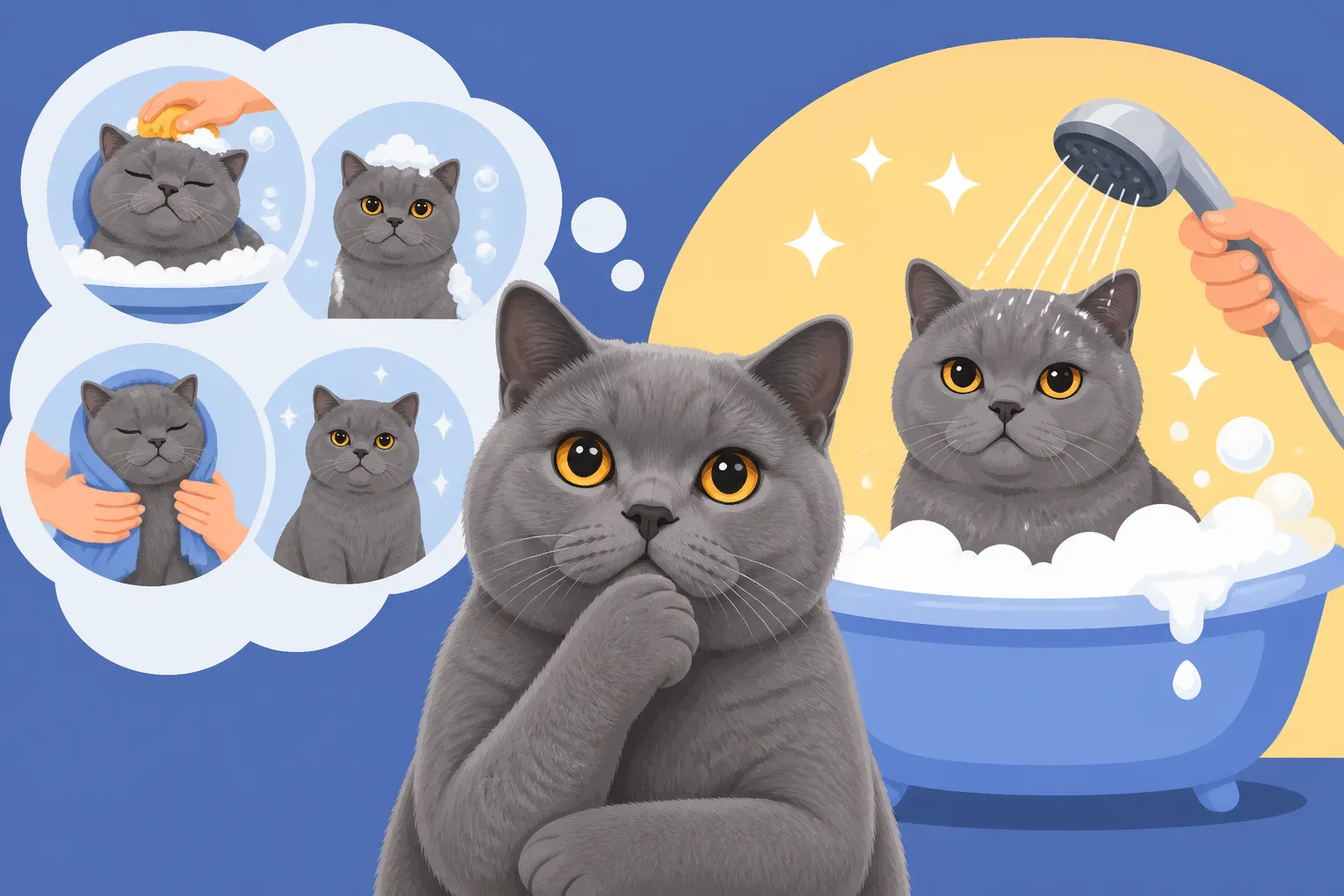
The Bathing Process
Alright, deep breaths! Here’s how to navigate the actual bath:
- Fill the tub/sink: Before bringing your cat in, fill the tub or sink with a few inches of lukewarm water. This avoids the startling noise of running water while they're in there.
- Bring your cat in gently: Talk to them reassuringly. Lower them slowly into the water, front paws first. Keep one hand firmly but gently supporting them.
- Wet their coat: Use the cup or a very gentle spray to thoroughly wet their fur, starting from the neck down. Avoid getting water directly on their face or in their ears (which is where those cotton balls come in handy!).
- Apply shampoo: Dispense a small amount of cat shampoo into your hands, lather it slightly, and gently massage it into their fur. Work from neck to tail, paying attention to any particularly dirty areas. Be careful around their face – a damp cloth is better for wiping around the eyes and mouth.
- Rinse thoroughly: This is arguably the most important step. Any shampoo residue left on the skin can cause irritation. Rinse, rinse, and rinse again until the water runs clear and you can’t feel any slipperiness on their fur. Again, avoid their face.
- Quick dry: Once rinsed, lift them out and immediately wrap them in a warm, absorbent towel. Gently pat and rub to remove as much water as possible.
Throughout the process, talk to your cat, offer quiet praise, and keep them feeling secure. Their cooperation (or at least tolerance) is your goal.
Drying and Aftercare
The drying process is just as important as the bath itself, both for their comfort and health.
- Towel drying: After the initial quick dry, wrap them in a fresh, dry towel. You might go through a couple of towels to get them as dry as possible. Gently rub their fur, focusing on soaking up water rather than scrubbing vigorously.
- Keep them warm: Cats can get chilled easily, especially British Shorthairs with their thick coats. Keep them in a warm room away from drafts. You can even wrap them in a warm (but not hot) towel fresh from the dryer.
- Brushing: Once they're mostly towel-dry, a gentle combing can help fluff up their fur and prevent tangles as it finishes air-drying. This is also a good opportunity to check for any remaining mats.
- Reward: Offer plenty of praise and a special treat. This helps to create a more positive association with the experience, even if they didn't love the bath itself.
Never use a human hairdryer on a cat, as the heat can be too intense and the noise terrifying. If their coat is still quite damp, keep them confined to a warm, safe area until they are fully dry to prevent them from getting cold or getting dirty again. The aim is to make the experience as quick, efficient, and least stressful as possible, so that if another necessary bath arises, it's not a complete nightmare for either of you.
Disclaimer
This article is for general informational purposes only and does not constitute professional advice. Laws, prices and regulations vary by location and change over time. Consult a qualified professional for guidance on your specific situation.