How Well a British Shorthair Feels the Cold
It’s a common sight: your British Shorthair, that adorable, plush-coated companion, sprawled out in a sunbeam or nestled deep within a soft blanket. This often leads owners to wonder just how well these magnificent felines cope when the temperatures drop. Despite their seemingly robust build and luxurious fur, it’s a misconception to assume all cats are equally equipped to handle the chill. Understanding your British Shorthair’s unique physiology and their personal cold tolerance is absolutely vital for their well-being, especially as the seasons turn cooler. This comprehensive guide will delve into their natural defenses and offer practical, empathetic advice to ensure your beloved furry family member stays warm, comfortable, and healthy.
The British Shorthair's Built-In Winter Wardrobe
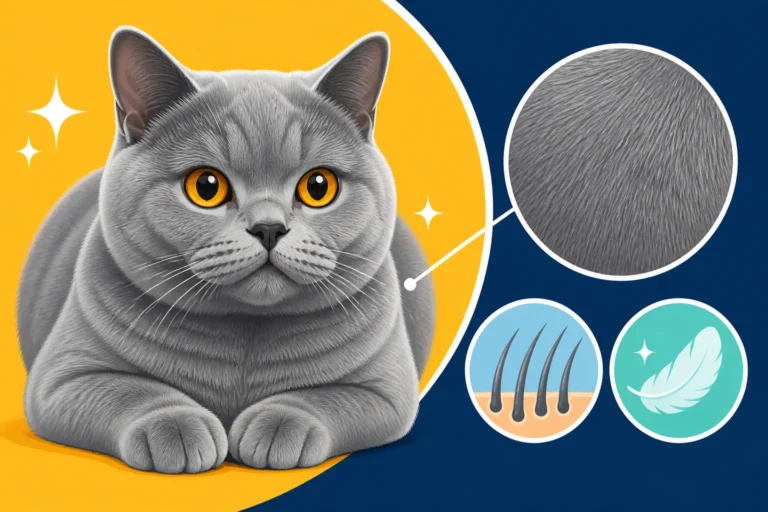
When you run your hand over a British Shorthair's coat, you immediately notice something special: its incredible density and distinct texture. It's often described as "crisp" or "plush," and it's far more than just a pretty covering. This isn't just any cat fur; it's a meticulously designed natural insulation system, honed over generations to protect them from the elements.
The Unique Structure of Their Coat
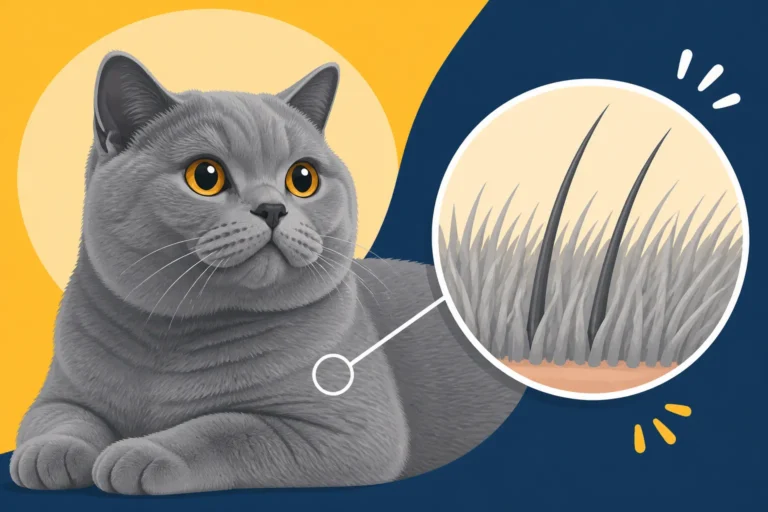
The British Shorthair's coat is a marvel of natural engineering. It's a double coat, meaning it has two distinct layers working in harmony. The outer layer consists of sturdy, slightly coarse guard hairs, which act like a protective shield, repelling moisture and providing the first line of defense against the wind. Beneath this, there's a wonderfully thick, soft undercoat. This undercoat is what truly gives the British Shorthair its "plush" feel and its incredible insulating power. It’s like a built-in down jacket, trapping a layer of warm air close to their body and preventing heat from escaping. Many owners don't quite realize the sheer volume of this undercoat until shedding season hits, or they try to give their cat a bath and see just how much water that dense fur can hold! This unique texture is a defining characteristic, and understanding Why a British Shorthair's Coat Is Called Crisp helps appreciate its functional beauty. Its remarkable How Dense a British Shorthair's Coat Is is truly its superpower against the cold.
This luxurious double coat isn't just for show; it's their heritage. British Shorthairs descended from native street cats in Great Britain, where damp, chilly weather is the norm. Their ancestors needed robust protection to survive, and selective breeding over centuries has only enhanced these traits. This means their coat is naturally predisposed to offer significant warmth. They have a distinct insulating layer, unlike many single-coated breeds. If you've ever wondered Whether a British Shorthair Has an Undercoat, the answer is a resounding yes, and it's essential for their comfort in cooler temperatures.
Natural Adaptations for a Cooler Climate
Beyond their coat, the British Shorthair's very physique plays a role in their ability to handle cooler temperatures. They are known for their "cobby" build – a stocky, muscular body with short, strong legs and a broad chest. This compact body shape, combined with their dense bone structure, helps to minimize heat loss through their extremities, as there's less surface area relative to their body mass. Think of it like a small, dense snowball versus a sprawling snowflake; the snowball retains its heat better.
Historically, these cats weren't pampered indoor pets, but rather working cats, valued for their rodent-catching prowess in barns and homes. This outdoor past ingrained a certain hardiness. While modern British Shorthairs are typically indoor-only companions, this inherent genetic predisposition for dealing with cooler climes remains. However, it's crucial not to mistake this natural hardiness for an invitation to brave freezing temperatures. Their natural insulation is designed for typical temperate weather, not extreme cold snaps or prolonged exposure to freezing conditions, especially for cats that have become accustomed to indoor living.
Factors Influencing a British Shorthair's Cold Tolerance
While their thick coats are a fantastic asset, not every British Shorthair experiences the cold in the exact same way. Several individual factors can significantly impact how well your furry friend can cope with lower temperatures. Ignoring these can lead to discomfort, stress, or even health issues.
Age and Overall Health
Just like with humans, age is a significant factor in a British Shorthair's ability to regulate body temperature. Kittens, with their smaller body mass and less developed circulatory systems, are much more vulnerable to the cold. They can lose heat rapidly and are at higher risk of hypothermia. Similarly, senior British Shorthairs, generally considered so around the age of ten, often have a diminished capacity to stay warm. Their metabolism might slow down, their circulation might not be as efficient, and they may have less muscle mass to generate heat.
Beyond age, underlying health conditions can severely impact a cat's cold tolerance. Cats with conditions like hyperthyroidism, though often making them feel warmer, can sometimes lead to muscle wasting that reduces their ability to stay warm naturally if not properly managed. Meanwhile, cats with Hyperthyroidism in an Older British Shorthair or those suffering from chronic illnesses, kidney disease, or even arthritis might have reduced energy reserves, poorer circulation, or difficulty moving to warmer spots, making them more susceptible to the cold. An older cat experiencing Arthritis in an Older British Shorthair might be reluctant to climb into a high bed or navigate stairs to a warmer floor, making accessible warm spots even more critical. If your British Shorthair is unwell, their body is already working harder, leaving less energy to fight off the cold.
Body Condition and Activity Level
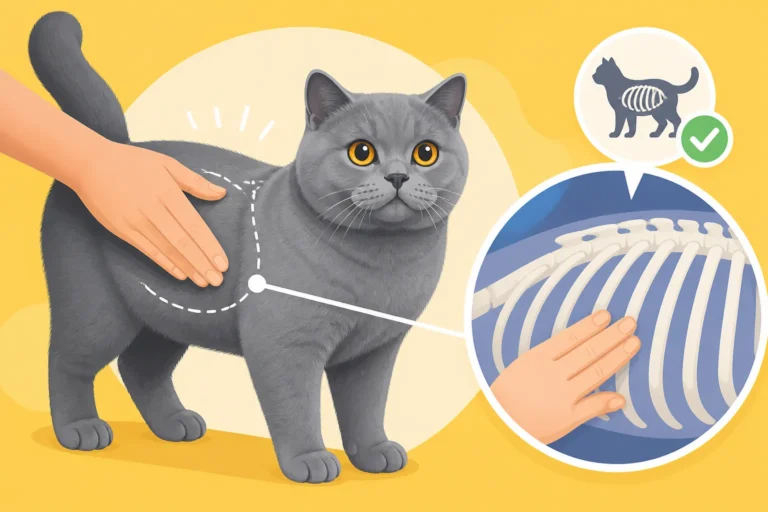
A British Shorthair's body condition plays a surprising role. While a thin cat with insufficient fat reserves will obviously struggle more in the cold, an overweight cat isn't necessarily better off. A healthy amount of body fat can provide some insulation, but obesity itself is a serious health concern that brings its own set of problems, including reduced mobility and an increased risk of other conditions. Obesity Is the British Shorthair's Real Disease is a major concern for the breed, and while extra fat might seem like a buffer against cold, the downsides far outweigh any perceived benefit. A cat struggling with its weight might also have less energy to move around and find warm spots, or groom effectively, which impacts the insulating quality of their coat.
British Shorthairs are famously calm and, dare we say, a bit lazy. This lower activity level means they don't generate as much body heat through movement as more energetic breeds. A highly active cat might naturally keep itself warmer simply by playing and moving around. Your British Shorthair, on the other hand, is more likely to be found napping peacefully. This calm disposition is part of their charm, but it means you need to be more proactive in providing warmth. It's important to understand How Far a British Shorthair Is Lazy or Just Calm so you can provide appropriate warmth and encourage some gentle activity.
Acclimatization and Indoor/Outdoor Status
The environment your British Shorthair is accustomed to makes a huge difference. An indoor-only British Shorthair, accustomed to a consistently warm home environment, will be far less tolerant of cold temperatures than one that has some supervised outdoor access (though this is rare and generally not recommended for the breed). Their bodies simply haven't had the opportunity to adapt to fluctuating outdoor temperatures.
For the vast majority of British Shorthairs, being an indoor-only cat is the safest and healthiest option. Whether a British Shorthair Should Be Indoor Only is a debate for some breeds, but for the British Shorthair, keeping them indoors protects them from many dangers, including exposure to extreme weather. If your indoor British Shorthair accidentally gets outside on a cold day, they will likely feel the effects much faster and more severely than a cat that regularly experiences cooler air. Their plush coats are fantastic, but they are not designed for prolonged exposure to frigid, wet, or windy conditions.
Signs Your British Shorthair Is Feeling the Chill
Your British Shorthair might be a master of stoicism, but they definitely communicate when they're uncomfortable, even if it's subtle. Learning to read these signals is key to keeping them cozy and healthy. Don't wait until they're shivering uncontrollably; catch the early signs of chill before it escalates.
Behavioral Indicators
Cats are experts at finding the warmest spots in the house, and a cold British Shorthair will take this to an extreme. You'll often find them:
- Seeking heat sources: This is the most obvious sign. They might be curled up tight against a radiator, snuggled under a blanket, perched on a sunny windowsill, or even trying to sneak under your covers. They'll gravitate towards any source of ambient warmth.
- Curling into a tight ball: When a cat is cold, they reduce their surface area to conserve body heat. They'll tuck their paws under themselves, curl their tail around their body, and perhaps even tuck their head into their chest. This tight posture is a clear indicator they're trying to stay warm.
- Shivering: This is a more advanced and concerning sign of cold. Shivering is an involuntary muscle contraction designed to generate heat. If your British Shorthair is shivering, they are significantly cold and need immediate warmth.
- Lethargy or reduced activity: A cold cat might be less inclined to play or move around. They might seem more sluggish or just want to nap in their warm spot. While British Shorthairs are naturally calm, a noticeable dip in their already low activity level could be a sign. Any marked change in behavior, including a decrease in appetite, could point to general discomfort, so pay attention to Signs a British Shorthair Is Unwell.
Physical Signs
Beyond behavior, there are a few physical cues you can observe if you suspect your British Shorthair is too cold:
- Cold extremities: Gently touch your cat's ears, nose, or paw pads. While these areas are naturally cooler than their core body temperature, if they feel unusually cold to the touch, it's a sign that their body is conserving heat for vital organs and restricting blood flow to the extremities.
- Piloerection (puffed-up fur): You might notice their fur standing on end, looking fluffier than usual. This isn't just a sign of fright; it's a physiological response to cold. When the fur stands up, it traps more air, creating an additional insulating layer. It's their body's way of trying to make their already dense coat even more effective.
- Slowed breathing or heart rate: In extreme cold, a cat's vital signs can slow down. This is a very serious sign of hypothermia and requires immediate veterinary attention.
Keeping Your British Shorthair Warm and Happy
Ensuring your British Shorthair is comfortable and warm, especially during cooler months, is a crucial part of their care. It's all about providing the right environment and understanding their needs. Luckily, with a few thoughtful additions and routines, you can make your home a perfect cozy haven for them.
Creating a Warm Environment
The easiest way to keep your British Shorthair warm is to manage their immediate environment.
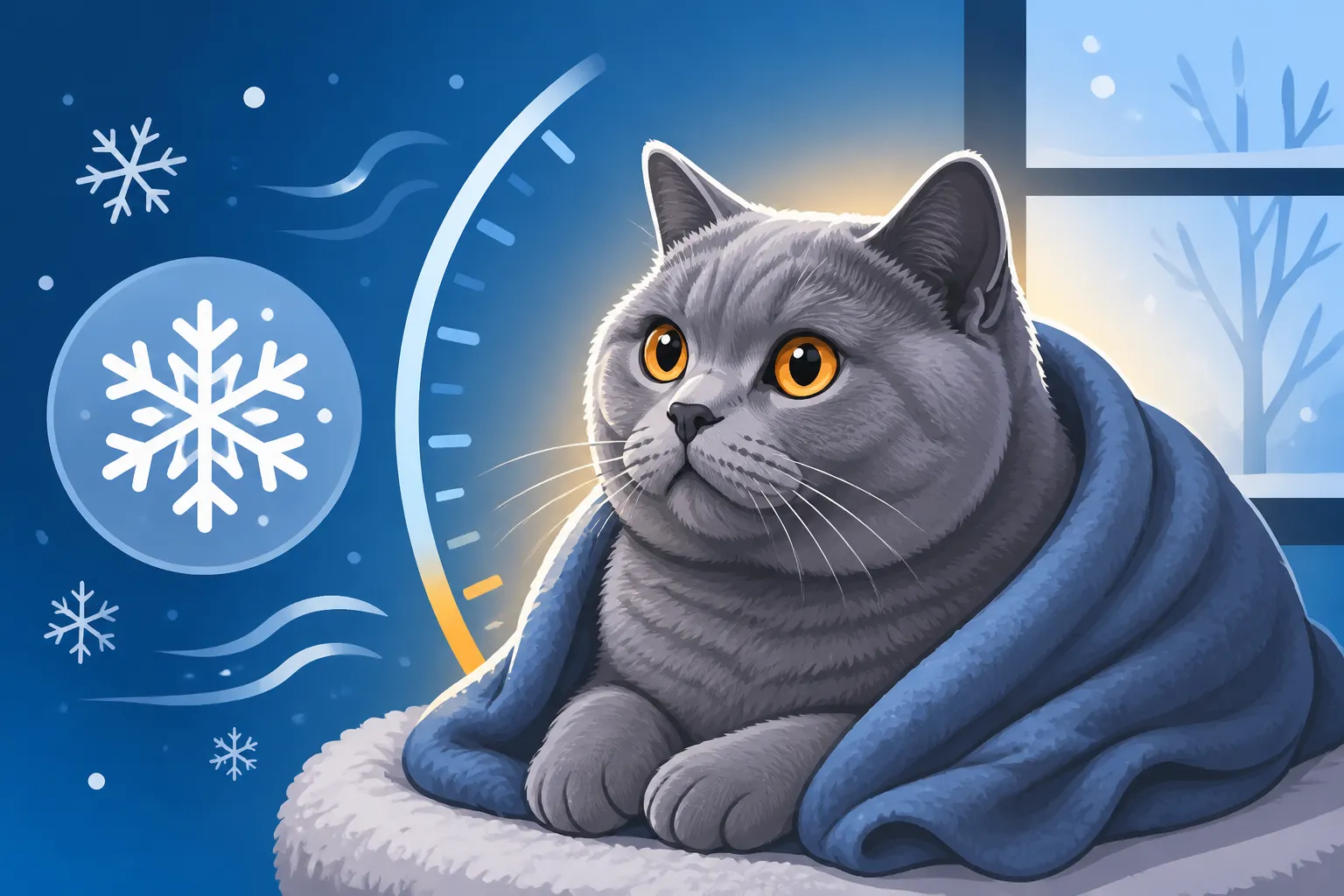
- Cozy Beds and Blankets: Invest in soft, plush beds, ideally with raised sides that they can burrow into. Many British Shorthairs adore heated cat beds, which provide a consistent, gentle warmth. Placing these in their favorite quiet corners, away from drafts, can make a huge difference. You can find excellent options on Amazon, from simple fleece blankets to self-warming mats that use their own body heat.
- Consistent Indoor Temperature: While you don't need to turn your home into a sauna, maintaining a comfortable ambient temperature (typically between 68-75°F or 20-24°C) is ideal for an indoor cat. Avoid drastic temperature drops, especially overnight.
- Draft-Proofing: Check for drafts around windows and doors. Even a small, persistent draft can make a favorite napping spot unpleasantly chilly. Use draft stoppers or ensure windows are properly sealed.
- Strategic Bed Placement: Observe where your cat naturally likes to sleep. They might prefer a sunny spot, a particular nook under a table, or even a higher perch where warm air rises. Place their beds in these preferred locations. Knowing Where a British Shorthair Should Sleep in Winter often involves observing their choices. Many enjoy a cozy cat cave or a covered bed, giving them a sense of security and extra warmth.
Nutrition and Hydration
What your British Shorthair eats and drinks also plays a role in their ability to stay warm.
- Maintaining a Healthy Weight: We touched on this earlier, but it bears repeating: a healthy weight, not an overweight one, provides the best balance for overall health and natural insulation. British Shorthairs are notoriously prone to weight gain due to their calm nature and love for food. Implementing Portion Control Is the Whole Job With a British Shorthair is critical year-round, but especially important to prevent excessive weight gain that hinders their health, even if it feels like it might offer warmth. High-quality cat food can help ensure they're getting the nutrients they need without overdoing calories. Always consult your vet for specific dietary recommendations.
- Ample Fresh Water: Staying hydrated is always important for cats, but sometimes cold weather can make them less inclined to drink cold water. Ensure they have multiple sources of fresh, clean water, perhaps even a warmed bowl or a circulating water fountain to encourage intake. Proper hydration supports overall bodily functions, including temperature regulation. Check How Much Water a British Shorthair Should Drink and ensure their access to it is easy and inviting.
Activity and Enrichment
Even a laid-back British Shorthair benefits from a bit of gentle activity to keep their blood circulating and maintain muscle mass, which helps with warmth.
- Encourage Gentle Play: While they may not be scaling curtains, engaging your British Shorthair in short, regular play sessions can help them burn off a little energy and generate some body heat. Use wand toys, laser pointers (with a treat at the end!), or puzzle feeders to entice them to move. If you're struggling to get them to move, read Getting a Low Energy British Shorthair to Move for more tips. You can find a vast array of engaging toys on Amazon that cater to their more sedate play style, from crinkle balls to plush mice.
- Warm-Up Routines: A quick five to ten-minute play session a few times a day can be enough to get their blood flowing without over-exerting them.
Grooming Considerations
Believe it or not, good grooming habits contribute to warmth.
- Regular Combing: While British Shorthairs are generally low-maintenance, regular combing, especially during shedding seasons, helps to remove loose undercoat and prevent mats. Mats can reduce the insulating effectiveness of their coat by preventing air from being trapped evenly. A good, wide-toothed metal comb, often available from Chewy, is ideal for reaching their dense undercoat. Knowing How Often a British Shorthair Needs Combing is key to maintaining their coat's health and insulating properties. Keeping their coat healthy ensures it can do its job of keeping them warm effectively.
By paying attention to these aspects, you can ensure your beloved British Shorthair remains a picture of contented coziness, no matter how chilly it gets outside.
Disclaimer
This article is for general informational purposes only and does not constitute professional advice. Laws, prices and regulations vary by location and change over time. Consult a qualified professional for guidance on your specific situation.