How a British Shorthair Copes With Heat
It’s a common misconception that because our beloved British Shorthairs seem so laid-back and content to lounge, they’re somehow impervious to the discomforts of the world around them. But when the temperatures start to climb, their gorgeous, dense coats, which are so perfect for cuddling, can quickly become a significant liability. Many owners find themselves caught off guard, wondering why their usually placid cat suddenly seems agitated, lethargic, or just plain miserable, especially in warmer climates or during summer heatwaves. This guide is here to help you understand precisely how your British Shorthair copes with heat, the unique challenges their breed faces, and practical, empathetic ways you can ensure they stay cool, comfortable, and healthy when the mercury rises.
The British Shorthair's Unique Coat and Why It's a Heat Trap
Our British Shorthairs are renowned for their magnificent, plush coats – it's one of the first things that draws us to them, isn't it? That beautiful, thick fur, often described as "crisp" or "dense," feels wonderful to touch and gives them that adorable teddy bear look. But this very trait, which serves them so well in cooler climates by providing insulation, becomes a significant disadvantage when the weather turns warm.
The Structure of the British Shorthair's Coat
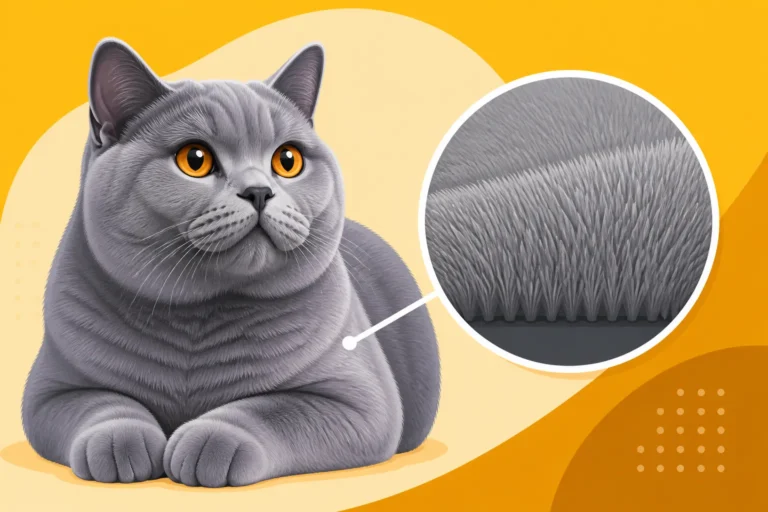
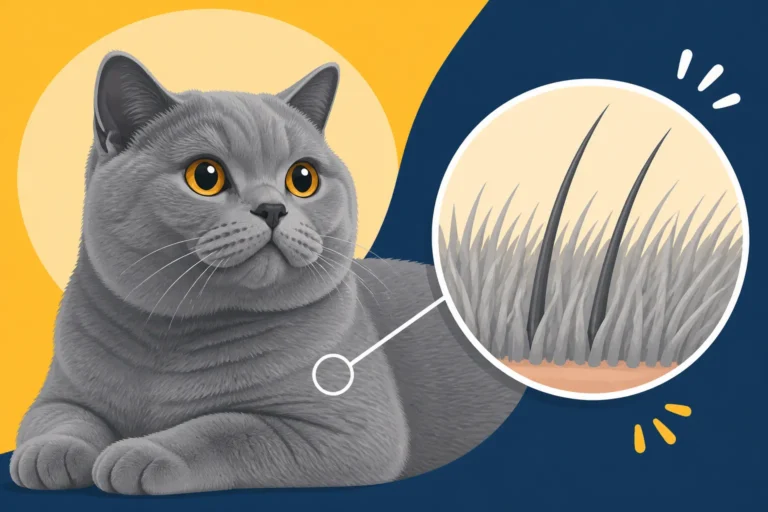
Unlike some breeds with fine, silky hair, the British Shorthair's coat is designed for warmth. It's a double coat, meaning they have a soft, thick undercoat beneath a slightly coarser, protective outer layer. Think of it like a perfectly insulated winter jacket. The outer guard hairs are short but resilient, while the undercoat is incredibly dense and traps a layer of air, which is fantastic for keeping warm but terrible for dissipating heat. A British Shorthair's Coat Stands Away From Its Body, creating even more insulating air pockets. This structure means that heat gets trapped close to their body, and they can't shed it as efficiently as cats with single, thinner coats. This isn't just a minor inconvenience for them; it actively works against their body's natural cooling mechanisms, making them feel much hotter than we might realize.
Why Their Coat is a Challenge in Warm Weather
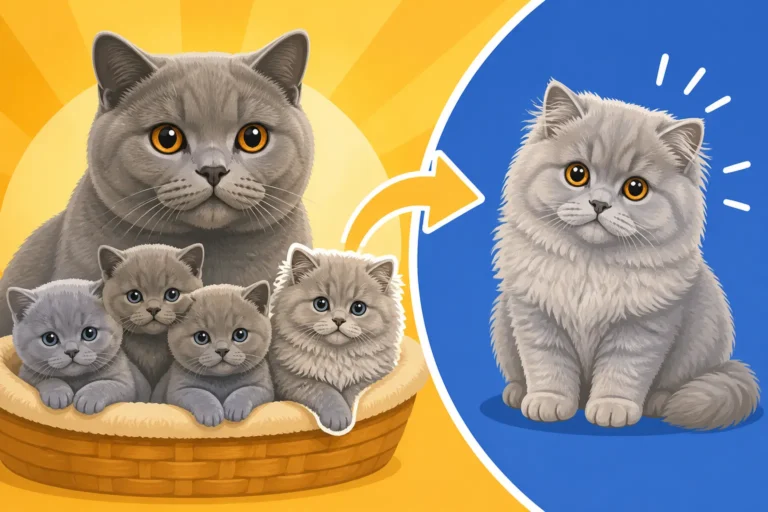
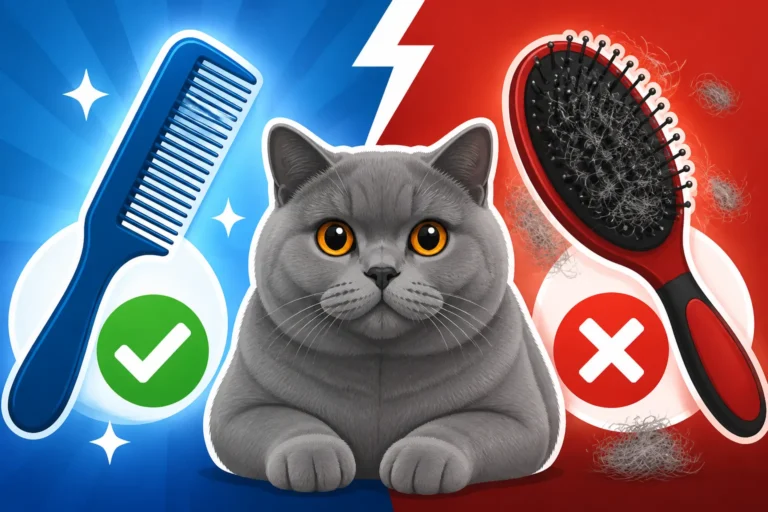
Imagine wearing a heavy wool sweater in the middle of summer. That's a bit like what your British Shorthair experiences. Their coat simply isn't designed for rapid heat dissipation. While they do shed, particularly in spring when they The Two Weeks a British Shorthair Drops Its Undercoat, the sheer volume and density of their fur mean that even after a good shedding session, they still retain a significant amount of insulation. How Much a British Shorthair Sheds can be surprising, but it's often not enough to fully prepare them for intense heat. We might think a quick brush is enough, but a thorough combing session with a good quality comb is essential to help remove as much loose undercoat as possible. Without proper assistance, they can struggle immensely to regulate their body temperature, turning what would be a warm day for us into a dangerously hot one for them. It's not about them being "lazy" or "unwilling to move" – it's about their body physically struggling to cool down.
Recognizing Signs of Overheating in Your British Shorthair
Our British Shorthairs are masters of hiding discomfort, a trait inherited from their wild ancestors. This means that by the time you notice obvious signs of overheating, they might already be in significant distress. It's crucial for us, as their caretakers, to be vigilant and understand the subtle cues they might give before things become serious. Early detection can literally be a lifesaver.
Subtle Indicators of Discomfort
Before full-blown heatstroke sets in, your British Shorthair will likely show more subtle signs that they’re struggling with the heat. You might notice them seeking out cooler, tiled floors more frequently, or perhaps they're lying stretched out rather than curled up, trying to maximize their surface area to the cooler air. They may become less interactive, showing reduced interest in play or even food. Their normal quiet demeanor might shift; they could become more restless, shifting positions often, or appear lethargic and slow. Sometimes, their breathing might be a little faster or shallower than usual, even when resting. Their ears might feel warmer to the touch, and their paw pads might be sweaty, leaving damp prints. Pay attention to their usual resting spots; if they’re abandoning their favorite sunny window for a dark corner of the bathroom, it’s a clear signal they’re too warm. It's all about noticing deviations from their normal, How to Read a British Shorthair's Face can give you clues to their overall well-being.
Urgent Signs of Heatstroke
If the subtle signs are missed or temperatures continue to rise unchecked, your British Shorthair can quickly progress to more serious symptoms that indicate heatstroke. These are medical emergencies requiring immediate attention. Look for:
- Excessive Panting: Unlike dogs, cats rarely pant, and it's almost always a sign of distress, often heat-related or respiratory issues.
- Drooling or Foaming at the Mouth: This indicates extreme discomfort and an attempt to cool down, which is often inefficient.
- Vomiting or Diarrhea: These are serious systemic responses to overheating.
- Reddened Gums or Tongue: This can indicate high body temperature and poor circulation.
- Wobbliness or Stumbling: This points to neurological impairment due to heat.
- Rapid Heart Rate: Their heart will be working overtime to try and pump blood to cool the body.
- Lethargy or Collapse: A cat who is unresponsive or collapses is in a critical state.
- Rectal Temperature Above 105°F (40.5°C): This is a definite indicator of heatstroke and requires urgent veterinary care.
If you observe any of these urgent signs, it's absolutely critical to begin cooling measures immediately while en route to your veterinarian. Don't delay. Signs a British Shorthair Is Unwell should always be taken seriously, but heatstroke signs are particularly time-sensitive.
Here's a quick reference table to help differentiate between a cat that's merely warm and one that's overheating:
| Symptom / Behavior | Just Warm / Uncomfortable | Overheating / Heatstroke |
|---|---|---|
| Energy Level | Slightly less active, more resting | Lethargic, unresponsive, weak, collapsed |
| Breathing | Normal or slightly increased respiratory rate | Rapid, shallow panting, labored breathing, open-mouthed breathing |
| Gums/Tongue | Normal pink | Bright red, dark red, or bluish (late stage) |
| Drooling | None or minimal | Excessive drooling, thick saliva, foaming at mouth |
| Body Temperature | Feels warmer than usual but not alarmingly hot | Very hot to the touch, rectal temp >105°F (40.5°C) |
| Behavior | Seeking cool spots, stretching out, restless | Stumbling, disorientation, muscle tremors, seizures |
| Vomiting/Diarrhea | Absent | Present, sometimes bloody |
Practical Strategies to Keep Your British Shorthair Cool
Preventing your British Shorthair from overheating is much easier and safer than treating heatstroke. There are many practical steps you can take around the home to make their environment more comfortable, ranging from simple adjustments to specific cooling aids.
Hydration and Water Access
The most fundamental way to help your cat stay cool is by ensuring they are well-hydrated. Cats, by nature, don't always drink as much as they should, and this is especially true for our British Shorthairs who often lead a rather sedentary lifestyle. In warmer weather, increasing their water intake becomes even more critical.
- Fresh, Cool Water: Always have multiple bowls of fresh, cool water available in various spots around the house. Change the water frequently throughout the day, as lukewarm water is less appealing.
- Water Fountains: Many cats are enticed by moving water. A cat water fountain can encourage them to drink more. You can find excellent options on Chewy that offer filtered, circulating water, making it more appealing and stimulating for your cat.
- Ice Cubes: Add a few ice cubes to their water bowl. Some cats love batting at them, which might encourage them to drink more as the ice melts.
- Wet Food: If your British Shorthair isn't already on a wet food diet, now might be the time to introduce it. Wet food has a significantly higher moisture content than dry kibble, providing an excellent passive way to boost their hydration. Even supplementing their dry food with a wet meal once a day can make a big difference. Remember, How Much Water a British Shorthair Should Drink can be a challenge, so every little bit helps.
Cooling Aids and Grooming
Beyond water, there are specific tools and grooming practices that can directly help reduce your British Shorthair’s body temperature.
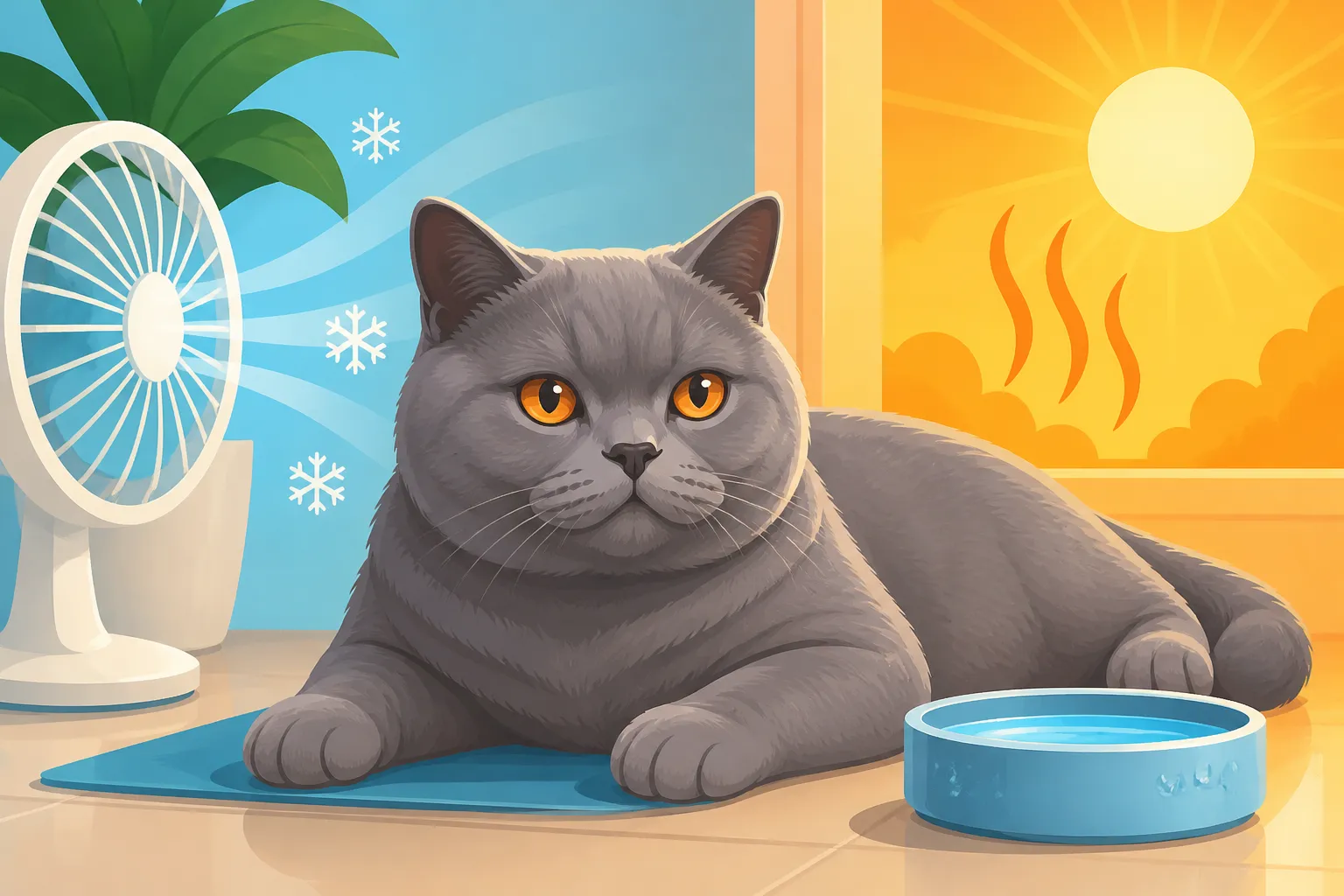
- Cooling Mats: These mats are activated by pressure or a gel inside that stays cool, providing a chilled surface for your cat to lie on. Place one in their favorite resting spot or a quiet corner. You can find a variety of sizes and types on Amazon that are perfect for your chunky British Shorthair.
- Damp Towels: Lightly dampen a towel with cool (not ice-cold) water and lay it over a spot where your cat likes to rest. Some cats appreciate having a damp cloth gently wiped over their fur, particularly on their belly or paw pads, where they can absorb the coolness.
- Fans and Air Conditioning: If you have air conditioning, keep your home at a comfortable, cool temperature. If not, strategically placed fans can help circulate air and create a breeze. Just make sure the fan isn't blowing directly into their face at high speed, which can be unsettling.
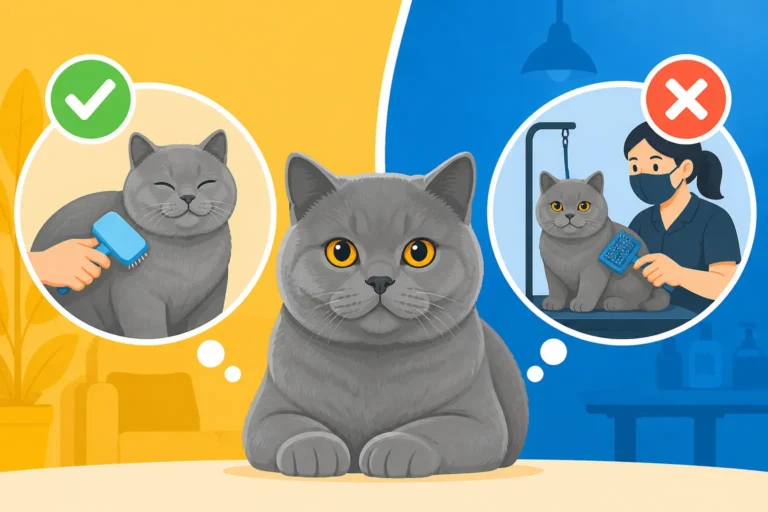
- Grooming: Regular grooming is absolutely vital. Using a good metal comb, work through their dense coat daily during warm periods to remove as much loose undercoat as possible. This isn't just about preventing mats; it's about reducing that insulating layer. Why a Comb Beats a Brush on a British Shorthair is because a comb can penetrate the dense undercoat more effectively. Pay extra attention to areas where mats are prone to form, such as under the "armpits" and around the hindquarters. For an overweight British Shorthair, this is even more critical, as they might struggle to groom themselves adequately, especially on their back. Why an Overweight British Shorthair Stops Grooming Its Back highlights this particular issue.
Environmental Adjustments for a Heat-Sensitive British Shorthair
Your British Shorthair's environment plays a massive role in their ability to cope with heat. Making a few smart adjustments around your home can create a sanctuary where they can escape the oppressive warmth.
Creating Cool Zones
Cats are remarkably good at finding the coolest spots in a house, but we can certainly help them out. Think about where natural cool air pockets might be, or where heat tends to linger.
- Closed Curtains and Blinds: Keep curtains and blinds closed during the hottest parts of the day, especially on south or west-facing windows. This will block out direct sunlight, which can significantly raise indoor temperatures.
- Tiled or Hardwood Floors: These surfaces retain less heat than carpets. Encourage your British Shorthair to rest on them by placing a favorite toy or a cooling mat in such an area. Consider dedicating a bathroom or kitchen area as a "cool zone."
- Lower Levels of the House: Heat rises, so the lowest level of your home (like a basement, if you have one) will naturally be the coolest. If your cat has access, make sure it's a safe and comfortable place for them to retreat to.
- Ventilation: Even if you don't have AC, cross-ventilation can help. Open windows on opposite sides of the house during the cooler parts of the morning and evening to create a breeze. Ensure screens are secure to prevent escapes.
- Elevated Beds: While our British Shorthairs often prefer the floor, an elevated mesh bed can allow air circulation underneath, which can be cooler than a plush, insulated bed in warm weather. You can often find such options designed for larger cats on Chewy or Amazon.
Managing Activity Levels
British Shorthairs are generally not the most active cats, but even their typical low-energy play can become dangerous in high heat. It’s important to adjust expectations and routines during warm spells.
- Play During Cooler Hours: Restrict play sessions to the very early morning or late evening when temperatures are naturally lower. Avoid any vigorous play during the peak heat of the day. Remember, How Many Hours a Day a British Shorthair Sleeps can be quite a lot, and they'll naturally conserve energy when it's hot.
- Gentle Enrichment: Instead of high-energy chasing games, opt for quieter forms of enrichment. Puzzle feeders, which can be found on sites like Amazon, can keep their minds stimulated without over-exerting their bodies. Slow, deliberate interactions with a wand toy might still be appreciated, but watch for any signs of labored breathing or fatigue and stop immediately if you see them.
- Avoid Outdoor Access: Even if your British Shorthair normally enjoys a secure outdoor enclosure, it's best to keep them strictly indoors when temperatures are high. Asphalt and concrete surfaces can get incredibly hot, burning their paw pads and reflecting heat upwards, which rapidly increases their body temperature. Direct sun exposure can quickly lead to overheating.
By proactively managing their environment and understanding their unique needs, you can help your cherished British Shorthair sail through the warmer months safely and comfortably.
Disclaimer
This article is for general informational purposes only and does not constitute professional advice. Laws, prices and regulations vary by location and change over time. Consult a qualified professional for guidance on your specific situation.