Whether a British Shorthair Should Be Indoor Only
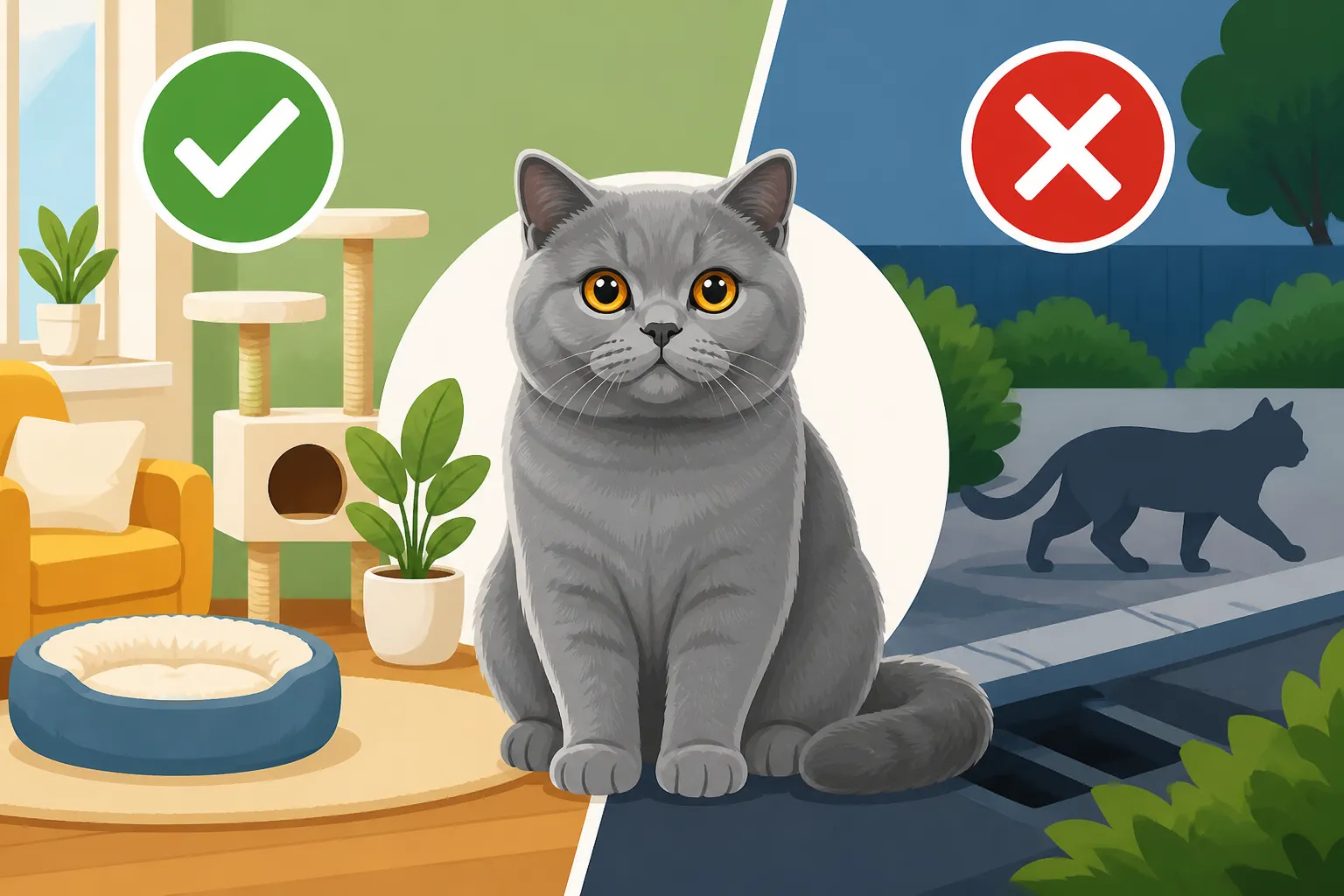
One of the most common dilemmas for any prospective British Shorthair owner, and certainly for those who already have one of these magnificent, placid cats, is whether to allow them outside. It's a question that tugs at our hearts, caught between the romantic notion of a cat exploring the world and the deep-seated instinct to protect our beloved companions from harm. This comprehensive guide will delve into the nuances of this decision, exploring the unique traits of the British Shorthair that influence their outdoor suitability, the very real risks they face, and how to ensure a rich, fulfilling life for an indoor-only feline friend.
The British Shorthair's Natural Inclination: Homebodies by Heart
Let's be honest, the British Shorthair isn't exactly built for scaling fences and hunting wild game in the dense undergrowth. These are magnificent, sturdy, and utterly charming cats, but their heritage and physical characteristics lean heavily towards a life of serene indoor comfort rather than daring outdoor adventures.
A Breed Built for Comfort, Not Adventure
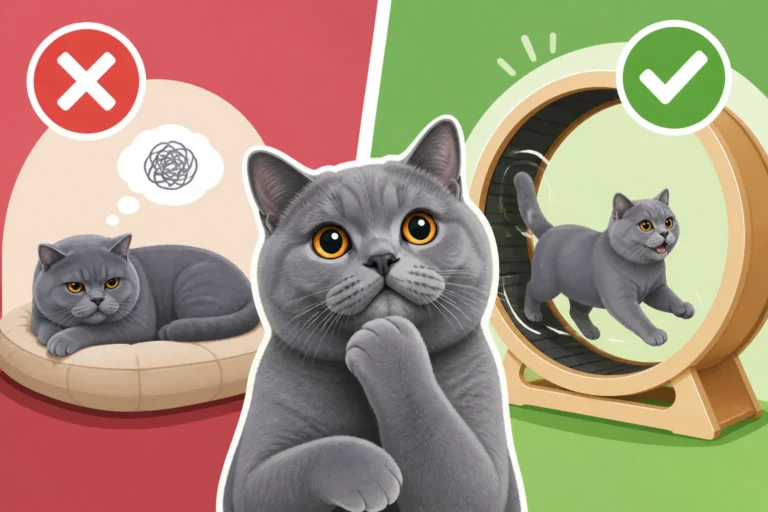
Think about the classic image of a British Shorthair: a solid, well-rounded cat, often found napping in a sunbeam or observing the world with a calm, almost philosophical gaze. This isn't just an aesthetic; it reflects their temperament and physical build. They are known for their calm, placid, and incredibly tolerant nature. While they certainly have a playful side, especially as kittens and young adults, their energy levels tend to be moderate to low. They aren't typically driven by a fierce prey drive that compels them to spend hours stalking birds or small rodents. In fact, many British Shorthairs seem to prefer watching the world go by from a comfortable perch rather than actively participating in its wilder aspects.
Compare this to, say, a highly athletic Bengal or a lean, inquisitive Abyssinian. Those breeds often possess an insatiable curiosity and boundless energy that makes them practically vibrate with the need to explore, hunt, and climb. A British Shorthair, on the other hand, is generally much more content with a predictable routine, a warm bed, and a good meal. Their physical robustness, while giving them their iconic teddy bear look, doesn't lend itself to the agility and quick reflexes often required for safe outdoor navigation. They're built for comfort and dignity, not for evading predators or darting across busy streets.
Why a British Shorthair Prefers the Indoors
Beyond their general temperament, there are specific reasons why a British Shorthair often thrives best as an indoor cat. They are creatures of habit and deeply value a sense of security. The controlled environment of a home provides just that: predictable food, consistent temperatures, and a lack of sudden, jarring surprises. An unfamiliar outdoor space, with its ever-changing sounds, smells, and potential threats, can be a source of stress rather than stimulation for a British Shorthair. They often bond strongly with their human family and their home territory, preferring to be near their people in a safe, familiar space.
Furthermore, their dense, plush double coat, while beautiful and soft, is designed for warmth rather than agility or quick drying after a sudden downpour. While they are resilient, prolonged exposure to harsh weather isn't ideal for their coat health or comfort. They don't have the same drive to roam vast territories that some other breeds exhibit. Their contentment comes from the simple pleasures of indoor life: a good meal, a cozy nap, a gentle play session, and quiet companionship. You'll often find that your British Shorthair is perfectly happy observing the world through a window, utterly mesmerized by a bird or a leaf blowing in the wind, without feeling the overwhelming urge to chase it. They tend to be quite content with their indoor domain. You can read more about How active a British Shorthair Is to understand their energy profile.
The Very Real Dangers of the Outdoors for a British Shorthair
While the thought of a cat basking in the sun in a garden might seem idyllic, the reality of outdoor life for a British Shorthair is often far from it. The world outside is a beautiful place, but it's also fraught with perils that can tragically cut short the life of a cherished pet. Owners often agonize over this decision, and it's because the risks are so incredibly significant.
Traffic, Predators, and Theft Risks
Let's start with the most obvious and heartbreaking dangers. Traffic is, without a doubt, one of the leading causes of injury and death for outdoor cats. A British Shorthair, with its generally calm and less reactive nature, is particularly vulnerable. They aren't usually sprinters or nimble dodgers. They might saunter across a driveway or a quiet road without the lightning-fast reflexes needed to avoid a vehicle. It's a harsh reality that many outdoor cats meet their end this way, and the thought of it is enough to make any owner's stomach churn. Even in seemingly quiet suburban areas, cars can be a fatal threat.
Beyond vehicles, the natural world itself poses a threat. Depending on your location, predators like coyotes, foxes, large predatory birds, or even aggressive domestic dogs can see a docile British Shorthair as easy prey. Again, their less assertive, more trusting demeanor, coupled with their often slower movement, makes them particularly susceptible. They are not built for a fight for survival in the wild. But perhaps one of the most insidious risks for a British Shorthair is theft. These cats are distinctive, beautiful, and can be quite valuable. Sadly, there are unscrupulous individuals who target purebred cats for breeding or resale, and an un-microchipped, unsupervised British Shorthair wandering outdoors can become an easy target. Imagine the heartbreak of your beloved companion simply vanishing, not to a predator, but to a human thief.
Illness and Injury from Other Animals
Even if your British Shorthair somehow manages to evade traffic and predators, the risk of disease and injury from other animals is incredibly high. Outdoor cats inevitably come into contact with other cats, wildlife, and their various parasites and pathogens. Cat fights are common, leading to painful abscesses, deep scratches, and bite wounds that can become severely infected. These injuries often require costly veterinary intervention, including antibiotics, pain relief, and sometimes even surgery.
Then there's the invisible army of parasites. Fleas and ticks are just the beginning, bringing with them not only discomfort but also the risk of tapeworms and other diseases. Intestinal worms are easily picked up from contaminated soil or prey. More seriously, outdoor access exposes your British Shorthair to infectious diseases like Feline Leukemia Virus (FeLV) and Feline Immunodeficiency Virus (FIV), both of which are incurable and often fatal, transmitted through bites, scratches, and shared food/water bowls with infected cats. Upper respiratory infections, often colloquially called "cat flu," are also rampant among outdoor cat populations. While vaccinations offer some protection, they aren't 100% effective against every strain, and the constant exposure significantly increases the risk. Imagine the worry and the escalating vet bills that come with managing chronic illnesses or repeated injuries.
Environmental Hazards
The dangers don't stop at living creatures. The human environment itself is full of hazards for an unsuspecting cat. Common household and garden chemicals like antifreeze, pesticides, herbicides, and rodenticides are incredibly toxic and tragically appealing to curious felines. A drip of antifreeze on a driveway or a poisoned rodent left unchecked can be fatal. Many common garden plants are also toxic if ingested.
Furthermore, a British Shorthair might wander into a shed, garage, or even a vehicle, become accidentally trapped, and suffer from exposure, dehydration, or injury. Their dense coat, while lovely in cooler climates, can also lead to overheating during hot summer days if they don't have constant access to shade and water. An owner letting their British Shorthair out during warm weather might come home to find a cat suffering from heatstroke, a potentially deadly condition. The unpredictable nature of the outdoors, combined with a British Shorthair's trusting and sometimes less agile disposition, simply creates a perfect storm of risks that are, for most owners, too great to bear.
Enriching an Indoor British Shorthair's Life
The idea that an indoor cat lives a "boring" life is a persistent myth, especially when it comes to a British Shorthair. With a little thought and effort, you can create a truly stimulating and happy environment that caters perfectly to their needs, allowing them to thrive without ever stepping paw outside.
Creating a Stimulating Indoor Environment
One of the biggest misconceptions about indoor cats is that they are somehow deprived of stimulation. For a British Shorthair, a well-thought-out indoor environment can be far richer and safer than the unpredictable outdoors. Start by thinking vertically. Cats, even our sturdier British Shorthairs, appreciate height. Investing in a sturdy cat tree or installing cat shelves provides safe climbing opportunities and vantage points from which they can survey their domain. A robust cat tree from, say, Amazon, can offer multiple levels, scratching surfaces, and cozy napping spots. This caters to their innate desire to observe from above, giving them a sense of security and control. Which Cat Tree a British Shorthair Uses can guide you on choosing the right one.
Window perches are another absolute must. My British Shorthairs spend hours observing the world outside from their cozy window spots. A securely mounted window bed or a soft blanket on a windowsill facing a bird feeder or a bustling street provides endless entertainment. It's like their own personal, interactive television show, stimulating their senses without exposing them to any danger. Rotate their accessible areas too – sometimes open the curtains to one window, then another, keeping things fresh. Provide a variety of sleeping spots: soft beds, cozy caves, and even just a blanket on the sofa. Variety keeps their environment interesting and gives them choices.
Interactive Play and Mental Engagement
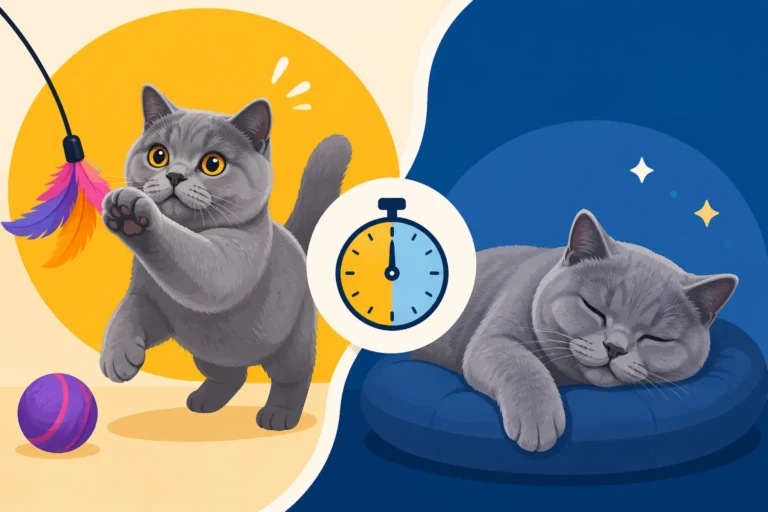
While British Shorthairs aren't typically high-energy, they absolutely need and enjoy regular playtime. This isn't just about physical exercise; it's vital for their mental stimulation and strengthens the bond between you. Wand toys are often a huge hit. The erratic movement of feathers or fabric on a stick can bring out their inner hunter without demanding too much exertion. Try to mimic prey movements: darting, hiding, and pouncing. Don't be surprised if your British Shorthair moves with surprising speed when a favorite toy is involved! You might find a great selection of durable wand toys on Amazon.
Puzzle feeders are another fantastic way to engage their minds and slow down their eating, which is particularly beneficial for a breed prone to weight gain. These require your cat to "work" for their food, using their paws or nose to extract treats or kibble. This mimics the hunting behavior they would naturally exhibit, making mealtime more engaging. Remember, even a brief, consistent play session a couple of times a day can make a huge difference. For a breed that might prefer a nap to a sprint, consistency is key. Don't let them become a true couch potato; gentle encouragement and enticing toys are crucial for Getting a Low Energy British Shorthair to Move and ensuring they get enough activity. Explore Which Toys a British Shorthair Will Actually Chase for ideas that actually get them moving.
Safe Outdoor Access Options
If you still feel a longing for your British Shorthair to experience fresh air, there are excellent safe alternatives to free-roaming outdoors. The "catio" or cat patio is an increasingly popular solution. These are secure, enclosed outdoor spaces, ranging from small window boxes to elaborate, multi-level structures, that allow your cat to enjoy the sights, sounds, and smells of the outdoors without any of the associated risks. They can be custom-built or purchased as modular kits from retailers like Amazon. A catio offers the best of both worlds: safety and sensory enrichment.
Another option, if your cat is amenable, is supervised leash training. Not all British Shorthairs will take to a harness and leash, but some can be trained to enjoy short, supervised excursions into a secure garden or park. The key is to start early, make it a positive experience with treats and praise, and ensure the harness is escape-proof and comfortable. Always stay with your cat and be aware of your surroundings. Never leave them unattended. You can learn more about How Well a British Shorthair Can Be Harness Trained if this is something you'd like to try. These safe outdoor experiences provide a controlled way to satisfy any residual curiosity your cat might have about the great outdoors.
Health and Hygiene Considerations
An indoor-only lifestyle doesn't mean you can slack on health and hygiene; in fact, it often means adjusting your care routine to meet the specific needs of a less active, more controlled environment. These gentle giants have specific requirements that, if neglected, can lead to serious health issues.
Weight Management and Diet for Indoor Cats
This is probably one of the most critical aspects of caring for an indoor British Shorthair. Their calm disposition, combined with a naturally robust build, makes them exceptionally prone to weight gain. An indoor lifestyle typically means significantly fewer calories burned compared to an outdoor cat, yet many owners continue to free-feed or offer generous portions. Obesity Is the British Shorthair's Real Disease is a stark reminder of the serious health consequences of excess weight, including diabetes, arthritis, and heart conditions.
Portion control is absolutely paramount. You need to know how many calories your cat truly needs based on their ideal weight and activity level, and stick to it. This often means carefully measuring out food at mealtimes rather than leaving a bowl constantly full. Working with your vet to determine an appropriate diet and portion size is always recommended. High-quality wet food can be beneficial as it adds moisture to their diet and can make them feel fuller with fewer calories. Puzzle feeders, as mentioned earlier, can also help slow down eating and provide mental stimulation, reducing boredom-related overeating. Remember, Portion Control Is the Whole Job With a British Shorthair if you want to keep them at a healthy weight and extend their lifespan.
Grooming and Coat Health
The British Shorthair's plush, dense double coat is one of their most defining features, but it requires regular attention, even for an indoor cat. Unlike outdoor cats who might naturally shed loose fur through rubbing against bushes or trees, indoor cats rely entirely on us for their grooming needs. Their coat is famously described as "crisp" and "standing away from the body" which means it's thick and can easily trap loose undercoat. A British Shorthair's Coat Stands Away From Its Body gives you a good idea of its texture.
Regular combing, ideally several times a week, is essential to remove loose hairs and prevent mats, especially during seasonal shedding periods. A good quality metal comb with both wide and narrow teeth is often more effective than a brush for reaching their dense undercoat. Neglecting grooming can lead to uncomfortable mats, skin irritation, and an increased risk of hairballs, which can cause digestive issues. Regular grooming also gives you an opportunity to check their skin for any abnormalities and bond with your cat. It's a small investment of time that pays huge dividends in their comfort and health. Learn more about How Often a British Shorthair Needs Combing.
Litter Box Habits and Hygiene
For an indoor British Shorthair, the litter box is their private bathroom, and they are famously particular. Due to their sturdy build and sometimes slightly lower energy levels, they need a litter box that is appropriately sized and easily accessible. A small, flimsy box won't cut it for a fully grown British Shorthair, who might be quite large. They need ample space to turn around, dig, and cover their waste comfortably. High-sided boxes can prevent litter scatter, but make sure one side is low enough for easy entry, especially as they get older or if they're particularly chunky.
The general rule of thumb is one litter box per cat, plus one extra, so for a single British Shorthair, two boxes are ideal. These boxes need to be scooped at least once, preferably twice, daily. British Shorthairs are clean cats, and a dirty litter box can lead to them seeking alternative, less desirable, places to relieve themselves. Experiment with different types of litter; some cats prefer unscented clay, while others might tolerate silica gel or natural wood litters. Ensuring their "facilities" are pristine is crucial for their comfort and preventing accidents. The right box makes all the difference, so check out Which Litter Box Suits a British Shorthair.
The Owner's Role and Peace of Mind
Ultimately, the decision to keep a British Shorthair indoors is about a commitment to their well-being and finding peace of mind as an owner. It shifts the responsibility from hoping they avoid dangers to actively creating a safe and stimulating world for them.
The Commitment to Indoor Care
Choosing an indoor-only life for your British Shorthair isn't just about closing the door and hoping for the best. It's an active commitment to providing a rich, stimulating, and healthy environment within the confines of your home. This means being mindful of their physical and mental needs, understanding that while they may not crave the vastness of the outdoors, they still require engagement, exercise, and careful attention to their diet and grooming. It's about being their protector, their entertainer, and their caregiver all rolled into one. You are essentially bringing the "outside" in, in a safe and controlled manner.
This commitment extends to providing proper veterinary care, keeping up with vaccinations and preventative parasite treatments even if they don't go outside (because you can still track things in on your shoes!), and being vigilant about their weight and general health. It's knowing that every time you buy a new interactive toy, set up a new window perch, or spend ten minutes enticing them to chase a wand, you're investing directly in their happiness and longevity. It's a conscious choice to take on that responsibility, and for a breed as wonderfully amenable as the British Shorthair, it's a commitment that is deeply rewarded with affection and contentment.
The Unseen Benefits of an Indoor-Only Life
While the immediate benefits like protection from traffic and predators are obvious, there are many "unseen" advantages to keeping your British Shorthair strictly indoors that contribute to a longer, healthier, and often more harmonious life for both you and your cat. Firstly, indoor cats generally live significantly longer lives than outdoor cats. The average lifespan for a British Shorthair is The Twelve to Seventeen Years a British Shorthair Gets, and this figure is certainly skewed by the higher mortality rates of outdoor cats. Without the constant threats of the outside world, your British Shorthair is simply safer and has a better chance of reaching their golden years.
Secondly, you'll likely face fewer unexpected vet bills. No more emergency visits for abscesses from cat fights, or expensive treatments for parasites picked up from the garden. While routine vet care is always necessary, the absence of trauma and disease from outdoor exposure significantly reduces unforeseen medical costs and stress. Furthermore, an indoor cat is less likely to get lost or stolen, offering immense peace of mind. You always know where your cat is, safe and sound within your home. Their temperament also tends to be more consistent; they're generally less stressed, leading to a calmer and more predictable companion. They're also less likely to damage neighborhood property or upset neighbors. Ultimately, providing a safe, enriching indoor environment for your British Shorthair allows them to fully express their gentle, loving nature, creating a deeper, more peaceful bond between you.
| Feature / Aspect | Indoor Only British Shorthair | Outdoor Access British Shorthair |
|---|---|---|
| Average Lifespan | Generally longer (15-20 years is not uncommon) | Significantly shorter (often 2-5 years due to hazards) |
| Risk of Injury | Low (falls, household accidents) | High (traffic, fights, falls, becoming trapped) |
| Risk of Disease | Low (vaccinated for core diseases) | High (FeLV, FIV, upper respiratory, parasites from other animals) |
| Theft Risk | Very low | Moderate to High (especially for purebreds) |
| Predator Risk | None | Moderate to High (coyotes, foxes, large birds, aggressive dogs) |
| Diet Management | Easier to control portions, monitor intake | Harder to control, may supplement diet with hunting |
| Veterinary Costs | Primarily preventative care | Higher likelihood of emergency care and chronic disease management |
| Grooming Needs | Regular combing essential due to lack of natural shedding | May naturally shed more from outdoor activity, but still needs care |
| Environmental Hazards | Minimal (houseplants, household chemicals) | High (antifreeze, pesticides, poisonous plants, extreme weather) |
| Mental Stimulation | Requires owner-provided enrichment (toys, catios, interaction) | Provided by environment (hunting, exploration) but with risks |
| Bond with Owner | Often stronger due to shared indoor life | May be less intense if cat spends significant time away |
| Peace of Mind | High | Low, constant worry |
Disclaimer
This article is for general informational purposes only and does not constitute professional advice. Laws, prices and regulations vary by location and change over time. Consult a qualified professional for guidance on your specific situation.