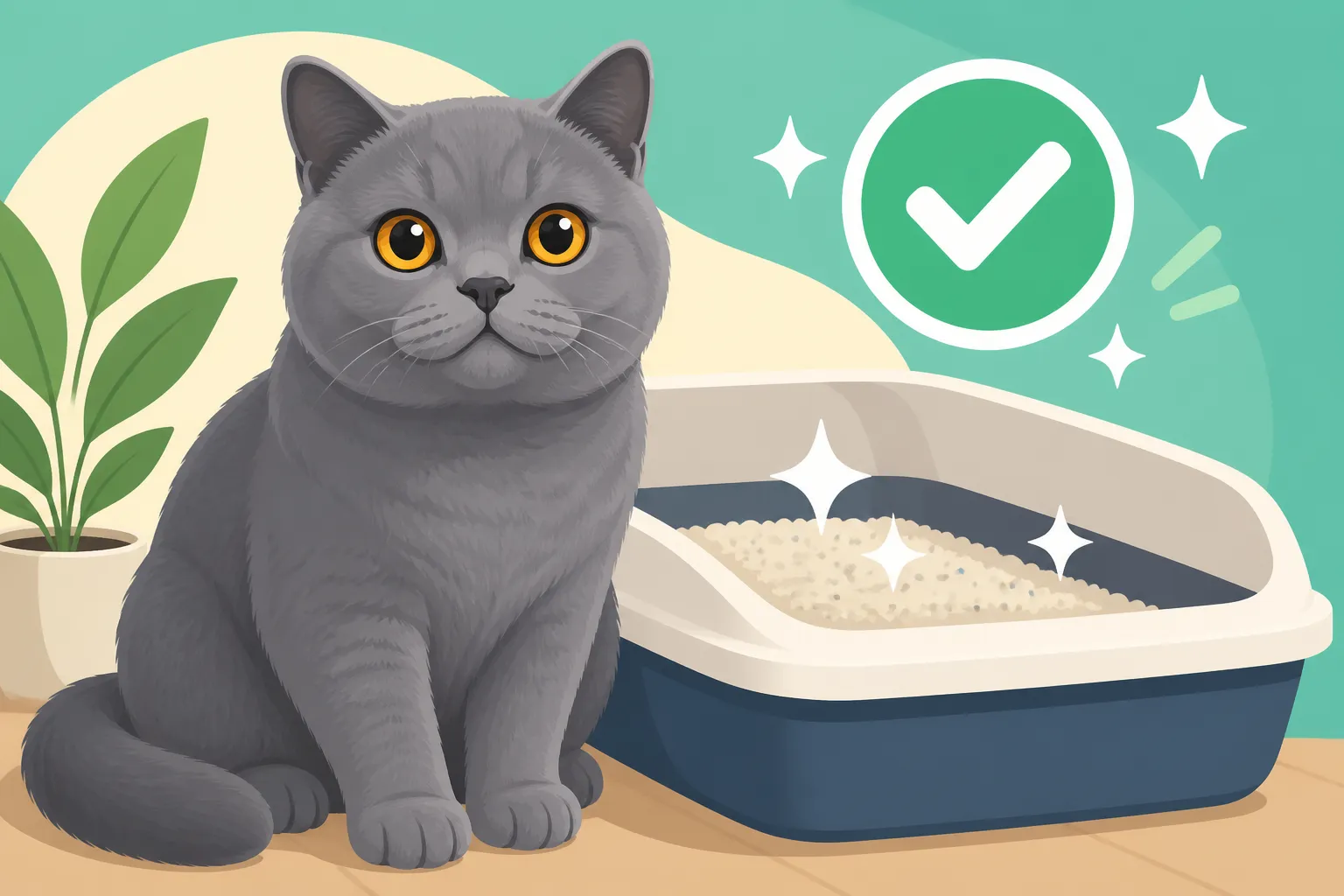
How Clean a British Shorthair Is in the Litter Box
Oh, the British Shorthair. With their serene demeanor and plush teddy bear looks, you'd think they'd be the picture of perfect politeness in every aspect of life, including their bathroom habits. But let's be real, even the most dignified feline can encounter litter box dilemmas that leave us scratching our heads and, well, sometimes scrubbing the floor. This guide is here to unravel the mysteries of your British Shorthair's litter box cleanliness, address common frustrations, and provide practical, empathetic solutions to ensure both you and your beloved furry friend live in harmony.
The British Shorthair's Pristine Reputation: Fact or Fiction?
It’s easy to imagine a British Shorthair, with its calm and collected disposition, as a paragon of cleanliness. And, for the most part, this reputation holds true. These cats are generally quite fastidious creatures, meticulously grooming themselves and typically preferring a spotless environment for their natural needs. However, even with the best intentions, certain characteristics of the breed and common living situations can throw a wrench into their otherwise impeccable habits. Understanding their natural inclinations is the first step toward preventing issues before they even start.
The Fastidious Feline: Why British Shorthairs Should Be Clean
British Shorthairs are, by nature, very clean animals. They spend a significant portion of their day grooming, keeping their thick coats in pristine condition. This inherent desire for tidiness extends to their toileting habits. A clean cat often wants a clean place to do their business. They are generally not the type to intentionally make a mess or relieve themselves outside of their designated area without a clear reason. If you notice your British Shorthair having accidents, it’s almost always a signal that something is amiss in their world, rather than an act of defiance. They truly want to be clean, and a deviation from that is a sign they need your help.
It’s a common misconception that cats act out of spite, especially when it comes to the litter box. But this simply isn’t how cats operate. When a British Shorthair starts avoiding the litter box, it's their way of communicating discomfort, stress, or even pain. They might be telling you the box isn't clean enough, the litter texture is wrong, the location is too noisy, or that they’re simply not feeling well. Taking their cleanliness cues seriously and approaching any accidents with empathy, rather than frustration, will lead to a quicker and more effective resolution. They're just trying to tell you something in the only way they know how.
Grooming and the Link to Litter Box Habits
The British Shorthair's dense, plush coat is one of its most defining features, but it also plays a role in their litter box experience. While they are diligent self-groomers, the sheer volume and texture of their fur can sometimes lead to issues. Think about it: a thick coat means more surface area for stray litter particles to cling to, especially around their hindquarters. This can result in litter being tracked throughout your home, which, while not a cleanliness issue for the cat, is certainly one for us humans! It also means that if they don't clean themselves thoroughly after using the box, some residue might linger, leading to discomfort or an unpleasant scent.
Furthermore, a British Shorthair's ability to groom itself effectively can be impacted by its weight. As we know, Obesity Is the British Shorthair's Real Disease, and an overweight cat might struggle to reach certain areas, particularly their backside, to clean themselves properly after using the litter box. This can lead to matted fur, skin irritation, and a general reluctance to use a dirty box if they feel they can't adequately clean themselves afterward. Regular grooming from you, especially during shedding seasons, can mitigate some of these issues, keeping their coat tidy and making their litter box experience more comfortable.
Reading the Subtle Cues of a Quiet Cat
British Shorthairs are known for their calm and generally quiet nature. Unlike some more vocal breeds that will loudly protest an unclean litter box, a British Shorthair might communicate its dissatisfaction through much more subtle means. You might notice them sniffing around the box hesitantly, perching on the edge rather than stepping fully inside, or taking an unusually long time to decide before finally using it. Sometimes, the only clue you get is a single "accident" in a new, inappropriate spot. This quiet communication can be tricky for owners to decipher, especially if they’re used to more demanding breeds.
It's crucial to be observant of these quiet signals. A British Shorthair might also start to hold their urine or feces for longer periods, which can lead to discomfort or even urinary tract issues. If you notice them eliminating in unusual places like a bathtub, a cool tile floor, or even on your clothes, it’s a clear, albeit quiet, cry for help. Don't assume they're being naughty; assume they're experiencing an issue with their current litter box setup. Their gentle nature means they might tolerate an unsuitable situation for a while before finally giving you a hint, so proactive observation is key. Why a British Shorthair Is So Quiet means you need to be extra attentive to their body language.
When Good Cats Go Bad: Common Litter Box Issues and Their Roots
Even the cleanest British Shorthair can develop litter box issues, and it's almost always due to an underlying problem rather than a sudden change in personality. These issues often stem from their physical characteristics, their environment, or their overall health. Pinpointing the root cause is essential for finding a lasting solution and restoring harmony to your home.
The Physical Realities: Size, Weight, and Accessibility Challenges
British Shorthairs are substantial cats. They are broad-chested, cobby, and can weigh quite a bit, especially the males, who develop those adorable jowls. This impressive size, which we all love, can sometimes be a disadvantage when it comes to standard litter boxes. Imagine trying to comfortably use a tiny bathroom when you're a large adult; it's just not practical. A British Shorthair needs ample space to enter, turn around, dig, and squat comfortably. A box that's too small will feel cramped and uncomfortable, leading them to avoid it. They might perch on the edge, causing misses, or simply find another, more spacious (and inappropriate) spot.
Their weight also plays a role. Why a Heavy British Shorthair Misses the Box can often be attributed to a combination of box size and physical discomfort. If a box has high sides, an older or overweight British Shorthair might find it difficult or painful to climb in and out repeatedly throughout the day. Arthritis, a common ailment in older cats, can make high-sided boxes feel like insurmountable obstacles. They might resort to squatting just outside the box, or if they do manage to get in, they might not adjust their position properly due to discomfort, leading to urine or feces ending up over the edge. These physical limitations are not a choice but a genuine barrier to appropriate toileting.
The Great Litter Tracking Debate: Why Their Coat Matters
That magnificent, dense British Shorthair coat, which feels like a plush velvet cloud, is also a magnet for litter. Unlike short-haired cats with sleek coats, a British Shorthair's fur is designed to stand away from their body, creating a dense barrier. While fantastic for insulation, it means that fine litter particles can easily become embedded in their paw pads, the fur between their toes, and even the longer hair around their legs and belly. They then carry this litter out of the box and track it throughout your house, a frustration many British Shorthair owners know all too well.
This isn't just an aesthetic problem for your floors; it can also be uncomfortable for the cat. Imagine having tiny, gritty bits stuck to your feet all day. It can be irritating, and some cats might try to excessively groom these areas, sometimes ingesting litter in the process. This is where choosing the right litter type becomes crucial, as some are far more prone to tracking than others. We'll delve into that more later, but suffice to say, the British Shorthair's coat makes them particularly susceptible to this common litter box annoyance, and it's a direct link between their physical attributes and your home's cleanliness. What a British Shorthair's Coat Is Like is a major factor here.
Stress, Environment, and Behavioral Factors
Cats are creatures of habit and routine, and British Shorthairs are no exception. While generally calm, they can still be sensitive to changes in their environment, which can manifest as litter box avoidance. Stressors like moving to a new home, the introduction of a new pet or person, loud noises, or even changes in your daily schedule can make them feel anxious, leading them to seek out "safer" or more private spots to eliminate. A sudden change in litter type, a new air freshener near the box, or even a different cleaning product can also be enough to deter a sensitive British Shorthair.
Beyond stress, the social dynamics of a multi-cat household can impact litter box cleanliness. Even if British Shorthairs are generally Whether Two British Shorthairs Get Along, territorial disputes can arise around resources, and the litter box is a prime target. One cat might block another from accessing the box, or a more timid cat might feel unsafe using it if a dominant cat is always nearby. The "rule of thumb" of one litter box per cat plus one extra is particularly important in British Shorthair homes to mitigate this potential source of stress and ensure every cat feels they have a safe, clean place to go.
Crafting the Ultimate Lavatory: Optimizing Your British Shorthair's Setup
Since British Shorthairs are so particular, getting their litter box setup just right is paramount. It’s not just about tossing a box in the corner; it’s about creating a comfortable, inviting, and practical toileting station that caters to their specific needs. Investing a little thought and effort here can save you a lot of headaches (and cleaning!) down the line.
The Goldilocks Principle: Finding the Right Litter Box Dimensions
When it comes to litter boxes for a British Shorthair, bigger is almost always better. Their cobby build and respectable weight mean they need a box that provides ample space to maneuver. A standard small or medium litter box simply won't cut it. Aim for something genuinely large, sometimes even extra-large, that allows them to turn a full 360 degrees without their body touching the sides or their head bumping a hood. A good rule of thumb is that the box should be at least 1.5 times the length of your cat from nose to base of tail.
Consider the dimensions carefully. A large storage tote can often make an excellent DIY litter box, as it provides far more length and width than many commercially available options. Low-sided boxes are generally preferred, especially for kittens, older cats, or those with mobility issues like arthritis. However, if your British Shorthair is a vigorous digger, you might need a box with slightly higher sides or a well-designed entrance to contain litter scatter. Some owners opt for a low-entry, high-sided pan, giving the best of both worlds. Which Litter Box Size a British Shorthair Needs is not a trivial question; it directly impacts their comfort and willingness to use it. Many suitable options can be found on Amazon.
Substrate Science: Choosing the Right Litter for Comfort and Cleanliness
The type of litter you choose can make a significant difference in your British Shorthair's litter box experience and your home's cleanliness. Cats are incredibly sensitive to textures under their paws, and a litter they dislike can be a major deterrent. Most British Shorthairs prefer a soft, fine-grained litter that mimics natural sand or soil, allowing them to dig and cover their waste instinctively and comfortably. Unscented clumping clay litter is often the most widely accepted choice due to its texture and excellent odor control when scooped regularly.
Avoid harsh, dusty, or strongly scented litters. Dust can irritate your cat's respiratory system and leave a film on their coat, while strong perfumes can be overwhelming for their sensitive noses, making them avoid the box entirely. Silica gel litters, while low tracking, can sometimes be too coarse for a British Shorthair's paws, and pellets (wood, paper, or corn) might not provide the satisfying digging experience they desire. If you're struggling with tracking from their dense coats, a litter with larger, heavier granules might help, or a litter mat placed directly outside the box. Experiment gently to find what your British Shorthair prefers. Which Litter Suits a British Shorthair is a highly individual preference, but starting with fine, unscented clay is usually a safe bet.
Location, Location, Location: Strategic Placement and Quantity
Where you place the litter boxes is almost as important as the boxes themselves. British Shorthairs, being relatively calm, appreciate privacy and quiet when doing their business. Avoid high-traffic areas, noisy appliances (like washing machines or furnaces), or places where they might feel trapped or ambushed by other pets or children. A quiet corner in a spare bathroom, a utility room, or a basement can be ideal, as long as it's easily accessible. Ensure the area is well-lit and doesn't get too cold or too hot, as extreme temperatures can deter use.
The number of litter boxes is also crucial, especially in multi-cat households. The golden rule is one litter box per cat, plus one extra. So, for a single British Shorthair, you should have at least two litter boxes. This provides options, ensures a clean box is always available, and prevents potential territorial issues if you have multiple felines. Spreading these boxes out in different locations, rather than grouping them together, also helps create multiple "safe" zones. For example, one box upstairs and one downstairs can make a huge difference in convenience for your cat. Think about How Many Boxes a British Shorthair Household Needs and where they'll feel most secure.
Troubleshooting and Triumphs: Maintaining a Happy and Healthy Litter Routine
Even with the perfect setup, ongoing maintenance and vigilance are key to preventing litter box problems and addressing them quickly if they arise. Remember, your British Shorthair relies on you to provide a clean, safe, and comfortable environment for all their needs, including their toileting.
The Daily Grind: Scooping, Cleaning, and Odor Control
This is the cornerstone of litter box cleanliness: consistent maintenance. British Shorthairs, with their fastidious nature, are highly unlikely to use a dirty litter box. You should scoop the litter box at least once, preferably twice, a day. For those busy owners, there are automatic litter boxes that can help with this, but even they require regular emptying and cleaning. Beyond daily scooping, the entire litter box needs a full litter change and a thorough scrub with mild, unscented soap and warm water at least once a week, or more often if it starts to retain odors. Avoid harsh chemicals or strong bleaches, as these can leave residues that are irritating or repulsive to your cat.
Odor control is not just for your benefit; it's for your cat's too. A strong smell can deter them from using the box. Using a good quality clumping litter helps trap odors, and regular scooping prevents the buildup of ammonia. If you find the box still smells after cleaning, consider switching to a different brand of litter, ensuring adequate ventilation in the area, or even replacing the plastic litter box itself every year or two, as plastic can absorb odors and become scratched over time, harboring bacteria. You might even find effective odor-absorbing products available on Amazon that can be used around the box, not in the litter itself, to keep things fresh.
Deciphering Changes: When Your British Shorthair's Habits Shift
Any sudden change in your British Shorthair's litter box habits warrants your immediate attention. If a previously pristine cat starts having accidents, it's a definite red flag. Start by ruling out the obvious: Is the box clean enough? Has anything in its environment changed (new furniture, loud noises, visitor)? Have you changed the type of litter or food? Is there a new pet or person in the house causing stress? A checklist approach can be really helpful here. Sometimes, a simple adjustment like adding an extra box or moving one to a quieter spot is all it takes.
If the problem persists after addressing environmental factors, or if you notice any other accompanying symptoms, it's time to consider health issues. Cats are masters at hiding pain and discomfort, and litter box accidents are often one of the first visible signs that something isn't right internally. Urinary tract infections, bladder stones, kidney disease, or even conditions like diabetes can all cause a cat to urinate outside the box. Arthritis or other painful musculoskeletal issues can make it difficult to get into or out of the box comfortably. Don't punish your cat; seek veterinary advice. Signs a British Shorthair Is Unwell often include changes in litter box use.
Medical Matters: Knowing When to Call the Vet
While many litter box problems can be resolved with environmental adjustments, it's absolutely vital to involve your veterinarian if you suspect a medical issue. If your British Shorthair is straining to urinate, vocalizing in the box, making frequent trips without producing much, or if you see blood in their urine, these are emergencies and require immediate veterinary attention. Male cats, in particular, are prone to urinary blockages, which can be fatal if not treated promptly.
Even less urgent but persistent accidents should prompt a vet visit. Your vet can perform a thorough examination, including urine tests, blood work, and possibly imaging (like X-rays or ultrasound), to identify any underlying health conditions. They can also offer advice on pain management for conditions like arthritis or help you develop a behavioral modification plan if the issue is truly stress-related after medical causes have been ruled out. Remember, early intervention is key for both your cat's health and your peace of mind. Regular wellness exams and a What a British Shorthair's Yearly Bloodwork Should Cover can sometimes catch issues before they become emergencies, which is vital for a breed that can be prone to certain health challenges.
| Litter Box Setup Factor | British Shorthair Need | Recommendation |
|---|---|---|
| Size of Box | Ample room to turn, dig, and squat comfortably. | Large to Extra-Large (at least 1.5x cat's length from nose to tail base). Consider a large storage tote for maximum space. |
| Height of Sides | Easy entry/exit, especially for older or heavy cats. | Low-sided for accessibility, or a low-entry/high-sided design to contain scatter from vigorous digging. |
| Type of Litter | Soft, fine texture for sensitive paws, good clumping. | Unscented, fine-grained clumping clay litter. Avoid harsh, dusty, or strongly scented options. Experiment to find preference. |
| Litter Depth | Enough for digging and covering waste. | 3-4 inches (7-10 cm) deep to allow for natural digging and burying instincts. |
| Number of Boxes | Multiple options to avoid territorial issues or inconvenience. | Minimum of two boxes for one cat; one box per cat + one extra in multi-cat homes. |
| Location | Private, quiet, easily accessible, safe from disturbance. | Quiet corners, spare rooms, basements. Avoid high-traffic areas, noisy appliances, or places where the cat might feel trapped. Ensure good ventilation and stable temperature. |
| Scooping Frequency | As clean as possible to encourage use. | At least twice daily. More frequent scooping is ideal for a highly fastidious cat or if multiple cats use the same boxes. |
| Deep Clean Frequency | Thorough removal of odors and bacteria. | At least once a week (empty all litter, wash with mild soap, rinse well). Replace plastic boxes every 1-2 years. |
| Litter Mats | Minimize tracking from dense coats. | Consider a textured litter mat placed directly outside the box entrance to catch stray granules. Many options are available on Amazon to help with this, with deeper grooves or softer textures to grab litter off paws effectively. |
Caring for a British Shorthair means understanding their needs, and their litter box habits are a big part of that. By being observant, proactive, and understanding, you can ensure your beloved companion remains the picture of serene, clean feline grace.
Disclaimer
This article is for general informational purposes only and does not constitute professional advice. Laws, prices and regulations vary by location and change over time. Consult a qualified professional for guidance on your specific situation.