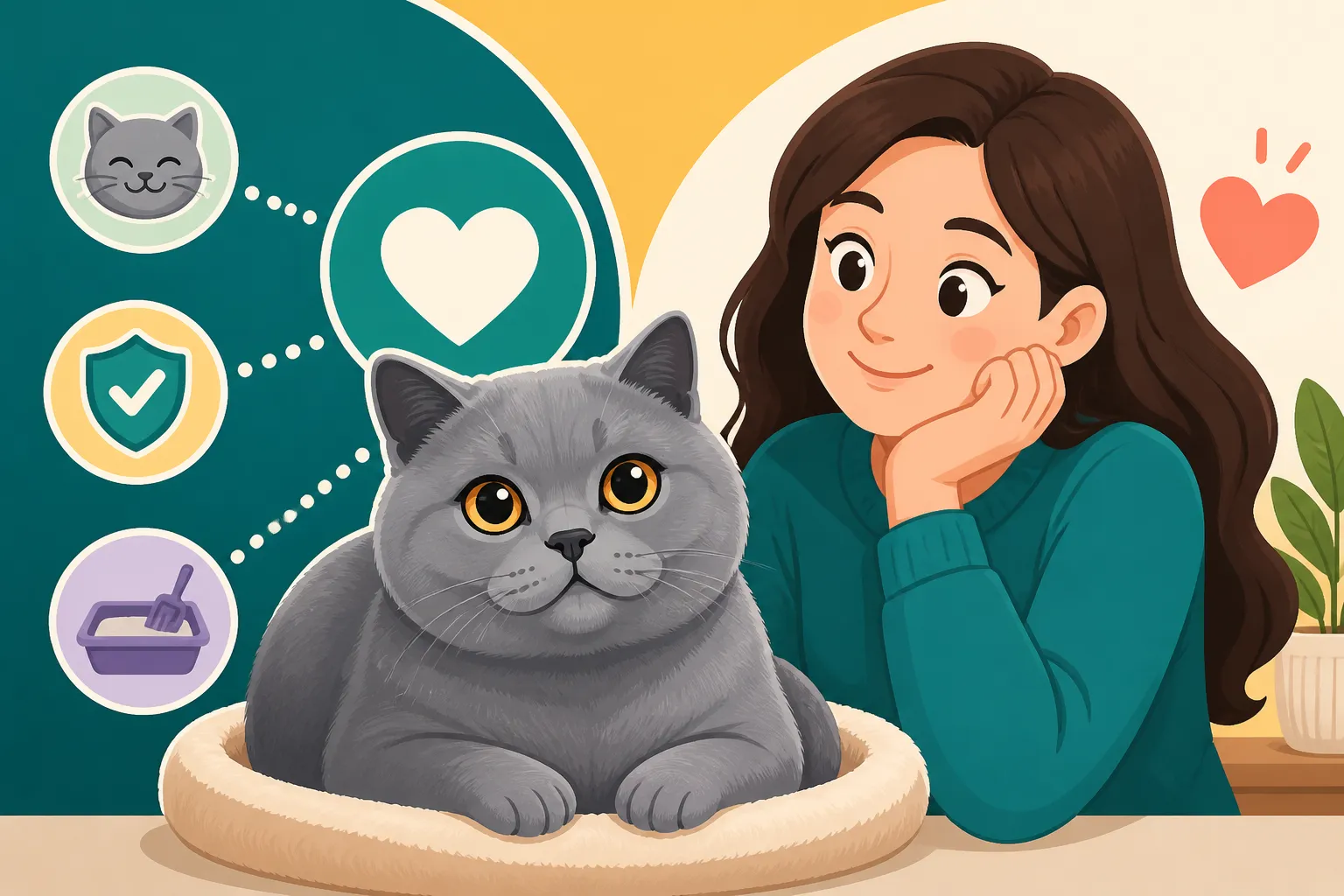
How Well a British Shorthair Suits a First Time Cat Owner
Bringing a new cat into your home is an incredibly exciting time, especially if it's your very first feline companion. Many people are drawn to the British Shorthair's undeniably charming looks – that round face, plush coat, and often calm demeanor. But beneath that teddy bear exterior, every breed has unique traits, and understanding them before you commit can make all the difference in ensuring a happy life for both you and your new furry family member. This guide will walk you through what it's really like to live with a British Shorthair, helping you determine if this beloved breed truly suits a first-time cat owner.
The British Shorthair Temperament: A Gentle Giant's Nature
The image of the British Shorthair is often one of a placid, dignified, and somewhat lazy cat, and for the most part, that image holds true. They are generally known for their calm and easygoing personalities, which can be incredibly appealing to someone new to cat ownership. You won't typically find them scaling your curtains or tearing through the house in midnight zoomies every night. Their serene nature often means fewer behavioral challenges than more high-strung or active breeds. However, "calm" doesn't mean "boring," and understanding the nuances of their character is key to appreciating them fully.
Their Independent Streak and Affectionate Quirks
One of the most appealing aspects of a British Shorthair for a first-time owner is their independence. They aren't usually the type of cat that demands constant attention or follows you from room to room with incessant meows. They're quite content to entertain themselves, observe their surroundings, or simply nap in a sunny spot. This self-sufficiency can be a huge relief if you're not used to the demands of a highly dependent pet. It means you can go about your day without feeling guilty that your cat is pining for you, allowing for a good balance between companionship and personal space.
However, this independence shouldn't be mistaken for aloofness. British Shorthairs are deeply affectionate in their own way, but it's often on their terms. They're more likely to sit near you on the sofa, maybe leaning against your leg or sharing a cushion, rather than becoming a true lap cat who demands to be cradled for hours. They enjoy a good head scratch or a gentle stroke along their plush back, often purring contentedly, but they might wriggle away if you try to pick them up for too long. For a first-time owner, learning to read these subtle cues – understanding that a head bump or a slow blink is a huge sign of affection – is part of the joy. It's a different kind of love than an in-your-face, constant presence, but it's just as profound. You can learn more about What a British Shorthair's Temperament Is Really Like.
How They Interact with Their Humans
British Shorthairs bond closely with their families, often forming a strong connection with one or two primary caregivers, though they are generally friendly with everyone in the household. They enjoy being in the same room as you, taking comfort in your presence, even if they're not directly interacting. Imagine settling down to read a book, and your British Shorthair quietly plops down on the rug a few feet away, content just to be part of the scene. This "velcro-cat-from-a-distance" behavior is characteristic of the breed and can be very comforting.
They are generally very tolerant and patient, which makes them excellent companions, especially for first-time owners who might still be learning the ropes of feline communication. They rarely resort to aggression, preferring to simply walk away if they're unhappy or overwhelmed. This gentle nature means fewer scratches or nips, which can be a relief for someone who is still getting accustomed to handling a cat. Their calm demeanor extends to new people as well; while they might be a little reserved initially, they usually warm up gracefully, often accepting pets from polite guests once they've assessed the situation. This makes having company over a stress-free experience for both you and your cat.
Their Quiet Demeanor and Vocalizations
If you're looking for a cat that won't constantly "talk" to you, the British Shorthair is an excellent choice. They are famously quiet, often preferring to communicate through body language rather than loud meows. You'll hear soft trills, gentle chirps, or quiet purrs, particularly when they're happy or asking for food. These subtle vocalizations are part of their charm and can be quite endearing. For a first-time owner, this can be a huge advantage; you won't be dealing with a cat that screams for attention or wakes you up in the middle of the night with caterwauling.
However, don't mistake their quietness for a lack of personality. When they do vocalize, it often carries a specific meaning. A soft trill might be a greeting, a little chirp could be an invitation to play, and a rumbling purr is undoubtedly a sign of deep contentment. Learning to interpret these understated sounds adds another layer to your bond. It's a subtle dialogue, and one that many first-time owners find less overwhelming than the more boisterous conversations some other breeds initiate. For more insight into their communication, see How Vocal a British Shorthair Is.
Activity Levels and Play Needs: More Couch Potato Than Marathon Runner
One of the biggest misconceptions about British Shorthairs is that their low activity level means they need no play or enrichment. While they certainly aren't as frenetic as some other breeds, they still require regular engagement to stay healthy, both physically and mentally. For a first-time cat owner, understanding this balance is crucial – it's about quality over quantity when it comes to playtime. Their inherent calmness is a double-edged sword: it makes them easy to live with, but it also means owners need to be proactive in encouraging exercise.
Understanding Their Low Energy Profile
British Shorthairs are, by nature, quite sedentary. They love their naps, their comfortable spots, and generally prefer a relaxed pace of life. They reach maturity a little later than many breeds, often not truly settling into their full adult personality and size until they are three to five years old. Even as kittens, while they have bursts of energy, they tend to mature into laid-back adults quickly. This low energy is often a huge draw for first-time owners who envision a serene companion rather than a whirlwind of feline activity. You won't often find them climbing your bookshelves or tearing around the house with abandon.
This calm disposition means they're very content in smaller living spaces, like apartments or condos, as long as they have enough mental stimulation. They don't have the intense need for vast territories or constant outdoor access that some more active breeds do. This makes them ideal indoor cats. However, their sedentary nature can also predispose them to weight gain, which is a significant health concern for the breed. A first-time owner needs to be particularly vigilant about diet and gentle encouragement of activity to prevent obesity. The lack of self-motivation for exercise means the responsibility falls squarely on the human, which can be a learning curve. For more details on this, check out How Active a British Shorthair Is.
Engaging a Sedentary British Shorthair in Play
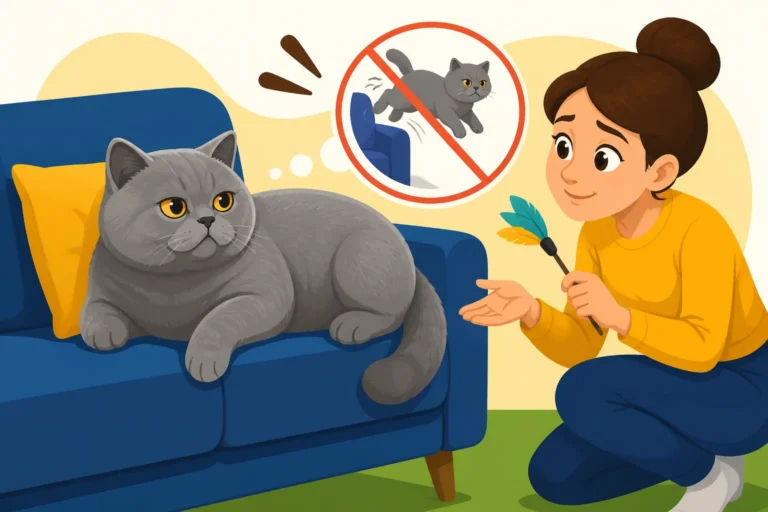
Just because they're not constantly bouncing off the walls doesn't mean British Shorthairs don't enjoy play. They just prefer shorter, more intense bursts of activity rather than prolonged sessions. Think of them as sprinters, not marathon runners. Interactive toys like wand toys, feather teasers, or even a simple laser pointer (used carefully and always ended with a tangible prize) can pique their interest. The trick is to find what motivates your individual British Shorthair. Some love chasing, others prefer pouncing, and many are easily enticed by anything that mimics prey.
Scheduling short, consistent play sessions, perhaps 10-15 minutes twice a day, can be much more effective than trying to coax them into an hour-long romp. For a first-time owner, this routine is easily manageable. It's also important to rotate toys to keep their interest fresh. A common frustration for new owners is buying a pile of toys only for the cat to ignore them. Putting some toys away and bringing them out later can make them seem "new" again. Remember, the goal isn't necessarily to exhaust them, but to get them moving and engage their hunting instincts. This helps keep them stimulated and prevents boredom, which can sometimes lead to less desirable behaviors.
The Importance of Mental Stimulation
Physical play is important, but mental stimulation is just as vital for a British Shorthair. Their intelligent minds still need to be challenged, even if their bodies prefer rest. Puzzle feeders, for example, are fantastic tools that make them "work" for their food, slowing down eating and engaging their problem-solving skills. You can find many options on Amazon that cater to different difficulty levels. Hiding treats around the house for them to "hunt" can also be a fun, low-impact activity that stimulates their natural foraging instincts.
Observational enrichment is also incredibly valuable. A window perch where they can watch birds or squirrels can provide hours of entertainment and satisfy their curiosity without requiring much physical exertion. Creating vertical spaces, even if they don't climb them vigorously, offers them a sense of security and a different perspective on their territory. Even simple interactions, like talking to your cat or teaching them a few basic tricks (yes, some British Shorthairs can learn tricks!), can provide significant mental engagement. For first-time owners, understanding that enrichment isn't just about physical activity but also about engaging their minds is a key lesson. They might even stop playing as vigorously around Why a British Shorthair Stops Playing at Three, making mental enrichment even more critical.
Grooming and Health Considerations: The Plush Coat and Predispositions
While British Shorthairs are generally considered a low-maintenance breed in terms of grooming, their unique coat does require some attention. Moreover, like all purebreds, they have certain health predispositions that a first-time owner should be aware of. Being proactive about their care is essential for their long-term well-being and can help prevent costly problems down the line.
Managing Their Dense, Low-Maintenance Coat
The British Shorthair's coat is one of its most defining features: incredibly dense, short, and plush, often described as a "crisp" texture that stands away from the body. While it doesn't typically mat or tangle like a longhaired breed, it does shed, especially during seasonal changes. For a first-time owner, this means regular combing is necessary, not just for aesthetics, but to remove loose hair and prevent hairballs. Aim for two to three combing sessions per week, increasing to daily during heavy shedding seasons (typically spring and fall).
A good quality metal comb, like those available on Amazon from brands such as Andis or Safari, is far more effective than a brush for reaching their dense undercoat. Brushing merely skims the surface, while a comb gets down to the roots to pull out dead hair. This regular routine also helps distribute natural oils, keeping their coat healthy and shiny. For many British Shorthairs, these grooming sessions are a pleasant bonding experience, especially if started when they are kittens. This level of grooming is usually very manageable for someone new to cat care, as it's not overly time-consuming or complex. You can read more about How Often a British Shorthair Needs Combing.
Common Health Concerns for First-Time Owners
Like any breed, British Shorthairs have certain health conditions that are more prevalent within their lines. The most notable is Hypertrophic Cardiomyopathy (HCM), a genetic heart condition that causes the heart muscle to thicken. While there isn't a DNA test specifically for British Shorthair HCM, responsible breeders will screen their breeding cats yearly with echocardiograms performed by a veterinary cardiologist. Polycystic Kidney Disease (PKD) is another condition, though thankfully, a DNA test exists for it, and it's largely been bred out of reputable British Shorthair lines. Hemophilia B is also present in some lines, with a DNA test available.
For a first-time owner, understanding these predispositions means asking the right questions of a breeder and being prepared for potential health monitoring throughout your cat's life. Regular veterinary check-ups are crucial, and your vet can advise on appropriate screening, such as annual physicals, blood work, and potentially yearly echocardiograms, especially if your cat's lineage includes HCM. Being informed means you can detect issues early and work with your vet to manage them, ensuring a better quality of life for your cat. The breed is generally robust, but vigilance is key. What a British Shorthair Breeder Should Have Tested is a great resource.
Dietary Needs and Weight Management
British Shorthairs have a hearty appetite and a tendency to gain weight easily, largely due to their calm, less active lifestyle and "cobby" body type, which can mask weight gain. For a first-time owner, mastering portion control is perhaps the most critical aspect of their daily care. Free-feeding, where food is left out all day, is a recipe for obesity with this breed. Instead, measured meals fed twice a day are highly recommended.
Choosing a high-quality, protein-rich diet, whether wet or dry (or a combination), is important. Your veterinarian can help you determine the appropriate calorie intake for your cat based on their age, weight, and activity level. Wet food can be beneficial as it provides hydration and can help your cat feel fuller. Monitor their weight regularly and learn how to feel for their ribs to assess their body condition – it's harder than you think through all that plush fur! Tackling excess weight early is much easier than trying to manage a severely obese cat. Obesity can lead to a host of other health problems, including diabetes, arthritis, and liver issues. Obesity Is the British Shorthair's Real Disease covers this in detail. This commitment to diligent feeding practices is often a new concept for first-time owners but is absolutely essential for a British Shorthair's long-term health.
Socialization and Household Dynamics: Fitting into Family Life
The British Shorthair's adaptable and patient nature makes them generally excellent family pets. They aren't prone to excessive anxiety or aggression, and their calm demeanor means they can often coexist peacefully with a variety of household members, from children to other pets. For a first-time owner, this adaptability can ease the transition of bringing a new cat home, reducing stress for everyone involved.
Their Compatibility with Children and Other Pets
If you have children, the British Shorthair is often a wonderful choice. They are known for their tolerance and patience, rarely resorting to scratching or biting even if playtime gets a little boisterous. They usually prefer to retreat to a quiet spot if overwhelmed rather than retaliate. This doesn't mean children shouldn't be taught how to interact gently and respectfully with cats, but it does mean a British Shorthair is less likely to be reactive to accidental bumps or enthusiastic pats. Their sturdy build can also handle gentle interaction better than more delicate breeds.
When it comes to other pets, British Shorthairs can integrate well into multi-pet households, especially if introductions are handled slowly and carefully. They often get along fine with calm dogs who understand boundaries, and they generally accept other cats, though they might not seek out constant companionship. Their independent nature means they're comfortable sharing space without necessarily being "best friends" with every other animal. For a first-time owner adding a cat to an existing pet family, the British Shorthair's accommodating nature can make the process smoother, though individual personalities always play a role. Find out more about A British Shorthair With Children, Dogs and Other Cats.
Adapting to New Environments and Strangers
British Shorthairs generally handle changes better than some more sensitive breeds, though they still appreciate routine. A new environment might see them a bit reserved initially, exploring cautiously before fully settling in. For a first-time owner, this means giving them time and space to adjust to your home, perhaps confining them to one room initially with their food, water, and litter box before gradually introducing them to the rest of the house. This patient approach prevents them from feeling overwhelmed.
When strangers visit, a British Shorthair will typically greet them with a calm curiosity. They might observe from a distance at first, perhaps from a high perch or another room, before deciding to make an appearance. They're not usually the type to hide under the bed for the entire duration of a party. Once they feel comfortable, they might approach for a gentle sniff or a quiet rub against a leg, accepting a polite pat. This reserved but friendly nature makes them pleasant hosts and less likely to cause stress when you have guests.
Handling Alone Time and Separation
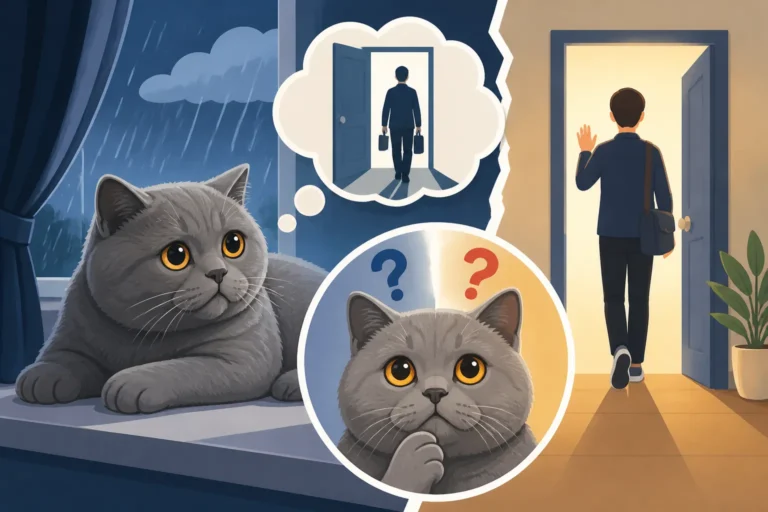
One of the British Shorthair's greatest strengths for many first-time owners is their ability to cope well with being left alone. Their independent nature means they don't typically suffer from separation anxiety. If you work a full-time job or have other commitments, a British Shorthair is generally content to nap, watch the world go by, and amuse themselves during the day. As long as they have food, water, a clean litter box, and some enrichment (like window perches or puzzle toys), they can thrive in a household where humans are out for extended periods.
However, "alone time" doesn't mean "no interaction." They still crave your companionship when you are home. A first-time owner needs to ensure they dedicate quality time to their British Shorthair in the evenings and on weekends, engaging in play, grooming, and affectionate cuddles (on the cat's terms, of course!). While they don't demand constant attention, they do appreciate knowing they are loved and valued. If you're frequently away for multiple days, a trusted pet sitter or a companion cat (properly introduced) would be beneficial. More information on how long they can be left is in How Many Hours a British Shorthair Can Be Left.
Training and Behavior Management: Setting Expectations
Training a cat is different from training a dog, and for a first-time cat owner, this can be a learning curve. British Shorthairs are intelligent and can be trained, but it requires patience, positive reinforcement, and an understanding of feline psychology. Their generally amenable nature, however, makes them easier to work with than some more willful breeds.
Litter Box Habits and Scratching Instincts
British Shorthairs are typically very clean cats and take to litter box training with ease. Providing a spacious litter box is key, as their substantial size means they need room to maneuver. A good general rule for any cat household is one litter box per cat, plus one extra, but for a single British Shorthair, ensuring the box is large enough is paramount. Many excellent, generously sized litter boxes are available on Amazon. Regular scooping is also vital; a British Shorthair appreciates a clean toilet area and may protest by going elsewhere if their box is too dirty.
Scratching is a natural and necessary feline behavior, not an act of defiance. British Shorthairs need appropriate scratching surfaces to maintain their claws, stretch their muscles, and mark their territory. Provide a variety of options: tall scratching posts (sturdy enough to support their weight), cardboard scratchers, and perhaps a horizontal mat. Placing these in prominent areas where your cat spends time or might otherwise scratch furniture is important. Positive reinforcement, like praising them and giving treats when they use their scratchers, works wonders. With the right provisions, a British Shorthair can be reliably trained to use their designated scratching areas. Take a look at Which Litter Box Size a British Shorthair Needs.
Basic Training and Boundaries
While you might not be teaching your British Shorthair to fetch your slippers, they are certainly capable of learning basic commands and household rules. Positive reinforcement, using treats and praise, is the most effective method. They can learn their name, come when called (especially if food is involved!), and even learn to tolerate nail trims or combings if introduced gently from a young age. Patience is crucial, as is consistency. Trying to force a British Shorthair to do something will almost always backfire.
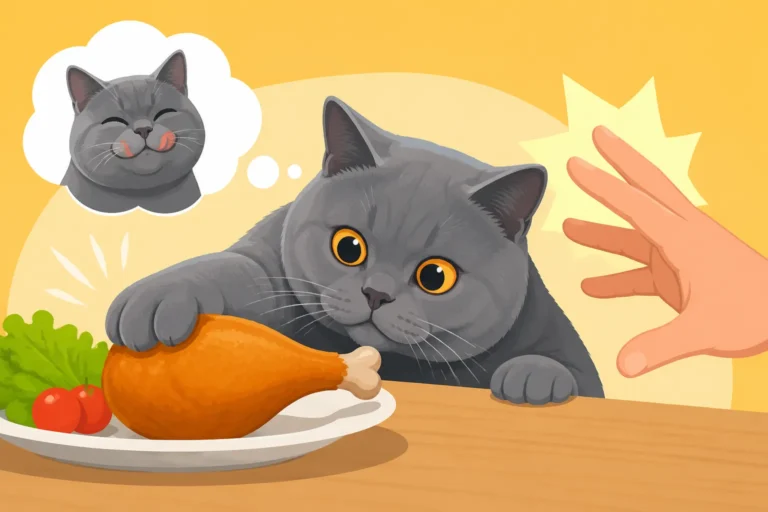
Setting boundaries from the start is important for a harmonious home. Decide early on if certain areas (like kitchen counters or dining tables) are off-limits and consistently redirect your cat if they try to go there. A firm "no" followed by picking them up and placing them on an appropriate surface, or a gentle deterrent like double-sided tape on surfaces you want them to avoid, can be effective. Their intelligent and calm nature means they generally respond well to consistent, gentle guidance, making them a good match for a first-time owner committed to positive training methods.
Understanding Their Unique Communication
For a first-time cat owner, learning to "speak cat" can feel daunting, but the British Shorthair's relatively straightforward communication style makes it easier. As mentioned, they are not highly vocal, so you'll rely more on body language. A slow blink means "I trust you," a flicking tail might indicate annoyance, and a tail held high is a sign of confidence and happiness. Their famously stoic "grumpy cat" face often belies a perfectly content disposition, so don't mistake their natural expression for unhappiness.
Paying attention to their ears, whiskers, and overall posture will tell you a lot. Forward ears mean engagement, flattened ears mean fear or irritation. Relaxed whiskers indicate comfort, while stiff, pulled-back whiskers suggest stress. Understanding these signals helps you respond appropriately, building a stronger bond and preventing misunderstandings. Their predictable nature makes them an excellent teacher for a new cat owner learning the ropes of feline behavior and communication.
Cost and Commitment: The Realities of Ownership
Bringing a British Shorthair into your life is a significant financial and emotional commitment, extending well beyond the initial purchase price. For a first-time owner, it's vital to have a clear picture of the ongoing costs and the long-term responsibilities involved. British Shorthairs can live a long and healthy life, but ensuring that means providing consistent care.
Initial Investment and Ongoing Expenses
The initial cost of a British Shorthair kitten from a reputable breeder can be substantial, reflecting the breeder's investment in health testing, quality care, and ethical breeding practices. Beyond that, you'll need to factor in initial supplies like a carrier, food and water bowls, a large litter box, litter, scratching posts, toys, and grooming tools. While you can find many affordable options on Amazon, don't skimp on essentials for such a large, sturdy cat.
Ongoing expenses are where the real commitment lies. This includes high-quality cat food, litter, yearly veterinary check-ups, vaccinations, parasite prevention, and potential emergency vet visits. As they age, they may require more frequent vet visits or specific medications for age-related conditions. Pet insurance is an option many owners consider to help manage unexpected veterinary costs. For a first-time owner, budgeting for these regular and potential irregular expenses is a crucial part of responsible pet ownership. It’s not just about what you pay upfront, but what you can sustain for the life of your cat. For a complete breakdown, see Fifteen Years of a British Shorthair, Priced Out.
Long-Term Care and Lifespan
British Shorthairs typically have a good lifespan, often living between 12 and 17 years, and sometimes even longer with excellent care. This means you are committing to a companion for a significant portion of your life. Long-term care involves consistent attention to their diet, ensuring they maintain a healthy weight, regular grooming, and ongoing veterinary care. As they enter their senior years, around age 10 or 12, they may need special diets, joint supplements, or more frequent vet visits to monitor for common senior ailments like arthritis or hyperthyroidism.
For a first-time owner, this long-term commitment is perhaps the biggest consideration. Are you prepared to adjust your lifestyle, travel plans, and budget for over a decade? Are you ready to provide specialized care as your cat ages? These are not questions to take lightly. The rewards of a long-lasting bond with a British Shorthair are immense, but they come with significant responsibilities that grow and change over time.
The Importance of a Reputable Breeder or Rescue
For a first-time owner, choosing your British Shorthair wisely is paramount. A reputable breeder will prioritize the health and temperament of their kittens. They will conduct all recommended health screenings (like HCM echoes and PKD DNA tests), provide appropriate vaccinations, socialize the kittens, and be transparent about their breeding practices. They will also offer ongoing support and be a valuable resource for advice as you navigate first-time cat ownership. Avoid "backyard breeders" or pet stores, as these sources often cut corners on health and socialization, which can lead to heartbreaking and expensive problems later on.
Alternatively, consider adopting a British Shorthair from a breed-specific rescue organization or a general animal shelter. While it might be harder to find a purebred British Shorthair in a general shelter, breed rescues often have adults who are looking for their forever homes. These cats often come with known histories and sometimes even initial health screenings. Adopting an adult cat can be an excellent option for a first-time owner, as their personality is already established, and they may be past the challenging kitten stage. Either way, doing your homework on where your cat comes from is one of the best investments you can make.
Making the Right Choice: Self-Assessment for First-Time Owners
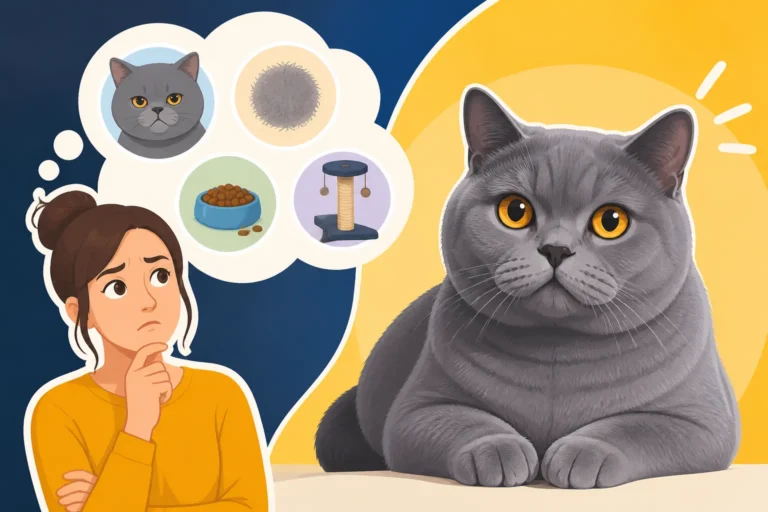
So, you've learned about the British Shorthair's charming traits and specific needs. Now, it's time for some honest self-reflection. Is your lifestyle truly a good match for this wonderful breed? For a first-time cat owner, making an informed decision is about aligning expectations with reality.
Your Lifestyle and the British Shorthair's Needs
Consider your daily routine. Do you work long hours? The British Shorthair's independent nature means they cope well with alone time, making them a good fit for busy professionals. However, remember they still need dedicated interaction and play when you are home. If you're looking for a constant shadow and a cat that demands to be on your lap at all times, a British Shorthair might not meet that expectation, as they prefer to be near, not necessarily on, you.
How active is your household? A British Shorthair thrives in a calm environment. If your home is consistently loud, chaotic, or filled with boisterous pets and children who don't understand boundaries, it might be too much for their serene disposition. While adaptable, they appreciate a peaceful retreat. Think about your willingness to commit to portion control and encourage gentle play. If you're hoping for a cat that self-regulates its food and exercises itself, you might find yourself with an overweight British Shorthair. Their health truly depends on your proactive care.
What to Expect from Your First British Shorthair
As a first-time owner, you can expect a British Shorthair to be a generally calm, affectionate (on their terms), and fairly low-maintenance companion. They are excellent at adapting to indoor living, typically quiet, and usually good with polite children and other pets. You'll likely enjoy their dignified presence, charming expressions, and soft purrs. They offer a comforting presence without being overly demanding.
However, be prepared for their specific needs:
- Grooming: Regular combing to manage their dense coat and shedding.
- Diet: Strict portion control to prevent obesity.
- Play: Encouragement and scheduled short play sessions to keep them active.
- Health: Awareness of breed-specific health issues and commitment to regular vet check-ups.
- Affection: Learning to appreciate their independent but deeply loyal affection.
They are generally forgiving of first-time owner mistakes due to their placid nature, which is a huge bonus. You'll have the space to learn and grow as a cat parent without constantly feeling overwhelmed by behavioral challenges.
Questions to Ask Yourself Before Committing
Before you take the plunge, ask yourself these crucial questions:
- Am I prepared for a 12-17 year commitment? This is a long-term relationship, financially and emotionally.
- Can I afford the initial purchase and ongoing costs, including potential vet bills for breed-specific conditions? Budgeting is essential.
- Am I willing to dedicate time daily for play and grooming, even if my cat isn't demanding it? Their health depends on your initiative.
- Can I consistently practice portion control and monitor my cat's weight? This is non-negotiable for a British Shorthair.
- Do I prefer a cat that is independent and affectionate on its own terms, rather than a constant lap cat? Understanding their unique expression of love is key.
- Is my home environment generally calm and predictable, or can I provide a peaceful retreat for my cat? They thrive in quiet.
- Am I ready to learn about feline body language and respond to subtle cues? Their quiet nature means you'll need to observe more.
- Will I commit to finding a reputable breeder who health tests, or adopting from a legitimate rescue? This sets your cat up for a healthy life.
If you can answer these questions with a confident "yes," then a British Shorthair is likely an excellent choice for your first feline companion. They are truly magnificent cats, offering gentle companionship and endless charm to those who understand and appreciate their unique qualities.
| Trait / Expectation | British Shorthair Reality | First-Time Owner Implication |
|---|---|---|
| Temperament | Calm, gentle, dignified, independent | Great for those seeking a peaceful companion; not demanding of constant attention. |
| Affection | Affectionate on their terms; often sits near you, not on you | Perfect for owners who appreciate subtle displays of love and personal space. |
| Vocalization | Famously quiet; uses soft chirps, trills, and purrs | Ideal for quiet households; less overwhelming than highly vocal breeds. |
| Activity Level | Low energy; prone to napping | Requires owners to initiate play sessions to prevent lethargy and weight gain. |
| Play Needs | Short bursts of play; enjoys interactive toys, puzzle feeders | Manageable daily play routine, but needs consistent engagement. |
| Grooming | Dense, plush coat; requires regular combing (2-3x/week) | Low-maintenance compared to longhairs, but shedding control is important. |
| Weight Management | Prone to obesity; hearty appetite | Strict portion control and monitored feeding are crucial from day one. |
| Health Concerns | Predisposition to HCM, PKD, Hemophilia B | Requires choosing a reputable breeder with health testing and regular vet visits. |
| Compatibility | Good with polite children, calm dogs, other cats | Generally adaptable and patient, making integration into families easier. |
| Alone Time | Copes well with being left alone for reasonable periods | Ideal for working owners, but still needs quality interaction when home. |
| Training | Intelligent, responsive to positive reinforcement | Easily litter trained; can learn boundaries with consistent, gentle guidance. |
| Lifespan | 12-17+ years | A long-term commitment requiring consistent care and financial planning. |
Disclaimer
This article is for general informational purposes only and does not constitute professional advice. Laws, prices and regulations vary by location and change over time. Consult a qualified professional for guidance on your specific situation.