How Often a British Shorthair Meows
Many British Shorthair owners, especially those new to the breed, often find themselves wondering just how vocal their beloved furball is supposed to be. It's easy to worry if your cat is too quiet, leading you to wonder if something is wrong, or conversely, if they've suddenly become a chatterbox, causing concern. This guide is here to shed some light on the typical vocal habits of British Shorthairs, what their various meows might mean, and when a change in their "conversation" warrants your attention.
The British Shorthair's Reputation for Quietude
The British Shorthair has long held a cherished spot in homes around the world, partly due to their famously placid and easygoing nature. This calm disposition extends significantly to their vocal habits, earning them a reputation as one of the quieter cat breeds out there. It's a hallmark of the breed that many owners adore, offering a peaceful presence that doesn't constantly demand attention through loud meows.
Why They're Known as the "Quiet Giants"
When you picture a British Shorthair, you likely imagine a dignified, plush-coated cat with a serene expression. This image isn't just for show; it genuinely reflects their inner world. Unlike some of their more effusive feline cousins, British Shorthairs aren't typically inclined to carry on long conversations with you or announce their presence with booming vocalizations. They tend to observe, to be present, and to communicate in subtler ways than through constant chatter.
This calm demeanor often leads to them being called "quiet giants" – a fitting moniker for their substantial, cobby build paired with their gentle, often silent, approach to life. They prefer to communicate with soft nudges, slow blinks, or by simply sitting near you, content in your presence, rather than demanding it vocally. If you've ever owned a Siamese or an Oriental Shorthair, you'll know the stark contrast immediately. A British Shorthair's quiet nature is one of their defining traits, and it’s one of the many reasons they're such popular companions for those seeking a more tranquil household pet.
What Their Typical Vocalizations Sound Like
So, if they're quiet, does that mean they never make a peep? Absolutely not! British Shorthairs certainly have their own unique vocal repertoire, it's just often much softer and less frequent than other breeds. Their typical "meow" isn't a loud, drawn-out cry, but rather a soft, almost polite sound. You might hear a gentle "mrrp" or a low "chirp" more often than a full-blown "MEOW!" These sounds are usually reserved for specific moments.
They might offer a tiny, almost breathy greeting when you walk into a room, a subtle signal that they've noticed you. Sometimes, you'll catch a little trill, which sounds like a mix between a purr and a bird song, especially when they're happy or engaging in a moment of playful chase. These aren't demanding noises; they're more like quiet affirmations or gentle requests. Understanding What a British Shorthair's Chirp Means can help you interpret these charming, soft communications. If your British Shorthair is quietly acknowledging you with these subtle sounds, rest assured, they are being perfectly true to their breed's nature.
Understanding Your British Shorthair's "Meow-Meter"
While British Shorthairs are generally quiet, they are not mute. They have a "meow-meter" that fluctuates based on their needs, desires, and even their mood. Learning to read your cat's subtle cues and understanding when they choose to vocalize can strengthen your bond and help you address their needs effectively.
When a British Shorthair Does Meow
Even the most reserved British Shorthair will vocalize from time to time. These moments are usually quite deliberate and carry a specific message. Learning to differentiate these typical vocalizations from anything out of the ordinary is key to being a good British Shorthair parent.
One of the most common reasons for a British Shorthair to meow is to greet you. When you arrive home, or even just enter a room after being away, a soft "mrrp" or "chirrup" is their way of saying hello. It's usually a gentle, welcoming sound, not an urgent demand. It's their polite acknowledgment of your presence.
Food is, of course, a powerful motivator for any cat, and British Shorthairs are no exception. While they might not be as insistent as some breeds, a hungry BSH will certainly let you know it's mealtime. This often starts with them following you to the kitchen, perhaps with a soft meow or two, maybe even a little head bump against your leg. If they're particularly eager, you might get a slightly more prolonged, but still relatively quiet, meow. Since British Shorthairs are prone to weight gain, many owners practice Portion Control Is the Whole Job With a British Shorthair, meaning meal times are distinct and therefore often associated with a bit of vocal anticipation.
They might also use a soft meow or chirp to seek attention or initiate play. This isn't usually an incessant plea, but rather a subtle invitation. They might look at you, then at a favorite toy, and offer a soft sound. Or they might sit near you, give a little head nudge, and a quiet "mrrp" to let you know they'd appreciate some cuddles or a quick play session. It's important to remember that How Affectionate a British Shorthair Is often manifests in proximity and subtle gestures, rather than overt displays like loud meowing.
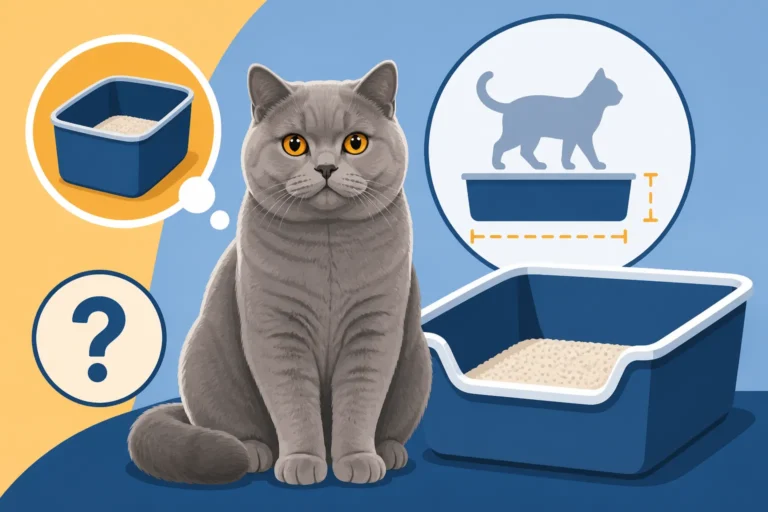
On the more concerning side, a change in litter box habits, including increased vocalization around the box, can be a sign of discomfort. If your cat usually uses their box silently but suddenly starts meowing while inside or immediately after, it could indicate pain or an issue with the box itself, such as it being too dirty or too small. Considering Which Litter Box Size a British Shorthair Needs is crucial for these larger cats to avoid discomfort. Any vocalizations coupled with straining or difficulty urinating require immediate veterinary attention, as they could signal a serious urinary problem.
A sudden increase in vocalizations, especially if it sounds distressed, can be a red flag for pain or discomfort. Cats are masters at hiding pain, but vocalizing can be one of the few outward signs. If your British Shorthair is meowing more than usual, particularly if the meows sound different – perhaps higher pitched, more urgent, or continuous – it’s a strong indicator that something is amiss. This could be anything from a minor tummy ache to something more serious that warrants investigation. It's always best to err on the side of caution and consult your vet if you notice such a change, especially if it's accompanied by other signs listed in Signs a British Shorthair Is Unwell.
Finally, as British Shorthairs age, their vocal habits can sometimes change. Senior cats, just like senior humans, can experience cognitive decline or sensory loss. An older British Shorthair might become more vocal, particularly at night, due to disorientation or simply to express confusion or anxiety. This is a common issue when Caring for an Old British Shorthair, and it's something to be mindful of as your furry friend enters their golden years.
Factors Influencing Vocalization Levels
While the breed generally leans towards quiet, several individual and environmental factors can influence how often your British Shorthair meows. It's not a one-size-fits-all situation, and understanding these nuances can help you better understand your feline companion.
Firstly, individual personality plays a huge role. Just like people, every cat is unique. While the breed tendency is quiet, you might find that your particular British Shorthair is simply more chatty than the average, or perhaps even more reserved. This is just their inherent nature. It's similar to how some siblings are quiet and others are boisterous, even though they share the same parents.
Early socialization and environment can also shape a cat's vocal habits. A kitten raised in a household with other very vocal cats or a family that frequently engages in "conversations" with their pets might learn to be more vocal themselves. They learn that certain sounds get a reaction, whether it's food, attention, or play. This isn't necessarily a bad thing, but it does mean that some BSH might be more inclined to "talk" than others simply due to their upbringing.
Cats are also incredibly intelligent and quickly learn what works to get their desired outcome. If they meow, and you immediately respond with food, cuddles, or play, they'll learn that meowing is an effective communication tool. This isn't manipulation; it's simply cause and effect. Owners sometimes inadvertently reinforce vocal behaviors without realizing it.
Environmental changes or stressors can also trigger an increase in vocalization. A new home, a change in your work schedule, the arrival of a new pet or family member, or even just rearranging the furniture can make a sensitive British Shorthair feel unsettled. They might meow more to express their anxiety or confusion. If you work long hours, you might wonder How a British Shorthair Copes With a Full Working Day, and for some, loneliness or boredom can manifest as increased vocalization upon your return or during quiet periods.
Finally, medical conditions are a significant factor that can dramatically alter a cat's vocal patterns. As mentioned earlier, pain or discomfort can lead to increased meowing. Conditions like hyperthyroidism in older cats can make them restless and more vocal. Dental pain, such as Gingivitis in a British Shorthair or other oral issues, might cause them to meow when eating. Kidney disease, or conditions like Hyperthyroidism in an Older British Shorthair, can also manifest as behavioral changes, including more frequent or urgent vocalizations. Because British Shorthairs are so stoic, any noticeable change in their vocal habits should always prompt a call to your veterinarian to rule out underlying health issues.
Decoding the Meows and Addressing Changes
Understanding the different nuances of your British Shorthair's vocalizations is like learning a new language – a subtle one, perhaps, but a language nonetheless. Being attuned to these sounds, and especially to any changes, is a crucial part of responsible pet ownership.
The Different Types of British Shorthair Sounds
Beyond the standard "meow," British Shorthairs have a surprising array of vocalizations, each with its own context and meaning. These are often much softer than what you'd hear from other breeds, requiring a keen ear to pick up on.
The most characteristic sounds you'll likely hear are chirps and trills. These are often happy, contented sounds. A chirp might be a little bird-like sound, usually a greeting or an acknowledgment. A trill is similar but often slightly more drawn out, sometimes accompanied by a soft purr. Cats often use these sounds to call their kittens, so when your British Shorthair trills at you, it's a sign of deep affection and trust. It's their way of saying, "Come here, I like you!" Understanding What a British Shorthair's Chirp Means can offer you a wonderful window into their emotional state.
Soft meows are their general-purpose communication tool. These are typically low in volume and short in duration. They might use them to request food, to ask for attention, or just as a general greeting. It's polite, non-demanding, and perfectly in line with their calm temperament.
Sometimes you might hear a "brrrp" or a "rrrrow" sound. This is a bit more nuanced. It can be a questioning sound, as if they're mildly curious about what you're doing. It could also be a very mild complaint, perhaps if they're trying to get to a favorite sunspot and you're in the way. It’s rarely aggressive but might express a gentle desire for something to change.
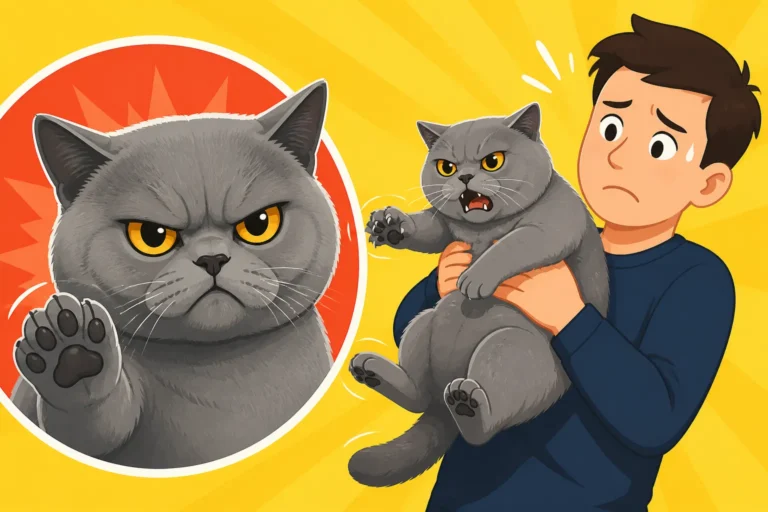
Growls and hisses are thankfully rare for a British Shorthair in a comfortable home, but they are crucial warning signs. These vocalizations indicate fear, extreme discomfort, or anger. If your British Shorthair is growling or hissing, it means they feel threatened or are in pain, and you should immediately identify and address the source of their distress. This isn't typical behavior for their placid nature, so it's a serious sign.
Finally, howls or yowls are extremely rare and signify significant distress. A loud, drawn-out howl is not a normal British Shorthair sound. It can indicate intense pain, severe anxiety, or in unspayed females, it can be a sign of being in heat. If you hear your British Shorthair howling or yowling, especially continuously, it's a definite signal that something is seriously wrong and requires immediate investigation, usually by a veterinary professional.
When to Be Concerned About Changes in Vocalization
Because British Shorthairs are typically quiet, any significant deviation from their baseline vocal habits should grab your attention. It's not about them meowing or not meowing, but about how much they usually meow, and then noticing a change from that norm.
A sudden, marked increase in vocalization is perhaps the most common cause for concern. If your usually reserved British Shorthair suddenly starts meowing incessantly, especially with urgent or loud meows, it's a strong indicator that something is wrong. This could be pain, illness, or even cognitive decline in older cats. For example, if they start meowing frantically around the litter box, it could point to Urinary Problems in a British Shorthair, which require immediate veterinary care. An older cat that suddenly begins howling or meowing loudly, particularly at night, might be experiencing confusion or disorientation, a symptom sometimes associated with Feline Cognitive Dysfunction Syndrome (FCDS).
Changes in the tone or pitch of their meows can also be telling. If their meows sound strained, hoarse, or much higher-pitched than usual, it might suggest an issue with their throat, larynx, or respiratory system. Any difficulty in vocalizing should be investigated.
It's also important to consider vocalization in conjunction with other symptoms. If the increased meowing is accompanied by changes in appetite, altered litter box habits, lethargy, hiding more often, or aggression, then it's almost certainly a sign of a problem. Signs a British Shorthair Is Unwell can manifest in a variety of ways, and changes in vocalization are often among the first clues. Don't dismiss a sudden shift in their "voice" as merely a personality quirk; it's more likely a direct communication that they need your help.
| Vocalization Type | Typical British Shorthair Sound | Common Meaning | When to Be Concerned |
|---|---|---|---|
| Chirp / Trill | Soft, bird-like, purr-like | Happy greeting, invitation to follow, acknowledgment, affection. | Rarely concerning, usually positive. |
| Soft Meow | Quiet, short, polite | Request for food, attention, "hello," mild complaint. | Sudden increase in frequency or urgency. |
| "Brrrp" / "Rrrrow" | Low, rumbling, questioning | Mild curiosity, gentle complaint, seeking attention. | If unusually frequent or accompanied by agitation. |
| Growl / Hiss | Low, guttural / Sharp, expelled | Fear, anger, extreme discomfort, warning. | Any instance of these; indicates serious distress or threat. |
| Howl / Yowl | Loud, drawn-out, mournful | Intense pain, severe anxiety, disorientation (especially in older cats), distress (e.g., in heat). | Immediate veterinary attention required; not typical British Shorthair behavior. |
Managing Excessive Vocalization (If It Becomes an Issue)
If you find that your British Shorthair's vocalizations have become excessive or problematic, the first and most critical step is always to rule out any underlying medical issues. As we've discussed, illness or pain can manifest as increased meowing, and a trip to the veterinarian is non-negotiable before attempting any behavioral modifications. Your vet can perform a thorough examination, including blood work and other diagnostics, to ensure your cat isn't trying to tell you they're unwell.
Once medical causes have been excluded, you can start looking at behavioral and environmental factors. Boredom and lack of stimulation are common culprits for excessive vocalization in intelligent cats. Ensure your British Shorthair has plenty of environmental enrichment. This means providing interactive toys, puzzle feeders that make them "hunt" for their food (you can find a great selection on Amazon), and cat trees for climbing and observation. Even a lazy British Shorthair needs mental stimulation. For tips on encouraging activity, check out Getting a Low Energy British Shorthair to Move.
Consistency in routine can also work wonders. Cats thrive on predictability, so try to stick to a regular schedule for feeding, playtime, and sleep. This can reduce anxiety and the need for your cat to "remind" you about upcoming events like mealtime.
If your cat is meowing for attention, it's crucial to be very careful with how you respond. Inadvertently rewarding incessant meows will only reinforce the behavior. Instead, try to ignore the meowing when it's excessive and demanding. Wait for a brief pause in their vocalizations, then give them attention, praise, or a short play session. This teaches them that quiet moments, not loud ones, are what earn them your interaction. It takes patience, but it can be highly effective.
Dedicated interactive play sessions are incredibly important for British Shorthairs. Even though they're not hyperactive, they still need to fulfill their natural hunting instincts. Spend 10-15 minutes, a couple of times a day, actively playing with a wand toy or a feather chaser. This mental and physical exertion can significantly reduce attention-seeking meows. For ideas on engaging their interest, read Which Toys a British Shorthair Will Actually Chase.
Finally, if your British Shorthair is spending long periods alone and seems to be meowing out of loneliness or boredom, considering a companion might be an option. British Shorthairs are generally good with other cats, and having another feline friend to interact with can provide much-needed stimulation and comfort. For more on this, you might find When a British Shorthair Needs a Companion insightful.
British Shorthairs are a truly wonderful breed, cherished for their calm and generally quiet demeanor. While they may not be the most vocal cats on the block, they communicate their needs and affections in their own subtle, charming ways. Learning to interpret their chirps, trills, and soft meows is a key part of the joy of living with these plush teddy bears. By understanding their baseline vocal habits and knowing when a change might signal a deeper issue, you can ensure your British Shorthair remains a healthy, happy, and contented member of your family.
Disclaimer
This article is for general informational purposes only and does not constitute professional advice. Laws, prices and regulations vary by location and change over time. Consult a qualified professional for guidance on your specific situation.