Whether a British Shorthair Fetches
Many British Shorthair owners find themselves wondering if their beloved, placid feline companions can ever be enticed into a game of fetch, often seeing their attempts met with a lazy blink or a slow, deliberate walk away. It's a common frustration, isn't it? This guide will explore whether the famously calm British Shorthair can indeed be taught to play fetch, and more importantly, how to make any form of interactive play a joyful experience for your quiet, chunky friend.
The British Shorthair's Unique Play Philosophy
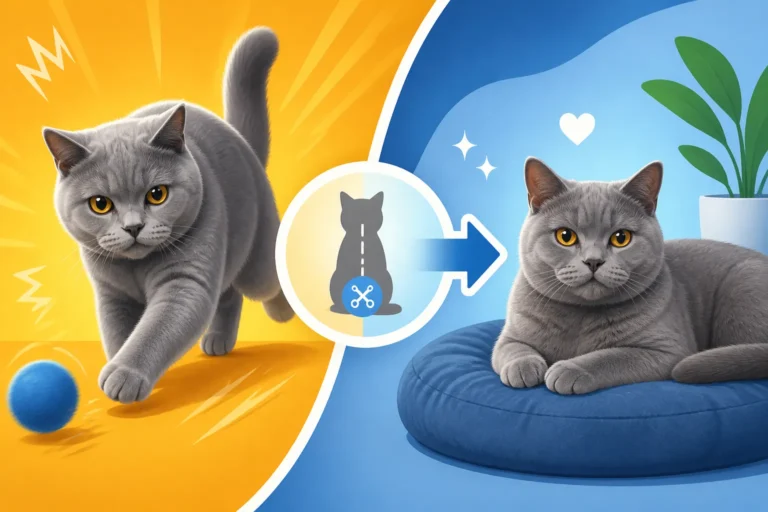
Let's be real, if you've ever owned a British Shorthair, you know they aren't exactly the poster cats for high-octane acrobatics. While other breeds might scale curtains or chase laser pointers with manic intensity, your British Shorthair probably prefers a good sunbath, a long nap, or perhaps a leisurely stroll to the food bowl. This isn't laziness; it's simply their nature. They possess a dignified calm that's a huge part of their charm, but it can make traditional, energetic play styles a bit of a mismatch.
Their physique plays a role too. With their sturdy, cobby bodies and plush coats, they're built for comfort, not speed. You won't often see a British Shorthair leaping onto the highest shelf like a nimble domestic shorthair. Instead, they prefer to be grounded, observing the world with their famously serene expressions. This inherent disposition means that their approach to play is often more intellectual or curiosity-driven than purely physical. Don't mistake their quiet demeanor for boredom; they're simply processing the world at their own, unhurried pace. Understanding this fundamental aspect of their personality is the first step in unlocking any kind of interactive play, including the elusive game of fetch. How Active a British Shorthair Is is a topic many owners grapple with when trying to understand their cat's energy levels.
Unpacking the British Shorthair's Motivations for Play
Unlike some breeds that live to hunt and chase, a British Shorthair's motivation for play often stems from curiosity, a desire for gentle interaction, or the allure of a novel item. They're not usually driven by an intense prey drive that compels them to chase and retrieve relentlessly. Think of it less like a dog fetching a ball and more like a curious toddler discovering a new texture or sound. The object itself, or the way it moves, has to genuinely pique their interest, and it often needs to be a low-effort engagement.
They appreciate predictability and routine, so sudden, erratic movements might startle them or simply be ignored. A British Shorthair is far more likely to engage with a toy that offers a slow, enticing movement, or one that has an interesting texture or scent. They are often more interested in the process of interaction rather than the outcome of retrieving an item. This means that a quick throw and retrieve might not hold their attention as long as a slow, deliberate batting of a toy mouse or a gentle feather wand session. You'll often find that the best way to get them involved is to make the game their idea, or at least feel like it is. It's less about training and more about persuasion and understanding their intrinsic preferences. What a British Shorthair Does All Day often involves a lot of contemplation and quiet observation, which informs their play style.
Can a British Shorthair Be Taught to Fetch?
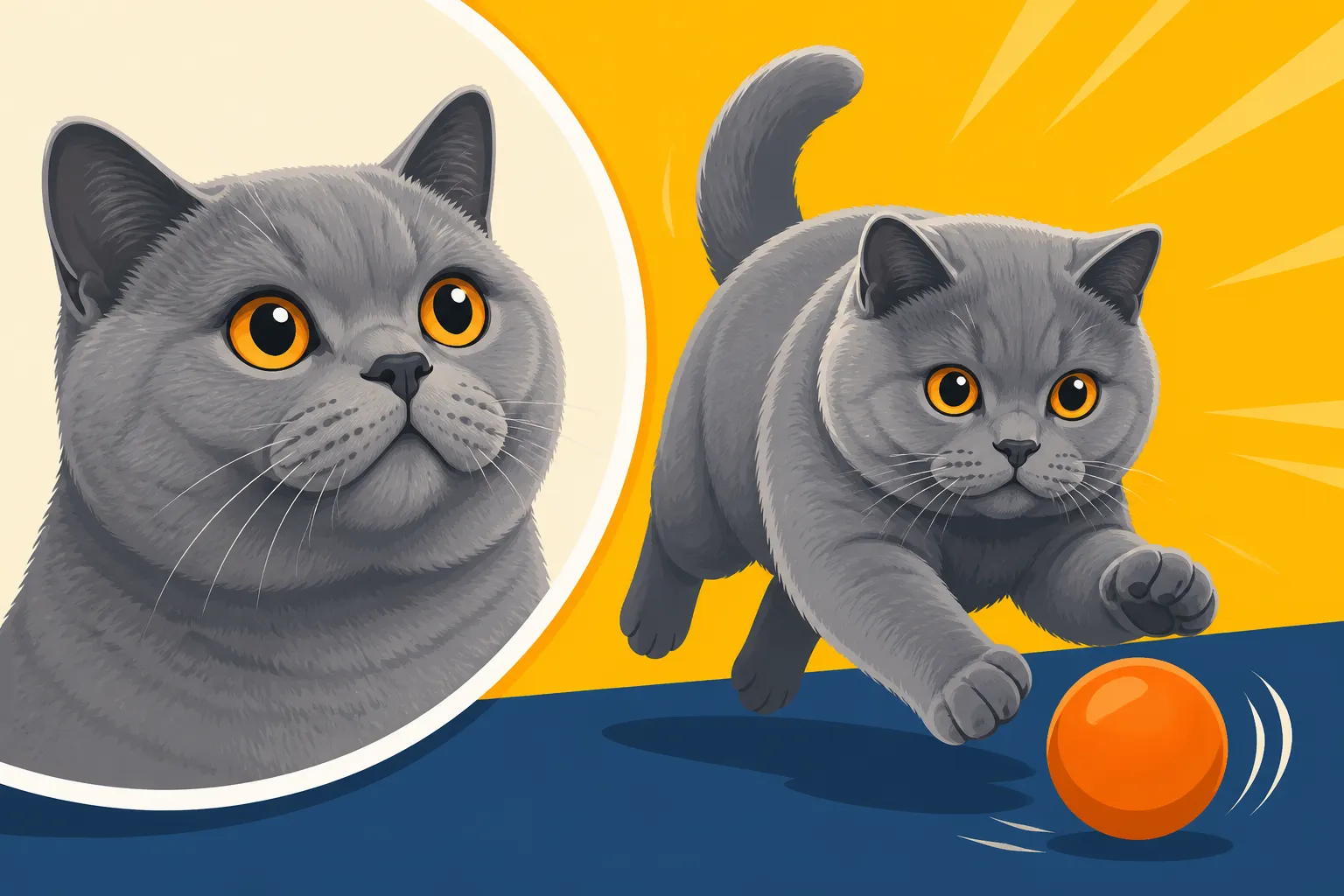
The short answer is: yes, some British Shorthairs can be taught to fetch, but it's far from a guarantee and often looks very different from what you might imagine. It's crucial to manage your expectations. If you're picturing your British Shorthair excitedly bringing a toy back to your feet multiple times, you might be setting yourself up for disappointment. Instead, think of it as encouraging a return behavior rather than a traditional, enthusiastic fetch.
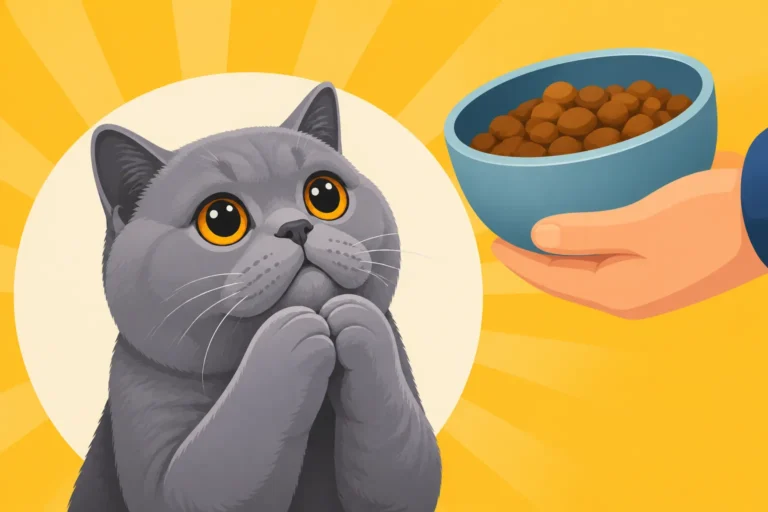
The key lies in understanding that a British Shorthair's participation in fetching is usually a choice, not an instinct. They won't instinctively retrieve a thrown item simply because you threw it. Their motivation has to be much stronger. Often, this motivation is food-related or tied to a very specific, beloved toy. You'll typically find that only a small percentage of British Shorthairs will consistently engage in anything resembling fetch, and even then, it's usually on their terms. Don't push them too hard; their calm nature means they'll simply shut down if they feel pressured. Patience and positive reinforcement are your greatest allies here. It's important to remember that How Much Play a British Shorthair Needs is often less than you might think, making these brief, intentional sessions even more valuable.
Identifying the Right Motivation
To even begin thinking about fetch, you first need to identify what truly motivates your British Shorthair. Is it food? Is it a particular texture, like crinkly paper or soft wool? Is it the novelty of a new sound, like a bell inside a small ball?
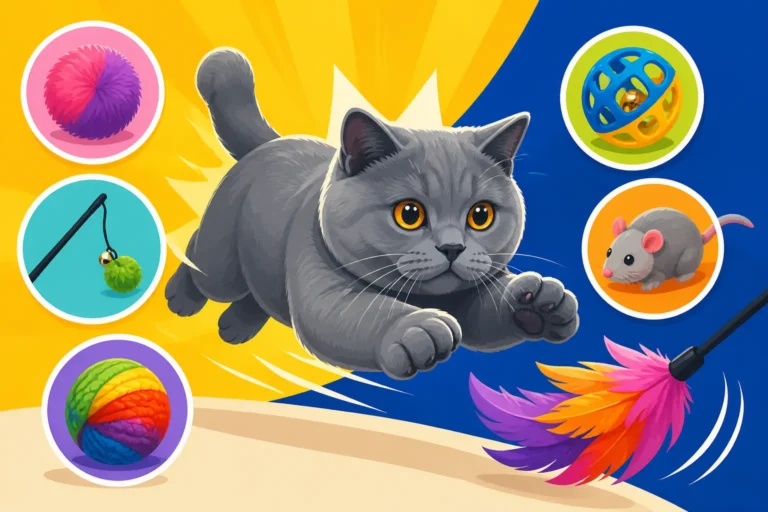
For many British Shorthairs, a high-value treat is the ultimate motivator. If your cat is food-motivated, you might have some success. Start with a toy they already show a passing interest in – something small, light, and easy for them to pick up in their mouth. Crinkly balls, soft mice, or even a crumpled piece of paper often work well. The toy needs to be light enough not to feel like a chore to carry. Which Toys a British Shorthair Will Actually Chase often involves these smaller, intriguing items.
The Gentle Art of Persuasion
Teaching fetch to a British Shorthair is less about commanding and more about luring and rewarding.
- Start Small: Don't throw the toy across the room. Start by tossing it just a few inches away. The goal is for them to simply approach it.
- Lure and Reward: Once they are near the toy, try to get them to bat at it or even pick it up. If they show any interest, even just a nudge, immediately offer a high-value treat. If they pick it up, even for a second, massive praise and treats!
- Encourage the Return: This is the trickiest part. Once they pick up the toy, gently try to lure them back towards you with another treat. Don't grab the toy from them. Wait for them to drop it near you, or in your hand if you're lucky. As soon as they drop it, massive praise and reward.
- Repeat and Be Patient: These sessions should be short, positive, and end on a good note. A few minutes a day is more than enough. If they lose interest, stop. Forcing it will only make them associate fetch with a negative experience. You might find that some British Shorthairs will only fetch once or twice before deciding they've had enough for the day. That's completely normal. They are the masters of their own destiny, after all. You might even find success with toys available on Amazon that are specifically designed for cats to carry.
Why Your British Shorthair Might Decline the Offer
Many owners get discouraged when their British Shorthair just sits and stares at the thrown toy. There are several reasons for this, and it almost always comes back to their core personality:
- Low Prey Drive: They simply don't have the intense hunting instinct that makes some cats enjoy fetching. The reward of the "kill" (the capture of the toy) isn't as intrinsically satisfying for them.
- Energy Conservation: British Shorthairs are masters of energy conservation. If an activity requires too much effort for too little perceived reward, they're likely to opt out. Getting a Low Energy British Shorthair to Move often requires careful thought about their energy levels.
- Dignified Disinterest: Sometimes, they just aren't interested. Their expressions often convey a sense of "Why bother?" or "You threw it, you go get it." It's part of their charm, but it can be frustrating when you're trying to engage them.
- Comfort and Routine: They thrive on comfort and routine. Fetch might feel too chaotic or unexpected for their serene preferences.
- Weight Considerations: If your British Shorthair is on the heavier side, jumping or running to retrieve a toy might be uncomfortable. It's a sad reality that Obesity Is the British Shorthair's Real Disease, and it can severely limit their willingness to engage in active play.
Making Play Appealing for Your British Shorthair
Even if fetch isn't in the cards, there are countless other ways to engage your British Shorthair and provide crucial mental and physical enrichment. The key is to cater to their calm, curious nature.
The Power of the Wand Toy
Wand toys are almost universally loved by British Shorthairs because they allow for interactive play without requiring the cat to do all the heavy lifting. You control the movement, mimicking prey in slow, enticing ways. Think of a feather wand toy, moving slowly along the floor, disappearing behind furniture, then peeking out again. This taps into their observational hunting instincts without demanding a burst of high-speed energy.
Vary the movement: let the "prey" hide, then pounce slowly. Let them catch it sometimes, and then gently pull it away. This build-up of anticipation and satisfaction is incredibly engaging. There are many fantastic wand toys available on Amazon that feature different attachments, from feathers to crinkly ribbons, allowing you to discover what truly captivates your particular British Shorthair. Play for a British Shorthair That Would Rather Not often involves these types of toys, as they cater to a more sedentary play style.
Puzzle Feeders and Food Motivation
For many British Shorthairs, their primary motivation is food. This is where puzzle feeders shine. These ingenious devices require your cat to use their brains and paws to extract treats or kibble, turning mealtime into a mental exercise. This satisfies their natural foraging instincts and provides a low-impact form of enrichment.
Start with simple puzzle feeders and gradually increase the difficulty. Watching your British Shorthair carefully consider how to get that treat out is incredibly rewarding. Not only does it provide mental stimulation, but it also slows down their eating, which can be beneficial given their propensity for weight gain. You can find a wide array of options, from basic treat balls to more elaborate activity boards, all easily accessible on Amazon. Whether a Puzzle Feeder Motivates a British Shorthair is a question often answered with a resounding "yes" for this breed.
The Allure of Novelty and Exploration
British Shorthairs are inherently curious, even if they express it subtly. Introducing new items or safe spaces can be a form of play for them.
- Cardboard Boxes: The classic. A new cardboard box is an instant fort, a hiding spot, and a scent-marking opportunity. They love to explore the confined space and often settle in for a nap.
- Paper Tunnels: Crinkly paper tunnels provide a safe, intriguing space for them to investigate. The sound and enclosed environment are often very appealing.
- New Scents: Introducing safe, cat-friendly scents like silvervine or certain herbs (beyond catnip, which can sometimes be too stimulating for their calm nature) can pique their interest. A small, sturdy cat tree with different textures can also serve as an enrichment zone, though remember they might prefer the lower levels. Which Cat Tree a British Shorthair Uses is often one that provides stability and easy access.
Here's a quick comparison of play styles that generally resonate well with British Shorthairs:
| Play Style | Description | British Shorthair Appeal |
|---|---|---|
| Wand/Feather Toys | Human-controlled toy mimicking prey movement. | High. Low physical demand for cat, high mental engagement, allows "hunting" from a relaxed position. |
| Puzzle Feeders | Devices requiring mental and physical effort to access food/treats. | High. Taps into food motivation and natural foraging, good for mental stimulation, low physical effort. |
| Crinkle Balls/Soft Mice | Small, light toys with interesting textures or sounds. | Moderate to High. Easy to bat around or carry, can trigger brief bursts of play, not overwhelming. |
| Laser Pointers | Moving light dot. | Moderate. Can elicit chasing, but important to end with a tangible "catch" to avoid frustration. |
| Cardboard Boxes/Tunnels | Simple, accessible spaces for exploration, hiding, and relaxation. | High. Satisfies curiosity and need for secure spaces, no physical effort required. |
| Automated Toys | Battery-operated toys that move, light up, or dispense treats. | Moderate. Can provide intermittent engagement, but may be ignored if too noisy or predictable. |
| Fetch | Throwing a toy for the cat to retrieve. | Low to Moderate. Requires specific motivation and training, not instinctive for most BSH. |
The Lifelong Journey of Play and Enrichment
Understanding that your British Shorthair might not be a fetch champion doesn't mean they can't have a rich, fulfilling, and playful life. It just means adapting your approach to their unique personality and preferences. As they age, their willingness to engage might shift, with many becoming even more sedentary. Whether an Aging British Shorthair Plays Less is a common concern, and the answer is usually yes, but gentle engagement remains important.
Continue to offer a variety of interactive toys and enrichment opportunities. Even if they only play for a few minutes a day, those moments of engagement are incredibly valuable for their mental and physical well-being. Don't take their lack of enthusiastic fetching as a sign of disinterest in you; it's just their way. They show affection and connection in their own quiet, understated manner, often through proximity, gentle head rubs, or a soft purr. Celebrate their individuality, and you'll find immense joy in their subtle, charming interactions. Whether you're looking for How to Get a British Shorthair to Play Daily or simply wondering Whether a British Shorthair Is Boring, remember that their unique traits are what make them so special.
Disclaimer
This article is for general informational purposes only and does not constitute professional advice. Laws, prices and regulations vary by location and change over time. Consult a qualified professional for guidance on your specific situation.