Whether an Aging British Shorthair Plays Less
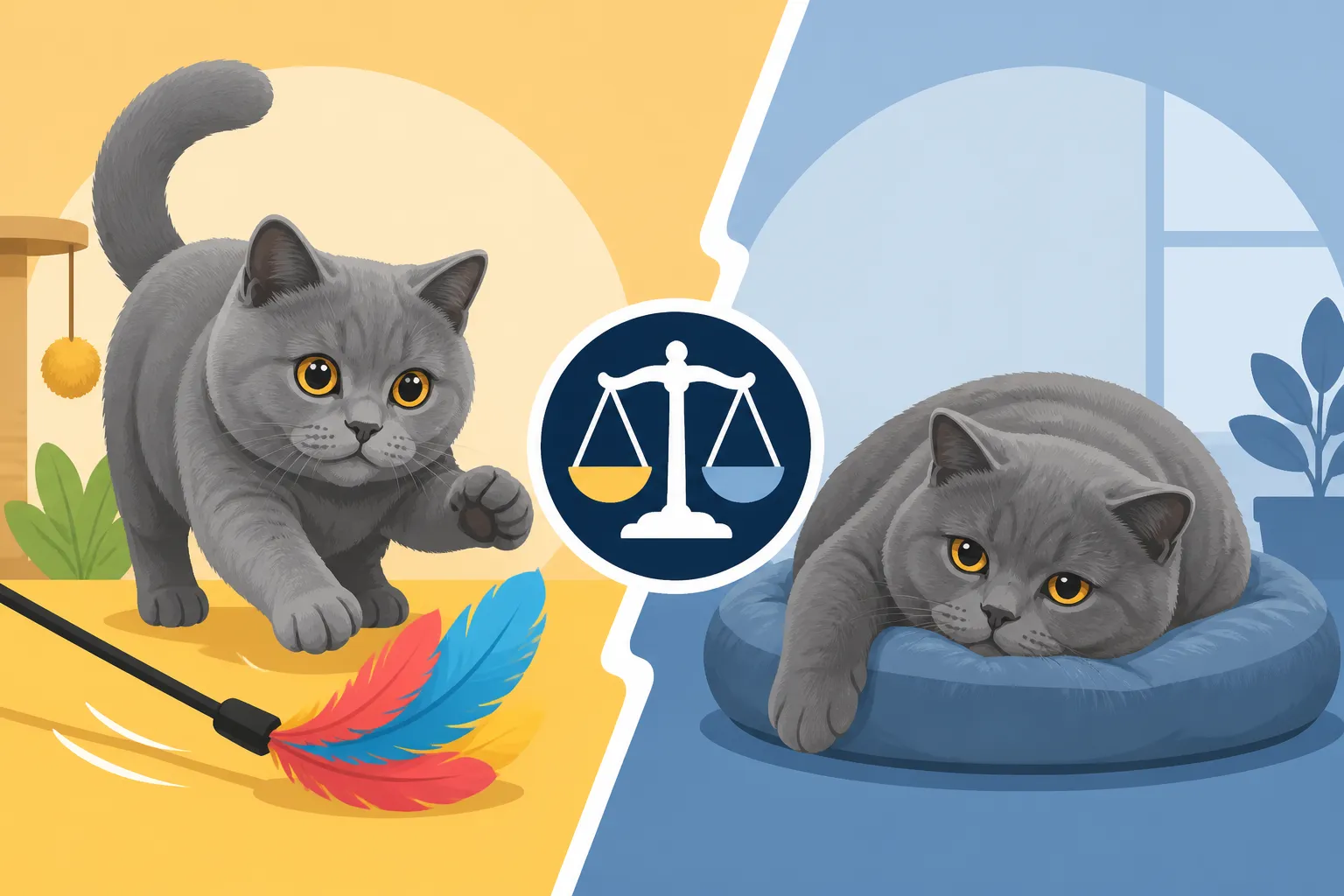
It's heartbreaking, isn't it? One day your British Shorthair is pouncing with surprising agility for their sturdy frame, and the next, they seem to view a feather wand with a look of utter disinterest. Many British Shorthair owners become deeply concerned when their beloved companion starts to slow down, wondering if this decline in play is just a normal part of aging or a sign of something more serious. This comprehensive guide aims to help you understand the nuances of an aging British Shorthair's play habits, differentiating between natural changes and potential red flags, and how you can continue to enrich their lives through tailored playtime.
The Natural Slowdown of a Senior British Shorthair
As our cherished British Shorthairs transition into their golden years, it's perfectly normal to observe a shift in their activity levels. Just like us, their bodies and minds aren't quite as spry as they once were, and their priorities often change from energetic hunting simulations to comfortable naps in sunny spots. Understanding these natural changes can help you adjust your expectations and continue to provide appropriate enrichment.
Changes in Physicality
One of the most apparent reasons an aging British Shorthair plays less is due to physical changes that naturally occur with age. Their joints might not be as supple, their muscles can lose some tone, and their overall stamina decreases. Imagine trying to sprint or jump with the same vigor you did in your twenties when you're in your sixties or seventies – it’s just not feasible, and it can even be painful. Your British Shorthair feels something similar.
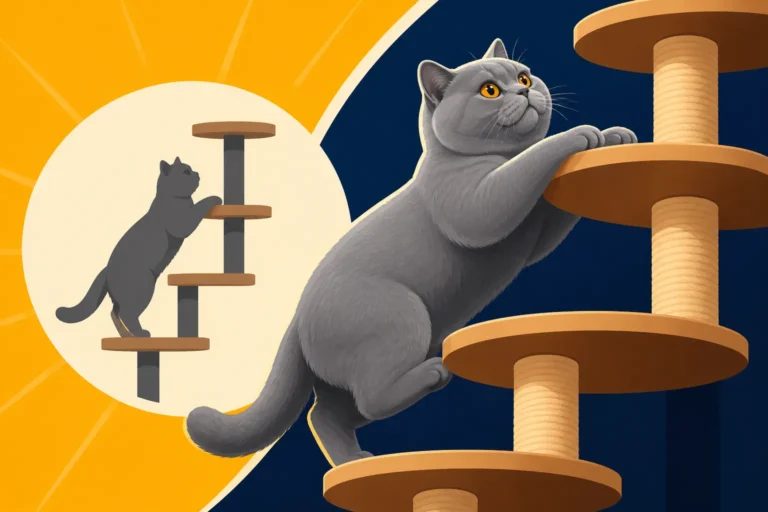
For a breed known for its robust, cobby build, these physical changes can be particularly noticeable. They might find it harder to launch themselves onto high surfaces or land gracefully. What was once an easy leap onto the sofa might now require more effort, or they might opt for a step stool instead. Even chasing a favorite toy across the room can become more of a ponderous waddle than a dashing sprint. This isn't necessarily a sign of pain in every instance, but rather a sensible adjustment to their body's capabilities. A British Shorthair will almost always choose comfort over exertion, especially as they get older. You might notice they prefer horizontal play, like batting at a toy while lying down, rather than vertical acrobatics.
Mental and Behavioral Shifts
Beyond the physical, there are often mental and behavioral shifts that contribute to a reduction in play. Older British Shorthairs, much like older people, often become creatures of comfort and routine. They might prioritize sleep and warmth over engaging in vigorous activities. Their senses, too, can start to dull slightly. Their eyesight might not be as sharp, making it harder to track fast-moving toys, or their hearing could diminish, meaning they don't respond as readily to the crinkle of a toy or your calls.
Furthermore, their personality might mellow. A younger British Shorthair might have had bursts of "zoomies" and an insatiable curiosity for every new object. An older one, however, often cultivates a dignified calm. They've seen it all, batted at it all, and now prefer to supervise from a comfortable distance. This isn't disinterest in you or their surroundings, but rather a more serene approach to life. They still enjoy interaction, but perhaps in the form of gentle petting, quiet companionship, or a slow game that requires less physical exertion. Understanding these shifts helps us appreciate their evolving needs and adapt our care. For more on their later years, consider reading What Changes in a British Shorthair After Ten.
The British Shorthair's Natural Temperament and Aging
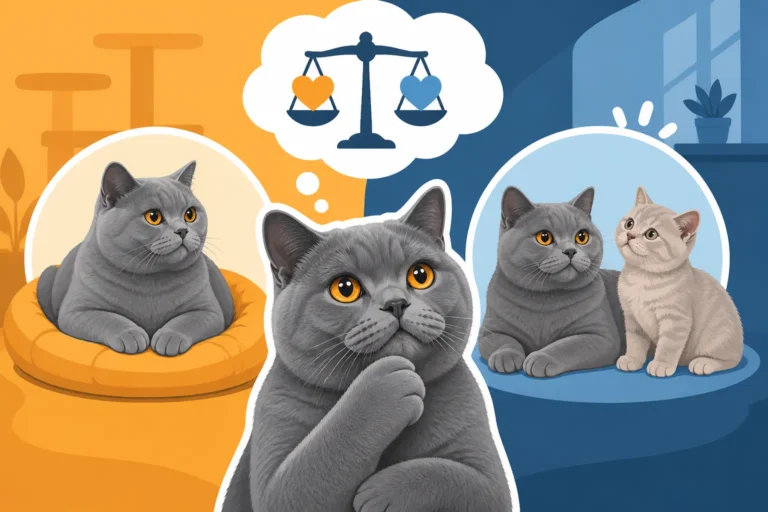
It's also worth remembering the inherent temperament of the British Shorthair breed. They are not typically known for being high-energy, constantly-on-the-go cats, even in their youth. They mature slowly, often retaining a playful "kitten-like" curiosity until they are two or three years old, but after that, they often settle into a more sedate rhythm. By the time they hit their senior years (around ten to twelve years old), this natural calmness often amplifies.
So, while any cat might play less with age, a British Shorthair's inherent preference for quiet observation and dignified lounging means their decline in energetic play might appear more pronounced or happen earlier than in a more naturally boisterous breed. They're often described as "lap cats who prefer the adjacent cushion," and as they age, that "adjacent cushion" might become even more appealing than a vigorous play session. This isn't a sign of unhappiness, but rather an embrace of their true, calm nature. They might still enjoy watching you, or even "supervising" your activities, demonstrating their continued engagement with the household, even if it's from a stationary position. You can explore The Age a British Shorthair Is Considered Senior for more insights into this life stage.
When a Decline in Play Signals More Than Just Aging
While a natural slowdown in play is expected as your British Shorthair ages, it's crucial to distinguish between typical senior mellowing and a more concerning decline that might indicate underlying health issues. Our cats are masters at hiding pain, and a sudden or extreme drop in activity can be their subtle way of telling us something is wrong.
Subtle Indicators of Discomfort
Sometimes, a British Shorthair won't overtly cry out in pain, but their reluctance to engage in play, even their beloved feather wand, can be a quiet alarm bell. Watch for subtle changes in their movement. Are they less willing to jump even a small height, like onto a favorite chair? Do they hesitate before going up or down stairs? Do they seem stiff when they first wake up, or take longer to get comfortable? These could be signs of arthritis, which is unfortunately common in older cats, especially larger breeds like the British Shorthair.
Other indicators might include a change in their grooming habits; an older cat with joint pain might find it difficult to reach certain areas, leading to a dull or matted coat, particularly on their back. They might also appear less flexible when stretching or turning their head. If you notice any of these more subtle physical cues accompanying a decrease in play, it’s definitely worth a conversation with your veterinarian. A cat's unwillingness to engage in activities they once loved can be a primary symptom of underlying discomfort. Learning How a British Shorthair Hides Pain can help you spot these signs.
Beyond the Typical Senior Slowdown
There's a difference between playing for shorter periods or with less intensity, and stopping play almost entirely. If your British Shorthair, who even at ten years old still enjoyed a daily five-minute session with a laser pointer, suddenly has no interest whatsoever for days on end, that's a red flag. A complete cessation of play, hiding more than usual, changes in appetite or thirst, inappropriate urination, or any vocalizations of discomfort (growling, hissing, crying) when touched, are all signs that warrant immediate veterinary attention.
These symptoms could point to a range of issues from dental pain to kidney disease, hyperthyroidism, or even heart conditions. For example, a cat with heart disease might become lethargic and less inclined to play because even minor exertion leaves them breathless. Signs a British Shorthair Has Heart Disease outlines what to look for. Don't dismiss a sudden, drastic change in play as "just old age"; it's always better to be safe and have your vet rule out medical causes. Early detection and intervention can significantly improve your senior cat's quality of life.
Environmental Contributors to Inactivity
Sometimes, the environment itself can contribute to an aging British Shorthair's reduced activity, making it harder for them to play even if they might have the inclination. Think about accessibility: if their favorite sunny perch requires a big jump that their arthritic joints can no longer manage, they might stop going there entirely. If their litter box has high sides that are difficult to step over, they might start avoiding it or associating pain with its use, impacting their overall mood and willingness to engage.
Consider simple modifications to make their world more accessible and enjoyable. Ramps or pet stairs can help them reach elevated spots without strain. Providing warm, soft beds in easily accessible areas can encourage rest and comfort. Ensure their food and water bowls are also at a comfortable height, so they don't have to stoop excessively, which can be uncomfortable for stiff necks or backs. A comfortable and accessible environment can significantly boost their overall well-being and, by extension, their willingness to engage in gentle play.
Encouraging Play for an Aging British Shorthair
Even if your British Shorthair is playing less, it doesn't mean playtime has to disappear entirely. Adapting your approach and choosing the right tools can keep them engaged, mentally stimulated, and even help maintain some muscle tone without putting undue strain on their aging bodies.
Adapting Playtime for Senior Cats
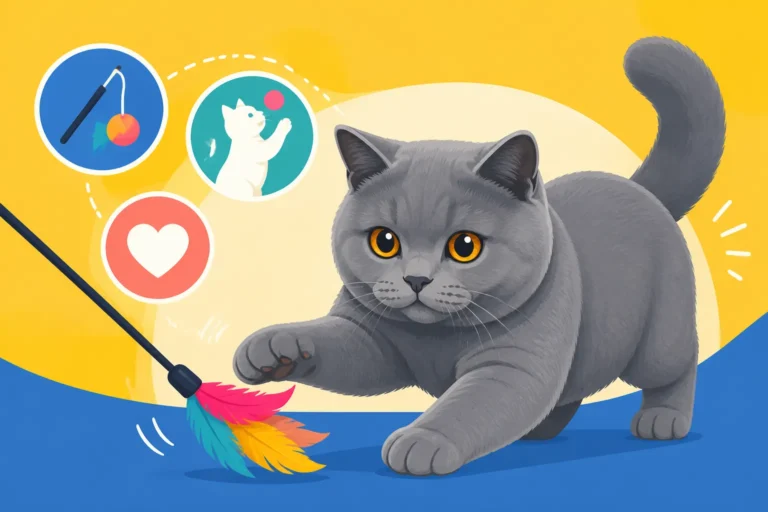
The key to engaging an older British Shorthair is to adapt. Forget the vigorous, acrobatic sessions of their youth. Think shorter, gentler, and more frequent playtimes. Instead of expecting them to chase a laser pointer up a wall, aim it slowly across the floor, allowing them to "stalk" and pounce with minimal effort. Wand toys are still fantastic, but instead of making the toy fly, drag it slowly along the ground, letting them bat at it or "capture" it with a gentle swat.
A British Shorthair, even when older, often enjoys games that appeal to their natural hunting instincts without requiring high-energy output. This could involve "hunting" a toy hidden under a blanket or engaging in a slow, deliberate "prey" pursuit. The goal isn't to make them exhausted, but to provide mental stimulation and a brief physical engagement that feels satisfying. A few minutes of gentle play, once or twice a day, can make a big difference in their mood and overall health. For more ideas, read How to Get a British Shorthair to Move.
Choosing the Right Toys
The toys you choose for an aging British Shorthair can make all the difference. Heavy, noisy, or difficult-to-grab toys might be ignored. Instead, opt for lightweight, soft toys that are easy to bat around or pick up. Feather wands with soft, natural feathers are often a hit because they mimic real prey without requiring strenuous movement. Small, soft balls that roll easily can also be engaging.
Puzzle feeders are another excellent choice for mental stimulation without intense physical activity. These require your cat to "work" for their treats or kibble, engaging their problem-solving skills. You can find many varieties on Amazon, from simple treat balls to more complex mazes. These types of toys can prevent boredom and encourage cognitive function. Remember, the goal is enrichment, not exertion. Soft, crinkly toys, or those infused with catnip, can also spark interest.
| Toy Type | Best For | Benefits for Senior British Shorthairs |
|---|---|---|
| Feather Wands | Gentle "hunting" stimulation | Mimics prey, encourages batting, low impact |
| Puzzle Feeders | Mental stimulation, slow eating | Engages problem-solving, prevents boredom, low physical demand |
| Soft Balls | Batting, gentle chasing | Easy to move, satisfies natural instincts |
| Catnip Toys | Relaxation, brief bursts of interest | Stimulates senses, provides comfort, easy interaction |
| Interactive Lasers | Slow pursuit, tracking | Engages eyes, minimal movement required, satisfying "catch" |
Creating an Engaging Environment
Beyond direct playtime, creating an engaging and senior-friendly environment is crucial. This goes back to accessibility and comfort. Provide plenty of soft, warm beds, perhaps even heated ones, in various spots around the house where your British Shorthair enjoys resting. Ensure easy access to these spots with ramps or low steps if needed. Window perches at accessible heights can provide mental stimulation as they watch the world go by.
Consider enrichment that appeals to their other senses. A cat fountain can encourage drinking, which is vital for kidney health, and the sound of running water can be soothing. Soft music or a nature channel on TV can provide gentle background stimulation. Even simply rotating their toys can keep things fresh. Remember, an aging British Shorthair might spend more time observing, so ensure their observation posts are comfortable and stimulating. A cozy bed from Amazon placed by a bird feeder outside a window can provide hours of entertainment without a single pounce. This comprehensive approach to care is essential for Caring for an Old British Shorthair.
Understanding the Difference Between Less Play and No Play At All
It’s one thing for an older British Shorthair to show a reduced interest in chasing a laser beam, but quite another for them to completely disengage from all forms of interaction or show signs of genuine distress. Knowing when to simply adapt and when to seek professional help is a vital part of caring for your senior feline.
When to Seek Veterinary Advice
If your aging British Shorthair exhibits a sudden and persistent loss of interest in all play, especially if it’s accompanied by other changes, it's time to visit the vet. These accompanying signs might include:
- Appetite changes: Significant decrease or increase.
- Weight changes: Unexplained weight loss is particularly concerning for older cats. You can learn more about this in Why Weight Loss in an Old British Shorthair Is a Warning.
- Litter box issues: Inappropriate urination or defecation.
- Hiding: Seeking isolation more than usual.
- Vocalizations: Increased meowing, growling, or signs of pain when handled.
- Grooming changes: Neglected coat, matting, or over-grooming in a specific area.
- Mobility issues: Obvious limping, difficulty walking, or reluctance to move at all.
- Behavioral shifts: Sudden aggression or withdrawal.
These could indicate anything from dental pain, kidney disease, hyperthyroidism, diabetes, or even arthritis that has progressed to a point of significant discomfort. Your vet can perform a thorough examination, including blood tests and possibly imaging, to diagnose any underlying conditions. Remember, prevention and early treatment are always better, especially for senior cats.
The Importance of Observation
You know your British Shorthair best. Daily, gentle observation is your most powerful tool in understanding their health and well-being as they age. Pay attention to their routines: when do they sleep, when do they eat, where do they prefer to rest? Any subtle deviation from these established patterns can be a clue. Does their coat look different? What an Aging British Shorthair's Coat Looks Like can offer insights. Are they drinking more or less water? Are their eyes as bright as usual?
Keep a mental note, or even a physical one, of their energy levels and how they respond to your attempts to play. If they used to swat at a wand toy with a gentle paw and now don't even lift their head, that's information. Don't underestimate the power of these seemingly small observations. They help you build a complete picture of your cat's health trajectory, which you can then share with your vet, allowing for a more accurate diagnosis and a tailored care plan.
Maintaining Quality of Life
Ultimately, the goal is to ensure your aging British Shorthair has the highest possible quality of life in their senior years, regardless of how much they choose to play. This means providing a comfortable, safe, and enriching environment, even if that enrichment looks different than it did when they were a kitten. Gentle interaction, soft bedding, easy access to all their necessities, and regular veterinary check-ups are paramount.
Even if active play diminishes, intellectual stimulation remains vital. Puzzle feeders, a new soft toy, or simply spending quiet time together can be incredibly beneficial. Think about their comfort. If they're Whether an Aging British Shorthair Gets Stiff, consider ramps or soft rugs to aid their movement. While the days of wild, energetic play might be behind them, the bond you share and the comfort you provide become even more important. Their love for you doesn't diminish with age, and neither should your commitment to their happiness and well-being.
Disclaimer
This article is for general informational purposes only and does not constitute professional advice. Laws, prices and regulations vary by location and change over time. Consult a qualified professional for guidance on your specific situation.