The Age a British Shorthair Is Considered Senior
It’s a natural part of life that our beloved feline companions will age, but pinpointing the exact moment your British Shorthair transitions into their senior years can feel like a guessing game. Many owners struggle with understanding when their cat needs a shift in care, often missing subtle cues that signal an aging body or mind. This comprehensive guide is here to demystify the senior phase for British Shorthairs, helping you recognize the signs, understand their evolving needs, and proactively adjust their care to ensure they live out their golden years with comfort, health, and happiness.
When Does a British Shorthair Officially Become a Senior?
The term "senior" for cats, much like for humans, isn't a hard-and-fast age that applies equally to every individual. While there are general guidelines, it's more about a combination of chronological age and observing the subtle physiological and behavioral shifts in your specific cat. For British Shorthairs, with their typically robust constitution and moderate lifespan, the journey into seniority often begins a bit later than some other breeds.
The General Age Markers for Feline Seniority
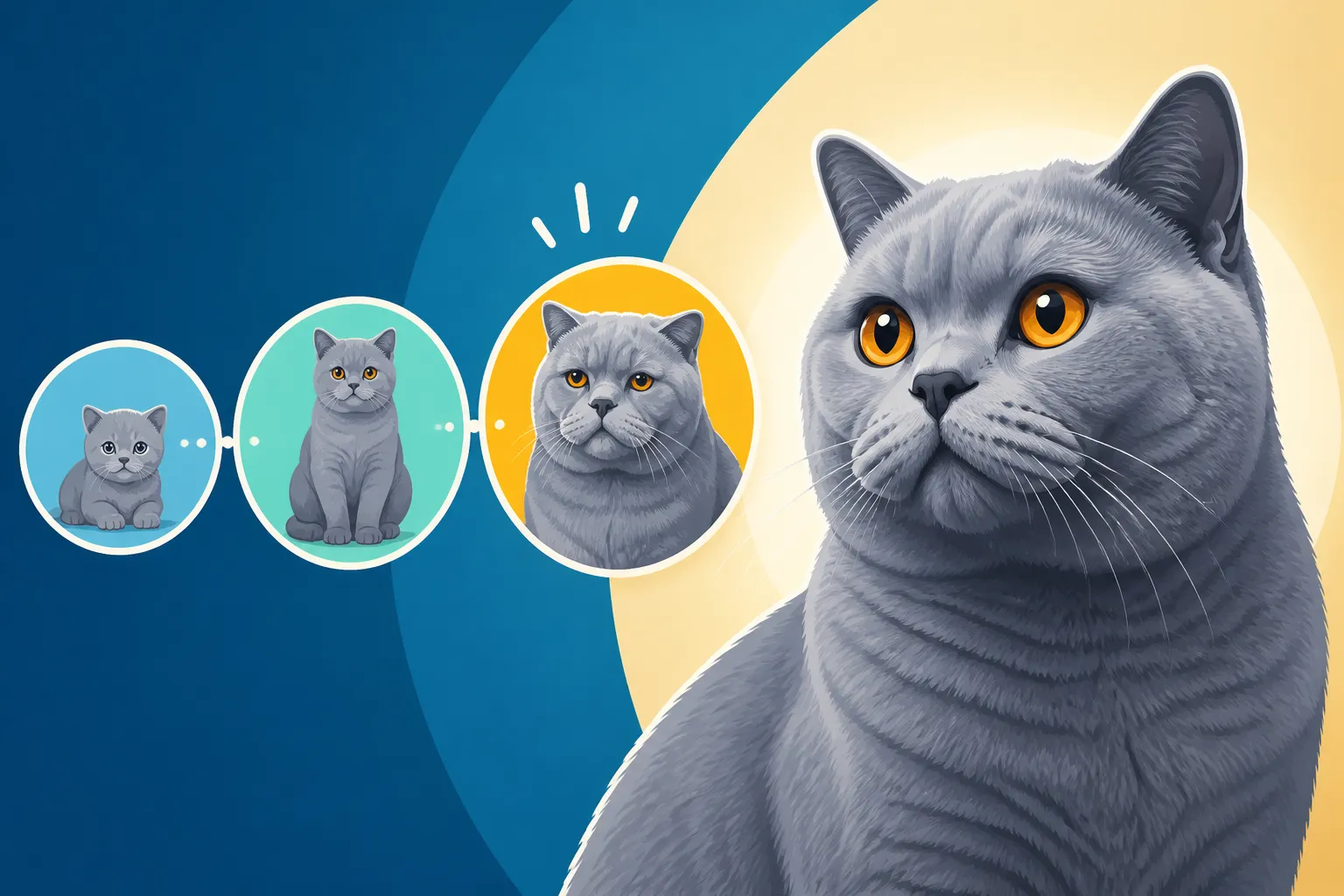
Veterinarians and cat experts generally agree on a few age brackets that define a cat's life stages, and this holds true for our charming British Shorthairs. While they may still look quite youthful due to their famously round faces and dense coats, internal changes start long before they appear "old." Most commonly, a cat is considered to be entering its "mature adult" phase around 7-10 years of age, which is the precursor to full seniority.
The true senior classification typically begins around 11 years of age. From this point until about 14 years, they are generally referred to as senior cats. Beyond 15 years, a British Shorthair is usually considered geriatric. It’s a bit like us entering our fifties or sixties; you’re still active and capable, but your body definitely isn't quite the same as it was in your thirties. British Shorthairs, known for their calm demeanor and often sturdy build, might not show obvious signs of slowing down as dramatically as more active breeds, making it even more important for owners to pay close attention.
Why Individual Variation Matters More Than a Calendar Date
While those age markers give us a helpful framework, it's absolutely crucial to remember that every British Shorthair is an individual. Just like some people are running marathons in their 70s while others are slowing down in their 50s, cats age at different rates based on genetics, lifestyle, diet, and overall health. A British Shorthair that has maintained a healthy weight throughout its life, received regular veterinary care, and had a low-stress environment might show signs of aging much later than one who has battled obesity or chronic illness.
For instance, a British Shorthair who has always been a little more active and less prone to weight gain might maintain a youthful vigor well into its early teens, whereas a more sedentary individual, prone to its breed's tendency for a heavier build, might start showing signs of arthritis or slower metabolism by 9 or 10. This is why paying close attention to your specific cat's behavior and physical condition is paramount, rather than just relying on the number on their birth certificate. You are their best advocate, and recognizing those subtle shifts is key to adapting their care proactively.
Recognizing the Subtle Physical Shifts of an Aging British Shorthair
As your British Shorthair gracefully transitions into their senior years, you'll start to notice subtle changes in their physical demeanor and daily routines. These shifts often aren't dramatic overnight transformations but rather gradual alterations that can accumulate over months or even years. Learning to identify these early indicators is crucial for providing timely support and maintaining their quality of life.
Changes in Mobility, Activity, and Sleep Patterns
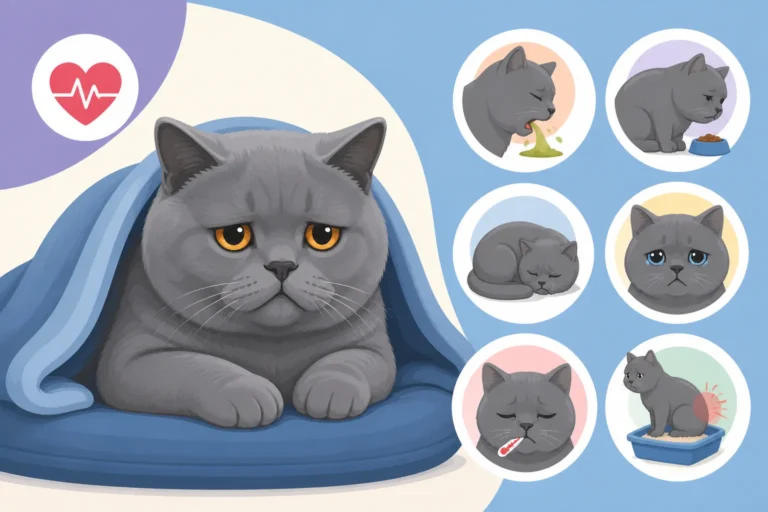
One of the most common indicators of an aging British Shorthair is a noticeable decrease in their overall activity level. Where they once might have bounded up to greet you or enjoyed a lively chase of a feather wand, you might find them less enthusiastic or slower to respond. This isn't necessarily just "laziness"—it could be a sign of underlying discomfort or stiffness. Many owners notice their cat no longer jumping onto high surfaces with ease, or perhaps taking more careful, measured steps up and down stairs. They might hesitate before a jump they once made effortlessly or even avoid jumping altogether, preferring to stay on lower surfaces. For more insight into joint health, you might find our article, Whether an Aging British Shorthair Gets Stiff, particularly helpful.
Alongside reduced activity, you'll likely observe significant changes in their sleep patterns. Senior British Shorthairs tend to sleep more frequently and for longer durations. While they've always been known for their love of naps, these naps become deeper and more prolonged. Conversely, some older cats might experience disrupted sleep at night, leading to more vocalization or restlessness, a potential sign of cognitive changes. It's also worth noting that their chosen sleeping spots might change; they may seek out warmer, softer, or more easily accessible areas, avoiding chilly floors or difficult-to-reach perches. Observing how much they sleep and where can offer valuable clues about their comfort and well-being.
How Appetite, Metabolism, and Weight Management Change
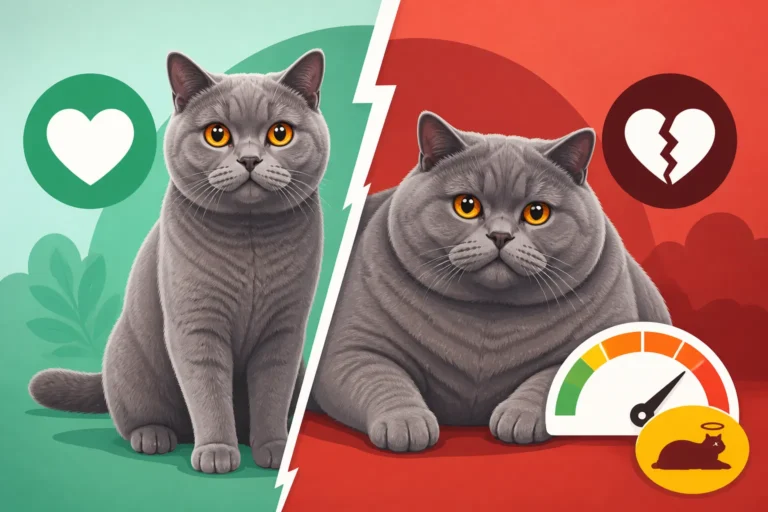
As British Shorthairs age, their metabolism often slows down, making weight management a critical concern. You might find that your cat, who once could free-feed without issue, now starts to gain weight more easily on the same amount of food. This tendency towards obesity is a real issue for the breed, and it can exacerbate other age-related conditions like arthritis. Owners might notice their cat developing a larger "pouch" or becoming generally rounder, even if their diet hasn't significantly changed. It's a frustrating situation because you want to keep them comfortable, but extra weight can seriously impact their joints and internal organs.
On the other hand, some senior British Shorthairs might actually experience weight loss or a decreased appetite. This is a significant red flag and should always warrant a veterinary visit. Weight loss in an older cat is rarely benign and can indicate various underlying health issues, from dental problems making eating painful to more serious conditions like hyperthyroidism or kidney disease. Our article, Why Weight Loss in an Old British Shorthair Is a Warning, delves deeper into this concerning symptom. Regularly weighing your British Shorthair at home, perhaps once a month, can help you catch these subtle shifts early, allowing for prompt intervention and dietary adjustments.
Observing Coat Quality and Grooming Habits
A British Shorthair's magnificent, dense coat is one of its most striking features, but it can also be an early indicator of aging. You might notice changes in the texture or luster of their fur; it might become coarser, duller, or even appear slightly matted in areas they can no longer reach easily. As cats age, their flexibility decreases, and conditions like arthritis can make it painful or difficult for them to twist and turn to groom their backs, hindquarters, or even their faces adequately.
This decline in self-grooming can lead to a less kempt appearance, with loose fur building up and creating mats, especially in the denser parts of their coat. You might also notice an increase in dandruff or skin flakes as their skin becomes drier or less healthy. These changes are not just cosmetic; they can lead to skin infections if mats are left unattended. It's a clear signal that your senior British Shorthair needs more assistance with their grooming routine, perhaps with more frequent combing sessions and gentle brushing. For more details on this, take a look at our article, Why an Old British Shorthair Looks Unkempt.
Health Concerns That Become More Prevalent in Senior British Shorthairs
As our cherished British Shorthairs mature, their bodies, much like our own, become more susceptible to certain health conditions. Being aware of these common ailments, their signs, and the critical role of veterinary care is paramount to ensuring their comfort and well-being throughout their senior years. Proactive monitoring and timely intervention can make a significant difference in managing these conditions effectively.
Common Health Conditions and Their Early Warning Signs
Senior British Shorthairs are particularly prone to several health issues that can subtly impact their quality of life. One of the most widespread is arthritis, which causes stiffness and pain in their joints, making movement difficult. Signs include reluctance to jump, difficulty with stairs, a stiffer gait, or even a change in their preferred sleeping spots. Another significant concern, especially for this breed known for its love of food, is obesity, which can lead to or worsen conditions like diabetes. Our guide on Obesity Is the British Shorthair's Real Disease offers extensive information on this topic. Watch for increased thirst and urination, and unexplained weight loss alongside a good appetite as potential diabetes indicators.
Kidney disease is another common silent threat in older cats. Early signs can be incredibly subtle, often involving increased thirst, more frequent urination, and sometimes a decrease in appetite or weight loss. Hyperthyroidism, where the thyroid gland produces too much hormone, is also common in senior cats, leading to symptoms like ravenous hunger despite weight loss, hyperactivity, and a greasy coat. Additionally, dental disease, ranging from gingivitis to painful tooth resorption, can become severe, impacting their ability to eat and causing systemic health problems. Any changes in your British Shorthair's eating habits or bad breath should prompt a dental check-up. Understanding these potential challenges allows you to be more vigilant.
The Essential Role of Regular Veterinary Check-ups
When your British Shorthair enters its senior years, those annual vet visits become even more critical. In fact, many veterinarians recommend bi-annual (twice-yearly) check-ups for senior cats, even if they seem perfectly healthy. Why? Because cats are masters at hiding pain and illness, and many age-related conditions can progress significantly between annual visits. These more frequent appointments allow your vet to catch subtle changes that might indicate the very early stages of a condition, often before you even notice outward symptoms.
During these visits, your vet will perform a thorough physical examination, paying close attention to their weight, muscle mass, joint mobility, teeth, eyes, and ears. They will likely recommend routine bloodwork and urine analysis, which can detect issues like kidney disease, hyperthyroidism, and diabetes before they become advanced. For a comprehensive overview of what to expect, refer to our article, What a British Shorthair's Yearly Bloodwork Should Cover. Early detection means earlier intervention, which can significantly improve outcomes and allow for more effective management of chronic conditions, leading to a much better quality of life for your aging feline friend.
Proactive Nutrition and Dietary Adjustments
Diet plays an increasingly vital role in supporting the health of a senior British Shorthair. As their metabolism slows and their activity decreases, their caloric needs typically drop. Continuing to feed them the same amount of food they ate as a younger adult can quickly lead to unwanted weight gain, exacerbating joint issues and increasing the risk of diabetes. Conversely, some older cats may need a diet that is more easily digestible or higher in certain nutrients if they are losing weight or have specific health conditions.
Transitioning to a high-quality senior cat food formula is often recommended. These diets are typically formulated with lower calorie counts, increased fiber to support digestion, and added joint-supporting supplements like glucosamine and chondroitin. Wet food can be particularly beneficial for senior cats as it provides extra hydration, which is crucial for kidney health, and can be easier to chew for those with dental problems. Always make dietary changes gradually to avoid digestive upset, and consult with your veterinarian for personalized recommendations based on your British Shorthair's specific health needs and body condition score. This proactive approach to nutrition is a cornerstone of effective senior cat care.
Adapting Your Home Environment for Your Senior British Shorthair's Comfort
As your British Shorthair gracefully enters their golden years, you'll find that their needs shift, often requiring a few adjustments around the house to keep them comfortable, safe, and happy. Their days of effortless leaps might be behind them, but with a little thoughtful planning, you can ensure their home remains their sanctuary.
Creating Accessible and Comfortable Living Spaces
One of the biggest challenges for aging British Shorthairs is maintaining their mobility. Arthritis or general stiffness can make jumping onto favorite window perches, beds, or even into high-sided litter boxes difficult and painful. It's incredibly disheartening to watch your once agile cat struggle, and the good news is, there are easy solutions. Consider providing ramps or sturdy pet steps to help them access elevated spots they still enjoy. Think about their favorite napping areas – perhaps a soft, orthopedic bed placed on the floor, or a low-to-the-ground cat tree with easily accessible platforms.
Litter box accessibility is also paramount. A high-sided litter box that was fine for a younger, spry cat might become an insurmountable barrier for a senior. Look for litter boxes with lower entry points or consider cutting a small entrance into one side of an existing box. You might even need to place extra litter boxes in more convenient locations around the house, especially if your senior cat has reduced bladder control or struggles to move quickly. Ensure their food and water bowls are easily reachable and consider elevated bowls if they have neck or joint pain, as bending down can become uncomfortable. These small but significant changes can prevent unnecessary strain and accidents, making a huge difference in their daily comfort.
Keeping Their Minds Engaged and Stimulated
While physical activity might decrease, mental stimulation remains incredibly important for senior British Shorthairs. Keeping their minds active can help stave off cognitive decline and prevent boredom, which can sometimes manifest as anxiety or destructive behaviors. Don't assume your older cat no longer wants to play; they might just need a different kind of engagement. Short, gentle play sessions that don't require high jumps or prolonged exertion can still be very enjoyable. Think about dangling toys they can bat from a comfortable position or soft balls they can gently chase.
Puzzle feeders are an excellent way to engage their minds and slow down eating, which can also help with weight management. Hiding treats around the house, especially in easily accessible spots, encourages gentle exploration and engages their natural hunting instincts. Providing window perches where they can safely observe the outside world, or even having bird feeders outside those windows, can offer hours of passive entertainment. Regular interaction with you, gentle petting, and even simple conversations are also forms of mental and emotional enrichment. The goal is to keep their world interesting and predictable, without overwhelming them with too much novelty or demanding physical feats.
Emotional and Behavioral Changes in Older British Shorthairs
Aging affects not just the body but also the mind and spirit of our beloved British Shorthairs. You might notice shifts in their personality or how they interact with you and their environment. These changes are often natural parts of the aging process, but understanding them helps you respond with patience and empathy.
Increased Affection or Solitude
It's common for older British Shorthairs to exhibit changes in their social behavior. Some cats become much more affectionate in their senior years, seeking out more cuddles, lap time, or simply wanting to be in the same room as you more often. This can be a sign of increased reliance on their human companions for comfort and security as their senses might dull, or their physical capabilities decline. They might seek reassurance more frequently, especially during loud noises or changes in routine. It’s their way of staying connected and feeling safe.
Conversely, other senior British Shorthairs might become more withdrawn or prefer solitude. They might retreat to quiet, secluded spots more often and seem less interested in interaction. This could be due to discomfort, pain, or even a decrease in their hearing or vision, making social interactions more challenging or overwhelming. It's vital to respect their need for personal space while still ensuring they receive attention and monitoring. Always rule out underlying medical conditions if a sudden change in affection or withdrawal occurs, as this can often be a subtle sign that they're unwell. For more on their social habits, check out How Affectionate a British Shorthair Is.
Handling Cognitive Decline (Feline Dementia)
Just like humans, cats can experience cognitive decline, often referred to as feline dementia or Feline Cognitive Dysfunction Syndrome (FCDS). This condition can manifest in a variety of ways, making daily life confusing and challenging for your aging British Shorthair. Common signs include disorientation (e.g., getting "lost" in familiar rooms, staring blankly at walls), changes in social interaction (either increased neediness or withdrawal), altered sleep-wake cycles (e.g., being restless at night, sleeping more during the day), and changes in house-soiling habits (e.g., urinating or defecating outside the litter box).
Dealing with FCDS can be frustrating and heartbreaking for owners, but patience and a structured environment can help. Maintain a consistent routine for feeding, playtime, and sleep. Avoid rearranging furniture and keep their essential resources (food, water, litter box) easily accessible in consistent locations. Gentle, predictable interactions are best, and providing comforting, soft beds in quiet areas can help reduce anxiety. Your vet might also suggest dietary supplements, prescription diets, or medications that can help manage some of the symptoms and improve their quality of life. Understanding that these behaviors are not intentional but rather a result of a medical condition helps you approach their care with compassion.
Proactive Care for a Longer, Happier Senior Life
The journey through your British Shorthair's senior years can be incredibly rewarding, filled with quiet companionship and deep affection. The key to a long and happy golden age lies in proactive care, focusing on preventing issues before they become serious and maintaining a high quality of life.
The Importance of Early Intervention and Preventive Care
The best way to ensure your British Shorthair enjoys a comfortable and prolonged senior life is through vigilance and early intervention. Those twice-yearly vet visits for senior cats aren't just for diagnosis; they're your primary tool for preventive care. Regular physical exams, combined with routine blood work, urinalysis, and sometimes blood pressure checks, allow your veterinarian to establish baseline health parameters and detect the subtle markers of disease processes long before clinical signs appear. This proactive approach can lead to much better outcomes for conditions like kidney disease, hyperthyroidism, and diabetes, often allowing for management with diet or medication rather than more aggressive treatments down the line.
Beyond the vet's office, you play a crucial role at home. Daily observation of your cat's eating habits, water intake, litter box usage, activity levels, and overall demeanor can provide invaluable early warnings. Don't dismiss subtle changes as "just old age." A sudden increase in thirst or urination, a persistent cough, unexplained weight loss, or difficulty eating could all be signs of treatable conditions. Early detection and treatment can significantly slow the progression of chronic diseases, alleviate discomfort, and extend your British Shorthair's healthy lifespan. Our article, Caring for a British Shorthair Past Ten, offers even more detailed advice on this important stage of their lives.
Financial Planning and Insurance for Senior Pet Care
Let's be realistic: caring for a senior cat, especially one with a chronic health condition, can become costly. The increased frequency of vet visits, diagnostic tests, potential medications, and specialized diets can add up quickly. It's a sad truth that financial constraints sometimes force difficult decisions for pet owners, and we all want to avoid that. Therefore, it’s wise to start thinking about the potential financial implications as your British Shorthair approaches their senior years.
Pet insurance can be a real lifesaver here, especially if you enroll your cat before age-related conditions manifest. While most policies won't cover pre-existing conditions, having insurance like a plan from Healthy Paws in place before a diagnosis of arthritis or early kidney disease can significantly reduce your out-of-pocket expenses for ongoing treatments, medications, and emergency care. Some pet owners opt to set aside a dedicated savings fund for their senior pet's care. Having a financial plan in place provides immense peace of mind, allowing you to focus on your cat's well-being rather than worrying about the veterinary bills. It ensures you can provide the best possible care without added stress. For those without insurance, organizations like The Pet Fund or RedRover can sometimes offer assistance for emergency veterinary care.
Disclaimer
This article is intended for informational purposes only and does not constitute veterinary advice. Always consult with a qualified veterinarian for any health concerns or before making any decisions about your British Shorthair's medical care or diet.