Whether an Aging British Shorthair Gets Stiff
It's heartbreaking to watch our beloved British Shorthairs get older. One day they're bouncing around, albeit with their characteristic laid-back charm, and the next you might notice a hesitation, a little stiffness as they rise, or a reluctance to jump onto their favorite perch. This guide is here to walk you through whether an aging British Shorthair truly gets stiff, why it happens, how to spot the subtle signs, and what we can do to keep our chunky, purring companions as comfortable as possible as they gracefully age.
Understanding Stiffness in Aging British Shorthairs
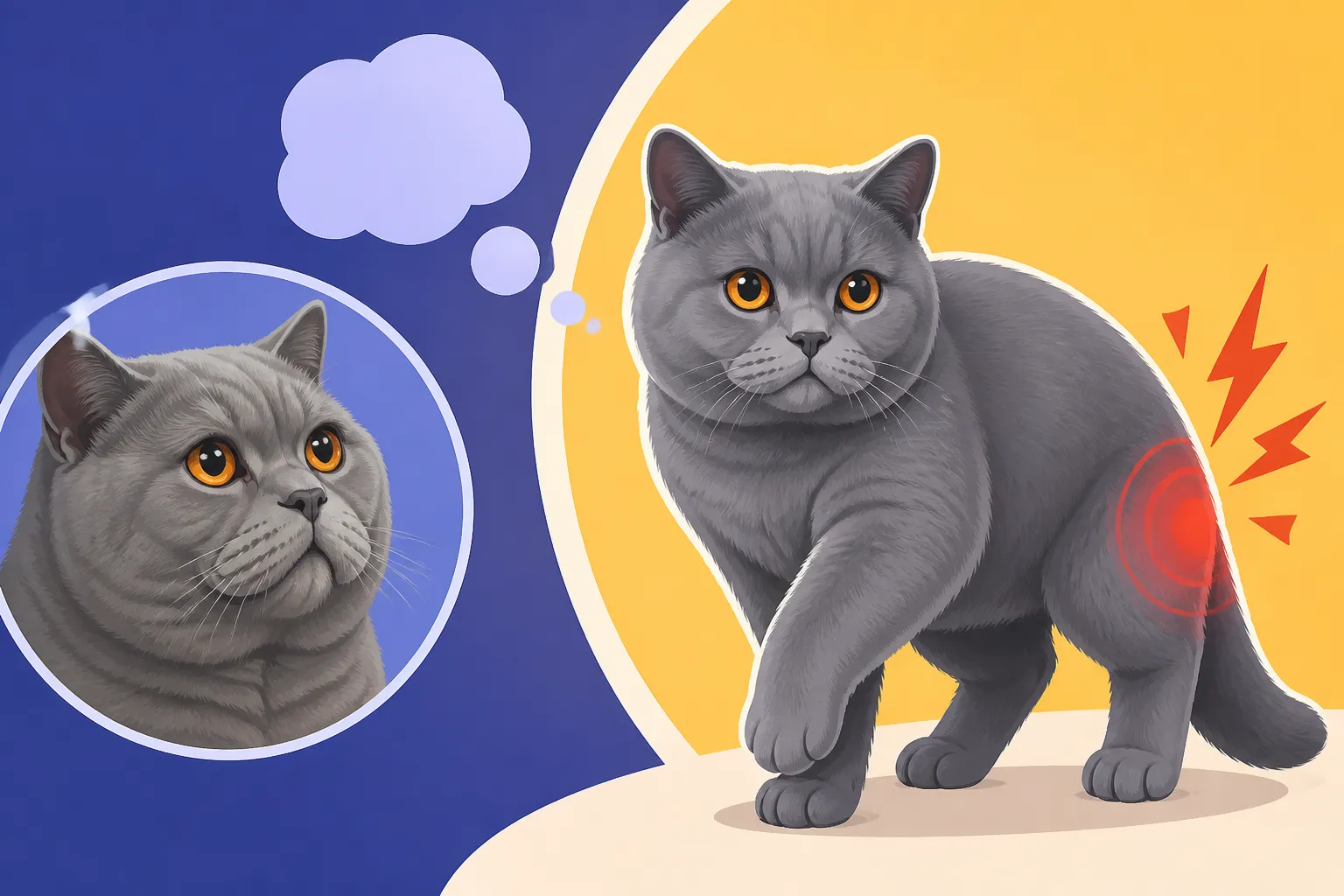
That undeniable stiffness you might observe in your senior British Shorthair isn't just your imagination, and it's certainly not something to ignore. Just like us humans, our feline friends experience changes in their bodies as they age, and their joints are often one of the first places to show it. For a breed like the British Shorthair, known for its robust build and often less-than-athletic tendencies, these age-related joint issues can sometimes be even more pronounced or, at least, harder to spot until they're quite advanced.
The Natural Process of Aging Joints
Over the years, the smooth cartilage that cushions the ends of bones within a joint can start to wear down. Imagine it like the treads on a tire – after many miles, they just aren't as thick or resilient as they used to be. This natural degradation means less shock absorption, and bones can start to rub against each other, leading to inflammation and pain. This process, often broadly termed "arthritis" or osteoarthritis, is a common culprit behind stiffness in older cats. It's a slow, progressive condition, which is why the changes can be so subtle at first. Our British Shorthairs are masters of disguise, often hiding their discomfort until it becomes unbearable, making it even harder for us to intervene early. Understanding this baseline of natural joint wear and tear is the first step in being a proactive pet parent to your aging companion.
Why British Shorthairs Might Be More Prone
While all cats can develop stiffness and arthritis as they age, certain breeds, including the British Shorthair, might have characteristics that predispose them to it or make the symptoms more noticeable. Their cobby, sturdy build, while adorable, means they carry a good amount of weight on relatively short, strong legs. This puts additional stress on their joints, especially the hips, knees, and elbows, over a lifetime. Furthermore, their famously calm and often sedentary nature means they might not be as active as some other breeds, which can contribute to muscle loss around the joints and, if combined with overeating, to obesity. Obesity Is the British Shorthair's Real Disease is a read many British Shorthair owners might find illuminating when thinking about preventative care for their cats. The combination of their body type and lifestyle can create a perfect storm for joint stiffness to set in as they enter their golden years.
Common Causes of Stiffness in Senior British Shorthairs
When we talk about an aging British Shorthair getting stiff, we're usually looking at a few key culprits that contribute to joint discomfort and reduced mobility. It's rarely just one thing, but often a combination that slowly adds up over the years. Knowing what to look for can help you advocate for your cat at the vet.
Arthritis and Degenerative Joint Disease
The most prevalent cause of stiffness in senior cats is undoubtedly arthritis, or more specifically, degenerative joint disease (DJD). This isn't an overnight affliction; it's a gradual breakdown of the cartilage within the joints. Over time, this cushion wears thin, leading to pain, inflammation, and reduced range of motion. Think of it like a rusty hinge – it doesn't move as smoothly as it once did. For a British Shorthair, whose comfortable slumber often masks their activity levels, you might first notice they're taking a bit longer to settle into a standing position, or perhaps they're not quite making that jump onto the kitchen counter with the same effortless grace they once did. This silent progression is why regular vet check-ups, especially as your cat reaches The Age a British Shorthair Is Considered Senior, are so crucial. Early detection can lead to interventions that significantly improve their quality of life.
The Impact of Weight on Joints
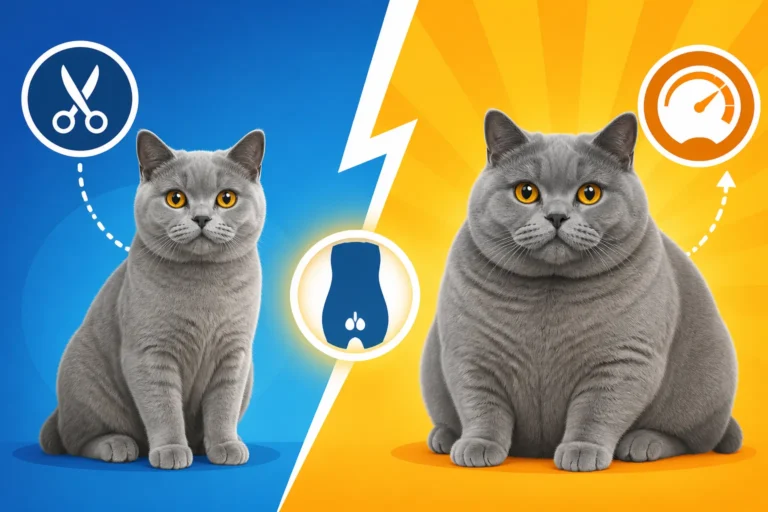
It's no secret that British Shorthairs have a tendency towards chubbiness. Their round faces and plush coats can sometimes make it difficult to tell if they're just "cobby" or genuinely overweight. Unfortunately, excess weight places immense strain on their joints, accelerating the development and progression of arthritis. Every extra pound your British Shorthair carries is additional stress on their hips, knees, and spine. This constant pressure exacerbates cartilage wear, increases inflammation, and directly contributes to stiffness and pain. It's a vicious cycle: pain makes them less willing to move, which leads to more weight gain, which then causes more pain. Understanding What Obesity Does to a British Shorthair's Joints is fundamental to preventing and managing stiffness. Maintaining a healthy weight is one of the single most impactful things you can do to support your British Shorthair's joint health throughout their life.
Other Contributing Factors
While arthritis and obesity are the big players, other factors can also contribute to an aging British Shorthair's stiffness:
- Muscle Loss (Sarcopenia): As cats age, they naturally lose muscle mass. Strong muscles help support joints, so weakening muscles mean less support and more strain on the joint itself. This can make movement feel less stable and more effortful, leading to perceived stiffness.
- Previous Injuries: An old injury, even one that seemed to heal perfectly, can predispose a joint to arthritis later in life. A slight limp from years ago might manifest as chronic stiffness in old age.
- Genetic Predisposition: While not as commonly highlighted for joint issues as for other conditions like HCM or PKD, some cats may have a genetic predisposition to weaker joints or earlier onset of arthritis.
- Hydration and Nutrition: Proper hydration and a balanced diet are crucial for overall health, including joint health. Dehydration can affect cartilage elasticity, and deficiencies in certain nutrients can hinder joint repair.
It's a complex picture, but these factors highlight the importance of a holistic approach to caring for your aging British Shorthair.
Recognizing the Subtle Signs of Stiffness
British Shorthairs are notoriously stoic creatures. They have a remarkable ability to hide pain, a survival instinct that makes identifying discomfort a real challenge for us owners. This means we have to become detectives, looking for very subtle changes in their behavior and habits. The familiar signs of pain you might see in a dog, like yelping or obvious limping, are rarely displayed by a British Shorthair, especially not in the early stages of stiffness.
Behavioral Changes to Watch For
Since overt signs are rare, paying close attention to slight shifts in daily routine and attitude is key. Your British Shorthair might not cry out, but they will communicate their discomfort in other ways:
- Reluctance to Jump or Climb: This is one of the most common early indicators. Instead of leaping onto the sofa or windowsill, they might hesitate, look for an easier route (like a chair), or stop jumping altogether. You might see them 'bunny hopping' up stairs or struggling with distances they once cleared easily. They might also descend stairs more slowly or carefully.
- Changes in Grooming Habits: A cat with stiff joints might find it painful to twist and reach certain parts of their body, especially their back or tail base. You might notice their coat becoming unkempt or matted in these areas. For a British Shorthair, whose plush coat already requires some maintenance, this can become quite noticeable. If you see Why an Overweight British Shorthair Cannot Groom Its Back, this is an even stronger indicator, as obesity compounds the issue.
- Increased Sleeping or Resting: While British Shorthairs are already masters of napping, an increase in sleep, or choosing less accessible resting spots (e.g., lower to the ground instead of a high cat tree), can signal discomfort. They might also struggle to get comfortable, shifting positions frequently.
- Changes in Litter Box Habits: Getting in and out of a high-sided litter box can become painful. Your cat might start to eliminate outside the box if it's too difficult to enter, or they might squat differently when inside. This is a common sign that requires investigation, as it could also point to urinary issues.
- Altered Temperament: A cat in pain can become more irritable, less tolerant of handling, or may withdraw from interaction. Conversely, some may seek more reassurance. Any shift in their typical affectionate (or aloof) behavior should be noted.
- Stiffness After Rest: Observe your British Shorthair after they've been sleeping for a while. Do they take a moment to 'warm up' before walking smoothly? This morning stiffness, or stiffness after a long nap, is a classic sign of arthritis.
Physical Indicators and How to Spot Them
Beyond behavior, there are subtle physical clues that your British Shorthair might be experiencing stiffness. Remember, these are often very slight and require a keen eye.
- Reduced Mobility or Range of Motion: Try to gently observe how your cat moves. Do they stretch less? Is their stride shorter? Do they struggle to bend their back or reach for a toy?
- Muscle Atrophy: If a limb is painful, your cat might use it less, leading to muscle wastage. You might notice a thinner look to the leg muscles compared to the other side or to how they used to be. This is subtle, but if you gently feel their hindquarters, you might detect a difference.
- Pain on Palpation: This is best left to your veterinarian, but if you notice your cat flinches, pulls away, or shows any sign of discomfort when you gently touch or stroke certain areas (especially hips, spine, or knees), it could indicate pain. Never force interaction if your cat is clearly uncomfortable.
- Difficulty with Certain Postures: Does your British Shorthair struggle to assume a loaf position, or do they sit with their legs splayed out rather than tucked neatly? This could be due to joint discomfort.
The table below summarizes these key signs to help you monitor your British Shorthair as they age.
| Category | Subtle Signs of Stiffness to Watch For | What It Might Mean |
|---|---|---|
| Movement & Activity | Hesitates before jumping, uses furniture as steps, avoids high places, walks stiffly after rest. | Joint pain, reduced flexibility, difficulty with impact. |
| Grooming Habits | Unkempt or matted fur on back/tail base, less thorough grooming, increased shedding in certain areas. | Pain when twisting or reaching, making self-grooming difficult. |
| Rest & Sleep | Increased sleeping, chooses lower sleeping spots, restless sleep, frequent position changes. | Seeking comfort, avoiding painful movement, discomfort when lying down. |
| Litter Box Use | Eliminating outside the box, difficulty getting in/out, altered squatting posture. | Pain with high edges, discomfort when squatting, potentially linked to urinary issues exacerbated by inactivity. |
| Temperament | More irritable, less tolerant of petting, withdrawal, increased clinginess, reluctance to play. | Pain makes them sensitive to touch, less interested in activities that cause discomfort. |
| Physical Appearance | Muscle loss in hindquarters, uneven gait, changes in posture when sitting or standing. | Decreased use of painful limbs, compensation for discomfort. |
Remember, How a British Shorthair Hides Pain means we need to be extra vigilant and trust our instincts when we feel something is "off."
Managing Stiffness and Improving Comfort for Your Aging British Shorthair
Discovering your beloved British Shorthair is dealing with stiffness can be worrying, but the good news is there's a lot we can do to manage their comfort and improve their quality of life. It’s about a multi-pronged approach that often combines veterinary care with thoughtful home modifications and ongoing supportive care.
Veterinary Diagnosis and Treatment Options
The very first step if you suspect your British Shorthair is stiff is a trip to the veterinarian. They can accurately diagnose the cause of the stiffness and rule out other conditions that might present similarly, such as neurological issues or injuries. Your vet will perform a thorough physical examination, observing your cat’s gait and palpating their joints. They might recommend X-rays to assess the degree of joint degeneration.
Once a diagnosis of arthritis or degenerative joint disease is confirmed, your vet can discuss various treatment options. These often include:
- Pain Management Medication: Non-steroidal anti-inflammatory drugs (NSAIDs) are commonly prescribed to reduce pain and inflammation. There are cat-specific formulations that are safe and effective when used under veterinary guidance. Other pain medications might also be used in conjunction with NSAIDs, depending on the severity of the pain.
- Joint Supplements: Supplements containing glucosamine, chondroitin, and omega-3 fatty acids can help support cartilage health and reduce inflammation. While not a cure, they can be a beneficial addition to a comprehensive treatment plan. Always discuss supplements with your vet before starting them, as not all products are created equal. You might wonder What a British Shorthair's Joint Supplement Costs to get an idea of the ongoing commitment.
- Alternative Therapies: Some vets may offer or recommend therapies like acupuncture, laser therapy, or therapeutic massage, which can provide additional pain relief and improve mobility for some cats.
- Weight Management Program: If your British Shorthair is overweight, your vet will undoubtedly emphasize the importance of a weight loss plan. This is often the most critical intervention for reducing joint strain. They can help you determine How Many Calories a British Shorthair Needs and recommend an appropriate diet.
Regular follow-up appointments with your vet are essential to monitor your cat’s response to treatment and adjust the plan as needed.
Creating a Joint-Friendly Home Environment
Making simple adjustments around your home can significantly improve your British Shorthair's comfort and mobility, making their daily life much easier:
- Ramps and Steps: Provide ramps or pet steps to help your cat access elevated surfaces like sofas, beds, or favorite window perches without painful jumping. Even a sturdy stool can make a big difference for them. Consider When an Aging British Shorthair Needs a Ramp to anticipate their needs.
- Easy-Access Litter Boxes: Switch to litter boxes with lower sides, making it easier for them to step in and out without having to lift their legs high.
- Comfortable Bedding: Ensure your cat has soft, orthopedic beds that support their joints. Place these beds in easily accessible, warm, draft-free spots where they feel safe and secure.
- Non-Slip Surfaces: If you have slippery floors, consider placing rugs or yoga mats in high-traffic areas to provide better traction and prevent falls.
- Food and Water Bowls: Raise food and water bowls to a comfortable height so your British Shorthair doesn't have to bend down too far, which can strain their neck and spine.
These small changes can help your cat maintain their independence and enjoyment of their favorite spots around the house, which is a big part of Caring for a British Shorthair Past Ten.
Exercise, Diet, and Ongoing Care
Beyond veterinary treatments and home modifications, daily care plays a vital role in managing stiffness:
- Gentle Exercise: While painful, complete inactivity is also detrimental. Encourage gentle, low-impact play that doesn't involve high jumps or strenuous activity. Short, supervised play sessions with a feather wand or laser pointer (if they respond well) can help maintain muscle tone and flexibility. Remember, Getting a Low Energy British Shorthair to Move requires patience and consistency.
- Balanced Diet: Continue feeding a high-quality, vet-approved diet that supports their overall health and ideal weight. If your cat is on a weight management plan, stick to it diligently.
- Regular Grooming: Help your cat with grooming, especially in hard-to-reach areas, if they are struggling. Gentle combing can prevent mats and keep their coat healthy.
- Massage and Warm Compresses: Gently massaging stiff areas (if your cat tolerates it) or applying a warm, damp compress for a few minutes can increase blood flow and provide temporary relief from muscle soreness.
- Stay Informed: Keep an open dialogue with your vet about your British Shorthair’s progress and any new concerns. Learning about pet insurance options, like those from Healthy Paws, early on can also help cover potential costs associated with long-term care for chronic conditions like arthritis, providing peace of mind as your cat ages. Knowing that you have support for potential vet bills, including diagnostic tests and medications for joint issues, can make a huge difference in being able to afford the best care for your beloved companion.
Watching your British Shorthair age and experience stiffness can be tough, but with awareness, proactive care, and a loving home environment, you can significantly enhance their comfort and ensure their golden years are as happy and pain-free as possible. It's a journey we take with them, making every effort to support their well-being.
Disclaimer
This article is for general informational purposes only and does not constitute professional advice. Laws, prices and regulations vary by location and change over time. Consult a qualified professional for guidance on your specific situation.