Why an Overweight British Shorthair Cannot Groom Its Back
It’s truly disheartening to see your normally fastidious British Shorthair struggling with something as fundamental as keeping themselves clean. If your beloved chunky companion has reached an age or a weight where they just can’t quite twist and turn to reach their own back, you’re definitely not alone in this observation. This guide is here to shed light on the specific, often frustrating, reasons why an overweight British Shorthair loses the ability to groom their back and, more importantly, what you can do to help them reclaim their natural self-care.
The Physical Limitations of an Overweight British Shorthair
The British Shorthair is a magnificent breed known for its robust, substantial build – often described as "cobby" or "stocky." This inherent physique, combined with their famously dense, plush coat, gives them that endearing teddy bear appearance. However, when extra weight enters the picture, this unique body type becomes a significant hindrance to essential grooming tasks, particularly reaching their back.
The "Cobby" Build Exacerbated by Extra Weight
Imagine trying to bend and twist when you're already built like a sturdy, compact barrel. That's essentially what an overweight British Shorthair faces. Their natural "cobby" body shape means they have a broad chest, a level back, and short, strong legs. This build is designed for stability and strength, not for gymnastic flexibility. When you add layers of extra fat, this inherent rigidity becomes even more pronounced. The fat deposits accumulate not just visibly around the belly, but also internally, surrounding organs and thickening the body wall, further reducing the space and mobility needed for agile movements.
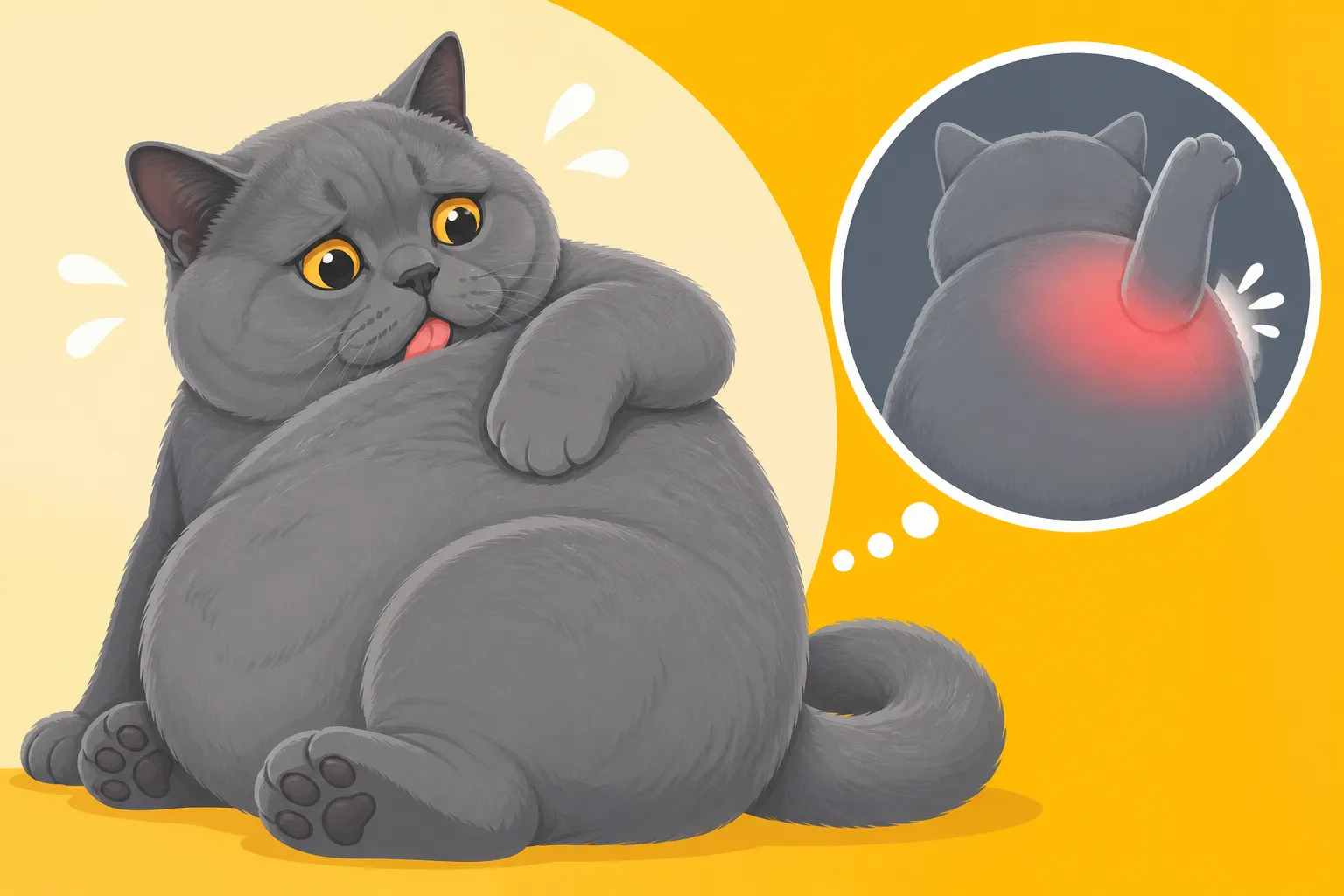
This added girth makes it incredibly difficult for them to curl their spine, rotate their torso, or lift their legs high enough to reach their entire back, especially the area from their shoulders down to the base of their tail. Their powerful, short legs, which are so perfect for that grounded, confident stance, simply aren't equipped for the acrobatic contortions necessary to lick away loose fur or clean their skin when their body is carrying too much weight. It’s like asking a sturdy weightlifter to perform ballet; their body isn't designed for that level of flexibility, and excess weight only compounds the problem.
Reduced Flexibility and Joint Strain
Beyond just the sheer bulk, being overweight puts immense strain on your British Shorthair's joints and ligaments. Just like in humans, excess weight means more wear and tear on the hips, knees, and spine. Fat isn't just inert tissue; it can also be metabolically active, releasing inflammatory compounds that can exacerbate joint pain and stiffness. This can lead to or worsen conditions like arthritis, which unfortunately becomes more common in overweight and senior cats. You can learn more about Arthritis in an Older British Shorthair if this is a concern.
When your cat tries to twist and turn to groom, these stiff, painful joints resist the movement. The effort becomes uncomfortable, possibly even painful, leading them to abandon the attempt. You might notice them trying, stretching just a little, perhaps letting out a frustrated sigh or simply giving up with a defeated look. The areas they can't reach become neglected, often leading to mats and skin issues because the underlying problem of limited mobility due to weight and joint strain hasn't been addressed. This isn't laziness; it's a physical limitation caused by a combination of their unique breed structure and the added burden of extra pounds.
Beyond Aesthetics: The Health Risks of Poor Grooming
While seeing your British Shorthair look less than perfectly groomed might seem like a cosmetic issue, the inability to properly groom their back carries significant health risks that go far beyond aesthetics. A cat's self-grooming is crucial for maintaining skin and coat health, regulating body temperature, and even for their mental well-being. When this essential function is compromised, a cascade of other problems can arise.
Skin Issues and Matted Fur
The most immediate and visible consequence of poor grooming is the development of matted fur. British Shorthairs have a dense, double coat that is incredibly prone to matting if not regularly maintained. When they can't reach their back, loose undercoat and shed hairs get trapped, forming painful tangles and mats. These mats pull on the skin, causing discomfort, irritation, and even open sores. The skin underneath a mat can become a breeding ground for bacteria and yeast, leading to infections that require veterinary attention. You might notice redness, flaky skin, or an unpleasant odor emanating from the neglected areas.
Furthermore, these ungroomed sections can accumulate dander and oils, making the skin greasy and further irritating. Your cat might attempt to scratch at these itchy spots, inadvertently causing further skin trauma. It's a vicious cycle where discomfort leads to scratching, which then worsens the skin condition. If you've observed your cat developing patches of irritated skin or dull, matted fur, it's a clear sign that their self-grooming is insufficient. Understanding Why an Overweight British Shorthair Gets Skin Problems can help you recognize the signs and intervene early.
Increased Risk of Parasites and Urinary Problems
An unkempt coat, especially in hard-to-reach areas, provides an ideal hiding place for parasites like fleas and ticks. Without the regular combing action of their tongue, your British Shorthair won't be able to remove these unwelcome guests, allowing them to multiply and infest your home. Flea infestations can lead to intense itching, skin allergies, and even anemia in severe cases.
Perhaps even more concerning is the risk of poor hygiene around the rear. An overweight British Shorthair might struggle to reach their perineal area, leading to feces or urine clinging to their fur. This "fecal matting" or "urine scald" is not only unsanitary but can cause severe skin irritation, bacterial infections, and discomfort. In male British Shorthairs, who are already predisposed to certain urinary issues, poor hygiene around the urethra can increase the risk of urinary tract infections. Learn more about Urinary Problems in a British Shorthair and how weight can play a role. These conditions can be very painful and, if left untreated, can lead to serious kidney problems. Regular cleaning of these areas becomes paramount when your cat can no longer do it themselves, highlighting the critical nature of addressing their weight.
| Characteristic | Healthy Weight British Shorthair | Overweight British Shorthair |
|---|---|---|
| Body Shape | Cobby, but with a palpable waist, tucked-up belly. | Exaggerated cobby, no visible waist, round belly, broad back. |
| Ribs | Easily palpable under a thin layer of fat. | Difficult to feel under a thick layer of fat. |
| Spine | Easily palpable. | Difficult to feel. |
| Flexibility | Can comfortably twist and reach all areas for grooming. | Stiff, struggles to reach back, tail base, and hindquarters. |
| Grooming Habits | Regular, thorough self-grooming, coat is clean and smooth. | Inconsistent or incomplete grooming, especially on the back; matted fur common. |
| Energy Level | Calm but engages in play sessions. | Lethargic, reluctant to play or move. |
| Health Risks | Lower risk of joint issues, diabetes, skin infections. | Higher risk of joint pain, arthritis, diabetes, skin infections, UTIs. |
Helping Your British Shorthair Reclaim Its Grooming Habits
It's tough when you realize your furry friend can't do what comes naturally anymore. But the good news is, you can absolutely help your British Shorthair get back on track with their grooming, or at least assist them significantly. The key is a two-pronged approach: tackle the root cause (excess weight) and provide direct, loving support.
The Importance of a Structured Weight Loss Plan
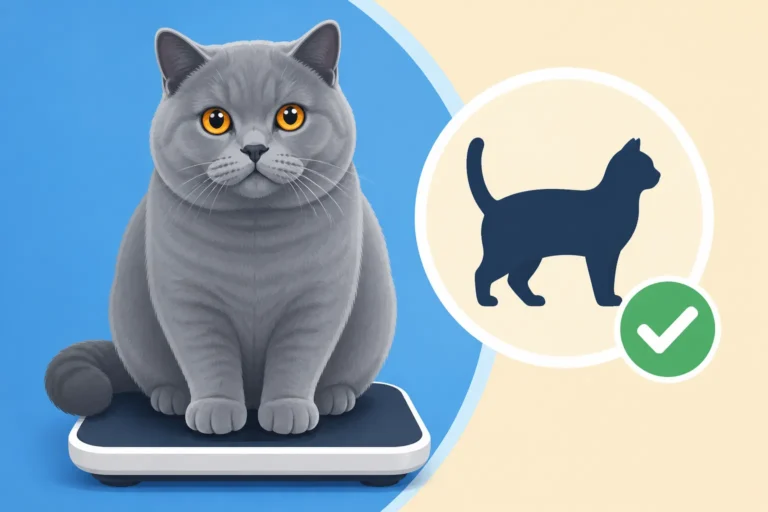
Let's be honest, the best way to help your British Shorthair groom its back again is to help it shed those extra pounds. This isn't about vanity; it's about health and mobility. The first, and most crucial, step is to consult with your veterinarian. They can help you determine your cat's ideal weight, rule out any underlying medical conditions contributing to weight gain, and devise a safe, effective weight loss plan. Trying to crash diet a cat can be incredibly dangerous, leading to a serious liver condition called hepatic lipidosis, so professional guidance is essential.
Your vet will likely recommend a calorie-controlled diet. For British Shorthairs, portion control is the whole job. These cats are notorious for their love of food and their tendency to become overweight if left to free-feed. Switching from free-feeding to measured meals twice a day is often transformative. Many owners find success with high-quality, protein-rich wet food, as it provides more hydration and can help your cat feel fuller for longer. If you're wondering Which Food Suits a British Shorthair, your vet can give specific recommendations, sometimes even prescribing a therapeutic weight-loss diet. Remember, slow and steady wins the race. A healthy weight loss typically means about 1-2% of their body weight per week. Be patient, be consistent, and track their progress diligently.
When considering the long-term health and potential vet costs associated with managing obesity-related conditions, looking into pet insurance like Healthy Paws can provide immense peace of mind. It allows you to focus on getting your cat the best care without constantly worrying about the financial strain of follow-up appointments, special diets, or treatments for diabetes or arthritis down the line.
Regular Grooming Assistance from You
While your British Shorthair is on their weight loss journey, you'll need to step in as their personal groomer. This isn't just about keeping them looking tidy; it's vital for their skin health and comfort. Invest in the right tools: a good quality metal comb with both wide and fine teeth is indispensable for their dense coat. Unlike brushes, a comb can effectively reach through their thick fur to the undercoat, removing loose hair and preventing mats. Avoid slicker brushes, as they can pull and damage the delicate guard hairs of a British Shorthair’s coat. If you’re unsure, check out Which Comb a British Shorthair Needs.
Make grooming a positive, calm experience. Start with short sessions, especially in the areas they can't reach. Gently comb from the base of the tail up the back, working slowly and carefully to avoid pulling. If you encounter a mat, don't yank it. Instead, try to work it out gently with your fingers or the fine teeth of the comb, holding the skin at the base of the mat to minimize pulling. For stubborn or severe mats, a professional groomer or your vet might be needed to safely remove them, sometimes under light sedation. Regular combing, perhaps two to three times a week, is far more effective than sporadic, long sessions. This routine also provides an excellent opportunity to check their skin for any irritation, parasites, or lumps that might go unnoticed otherwise. It’s important to understand How Often a British Shorthair Needs Combing to keep their coat in top condition.
Preventing Weight Gain: A Proactive Approach
The best offense is a good defense, and when it comes to your British Shorthair's weight, prevention is definitely easier than a cure. Establishing healthy habits from the get-go can save both you and your feline friend a lot of heartache (and vet bills!) down the line.
Strategic Feeding and Environmental Enrichment
One of the biggest mistakes we make with our British Shorthairs is underestimating how quickly they can pack on the pounds. Their naturally stocky build means weight gain can be harder to spot, and their generally calm demeanor means they're not burning a lot of calories just zooming around the house. From kittenhood, establish a strict portion-controlled feeding schedule. Avoid free-feeding entirely, as Why Free Feeding Ruins a British Shorthair is a lesson many owners learn the hard way. Instead, measure out their food precisely, usually twice a day.
To make mealtime more engaging and encourage them to work for their food, consider using puzzle feeders. These ingenious devices make your cat use their brains and paws to extract kibble, slowing down their eating and burning a few extra calories in the process. Even a naturally Getting a Low Energy British Shorthair to Move can be enticed into activity with the right motivation. Interactive toys, such as wand toys or laser pointers (used responsibly!), can also stimulate play sessions. While British Shorthairs aren't typically avid climbers, providing sturdy, wide cat trees or window perches can offer vertical enrichment, encouraging a bit more movement throughout the day. You might be surprised Which Cat Tree a British Shorthair Uses if it's placed strategically near a window with a view.
Routine Vet Check-ups and Monitoring
Regular veterinary check-ups are paramount in preventing weight issues and catching any related health problems early. Your vet can accurately assess your British Shorthair's body condition score, which is a more reliable indicator of health than just weight alone, as British Shorthairs naturally carry more muscle and bone density than many other breeds. These routine visits allow your vet to spot subtle signs of weight gain before it becomes a significant problem and to offer dietary adjustments or activity suggestions. Knowing How Often a British Shorthair Needs a Wellness Exam is crucial for their long-term health.
It's also a good habit to weigh your British Shorthair at home periodically, especially if you notice their appetite changing or their activity level decreasing. Learning How to Weigh a British Shorthair at Home can be a simple way to stay on top of their health. Early intervention is key. If your cat starts gaining weight, a small adjustment to their food intake or a few extra minutes of play can make a world of difference before obesity sets in. This proactive monitoring also helps you and your vet stay ahead of more serious conditions like diabetes or heart disease, which are often linked to excess weight. Having robust pet insurance coverage, like that offered by Healthy Paws, can really support this preventative approach, ensuring that you never have to hesitate on essential check-ups or diagnostic tests due to cost. They help make sure you can afford to be proactive, rather than only reacting to a crisis.
Disclaimer
This article is intended for informational purposes only and is not a substitute for professional veterinary advice. Always consult with a qualified veterinarian for any health concerns or before making any decisions about your pet's medical care or diet.