Which Comb a British Shorthair Needs
The luxurious, dense coat of a British Shorthair is undoubtedly one of their most endearing qualities, giving them that irresistible teddy bear look. But let's be honest, maintaining that gorgeous plushness without the right tools can quickly turn grooming time into a battle, leaving you feeling defeated and your poor kitty less than thrilled. Many of us have struggled with brushes that just skim the surface or combs that snag and pull, leading to a house full of shedding fur and a cat who views the grooming session with suspicion. This guide is here to change that, offering a deep dive into the specific combs and techniques that will make grooming your British Shorthair a breeze, ensuring their coat stays healthy, free of mats, and looking its absolute best.
Understanding the British Shorthair's Unique Coat
Before we even talk about combs, it's absolutely vital to understand what makes a British Shorthair's coat so distinct. It's not just a regular cat coat; it's a marvel of dense, resilient fur that requires a particular approach. Without this understanding, you're essentially trying to solve a puzzle with half the pieces missing.
The Dense, Crisp Undercoat
The hallmark of a British Shorthair's coat is its incredible density. It’s often described as "crisp" or "firm" to the touch, feeling almost like a plush carpet or velvet pile. This isn't just a surface layer; underneath the topcoat lies an incredibly thick, woolly undercoat. Imagine a double-glazed window for their fur – that dense undercoat acts as superb insulation, keeping them warm in colder climates, much like their ancestors who roamed the British Isles.
This undercoat is what gives the British Shorthair its characteristic rounded, full appearance. It literally stands away from the body, contributing to their cobby, substantial build. The challenge with this density is that loose undercoat can easily get trapped, forming mats and tangles close to the skin if not regularly removed. Standard brushes often fail to penetrate this thick layer, leaving a significant amount of dead hair behind, which then exacerbates shedding and matting issues. You need tools designed to reach deep, not just glide over the top. A British Shorthair's Coat Stands Away From Its Body elaborates further on this unique characteristic.
The Protective Guard Hairs
On top of that dense undercoat, British Shorthairs have sturdy, protective guard hairs. These are the outer layer of the coat, which are slightly coarser and act as a shield against moisture and dirt. They contribute to the "crisp" texture mentioned earlier and are generally resilient. These guard hairs are what give the coat its beautiful, uniform appearance.
The key here is that these guard hairs are delicate in their own way, and rough brushing or using the wrong type of comb can damage them. If the guard hairs are broken or pulled out unnecessarily, the coat can lose its protective qualities and even its signature plush feel. It's a fine balance: you need to reach the undercoat without harming the guard hairs that make the British Shorthair's coat so distinctive. This is why understanding Why a British Shorthair's Coat Feels Crisp is so important for proper grooming.
Seasonal Shedding and Coat Changes
Like many cats with dense coats, British Shorthairs experience seasonal shedding. While they tend to shed moderately year-round, there are specific times when they "blow their coat," meaning they shed a significantly larger amount of undercoat to prepare for changing temperatures. This usually happens in spring, as they lighten their coat for warmer weather, and again in autumn, to make way for a thicker winter coat.
During these periods, the amount of loose hair can be truly staggering, and if not managed, it can quickly lead to painful mats and an increased incidence of hairballs. This is when your grooming routine needs to be ramped up, sometimes to daily sessions. Even outside of these heavy shedding seasons, regular grooming is essential to keep the coat healthy and minimize the amount of fur ending up on your furniture and clothes. Understanding When a British Shorthair Blows Its Coat can help you prepare your grooming schedule.
The Best Combs for British Shorthairs
Now that we understand the intricate nature of their fur, let's talk about the specific tools that will genuinely make a difference. Forget those flimsy plastic brushes; your British Shorthair demands something more robust and purpose-built.
Fine-toothed Metal Combs for Everyday Use
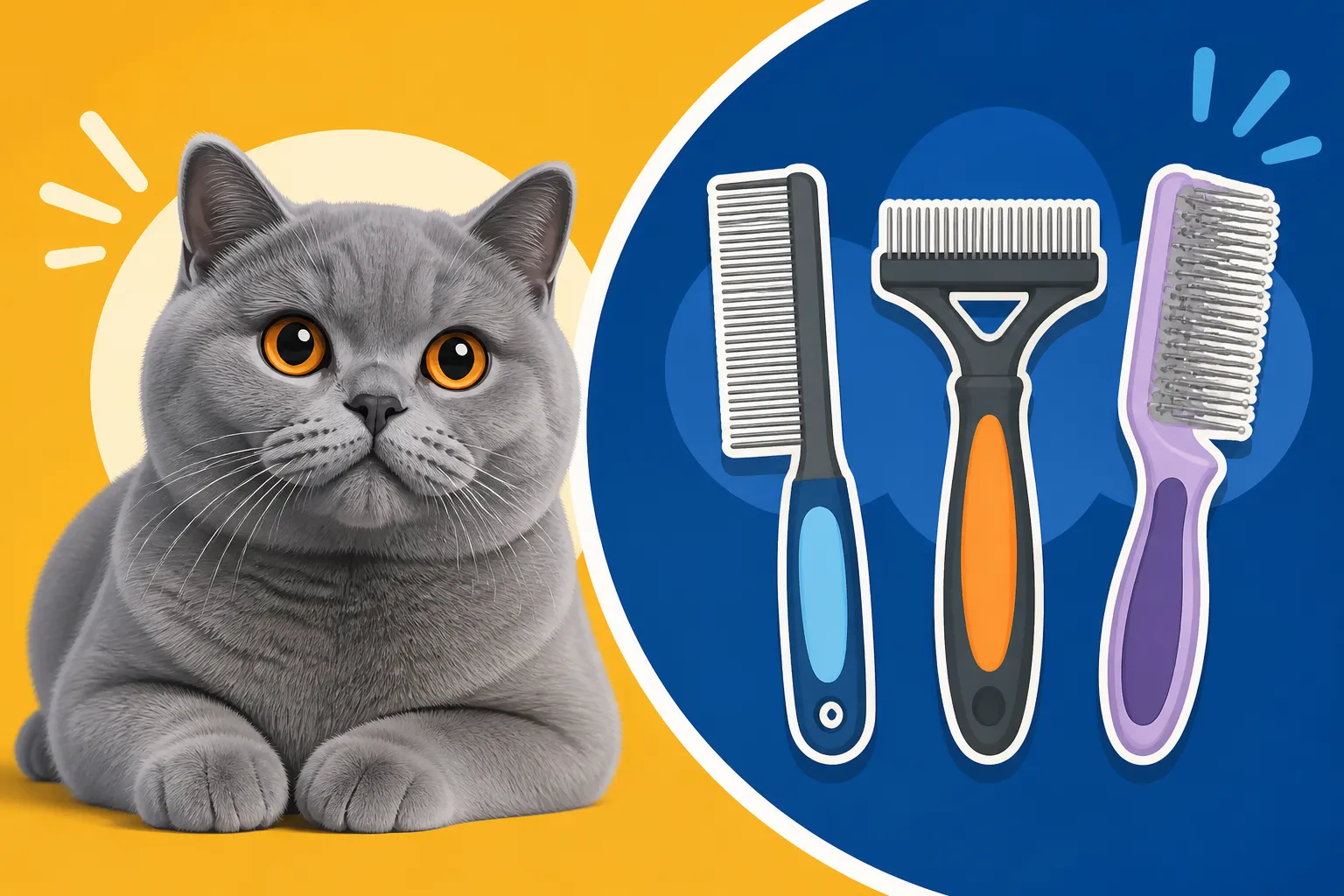
For general maintenance and getting right down to the skin, a good quality, fine-toothed metal comb is an absolute must-have. These aren't just for fleas; they are fantastic for pulling out dead undercoat that other brushes miss. Look for combs with rounded teeth to ensure they don't scratch your cat's skin.
The fine teeth are crucial because they can slip through the dense fur and effectively grasp the loose undercoat hairs. You'll be amazed at how much fur comes off even after you think you've brushed your cat thoroughly with another tool. For areas that might be prone to matting, like behind the ears, under the legs, or on their "britches," a fine-toothed comb is your best friend. Always comb gently, working in small sections, and praise your cat generously. You can find excellent options on online retailers like Chewy or Amazon, often under "greyhound combs" or "flea combs," but specifically look for sturdy, well-made metal versions.
Wide-toothed Combs for Detangling and Initial Pass
Before you even think about a fine-toothed comb, especially if your British Shorthair hasn't been groomed in a while or has some visible tangles, start with a wide-toothed metal comb. This is your initial pass tool, designed to gently work through any surface tangles or larger clumps of loose fur without pulling too much.
The wider spacing between the teeth allows it to glide more easily through the bulk of the coat, reducing the risk of pain and making the experience more pleasant for your cat. Think of it as opening up the pathways in their dense fur, preparing it for the more detailed work of the fine-toothed comb. It’s also excellent for gently lifting the coat, allowing you to see if any mats are forming closer to the skin. This comb is less about removing massive amounts of undercoat and more about preparing the canvas, so to speak.
Specialty Combs for the Undercoat
Beyond the general metal combs, there are specialty tools designed specifically to tackle that formidable undercoat. These include rotating-tooth combs or undercoat rakes. Rotating-tooth combs have teeth that spin, which helps prevent them from catching on tangles and reduces pulling, making it more comfortable for your cat. Undercoat rakes, on the other hand, have a single or double row of widely spaced, long, blunt teeth designed to penetrate deep into the undercoat and pull out loose hair without cutting or damaging the topcoat.
When choosing an undercoat rake, look for one where the teeth are long enough to reach through the full depth of your British Shorthair's coat. These tools are particularly effective during heavy shedding seasons, or for cats with exceptionally dense fur. While they might look a bit intimidating, when used correctly and gently, they can be incredibly efficient at removing vast amounts of dead undercoat, significantly reducing shedding and preventing mats. Just remember to use them sparingly and with a light hand, focusing on pulling out loose hair, not cutting or tearing the healthy coat. Which Comb a British Shorthair Needs delves deeper into specific recommendations.
Combs to Avoid and Why
Just as important as knowing what to use, is knowing what not to use. Certain grooming tools, while popular for other breeds, can actually do more harm than good to a British Shorthair's unique coat. Using the wrong tool can damage their fur, cause discomfort, and even lead to skin irritation.
The Problem with Slicker Brushes
Slicker brushes, those rectangular brushes with fine, bent wire bristles, are very common in pet stores. For many breeds, especially those with long, silky coats, they are quite effective. However, for a British Shorthair, a slicker brush is generally a poor choice. The fine wire bristles struggle to penetrate the dense, crisp undercoat and often just skim the surface.
When they do manage to get through, the bent wires can snag and pull on the delicate undercoat and guard hairs, causing pain and potentially breaking the fur. Repeated use can actually damage the integrity of the coat, leading to a duller appearance and making it more prone to matting because the protective guard hairs are compromised. Instead of lifting and removing loose undercoat, they often just rip it, which is not only ineffective but also unpleasant for your cat. If you want to know more about the specifics of why these don't work, check out Why a Slicker Damages a British Shorthair's Coat.
Why Deshedding Tools Can Be Too Aggressive
Deshedding tools, often recognizable by their blade-like edge with tiny teeth, are marketed for their ability to remove large amounts of loose undercoat. While this sounds ideal for a British Shorthair, many of these tools can be too aggressive for their specific coat type. The design can sometimes cut or shave the healthy guard hairs along with the loose undercoat, rather than just gently pulling out the dead hair.
Overuse or improper technique with these tools can thin the coat excessively, damage its protective qualities, and potentially irritate the skin. While some owners use them sparingly and effectively, it requires a very light hand and careful attention. For most British Shorthairs, a good quality metal comb or an undercoat rake provides sufficient deshedding without the risk of damaging the healthy coat. It’s about being effective without being destructive.
Plastic Combs and Static Electricity
While cheap and readily available, plastic combs are almost universally a poor choice for any cat, and especially for a British Shorthair. Their teeth are often too wide, too flexible, or too blunt to effectively penetrate the dense undercoat. They tend to glide over the top, leaving most of the loose hair untouched.
Furthermore, plastic combs are notorious for generating static electricity, especially in dry environments. This static can make the fur fly, making grooming a messy and frustrating experience. More importantly, it can be uncomfortable for your cat, creating small, irritating shocks that make them dislike grooming sessions. Stick to metal combs, which are static-resistant, more durable, and far more effective at penetrating and detangling a British Shorthair's robust coat.
Grooming Techniques with the Right Comb
Having the right tools is only half the battle; knowing how to use them effectively and kindly is the other. British Shorthairs generally tolerate grooming well, but building a positive routine is key.
Starting Slow and Making it Positive
The best way to approach grooming a British Shorthair is to introduce it early and make it a positive experience from the start. Even if you have an adult cat who isn't keen, you can retrain them. Begin with short sessions, just a few minutes at a time, and always in a calm, quiet environment. Use gentle strokes and stop before your cat gets agitated.
Pair grooming with treats, praise, and gentle petting. If they seem stressed, take a break. The goal isn't to get every single loose hair in one go, but to build trust and associate grooming with pleasant sensations. Over time, as your cat learns to relax and even enjoy the process, you can gradually increase the duration and thoroughness of your sessions. Remember, patience is a virtue, especially with a British Shorthair.
Sectioning the Coat for Thoroughness
Due to the sheer density of a British Shorthair's fur, simply running a comb over the top won't cut it. For a truly effective groom, you need to work in sections. Imagine dividing your cat's body into different zones: back, sides, chest, belly, legs, and tail.
Start with one section, gently parting the fur with your hand or a wide-toothed comb to expose the undercoat. Then, using your chosen metal comb, work small areas at a time, combing from the roots outwards. This method ensures you're reaching deep into the undercoat and pulling out all the loose, dead hair that contributes to matting and shedding. Always comb in the direction of hair growth. This meticulous approach might take a little longer, but it's far more effective and less likely to cause discomfort than trying to rush through the entire coat at once. This thoroughness is critical for managing How Much a British Shorthair Sheds.
Dealing with Mats and Tangles Gently
One of the most common grooming frustrations for British Shorthair owners is encountering mats or stubborn tangles. Given their dense undercoat, these can form quickly, especially in high-friction areas or if grooming is neglected. The absolute golden rule here is never to pull or yank at a mat. This is painful for your cat and can cause skin damage.
Instead, take your time. Use your fingers to try and gently tease the mat apart first. If it's a small tangle, a wide-toothed comb can sometimes carefully work it out, starting from the outer edge of the tangle and working your way inward. For more stubborn mats, a mat splitter or a blunt-ended scissor can be used very carefully to cut the mat into smaller sections, making it easier to comb out. Always position a finger between the mat and the skin to prevent accidental nicks. If a mat is large, tight, or close to the skin, it's always safer to consult a professional groomer or your vet, as they can remove it safely, sometimes under sedation if necessary. Whether a British Shorthair Mats provides more insights into preventing and dealing with these issues.
Addressing Common Grooming Challenges
Even with the right tools and techniques, grooming a British Shorthair can present a few specific hurdles. Being prepared for these can make the process much smoother.
The Reluctant Grooming Subject
Not every British Shorthair will instantly adore grooming, no matter how gentle you are. Some cats are naturally more sensitive, while others may have had negative past experiences. If your cat is particularly reluctant, patience and positive reinforcement are your greatest assets.
Try breaking grooming sessions into even shorter bursts, perhaps just 30 seconds to a minute at a time, multiple times a day. Focus on areas they tolerate first, like their back or head, before attempting more sensitive spots. Distract them with a favorite treat or a puzzle feeder during the session. If they respond well, give them a jackpot of treats and praise. Never force the issue, as this can create a lasting aversion. If all else fails, consider consulting a feline behaviorist or a groomer who specializes in difficult cats. They might offer techniques or specialized equipment you haven't considered.
Excessive Shedding and Hairballs
Despite your best efforts with combing, British Shorthairs will shed. It's simply the nature of their dense coat. This can, unfortunately, lead to hairballs, which are not only unpleasant to find but can sometimes cause serious digestive issues if they become large or too frequent.
Regular and thorough combing is the primary defense against excessive shedding and hairballs. By removing the loose fur before your cat ingests it during self-grooming, you significantly reduce the amount of hair in their digestive system. During peak shedding season, you might need to comb daily. Additionally, incorporating a hairball control food or supplement into their diet can be helpful. Many brands offer specialized formulas that assist with hairball passage. Ensure your cat has access to plenty of fresh water to aid digestion, and consider adding some fiber-rich treats.
Keeping the Rear End Clean
One particular challenge, especially for older or overweight British Shorthairs, can be keeping their rear end clean. Their compact, cobby bodies and dense fur can make it difficult for them to reach and properly groom this area. This can lead to unsightly and unhygienic messes, especially if they have soft stools.
Regularly check your British Shorthair's sanitary area. If you notice any issues, a gentle wipe with a pet-safe grooming wipe or a damp cloth is usually sufficient. For more persistent problems, a sanitary trim may be necessary. This involves carefully trimming the fur around the anus and under the tail to keep it short and prevent feces from sticking. This is often best done by a professional groomer or your vet, as it requires extreme caution to avoid injury. Keeping your British Shorthair at a healthy weight also significantly helps with their self-grooming abilities.
Complementary Grooming Tools
While combs are the stars of the show for British Shorthair grooming, a few other tools can round out your kit and ensure your cat is looking and feeling their best.
Soft Bristle Brushes for Shine
Once you've done the heavy lifting of removing loose undercoat with your metal comb, a soft bristle brush can be a wonderful finishing tool. These brushes won't penetrate the dense coat effectively enough for deshedding, but they are excellent for smoothing down the topcoat, distributing natural oils, and adding a lovely shine.
Think of it as the polishing step in your grooming routine. It feels pleasant for most cats and can help stimulate circulation in the skin. A soft bristle brush is particularly good for bonding, offering a gentle massage that many British Shorthairs appreciate after the more rigorous combing. It's a great way to end a grooming session on a positive note, making your cat feel pampered and looking sleek.
Grooming Mitts for Daily Touch-ups
For those quick, daily touch-ups, or for cats who aren't keen on traditional combs, a grooming mitt can be a handy tool. These gloves usually have rubber nubs or soft bristles on the palm, allowing you to simply pet your cat and, in doing so, gently remove some loose fur.
A grooming mitt isn't as effective as a metal comb for deep undercoat removal, but it's fantastic for surface shedding and collecting loose hairs that haven't quite worked their way down to the skin yet. Many cats enjoy the sensation, making it a stress-free way to keep shedding down between more thorough combing sessions. They're particularly useful for removing fur from furniture as well – just stroke your cat, peel the fur off the mitt, and toss it away. You can find these easily on sites like Amazon or Chewy.
Nail Clippers and Ear Cleaners
While not directly related to coat combing, proper nail and ear care are crucial components of a complete grooming routine for your British Shorthair. Their thick, sturdy claws grow quickly and can become quite sharp, snagging on carpets or even scratching you if not trimmed regularly. Use a good quality pair of cat-specific nail clippers and trim only the very tip, being careful to avoid the quick (the pink part inside the nail). If you're unsure, ask your vet or a groomer to show you how.
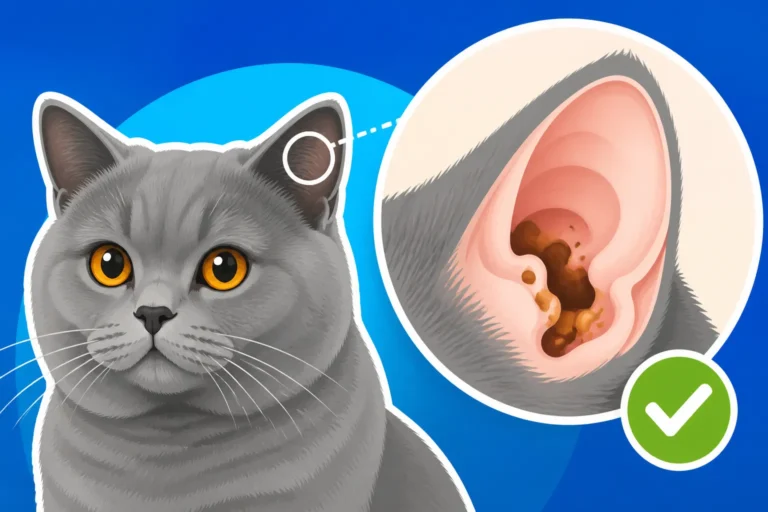
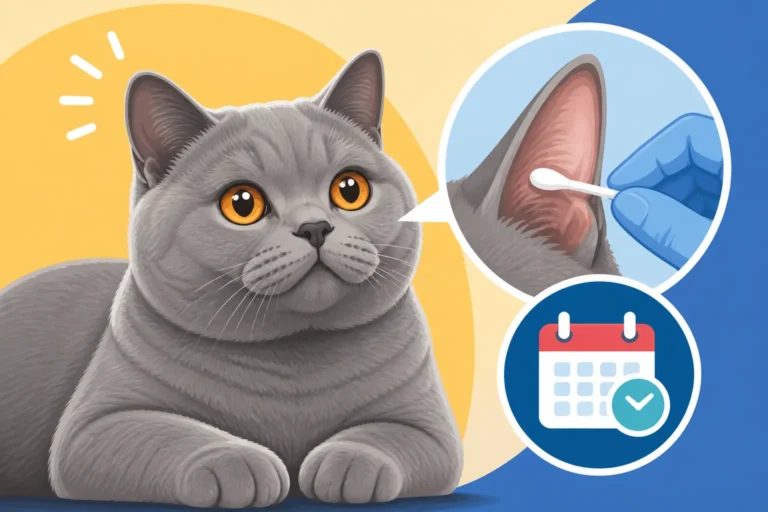
Their ears should also be checked regularly for any signs of dirt, wax buildup, or irritation. A gentle wipe with a vet-approved ear cleaner on a cotton ball (never a cotton swab inside the ear canal!) is usually all that's needed. If you notice excessive dirt, a foul odor, or redness, it's time for a vet visit, as these could be signs of an ear infection. Regular attention to these details contributes significantly to your British Shorthair's overall comfort and health.
Comparing British Shorthair Comb Types
To help you make sense of the different options, here's a quick comparison of the most effective combs for your British Shorthair.
| Comb Type | Best Use Case | Pros | Cons | Ideal Frequency |
|---|---|---|---|---|
| Fine-toothed Metal Comb | Deep undercoat removal, flea detection, finishing | Excellent for removing loose fur, durable, static-free | Can pull if not used gently, requires careful handling | 2-3 times a week, daily during shedding season |
| Wide-toothed Metal Comb | Detangling, initial pass, mat separation | Glides through topcoat, reduces pulling, static-free | Less effective for deep undercoat removal | As needed for tangles, before fine-toothed comb |
| Undercoat Rake | Heavy shedding, dense undercoat removal | Very effective at pulling out dead undercoat | Can be too aggressive if misused, might damage guard hairs | Once a week during shedding, less often otherwise |
| Rotating-tooth Comb | Detangling sensitive areas, undercoat removal | Teeth rotate to prevent snagging, comfortable for cats | Can be more expensive, still needs gentle use | 1-2 times a week, as needed for tangles |
| Soft Bristle Brush | Finishing, adding shine, distributing oils | Pleasant for cats, good for bonding, gentle | Does not remove undercoat, not for deshedding | Daily, as a finishing touch |
| Grooming Mitt/Glove | Quick touch-ups, surface shedding, reluctant cats | Easy to use, feels like petting, non-intrusive | Not for deep undercoat removal or serious matting | Daily, for light maintenance |
Ultimately, investing in the right grooming tools and establishing a consistent, positive routine will not only keep your British Shorthair's coat looking magnificent but will also strengthen your bond with your beloved feline companion. A well-groomed British Shorthair is a happy, healthy British Shorthair, and that's what we all want for our furry family members.
Disclaimer
This article is for general informational purposes only and does not constitute professional advice. Laws, prices and regulations vary by location and change over time. Consult a qualified professional for guidance on your specific situation.