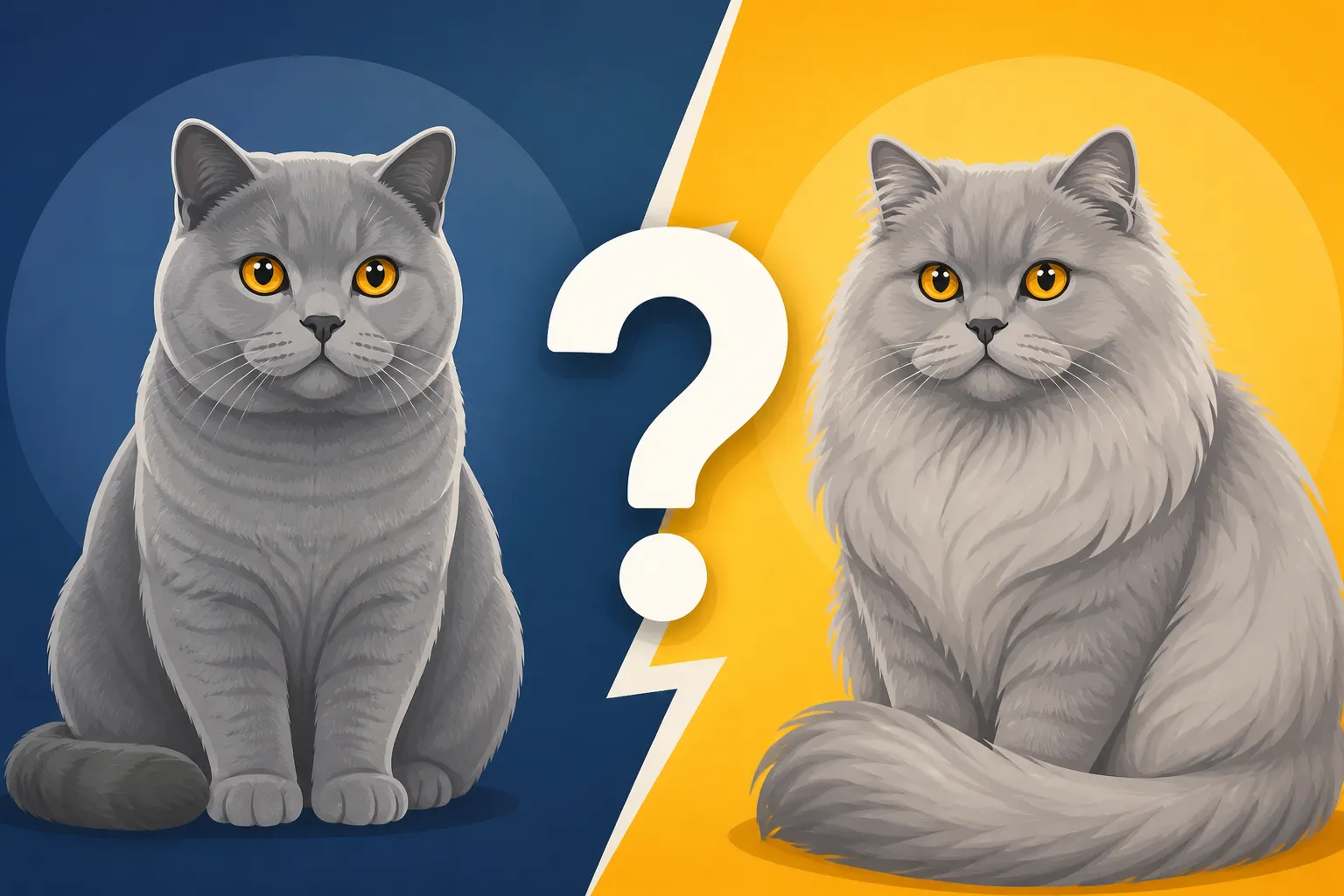
Whether a Longhaired British Shorthair Exists
You've probably scrolled through social media, seen a fluffy, teddy-bear-faced cat with all the hallmarks of a British Shorthair, only to notice… wait, that coat is long. It throws a lot of people for a loop, myself included when I first encountered one! It makes you wonder if your eyes are playing tricks on you, or if there's a variation of the beloved British Shorthair that isn't so "shorthair" after all. This guide is here to unravel that mystery, explaining the genetics, history, and official recognition behind those gorgeous longhaired felines that share so much in common with our chunky, short-coated friends.
The British Shorthair Standard: A Short Coat Only
When we talk about the British Shorthair, the image that immediately springs to mind is that dense, plush, gloriously short coat. It's not just a preference; it's a defining characteristic ingrained in the breed's very name and its centuries-old history. This short, resilient coat was a practical adaptation for its ancestors, the working cats of Great Britain, protecting them from the elements as they patrolled barns and homes.
The Defining Characteristic of the British Shorthair Coat
The British Shorthair's coat is truly unique and a huge part of its charm. It's described as crisp to the touch, dense, and stands away from the body, giving the cat that iconic "teddy bear" look. This isn't just a surface layer; it's composed of a thick, double coat with a dense undercoat that provides insulation and softness. When you run your hand through it, you feel a distinct firmness, unlike the silky flow of many other short-haired breeds. This luxurious texture, combined with its characteristic brevity, is what fanciers and pet owners alike adore.
Without this particular coat length and texture, a cat, no matter how round its face or solid its body, simply wouldn't meet the breed standard for a British Shorthair. The expectation is clear: a British Shorthair is, by definition, short-haired. Anything else, while still beautiful, falls outside the strict criteria that define the breed in the show ring and in the minds of traditional enthusiasts. It's a key identifier, as fundamental as their round, copper eyes or their stout, cobby bodies.
Why Breed Standards Matter for Coat Length
Breed standards are the blueprints for purebred cats, set by major international registries like The International Cat Association (TICA) and the Cat Fanciers' Association (CFA). These standards meticulously describe every physical trait, from ear placement to tail length, and critically, coat length and texture. For the British Shorthair, these standards are unequivocal: the coat must be short. A cat presented in a show ring as a British Shorthair with long hair would be immediately disqualified, regardless of how perfectly it met other criteria for head shape or body type.
These standards are more than just arbitrary rules; they serve to preserve the integrity and distinct characteristics of each breed. They guide ethical breeders in their selection process, ensuring that the offspring they produce adhere to the established look and temperament that the breed is known for. This commitment to the standard is why, for generations, the idea of a "longhaired British Shorthair" seemed like a contradiction in terms to those deeply involved in the breed.
Historical Context: The Original British Street Cat
To truly understand why the short coat is so fundamental, we need to glance back at the British Shorthair's origins. These cats weren't always pampered pedigrees; their ancestors were the resilient street and farm cats of Britain. For centuries, these robust felines earned their keep by keeping rodent populations in check. Their strong, cobby builds and dense, short coats were perfectly suited to the damp, often chilly British climate. A short coat was low-maintenance, shed water efficiently, and didn't get tangled in brambles or mud, which would have been a significant disadvantage for a working cat.
When Harrison Weir organized the first modern cat show in 1871 at London's Crystal Palace, he specifically sought to elevate these common British cats to a breed status. He chose the most impressive examples, those with the most distinct "British" look, which inherently included their characteristic short, dense coats. This early vision solidified the short coat as an unshakeable pillar of the British Shorthair breed, a tradition that continues to be upheld by dedicated breeders and registries around the world today. It’s part of the breed’s heritage and resilience.
The Hidden Longhair Gene
So, if the British Shorthair is defined by its short coat, how do these long-haired versions even appear? The answer lies deep within their genetic code, a fascinating tale of recessive genes and historical breed development. It's a genetic lottery that can surprise even the most experienced breeders and owners, leading to those charming, fluffy cats that make you do a double-take.
Understanding Recessive Genes and Carrier Cats
At the heart of this phenomenon is the concept of recessive genes. Imagine a gene as having two "settings" for coat length: one for short hair (dominant) and one for long hair (recessive). If a cat inherits even one copy of the dominant short hair gene, its coat will be short. It's like having a loud voice in a conversation – it's the one you hear most clearly. However, a cat can still carry a recessive long hair gene without displaying it. These cats are called carriers. They look like typical British Shorthairs, with their characteristic plush, short coats.
The magic, or perhaps the surprise, happens when two such carrier British Shorthairs are bred together. If both parents pass on their recessive long hair gene to a kitten, that kitten will then have two copies of the recessive gene, and voilà, it will develop a long coat. It's a classic Mendelian inheritance pattern, often resulting in about 25% of the litter being long-haired, even if the parents and all their siblings are short-haired. This is why you can have a litter of perfectly standard British Shorthair kittens, and then one little fluffy surprise.
How the Persian Influence Introduced the Longhair Gene
This genetic quirk didn't just appear out of nowhere; it has a direct link to the British Shorthair's tumultuous history. After the devastation of the two World Wars, the British Shorthair breed faced near extinction. Breeders, desperate to save these magnificent cats, had to make some tough decisions, which included outcrossing them to other breeds to rebuild their numbers and genetic diversity. One of the primary breeds used for these outcrosses was the Persian.
Persian cats are, famously, long-haired. When these long-haired Persians were bred with the remaining British Shorthairs, they introduced the recessive longhair gene into the British Shorthair gene pool. While the offspring of these crosses were carefully bred back to British Shorthair types to re-establish the desired short coat, the longhair gene, being recessive, continued to be carried silently through generations. So, even today, many British Shorthairs, unbeknownst to their owners or even some breeders, carry this hidden genetic legacy from their Persian ancestors. This historical outcrossing is a crucial part of The Persians That Rebuilt the British Shorthair After the War.
DNA Testing for the Longhair Gene
Thankfully, modern science has provided a way to uncover these hidden genetic secrets. DNA tests are readily available that can accurately determine if a British Shorthair carries the longhair gene. This simple test, often done with a cheek swab, can identify cats as either non-carriers (they can only produce short-haired offspring), carriers (they have one copy of the longhair gene and can pass it on), or genetically long-haired (they have two copies and will have a long coat).
For responsible breeders, this test is an invaluable tool. It allows them to make informed decisions about breeding pairs, ensuring they don't accidentally produce long-haired kittens if their goal is strictly to produce British Shorthairs that conform to the short-haired standard. For pet owners, it can offer fascinating insight into their cat's lineage and explain why a "purebred" British Shorthair might have a slightly longer or softer coat than expected. Understanding What a British Shorthair Breeder Should Have Tested certainly includes this genetic insight.
| Trait | British Shorthair (Standard) | British Shorthair (Carrier) | British Longhair (Genetically LH) |
|---|---|---|---|
| Coat Length | Short | Short | Long |
| Genetic Code (L/l) | L/L (Homozygous Short) | L/l (Heterozygous Short, carries long) | l/l (Homozygous Long) |
| Appearance | Classic dense, plush short coat | Classic dense, plush short coat | Long, flowing, dense coat |
| Breeding Outcome | Only short-haired offspring | Can produce long-haired offspring if bred to another carrier or LH | Only long-haired offspring |
| Breed Recognition | Widely recognized as British Shorthair | Widely recognized as British Shorthair | Recognized as British Longhair |
The Rise of the British Longhair
What was once considered a "fault" or a genetic anomaly within British Shorthair litters has, over time, blossomed into a distinct and increasingly popular breed: the British Longhair. These cats embody the best traits of their British Shorthair ancestors, simply wrapped in a luxurious, flowing coat. It's a wonderful example of how the feline fancy evolves and adapts to celebrate beauty in all its forms.
From "Fault" to Formal Recognition: The New Breed
For many years, when a British Shorthair litter produced a longhaired kitten, breeders often faced a dilemma. These kittens, while healthy and charming, didn't fit the strict "shorthair" standard and couldn't be shown as British Shorthairs. They were often sold as pets, sometimes with a clear explanation of their genetic origins, other times simply as "fluffy British Shorthairs." However, the consistent appearance of these longhaired beauties led many to realize that they possessed all the wonderful characteristics of the British Shorthair – the calm temperament, the robust build, the round face – just with a longer, equally dense coat.
This recognition sparked a movement among some breeders to develop these longhaired variations into a breed of their own. They carefully selected and bred these longhaired cats, proving their consistent type and temperament over generations. Eventually, major cat registries began to acknowledge this new breed, giving it official status. It was a journey from being an unexpected genetic "blip" to a celebrated and distinct breed, known today as the British Longhair, or sometimes the British Semi-longhair, depending on the registry. This journey is really about How the British Longhair Split From the British Shorthair.
Distinguishing the British Longhair from Other Longhaired Breeds
While the British Longhair shares its long coat with breeds like Persians, Maine Coons, or Ragdolls, it's crucial to understand that it is not simply a British Shorthair mixed with one of these other longhaired breeds. The British Longhair retains the fundamental structure and temperament of the British Shorthair. It has the same cobby body, broad chest, short, thick legs, and rounded paws. Its head is still broad and round, with full cheeks and large, round, widely set eyes. The key difference is, of course, the coat.
The British Longhair's coat is medium-long to long, dense, and soft, with a noticeable ruff around the neck, tufts of hair between the toes, and a full, bushy tail. Unlike the Persian's extremely flat face or the Maine Coon's wilder, shaggier look, the British Longhair maintains the sweet, teddy-bear expression and robust, compact build of its shorthaired counterpart. Its temperament is also typically very similar: calm, affectionate, and relatively quiet, making it a wonderful companion cat, just with more impressive fluff to stroke and admire.
Breed Standards for the British Longhair
Just as the British Shorthair has its established standards, so too does the British Longhair. These standards outline the desired physical characteristics and temperament, differentiating it from other longhaired breeds. While the specifics may vary slightly between registries, the core idea is consistent: it's a British Shorthair in every way, save for the coat length. The coat should be dense, soft, and long enough to be noticeable, but not excessively so that it hinders movement or grooming, or gives a flimsy appearance.
The acceptance of the British Longhair has been a gradual process across different feline organizations. Some registries recognize them fully, while others might classify them as a variant of the British Shorthair or under a slightly different name, such as "British Semi-longhair." This recognition validates the efforts of breeders who have worked to stabilize this type and ensures that these beautiful cats can be exhibited and celebrated for their unique charm. It's a testament to the adaptability and diversity that exists within the world of purebred cats.
Implications for Owners and Breeders
Understanding the existence of the longhair gene and the British Longhair breed has significant implications for both responsible breeders and prospective pet owners. It informs breeding practices, helps manage expectations, and ensures that these wonderful cats receive the best possible care, no matter their coat length.
What to Do If Your British Shorthair Has Longhaired Kittens
For British Shorthair breeders, finding a longhaired kitten in a litter can be a moment of surprise. The first step is to confirm the genetic status of the parents, especially if they haven't been DNA tested for the longhair gene. This helps determine if both parents are carriers (L/l) or if one might be a longhair (l/l) themselves, though this is less likely if they present as short-haired. Responsible breeders will then use this information to make informed decisions for future breeding. They might choose to avoid breeding two carriers together if their primary goal is to produce strictly short-haired British Shorthairs.
These longhaired offspring, while genetically a "fault" for the British Shorthair standard, are perfectly healthy and deserving of loving homes. Breeders typically register them as British Longhairs (if the registry recognizes the breed) or sell them as cherished pets, clearly disclosing their coat length. It's important for breeders to be transparent with potential buyers about the lineage and characteristics of these longhaired kittens, ensuring that new owners understand what they are getting. This honesty upholds ethical breeding practices and maintains the integrity of the British Shorthair breed.
Owning a Longhaired Cat with British Shorthair Traits
If you're lucky enough to own a British Longhair, or perhaps an unexpected longhaired gem from a British Shorthair litter, you're in for a treat. These cats typically inherit the same wonderful, laid-back temperament that makes the British Shorthair so popular. They are generally calm, affectionate without being overly demanding, and have that endearing, quiet personality. However, the long coat does bring with it some specific care requirements that are different from their short-haired cousins.
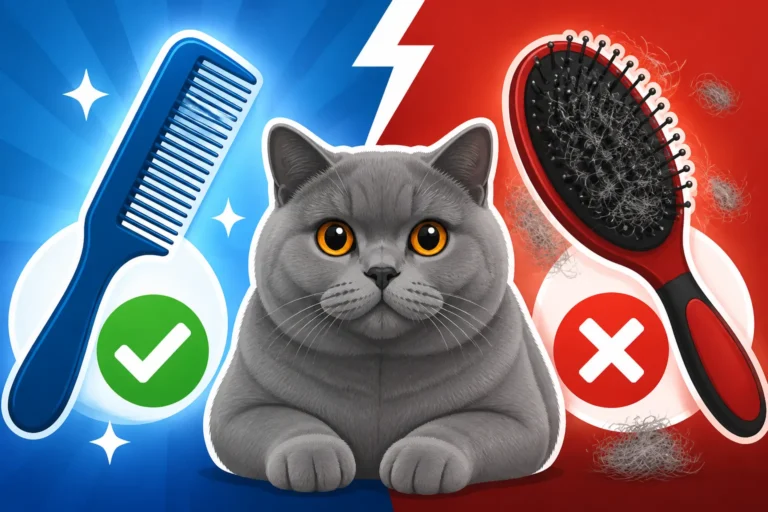
Grooming becomes a more significant part of your routine. While British Shorthairs are generally low-maintenance, a British Longhair will need regular combing to prevent mats and tangles, especially during shedding seasons. A good quality steel comb, perhaps one you can find on Amazon or Chewy, will be your best friend. Aim for several times a week, or even daily during peak shedding periods, which usually occur in spring and autumn. This not only keeps their coat beautiful but also reduces hairballs. You'll want to gently work through the fur, paying special attention to areas like behind the ears, armpits, and the "britches" on their hind legs where mats are more prone to forming. While the British Longhair is generally easygoing, getting them accustomed to grooming from a young age is crucial.
The Importance of Breeder Transparency
Choosing a reputable breeder is paramount, regardless of whether you're seeking a British Shorthair or a British Longhair. A good breeder will be transparent about their breeding practices, including the genetic testing they perform for conditions like HCM and PKD, as well as for the longhair gene. They should be able to provide clear documentation and answer all your questions about the kitten's parents, health history, and temperament. They won't try to pass off a longhaired cat as a "rare" British Shorthair, but rather educate you on the nuances of the British Longhair breed.
Don't be afraid to ask about the parents' DNA test results for the longhair gene, especially if you have a preference for coat length. A responsible breeder will appreciate your thoroughness and be happy to share this information. This transparency protects you, the buyer, and ensures that you're supporting ethical breeding that prioritizes the health and well-being of the cats. Whether you fall in love with a short-coated teddy bear or a long-coated fluffy companion, knowing their genetic background helps you appreciate their unique qualities and provide them with the best possible care.
Disclaimer
This article is for general informational purposes only and does not constitute professional advice. Laws, prices and regulations vary by location and change over time. Consult a qualified professional for guidance on your specific situation.