What Jowls Are on a Male British Shorthair
Oh, the magnificent British Shorthair! If you're anything like me, you've probably spent countless hours admiring that wonderfully plush coat, those big, round eyes, and that utterly endearing, perpetually grumpy-looking face. But then you might notice something, especially if you have a male: a pronounced fullness, almost a majestic grandeur, around their cheeks. These aren't just chubby cheeks from too many treats (though that's a whole other topic we can discuss!); these are often the hallmark "jowls" that are so characteristic of the breed. This guide is here to demystify those impressive jowls, explain why your male British Shorthair has them, how to differentiate them from actual weight gain, and how to best care for your wonderfully jowly companion.
Understanding the British Shorthair's Unique Physique
Before we dive specifically into jowls, it's crucial to appreciate the overall build of the British Shorthair. They're not your average lean, athletic cat; they're built to be robust, sturdy, and undeniably huggable. This breed has a history rooted in being hardy, working cats, and their physique reflects that heritage.
The British Shorthair's "Cobby" Build
When breeders and enthusiasts talk about a British Shorthair's body type, they often use the term "cobby." What does that really mean for us, the adoring owners? It means they have a compact, well-rounded, and powerful body. Think of a solid brick or a perfectly plump teddy bear. Their chests are broad, their shoulders and hips are substantial, and their legs are short and thick. This isn't a cat designed for scaling tall fences with acrobatic grace, but rather for commanding a regal presence from the sofa. This cobby build extends to their facial structure too, laying the groundwork for those full cheeks and jowls. It's a key part of what makes them look so utterly appealing and unique. You'll often hear discussions about What a British Shorthair Weighs and How Big It Gets because their substantial build is a defining characteristic.
Facial Structure and Breed Standards
The British Shorthair's head is one of its most defining features, and those jowls play a significant role in achieving the desired look. The breed standard calls for a round head, which is full-cheeked, with a strong, deep chin. When you look at a well-bred male British Shorthair, you'll see a natural roundness and breadth to their face that isn't found in many other breeds. This roundness is enhanced by those prominent jowls, giving them that adorable, almost perpetually bemused expression. It's not just about aesthetics; it's about the breed's genetic blueprint. A strong, well-developed skull and musculature contribute to this, creating the perfect foundation for those impressive jowls to form as they mature. This is part of the charm and appeal that draws so many to the breed.
The Mystery of the Male British Shorthair's Jowls
Now, let's get right to the heart of the matter: what exactly are these "jowls" and why do they seem to be more pronounced in males?
What Exactly Are Jowls?
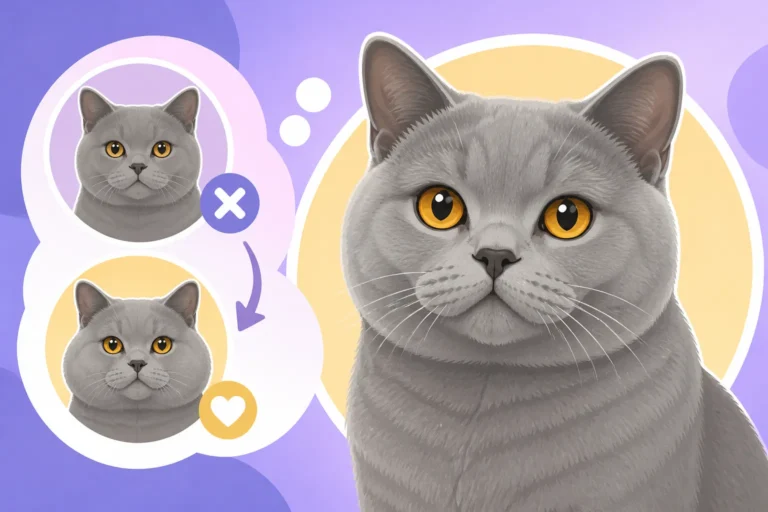
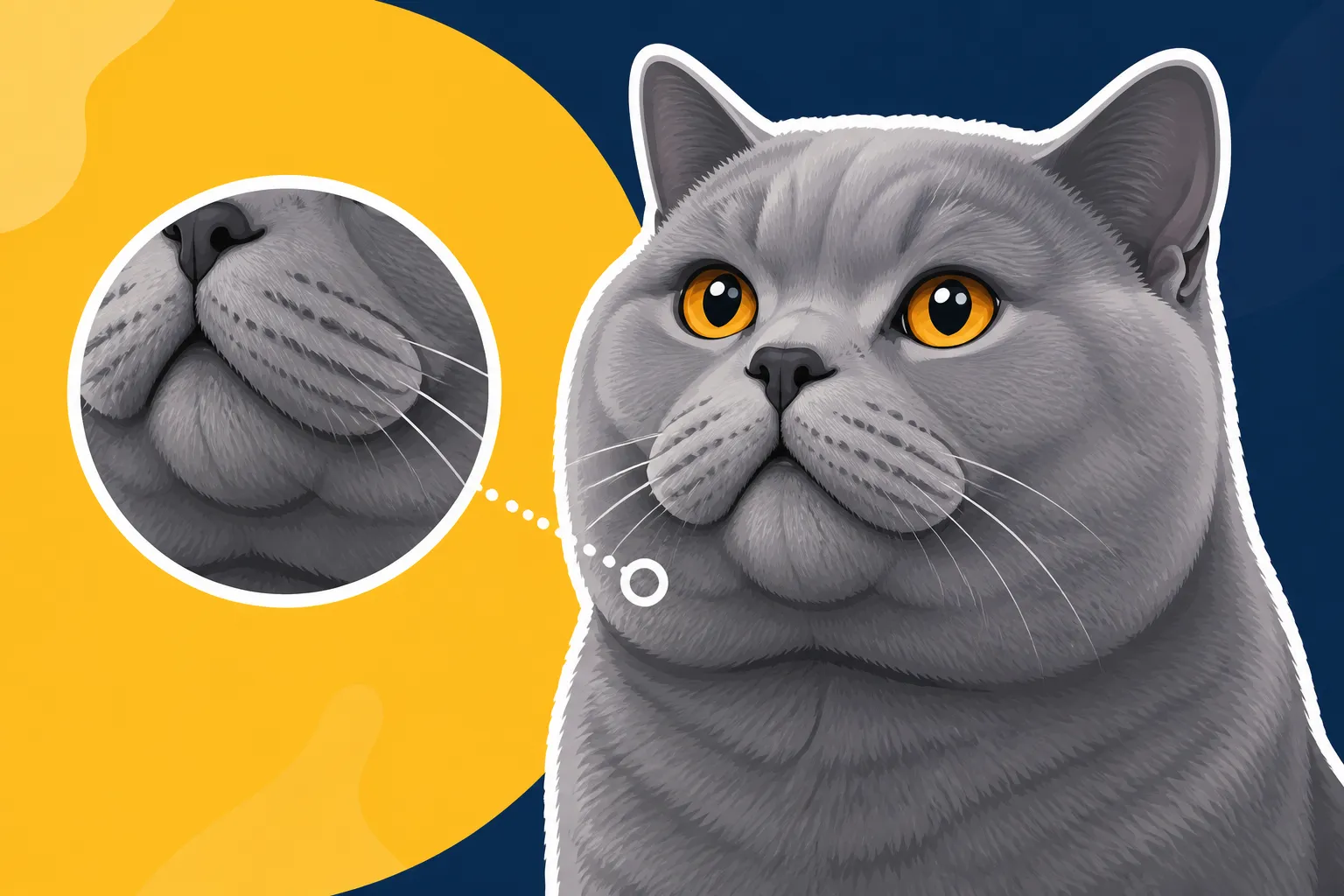
In the world of British Shorthairs, "jowls" refer to the distinctive fullness and breadth of tissue, often appearing as prominent, firm cheeks, that develop on the sides of a male cat's face. Unlike the loose, sagging skin that might be associated with jowls in some dog breeds or older humans, a British Shorthair's jowls are typically firm and muscular. They contribute significantly to the breed's signature "teddy bear" or "Cheshire Cat" look. Imagine a bulldog's jawline, but softer, rounder, and entirely covered in plush fur. This isn't just fat; it's a combination of bone structure, muscle, and a denser accumulation of tissue that gives the face its characteristic broadness and rounded contour.
They aren't just randomly appearing, either. These jowls are an integral part of the overall desired head shape that breeders strive for. They frame the face, making the eyes seem even larger and rounder, and contributing to that endearing, slightly solemn expression that British Shorthairs are so famous for.
The Visual Impact of Jowls
The presence of well-developed jowls is a huge part of what gives the male British Shorthair his iconic appearance. They soften the angles of the face, creating a harmonious, rounded profile. Without them, a British Shorthair's face might appear narrower, less powerful, and frankly, less "British Shorthair-like." They contribute to the perception of a sturdy, powerful cat, even if the cat himself is a gentle giant. It's this visual impact that makes them so sought after in the show ring and so loved by pet owners.
When you look at a British Shorthair, particularly a male, with excellent jowls, you immediately think of the quintessential "British Blue" image – that stocky, amiable cat with the impossibly round head. It's a visual cue that tells you a lot about the cat's breeding and adherence to the beloved breed standard. Many people are drawn to the breed specifically because of this adorable, full-faced appearance.
Are Jowls Exclusive to Males?
While the term "jowls" is most often associated with male British Shorthairs due to their hormonal influences, females can also have wonderful, full cheeks that contribute to the breed's round head shape. However, a female's cheeks will typically not achieve the same impressive breadth and depth as a mature, entire (unneutered) male.
Think of it this way: both male and female British Shorthairs are designed for a round face, but the males get that extra "oomph" due to testosterone. Once a male is neutered, the development of these jowls might slow down, or they might not reach the same extreme prominence as they would in an intact male. Females, even with their beautiful, full faces, generally lack that extra layer of fullness that truly defines the "jowls" of a tomcat. When considering What Jowls Are on a British Shorthair, it's important to remember this distinction between the sexes.
Why Jowls Develop in Male British Shorthairs
It's not just a happy accident that male British Shorthairs get those magnificent jowls; there's a fascinating biological and genetic story behind it.
The Role of Hormones and Maturation
The primary driver behind the development of prominent jowls in male British Shorthairs is, you guessed it, testosterone. Intact (unneutered) male cats experience a surge in this hormone as they mature, particularly between one and three years of age. This hormonal influence isn't just about reproductive function; it also affects the development of secondary sexual characteristics, and jowls are a prime example in this breed.
Testosterone promotes the growth of muscle and connective tissue, especially around the face and jawline. This, combined with the breed's inherent genetic predisposition for a broad, round head, results in those distinctive, firm jowls. It's a clear indicator of masculinity and maturity within the breed. It's why you often see the most impressive jowls on older, intact show males. This hormonal effect also contributes to other physical traits, like the broader head and more robust musculature throughout the body, solidifying their cobby appearance.
Genetic Predisposition and Breed Lines
While hormones are the trigger, genetics lay the groundwork. The British Shorthair breed standard explicitly calls for a broad, round head with full cheeks. Over generations, breeders have selectively bred cats that exhibit these traits. This means that certain lines within the British Shorthair breed might be more predisposed to developing more prominent jowls than others. It's a desired trait, indicating good type and adherence to the breed's aesthetic ideals.
If your British Shorthair male has particularly impressive jowls, it's often a testament to careful breeding aimed at preserving and enhancing these characteristic features. It's not just about the blue color, but the whole package that makes a British Shorthair so distinctive. Owners often consult breeders about Whether a Breeder Can Promise a Big British Shorthair, and similarly, jowl development can be influenced by lineage.
Age and the Development of Jowls
Jowls don't magically appear overnight. Like fine wine, they develop and mature over time. You won't typically see truly prominent jowls on a young male British Shorthair kitten. They start to become noticeable as the cat enters adolescence and reaches full maturity, usually between the ages of one and three years.
During this period, as the cat's bone structure finishes developing and hormonal levels stabilize, the jowls will gradually fill out. This slow development is why a British Shorthair is often said to "fill out over five years" – not just their body, but their facial features too. If you have a younger male, be patient! Those magnificent jowls might still be on their way, adding to his already charming appearance. This gradual maturation is a joy to watch, seeing your fluffy kitten transform into a truly majestic adult cat. The process is similar to How Long a British Shorthair Takes to Fill Out in terms of body mass.
Jowls Versus Obesity: Telling the Difference
This is perhaps one of the most common points of confusion for British Shorthair owners. Their natural propensity for a round face and cobby body can make it tricky to distinguish healthy jowls from unhealthy fat accumulation. It's a critical distinction for your cat's well-being.
How to Distinguish Healthy Jowls from Fat Cheeks
It's a genuine struggle, isn't it? Your British Shorthair is supposed to be round and chunky, so how do you know if that roundness is healthy "type" or simply too much weight?
Healthy Jowls:
- Firmness: True jowls feel firm and muscular, not soft and squishy like fat. When you gently press them, there's resistance.
- Location: Jowls are primarily on the sides of the face, extending towards the jawline. They contribute to the overall broadness of the head.
- Proportion: They should be in proportion to the rest of the cat's robust head and body.
- Neck Definition: Even with impressive jowls, a healthy cat should still have a discernible neck, albeit a thick one. The skin under the chin shouldn't be excessively loose or fatty, creating a "double chin" effect.
Fat Cheeks (due to obesity):
- Squishiness: Fat feels soft and yields easily to pressure.
- Overall Roundness: If the entire face appears uniformly puffy and round, rather than concentrated at the sides, it might be due to excess weight.
- Loss of Definition: The definition between the face and neck might blur, leading to a "double chin" or a general lack of facial contour.
- Body Condition: Often, fat cheeks are accompanied by other signs of obesity throughout the body, such as inability to feel ribs easily, a sagging belly pouch (which is distinct from the primordial pouch), and difficulty with grooming. We discuss How to Tell a Chunky British Shorthair From a Fat One in much more detail elsewhere.
The Dangers of Misinterpreting Jowls
Mistaking genuine jowls for obesity can lead to serious health issues. If you assume your cat is simply "jowly" when they are, in fact, overweight, you might overlook the need for a diet and increased activity. Obesity in British Shorthairs is a rampant problem, leading to a host of health complications.
An overweight cat is at higher risk for conditions like diabetes, arthritis, heart problems, and urinary tract issues. Their dense coat can hide a multitude of sins, making it hard to see the weight gain. If you attribute every bit of roundness to breed characteristics, you could inadvertently be letting your cat slip into an unhealthy state. Always err on the side of caution and consult your vet if you're unsure. A cat that is truly overweight will struggle with mobility, play, and even self-grooming, potentially leading to matting around their rear or even skin infections.
The Importance of a Body Condition Score
The best way to objectively assess your British Shorthair's weight is through a Body Condition Score (BCS). This isn't about looking at their face; it's about feeling their body. Your veterinarian will typically use a 1-5 or 1-9 scale, where 1 is emaciated and the highest number is obese.
Here's how you can do a basic check at home:
- Feel the Ribs: Gently run your hands along your cat's sides, just behind their front legs. You should be able to feel their ribs with light pressure, almost like feeling the back of your hand. If you have to press hard, or can't feel them at all, your cat is likely overweight. If they feel like knuckles, they're too thin. This is a critical step, especially since How to Feel a British Shorthair's Ribs Through the Plush can be a bit of an art!
- Check the Waist: Look at your cat from above. You should ideally see a slight indentation behind their ribs, indicating a waist. For a British Shorthair, this might be subtle due to their cobby build, but it should still be present. If they look like a continuous cylinder, they're too heavy.
- Observe the Tummy: From the side, their abdomen should tuck up slightly, not hang low or drag on the ground (excluding the primordial pouch, which is normal loose skin near the hind legs).
Even with magnificent jowls, a British Shorthair should maintain a healthy body condition. Regularly checking their BCS can help you catch weight gain early and ensure their roundness is characteristic of the breed, not a health concern. If your cat does need to lose weight, careful Portion Control Is the Whole Job With a British Shorthair.
Caring for a British Shorthair with Prominent Jowls
Having those handsome jowls doesn't usually require special medical care, but there are a few considerations to ensure your jowly friend stays comfortable and healthy.
Grooming Around the Jowls
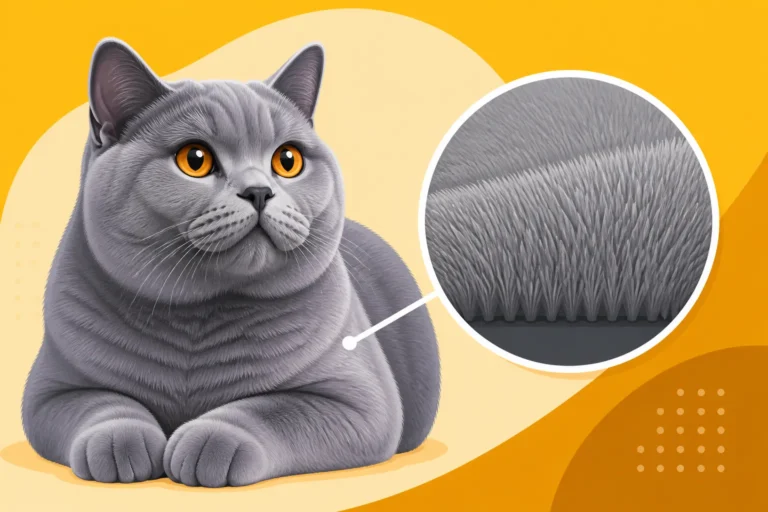
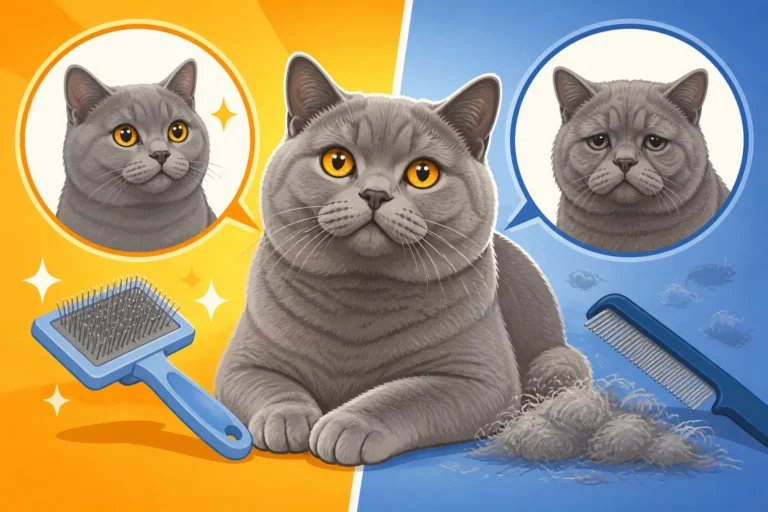
A British Shorthair's coat is wonderfully dense and plush, and this density extends to the fur covering their jowls. While the jowls themselves are usually firm, the fur can sometimes be thicker in this area. Regular grooming is always important for a British Shorthair to prevent matting and manage shedding.
When you're grooming your British Shorthair, pay a little extra attention to the jowl area. Use a good quality steel comb to gently work through the fur, ensuring there are no tangles or mats that could cause discomfort. Because the jowls are a prominent feature, they might rub against things more often, potentially leading to more localized matting if not combed regularly. A natural bristle brush can also help to smooth the fur and distribute natural oils, keeping the jowls looking pristine. This routine not only keeps them looking sharp but also serves as a bonding experience. Consider a fine-toothed metal comb, available at retailers like Chewy or Amazon, to get through that dense coat effectively. We often talk about Which Comb a British Shorthair Needs to avoid damaging their unique coat.
Ensuring Proper Hydration and Dental Health
While not directly related to jowls, proper hydration and dental health are crucial for overall feline well-being, and they can indirectly impact the comfort of a jowly cat. A cat that is consistently dehydrated might have drier skin or a duller coat, which could theoretically affect the skin and fur around the jowls. Ensuring access to fresh water, perhaps even through a water fountain, is key. Many British Shorthairs don't drink enough water naturally, which can lead to urinary issues down the line.
Dental health is also paramount. A British Shorthair with strong, healthy teeth and gums is more comfortable eating and less likely to experience facial pain that could be confused with jowl issues. Regular dental check-ups and at-home brushing (if your cat tolerates it!) are vital. If your cat has dental disease, it can sometimes lead to facial swelling that might be mistaken for an exaggerated jowl, so keeping those pearly whites clean is important. If you’re struggling with dental care, there are many excellent dental chews and water additives available from brands like Chewy or your local pet store that can help. For more details on oral care, look for information on Gingivitis in a British Shorthair.
Maintaining a Healthy Weight
We've already touched on it, but it bears repeating: maintaining a healthy weight is absolutely crucial for your British Shorthair, jowls or no jowls. While jowls are a breed characteristic, they should never be confused with excess fat. An overweight British Shorthair will carry fat everywhere, not just on their cheeks.
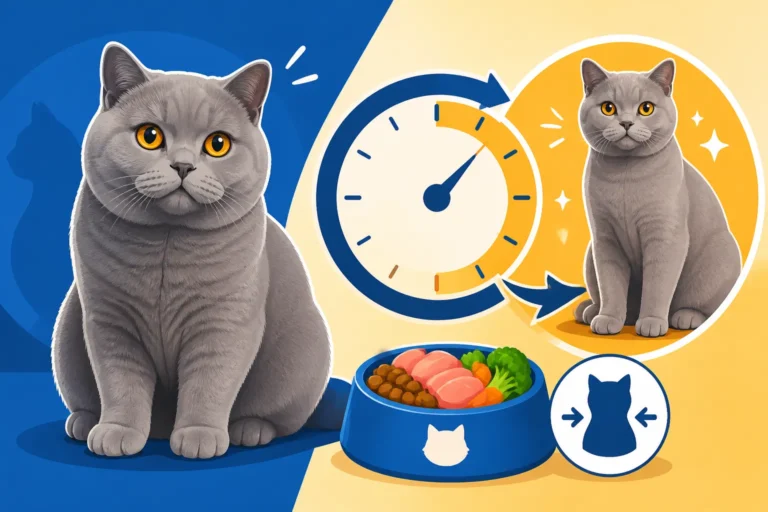
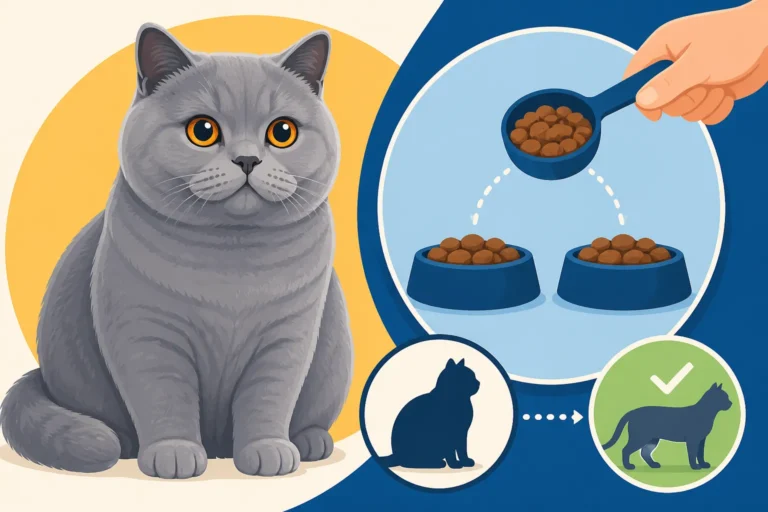
Focus on portion control and appropriate nutrition. British Shorthairs are notoriously fond of food and not particularly active, making them prone to obesity. Work with your vet to determine the ideal caloric intake for your cat based on their age, activity level, and current weight. High-quality wet food can be beneficial as it provides more moisture and can help with satiety. Even healthy weight loss should be gradual, typically 1-2% of their body weight per week, to avoid serious health complications like hepatic lipidosis. Don't be tempted to crash diet your cat! Healthy eating is key to a long, happy life, even for a cat with a naturally rounded silhouette. Many reputable pet food brands offer specific weight management formulas. If you're wondering How Many Calories a British Shorthair Needs, a vet visit is the best first step.
Debunking Myths About British Shorthair Jowls
There are always misconceptions floating around, and British Shorthair jowls are no exception! Let's clear up some common myths.
Do Jowls Indicate Health Issues?
Absolutely not! In a healthy, mature male British Shorthair, well-developed jowls are a sign of good breed type and masculinity, not a health problem. They are a natural and desired characteristic, particularly in show cats. The firmness and structure of true jowls distinguish them from puffy, soft facial swelling that might indicate an underlying issue like dental abscesses, allergies, or other medical conditions.
It's important for owners to learn what their cat's normal jowls feel and look like. Any sudden changes in size, texture (e.g., becoming soft, painful, or asymmetrical), or accompanying symptoms like lethargy or loss of appetite, should always prompt a vet visit. But generally speaking, those impressive jowls are a badge of honor for your British Shorthair, a testament to his robust health and classic breed characteristics. Don't let their prominent appearance worry you unnecessarily.
Does Neutering Affect Jowl Development?
This is a very common question, and the answer is nuanced. Yes, neutering can affect jowl development, especially if done at a younger age. Since testosterone plays a significant role in the growth and prominence of jowls, removing the source of that hormone (the testes) can impact how much they develop.
If a male British Shorthair is neutered before or during adolescence (before his jowls have fully matured), they may not develop to the same extent as they would in an intact male. The face might remain a bit narrower, or the jowls might be less pronounced. However, if a male is neutered later in life, after his jowls have already fully developed, he will generally retain them. The existing tissue doesn't just disappear, although some subtle softening might occur over many years. So, while neutering can influence the degree of jowl development, it doesn't necessarily mean a neutered male will have no jowls at all, especially if they were already established. This is a common discussion point when considering Whether a Neutered British Shorthair Keeps His Jowls.
The Aesthetics of Jowls in the Show Ring
For breeders and exhibitors, prominent, well-developed jowls on a male British Shorthair are a highly desirable trait and a key component of the breed standard. In the show ring, judges look for a broad, rounded head, and jowls contribute significantly to this ideal. They provide the masculine strength and powerful appearance expected of the breed.
A male cat with strong jowls often presents a more balanced and typy overall picture. It signals maturity and adherence to the breed's historical characteristics. Therefore, when you see a champion British Shorthair male, he will almost certainly boast an impressive set of jowls that perfectly frame his face, completing that quintessential teddy bear look. It's a testament to good genetics and careful breeding that these cats embody the full majesty of the British Shorthair.
| Feature | Healthy Jowls (Male BSH) | Fat Cheeks (Obesity) |
|---|---|---|
| Feel | Firm, muscular | Soft, squishy |
| Location | Sides of face, jawline | General puffiness across face |
| Proportion | In harmony with broad head | Disproportionate, obscures neck |
| Neck | Clear (if thick) definition | Blurred, 'double chin' |
| Body Condition | Healthy, ribs easily felt | Overweight/Obese body score |
| Cause | Hormonal (testosterone), genetics | Excess caloric intake |
Disclaimer
This article is for general informational purposes only and does not constitute professional advice. Laws, prices and regulations vary by location and change over time. Consult a qualified professional for guidance on your specific situation.