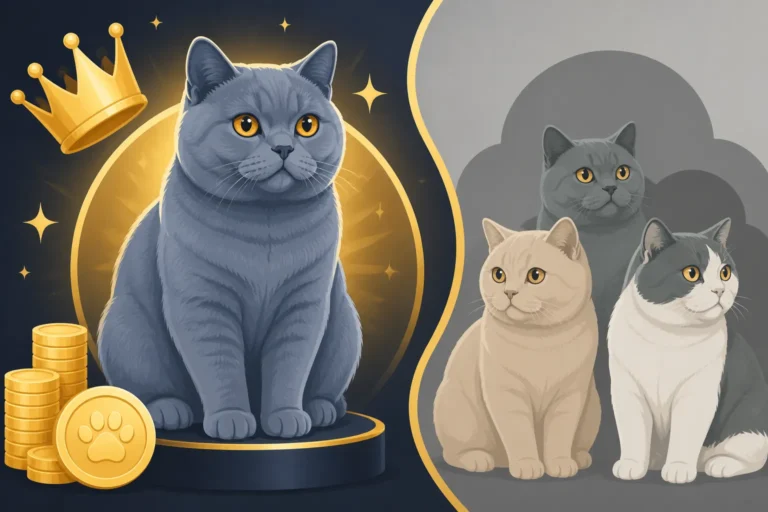
Whether a Breeder Can Promise a Big British Shorthair
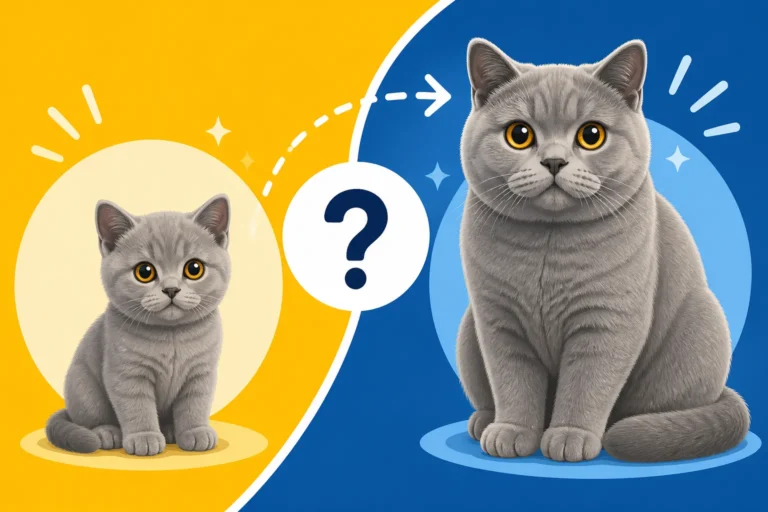
It's incredibly exciting when you're looking forward to bringing home a British Shorthair kitten, especially when you have a vision of that magnificent, substantial cat they're known to become. Many hopeful owners dream of a truly "big" British Shorthair, and it's natural to wonder if a breeder can truly guarantee that impressive size. The reality, however, is a bit more nuanced than a simple promise, and understanding this can save a lot of potential disappointment down the road.
The British Shorthair's Growth Journey Is a Marathon, Not a Sprint
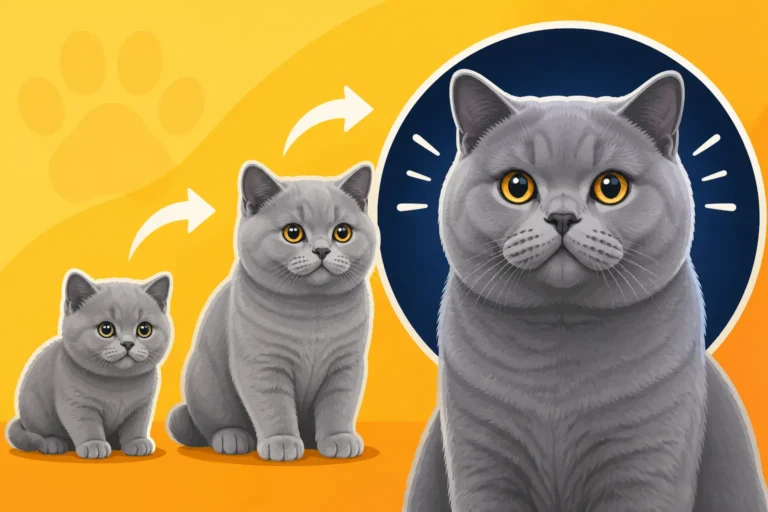
When we talk about a "big" British Shorthair, it’s important to remember that this breed doesn't reach its full majestic size overnight. Unlike some other breeds that mature quickly, British Shorthairs take their sweet time. This slow maturation period is a key factor in why predicting their ultimate size is so tricky, even for the most experienced breeders. You might bring home a chunky kitten, but their growth trajectory can still surprise you.
Slow and Steady Wins the Size Race
Your British Shorthair kitten will certainly grow, adding weight and length, but the true "filling out" process, where they develop their characteristic broad chests, solid bone structure, and famously round faces (those adorable jowls!), can take years. Many British Shorthairs aren't truly considered mature until they are three to five years old. Imagine waiting that long to see the final result! It means that the cute, chunky ball of fluff you bring home at 12-16 weeks still has a long way to go, and many stages of development where their final size and stature will be shaped. This is a crucial point that often catches first-time British Shorthair owners off guard. They expect a fully formed adult at a year, only to realize their cat is still growing into its paws. This extended growth phase is also why you often see British Shorthairs looking more refined and substantial in show rings as older adults, not as young cats.
This prolonged development means that a breeder looking at an eight-week-old kitten, or even a six-month-old, can really only give you an educated guess based on the lineage and their experience. They can tell you the average size of the parents and grandparents, and perhaps how previous litters developed, but they cannot definitively say, "This kitten will be a 15-pound male with huge jowls." There are simply too many variables at play over the course of several years. For more on their growth, you might find How Long a British Shorthair Takes to Fill Out helpful.
Genetics Play a Starring Role, But Individuality Lingers
Just like in humans, genetics are undeniably the primary driver of a British Shorthair's potential size. If both parents are large, well-built British Shorthairs that conform to the breed standard for size and type, then it's reasonable to expect their offspring to have a good chance of growing into similar adults. A breeder will usually show you the parents, and often pictures of grandparents, specifically so you can see the lineage. This gives you a visual reference for the kind of "type" – the overall structure, head shape, and size – they tend to produce.
However, even with strong genetics, individual variation is totally normal. Think of human families: tall parents don't always have equally tall children, and sometimes one child is significantly smaller or larger than their siblings. The same applies to British Shorthairs. You might have a litter where one kitten absolutely takes after its larger sire, while another is more modest in size, perhaps inheriting more from a smaller female line further back, or simply expressing a different combination of genes. Environmental factors like nutrition and general health in those formative years can also subtly influence how a kitten reaches its genetic potential. This means that while a breeder can tell you, "The parents are both excellent examples of the breed, weighing X and Y," they still can't issue a binding guarantee about a specific kitten's adult weight. For a deeper dive into genetics, check out Whether Parents Predict a British Shorthair's Size.
The Allure of "Big" and the Breeder's Dilemma
The desire for a "big" British Shorthair is completely understandable. We often associate large size with robustness, presence, and that iconic teddy bear look. Breeders are aware of this preference, and it can sometimes put them in a tricky position, balancing buyer expectations with genetic realities.
What Does "Big" Even Mean for a British Shorthair?
Before we talk about promises, let's clarify what "big" truly means in the context of a British Shorthair. This isn't a Maine Coon, built for sheer length and towering height. A "big" British Shorthair typically refers to a cat that is substantial, heavy-boned, cobby (stocky and broad), with well-developed jowls in males, and a dense, plush coat that makes them appear even larger than they are. Their weight can range significantly, but a healthy adult male might be anywhere from 12 to 18 pounds, and females from 9 to 14 pounds, sometimes more, depending on individual build and condition. So, when a buyer says "big," they might not just mean heavy, but rather a cat that embodies the breed's impressive, rounded silhouette.
The challenge for a breeder is that while they can aim for this ideal through careful breeding choices, there's no magic formula to guarantee a specific weight or physical dimension. They select for good "type" – meaning cats that conform well to the breed standard in terms of head shape, body structure, and coat quality – and often, good type naturally leads to a substantial, well-built cat. However, the final expression of those genetics can still vary. An important article to read in this context is What a British Shorthair Weighs and How Big It Gets and also What Cobby Means in a British Shorthair. It explains the ideal body type in detail.
Why Breeders Can't Really Guarantee Size
Reputable breeders will be transparent about the limitations of predicting a kitten's adult size. They know that genetics are complex and that environmental factors play a role. They can provide you with a lot of information to help you make an informed decision, but a hard guarantee is simply not feasible or ethical.
Here's what a good breeder can do:
- Show you the parents: This is the best indicator of genetic potential. Seeing the sire and dam in person, or high-quality photos/videos, gives you a clear idea of their size, build, and overall type.
- Discuss the lineage: They can share information about the size and health of previous generations, including siblings from past litters. This pattern can offer a reasonable expectation.
- Provide typical breed ranges: They can tell you the general weight and size expectations for the breed, noting that individual cats will fall within a range. What a British Shorthair Should Weigh at Two Years can give you a general idea of maturity.
- Focus on health and temperament first: Any breeder who focuses solely on "size" as a primary selling point, rather than health, temperament, and adherence to the breed standard, should raise a red flag. A truly "big" cat that has health issues or a poor temperament is not a desirable outcome.
A breeder promising a specific adult weight or dimension without any caveat is either inexperienced or, unfortunately, potentially trying to make a quick sale without fully understanding the breed's genetics or being completely honest with you. It's crucial to remember that growth is not just about raw size, but healthy development. Providing quality nutrition, perhaps from trusted brands like Chewy that offer a wide range of premium cat foods, can support healthy growth, but it won't magically make a genetically smaller cat massive.
Setting Realistic Expectations for Your British Shorthair's Size
As a prospective British Shorthair owner, managing your expectations regarding size is key to a happy experience. Instead of fixating on a number, focus on a healthy, well-built cat that embodies the breed's charming characteristics.
The Dangers of Chasing "Big" at All Costs
The desire for a truly large British Shorthair can, unfortunately, lead some owners down unhealthy paths. Attempting to "fatten up" a kitten or young cat in the hopes of making it larger than its genetics dictate is detrimental to its health. Overfeeding can lead to obesity, which is a significant problem for British Shorthairs. Their calm nature and love for food make them particularly prone to weight gain, and excess weight can lead to a host of health issues, including diabetes, arthritis, and heart problems. It negates the very idea of a healthy, robust cat.
Remember, a British Shorthair's impressive appearance comes from its solid bone structure and dense musculature, topped with that plush coat, not just fat. Obesity Is the British Shorthair's Real Disease is an absolute must-read for any British Shorthair owner, as it delves into the serious consequences of allowing your cat to become overweight. You want a cat that is substantial and well-proportioned, not simply heavy. It is important to focus on a balanced diet with controlled portions rather than free-feeding or overindulgence. Many excellent cat foods, available through retailers like Chewy, offer formulations specifically for maintaining a healthy weight.
What to Look For Instead of a Size Promise
Instead of asking a breeder for a specific size guarantee, shift your focus to more reliable indicators of a healthy, well-typed British Shorthair:
- Type and Conformation: Look for kittens with thick, sturdy legs, a broad chest, a rounded head, and a dense, plush coat. These are hallmarks of good British Shorthair type, which typically translates to a substantial adult.
- Parental Size and Health: Observe the parents. Are they well-proportioned? Do they appear healthy and active (for a British Shorthair, which means calm and not overly energetic)? Ask to see their health clearances, especially for conditions like HCM and PKD. A healthy lineage is far more important than a size promise.
- Kitten's Growth and Development: A healthy kitten should be growing steadily, be active and playful (again, for a British Shorthair), and have a good appetite without being gluttonous. Their body condition should be assessed by feeling their ribs – you should be able to feel them easily, but not see them poking out.
- Breeder's Transparency and Ethics: A good breeder will be honest about the limitations of predicting size and will emphasize health and temperament above all else. They should be willing to answer all your questions, provide references, and show you a clean, safe environment for their cats.
Here's a quick comparison of what a breeder can and cannot reasonably promise:
| Feature | What a Breeder CAN Offer (or aim for) | What a Breeder CANNOT Promise (or guarantee) |
|---|---|---|
| Adult Size | Based on parental lineage, average breed range, and past litter development; genetic potential. | A specific weight (e.g., "this cat will be 15 pounds") or precise measurement. |
| Conformation | Kittens bred from parents with excellent breed type (rounded head, cobby body, dense coat). | That every kitten will achieve perfect show conformation or a specific look. |
| Health | Health screening results for parents (e.g., HCM echoes, PKD DNA tests); healthy, well-socialized kittens. | That a kitten will never develop any health issue over its lifetime, regardless of genetic predispositions. |
| Temperament | Kittens raised in a stimulating, loving environment; parents with good, calm temperaments. | That a kitten will have a specific personality trait (e.g., "will always be a lap cat"). |
| Growth Rate | Observation of typical growth for their lines; guidance on appropriate feeding for healthy development. | That a kitten will grow faster or slower than its natural genetic pace. |
Ultimately, while the desire for a "big" British Shorthair is understandable, it's far more beneficial to focus on finding a healthy, well-socialized kitten from a reputable breeder who prioritizes the overall well-being and breed standard adherence of their cats. The impressive size and appearance will follow naturally from good genetics and proper care, rather than a specific promise. And remember, investing in pet insurance from providers like Healthy Paws can help manage unexpected health costs, regardless of your cat's size. For more on what to expect, consider reading What a British Shorthair Should Weigh at Six Months or How Much a British Shorthair Should Actually Eat.
Supporting Healthy Growth and Development
Once you bring your British Shorthair kitten home, the responsibility for its healthy growth and development falls to you. While you can't force a cat to be bigger than its genetics allow, you can certainly support it in reaching its full, healthy potential.
Nutrition and Diet for Optimal Growth
Feeding your British Shorthair the right diet from the start is paramount. Kittens need a high-quality kitten food that is formulated for growth, providing adequate protein, fats, and essential nutrients. As they mature, transitioning them to a good quality adult cat food is important, always ensuring that portion sizes are strictly controlled. British Shorthairs are notoriously good eaters, and their calm demeanor means they don't burn a lot of calories, making them very susceptible to obesity. Discussing feeding plans with your breeder and your veterinarian is crucial.
Some owners prefer to use specialized diets, and there are many excellent options available on the market. Whether you choose a high-quality kibble, wet food, or even a fresh food diet, the key is consistency and appropriate portion control. Overfeeding in the hopes of making your cat “bigger” will only make them fatter, leading to health issues rather than a more robust build. A substantial British Shorthair is solid, muscular, and well-proportioned, not simply overweight. This balanced approach to nutrition is vital throughout their life, from kittenhood right through to Caring for a British Shorthair Past Ten.
Encouraging Activity and Enrichment
Even though British Shorthairs are not known for being hyperactive, encouraging regular, gentle play is important for muscle development and maintaining a healthy weight. They might not be the most athletic cats, preferring short bursts of activity followed by long naps, but even a few dedicated play sessions a day can make a big difference. Wand toys, laser pointers (used responsibly), or puzzle feeders can stimulate their hunting instincts and get them moving.
Adequate mental and physical enrichment helps them develop into well-adjusted, healthy adults. A cat tree that can support their eventual adult weight is a good idea, even if they prefer to nap on the floor. While they might not be scaling drapes, having options for vertical space can still be enriching. Remember, a British Shorthair's robust build is a hallmark of the breed, but it should always be a sign of health, not excess fat. When you look at What a British Shorthair Does All Day, you'll see that "lounging" is a prominent feature, making your role in encouraging activity even more important.
Regular Veterinary Check-ups
Regular veterinary check-ups throughout your British Shorthair's life are essential. Your vet can monitor their growth curve, assess their body condition score, and provide guidance on nutrition and exercise. They can help catch any potential health issues early, ensuring your cat stays healthy as it grows. These check-ups are particularly important during their extended growth phase, where subtle changes in weight or development can be discussed.
Early and consistent veterinary care is an investment in your cat's long-term health, helping them achieve their genetic potential for size and longevity. Whether it's discussing appropriate calorie intake or addressing any concerns about their physical development, your vet is your best partner in ensuring your British Shorthair grows into a magnificent, healthy adult.
Disclaimer
This article is for general informational purposes only and does not constitute professional advice. Laws, prices and regulations vary by location and change over time. Consult a qualified professional for guidance on your specific situation.