How Much a British Shorthair Should Actually Eat
It's a familiar struggle for so many British Shorthair owners: you look at your beloved, round-faced companion, then at the feeding guidelines on the bag, and wonder, "Am I really feeding them enough? Or too much?" Their naturally sturdy build and generally calm demeanor can make it incredibly tricky to gauge their true needs, leading to a constant worry about their weight and overall health. This comprehensive guide is here to cut through the confusion and help you understand precisely how much food your British Shorthair should actually be eating to thrive.
The British Shorthair's Unique Nutritional Blueprint
When it comes to feeding, you simply can't treat a British Shorthair like any other cat. They have a distinctive physique, a plush coat that can hide a multitude of sins (especially around the waist!), and a metabolism that sometimes seems to be on permanent holiday. Understanding these unique traits is the first step in crafting the perfect meal plan.
Their Distinctive Build and Metabolism
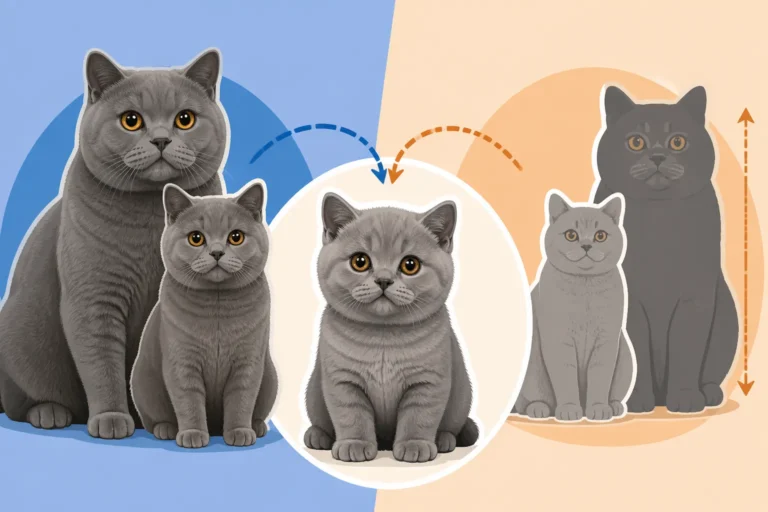
British Shorthairs are renowned for their 'cobby' bodies – broad chests, short, strong legs, and a dense, well-muscled frame. They are solid cats, not necessarily dainty, and they carry their weight differently than, say, a svelte Siamese. This means that what might look like a healthy weight for another breed could, for a British Shorthair, actually be the beginning of an overweight journey. Their calm, laid-back nature also contributes to this; they aren't typically zoomie-prone athletes burning off calories constantly. They prefer to observe, nap, and perhaps engage in a short, dignified play session. This lower activity level means their caloric needs are often less than what you might assume based on their overall size. Many owners find themselves grappling with the question of Why a British Shorthair Gains Weight So Easily. It's a combination of their build, their personality, and a genetic predisposition towards a slower metabolism.
The Impact of Age, Sex, and Sterilization
Just like us, a British Shorthair's nutritional requirements shift throughout their life. A playful kitten, still growing into its magnificent frame, will need more calories and specific nutrients to support that rapid development. You'll often find yourself wondering How Long a British Shorthair Stays on Kitten Food. As they transition into adulthood, usually around 12 months, their growth plateaus, and their energy needs decrease. If you continue feeding them kitten-sized portions, weight gain is almost inevitable.
Sex also plays a role, with males generally being larger and potentially needing slightly more food than females, although this can vary significantly between individuals. However, the most significant factor affecting their metabolic rate is sterilization. A neutered or spayed British Shorthair will almost certainly experience a metabolic slowdown, meaning they require fewer calories to maintain a healthy weight. This is a crucial point many owners overlook, leading to unintended weight gain post-surgery. It's often asked Why a Neutered British Shorthair Gains Faster. It's a real phenomenon, and adjusting their diet before the weight piles on is key.
Calculating Your British Shorthair's Caloric Needs
This is where the rubber meets the road. "How much" isn't a fixed number; it's a calculation based on several individual factors. Don't just follow the bag's general recommendations blindly; they are often overly generous for a sedentary indoor cat.
Understanding Basal Metabolic Rate and Activity Levels
Every cat has a Basal Metabolic Rate (BMR) – the calories they burn just existing, breathing, and keeping their organs functioning. On top of this, you add calories for activity. A highly active cat, even a British Shorthair that defies the stereotype by being a bit more playful, will need more energy than a true couch potato.
To estimate your cat's daily caloric needs, you'll need to consider:
- Current Weight: This is your starting point. If your cat is overweight, you'll calculate calories for their ideal weight, not their current one.
- Body Condition Score (BCS): This is far more informative than just the number on the scale. A vet can help you assess this, but generally, you should be able to feel your British Shorthair's ribs with slight pressure, and they should have a discernible waist when viewed from above. Their dense coat can be deceptive, making it hard to feel their ribs, but it's crucial for understanding if they are How to Tell a Chunky British Shorthair From a Fat One.
- Activity Level:
- Sedentary/Low Activity: Most indoor British Shorthairs fall here. They sleep a lot, have short play sessions, and don't exert themselves much.
- Moderately Active: Engages in regular, enthusiastic play, perhaps enjoys leash walks or exploring a catio.
- Active: Rare for a typical British Shorthair, but might apply to a particularly energetic young cat or one actively training for shows.
- Age: Kittens and senior cats have different needs. Growing kittens need more; aging cats often need fewer calories but might need more specific nutrients to support organ health or joint function. You'll find yourself wondering What an Aging British Shorthair Needs Softer Food and other questions as they get older.
A common formula used by vets for an indoor, neutered adult cat is roughly 20-25 calories per pound of ideal body weight. However, this is a starting point, and individual variations are significant. You might want to refer to How Many Calories a British Shorthair Needs for a deeper dive.
Why the Food Bag Isn't Always Right
Those feeding guides on the back of cat food bags are often generalized and can be misleading for specific breeds like the British Shorthair. They typically cover a broad range of weights and activity levels, often erring on the side of overfeeding to ensure even the most active cat gets enough. For a British Shorthair, who usually has a lower activity level and a tendency to gain weight, following these guidelines exactly can quickly lead to an overweight cat.
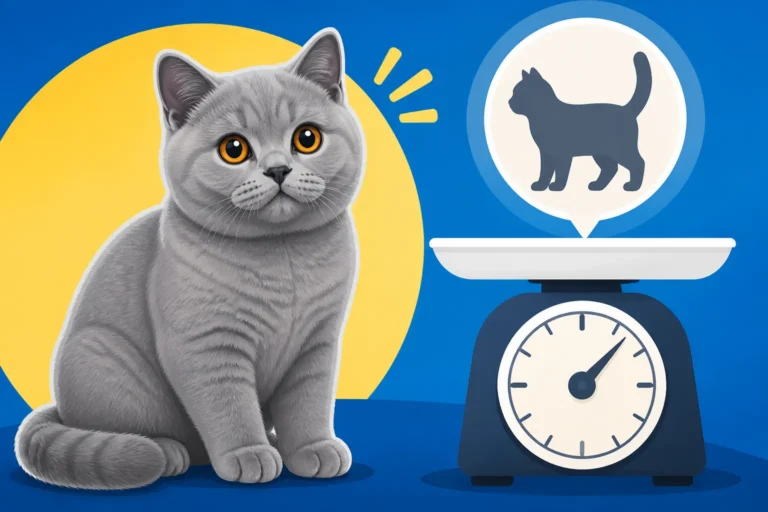
Think of it this way: the bag might recommend 1/2 cup for a 10lb cat. But if your 10lb British Shorthair is a plump teddy bear who naps 20 hours a day, that 1/2 cup might be 20% too much. It's vital to use the bag's recommendations as an initial estimate and then adjust based on your cat's individual response, observed body condition, and activity level. Regularly weighing your cat at home can be incredibly helpful for this, and understanding How to Weigh a British Shorthair at Home can make the process stress-free.
Choosing the Right Food for Your British Shorthair
Beyond just quantity, the quality and type of food you offer your British Shorthair are just as important. They need a diet that supports their muscle mass, dense coat, and overall health without contributing to unnecessary weight gain.
Wet Versus Dry Food: The Great Debate
This is a long-standing debate in the feline world, and for British Shorthairs, it holds particular relevance.
| Feature | Dry Food (Kibble) | Wet Food (Canned/Pouches) |
|---|---|---|
| Moisture Content | Low (5-10%) | High (70-85%) |
| Hydration | Less supportive of hydration; cats need to drink more | Excellent for hydration, aids kidney/urinary health |
| Dental Health | Often marketed for dental benefits, but limited in effect | No inherent dental benefits |
| Calorie Density | Generally higher per serving | Generally lower per serving (due to water content) |
| Satiety | Can be eaten quickly without feeling full | Higher water content can help cats feel fuller longer |
| Cost | Generally more economical | Often more expensive |
| Palatability | Varies; some cats prefer crunch, others rich aroma | Generally highly palatable for most cats |
For British Shorthairs, many vets and experienced owners lean towards a diet that includes a significant portion of wet food. Why? Primarily due to its high moisture content. Cats are not naturally big drinkers, and a diet rich in wet food helps ensure they get adequate hydration, which is crucial for kidney and urinary tract health. Given that urinary issues can crop up in cats, especially males, this added hydration is a huge benefit. Secondly, wet food is often less calorically dense per serving, meaning your cat can eat a larger volume to feel satisfied without consuming excess calories. This can be a game-changer when trying to manage or prevent Obesity Is the British Shorthair's Real Disease.
That's not to say dry food is inherently bad. High-quality dry kibble can certainly be part of a balanced diet, especially if chosen carefully for appropriate protein and fat levels. The key is to avoid free-feeding dry kibble, which we'll discuss next. For convenience, many owners opt to find quality foods on platforms like Chewy, where a wide range of wet and dry options are available.
Prioritizing High-Quality Protein and Appropriate Nutrients
Regardless of whether you choose wet, dry, or a mix, the focus should always be on high-quality ingredients. Cats are obligate carnivores, meaning their bodies are designed to derive nutrients from animal protein. Look for foods where meat (e.g., chicken, turkey, beef, fish) is the first ingredient, not grains or vegetable fillers.
A good diet for a British Shorthair should:
- Be High in Animal Protein: This supports their strong musculature.
- Have Moderate Fat Content: Essential for energy and a healthy coat, but excessive fat contributes to weight gain.
- Include Essential Fatty Acids: Omega-3 and Omega-6 for skin and coat health. Their plush, dense coat (What a British Shorthair's Coat Is Like) thrives on good nutrition.
- Be Low in Carbohydrates: Cats don't efficiently process carbs, and excess can be stored as fat.
- Contain Taurine: An essential amino acid crucial for heart and eye health.
Some owners are even exploring fresh food options for their British Shorthairs, such as customized, human-grade meals. While these can be excellent, they often require careful attention to portioning and nutritional balance, especially for a breed prone to weight gain. Always discuss significant dietary changes with your vet to ensure all nutritional needs are met.
Practical Feeding Strategies for a Healthy Weight
Now that you understand the "why," let's dive into the "how." Implementing effective feeding strategies is paramount to keeping your British Shorthair at a healthy weight.
The Dangers of Free Feeding
This is arguably the single biggest mistake British Shorthair owners make. Free feeding, or leaving a bowl of dry kibble out all day for your cat to graze on, is a recipe for obesity for this particular breed. As we've discussed, British Shorthairs are not highly active, and they often lack the "self-control" to stop eating when they're full. They'll eat simply because the food is there, leading to a steady, often unnoticed, creep in weight.
Moreover, free feeding makes it impossible to monitor how much your cat is actually consuming, which is vital for detecting changes in appetite that could signal a health issue. It also allows the food to go stale, reducing its appeal, and can attract pests. If you're currently free-feeding, understanding Why Free Feeding Ruins a British Shorthair might be the wake-up call you need to switch to a more controlled method.
The Power of Portion Control
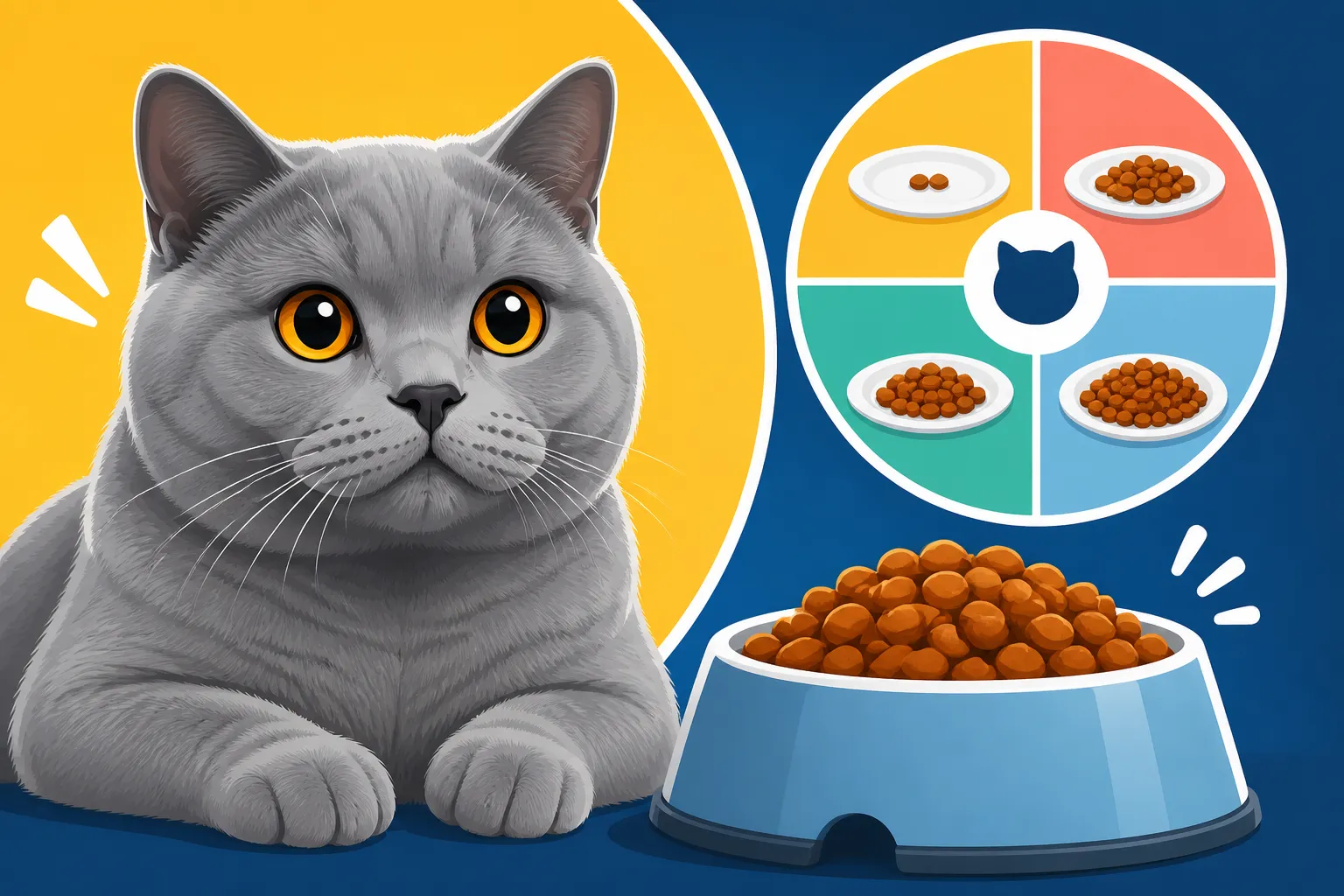
For a British Shorthair, portion control isn't just a recommendation; it's a necessity. This means measuring out a precise amount of food for each meal. This is the bedrock of managing their weight and ensuring they receive the exact calories they need, no more, no less. Portion Control Is the Whole Job With a British Shorthair truly emphasizes its importance.
Here’s how to implement effective portion control:
- Calculate Daily Calories: Start with your vet's recommendation or use the 20-25 calories per pound of ideal body weight as a guideline.
- Measure Accurately: Use a digital kitchen scale for dry food (it's far more accurate than measuring cups, which can vary wildly) and precise measuring spoons for wet food if not using a whole can/pouch.
- Divide into Meals: Most adult British Shorthairs do well with two meals a day, usually morning and evening. This helps regulate their appetite and metabolism. For kittens, more frequent, smaller meals (3-4 times a day) are appropriate.
- Stick to the Plan: Be consistent. Don't eyeball it, and don't succumb to those adorable, pleading eyes for extra snacks between meals.
Adjusting for Weight Management
If your British Shorthair is already carrying a few extra pounds, simply reducing their current portion isn't always the best strategy. You need a controlled approach to ensure healthy weight loss. Crash diets in cats can be incredibly dangerous, leading to hepatic lipidosis (fatty liver disease), which can be fatal. Why Crash Dieting Harms a British Shorthair explains this in more detail.
Instead, work with your veterinarian. They can help you:
- Determine an Ideal Target Weight: Based on your cat's breed standard and individual frame.
- Calculate a Weight Loss Calorie Target: This is typically 10-20% less than their maintenance calories, leading to a gradual, safe weight loss of about 1-2% of their body weight per week.
- Recommend a Prescription Diet: For significant weight loss, a vet-prescribed "weight management" or "metabolic" diet might be appropriate. These foods are formulated to be lower in calories but still provide all essential nutrients, often with higher fiber to help cats feel full.
- Monitor Progress: Regular weigh-ins (every 2-4 weeks) are essential to track progress and make necessary adjustments. Your vet can show you How to Score a British Shorthair's Body Condition to help you monitor at home.
Remember that diet is only one part of the equation; encouraging activity (even if it's just a few minutes of play with a wand toy) also helps. How to Get a British Shorthair to Move offers some great tips. Managing a British Shorthair's weight can be an ongoing journey, and sometimes, health issues like Whether an Overweight British Shorthair Gets Diabetes can arise, making careful monitoring and vet involvement even more critical.
Treats and Human Food: A Word of Caution
We all love to spoil our furry friends, but treats and human food can quickly sabotage even the most carefully planned diet. Those little morsels add up! Many commercial cat treats are surprisingly high in calories. If you must give treats, factor them into your cat's daily caloric allowance. A good rule of thumb is that treats should make up no more than 10% of their total daily calories.
Consider healthier alternatives:
- Small pieces of cooked, plain chicken or fish: A high-protein, low-calorie option.
- Freeze-dried meat treats: Often single-ingredient and very appealing.
- Interactive play as a reward: Sometimes the best "treat" is your undivided attention during a play session.
By understanding your British Shorthair's unique needs, carefully calculating their caloric intake, choosing appropriate foods, and implementing strict portion control, you can ensure your cherished companion remains healthy, happy, and at a perfect weight for many years to come.
Disclaimer
This article is for general informational purposes only and does not constitute professional advice. Laws, prices and regulations vary by location and change over time. Consult a qualified professional for guidance on your specific situation.