Why a Neutered British Shorthair Gains Faster
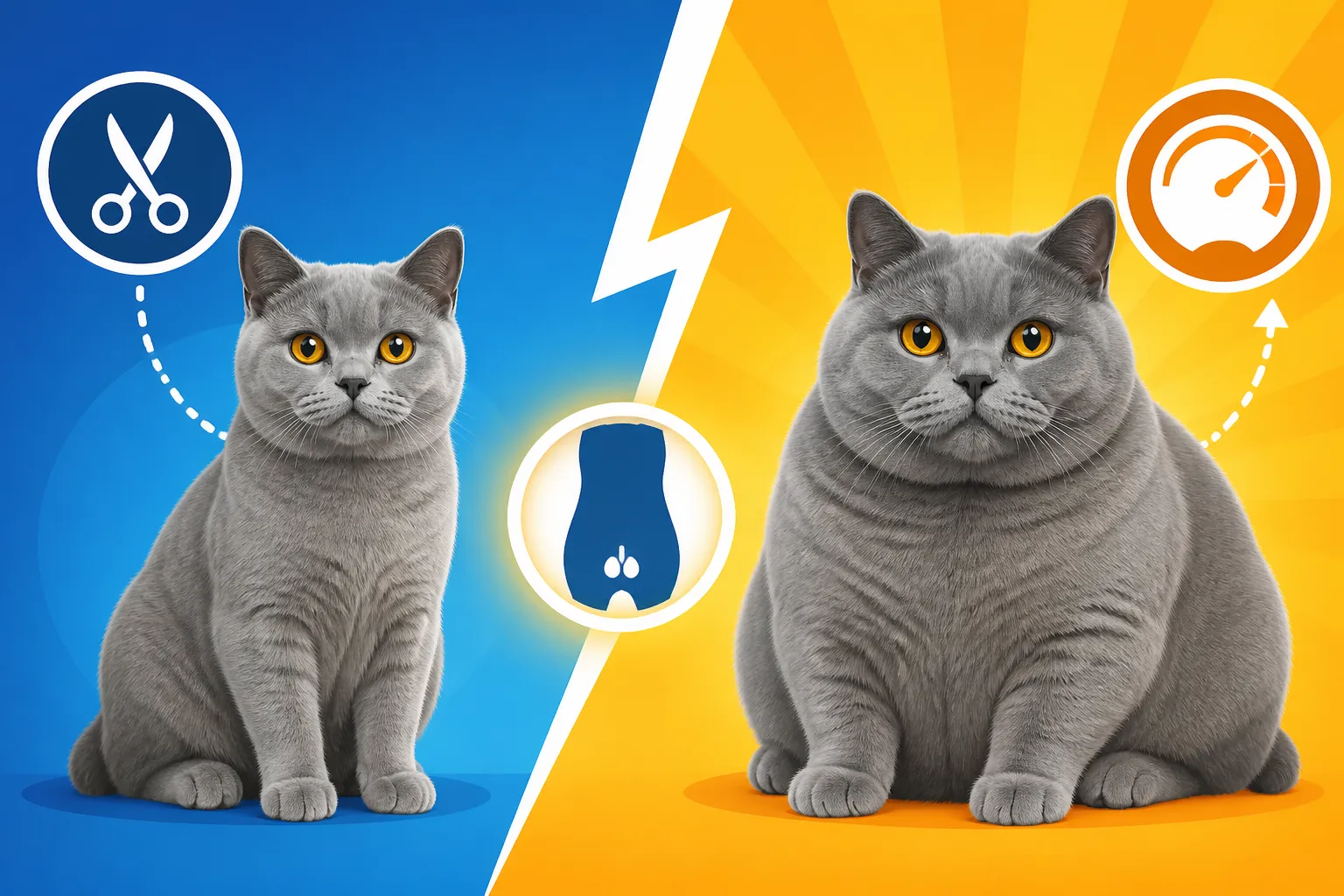
It’s a tale as old as time for many British Shorthair owners: you bring home your adorable, chunky kitten, they grow into a magnificent adult, and then, after they’ve been neutered, you suddenly notice a significant and sometimes alarming weight gain. This isn't just a coincidence; there are very real physiological reasons why your neutered British Shorthair seems to pack on the pounds faster than an intact cat, and understanding these changes is the first step in keeping them healthy.
The Hormonal Shift After Neutering
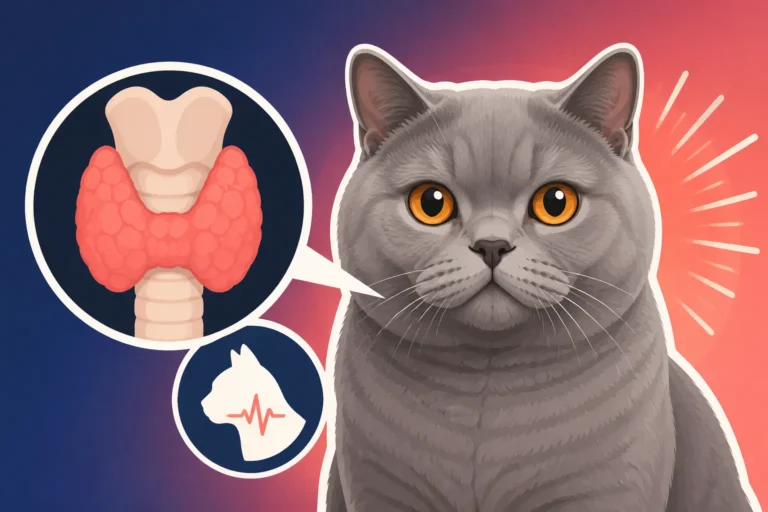
Neutering, whether it's spaying a female or castrating a male, brings about profound hormonal changes that affect a cat's metabolism and behavior. These changes, while crucial for population control and preventing certain health issues, also set the stage for quicker weight gain. It’s not just a matter of them being less "distracted" by reproductive urges; their very internal chemistry shifts.
Reduced Metabolic Rate
One of the primary drivers behind post-neutering weight gain is a significant reduction in your cat's basal metabolic rate. Before neutering, sex hormones like testosterone in males and estrogen in females play a vital role in regulating metabolism and energy expenditure. Think of these hormones as tiny internal thermostats, keeping your cat's furnace burning a bit hotter.
Once these hormones are no longer produced, that internal thermostat gets turned down. Research indicates that a neutered cat's energy requirements can decrease by as much as 20-30% compared to an intact cat of the same age and activity level. This means that if your British Shorthair was eating, say, 250 calories a day before surgery and maintaining a healthy weight, continuing to feed them the exact same amount afterward will inevitably lead to weight gain. Their body simply doesn't need to burn as many calories to function anymore. This metabolic slowdown isn't always immediately obvious, but over weeks and months, those unused calories quickly add up, turning into extra padding.
Increased Appetite and Activity Changes
Beyond the metabolic slowdown, neutering often ushers in a noticeable increase in appetite, creating a double-whammy for weight management. Many owners report that their once discerning British Shorthair suddenly seems ravenous, always hovering by the food bowl or vocalizing for more. This isn't just them being cheeky; it’s thought to be linked to changes in hormones that regulate hunger and satiety, like leptin and ghrelin. These internal signals might be telling your cat they’re hungrier than they truly are, or that they haven’t eaten enough, even when their caloric needs are actually lower.
Compounding this increased desire for food is the British Shorthair's already laid-back nature. If you've ever owned one, you know these cats are often more inclined to snooze on a sunbeam than chase a feather wand for hours. While an intact cat might have had a bit more "pep" due to hormones, a neutered British Shorthair can become even more sedentary. The absence of reproductive drives also means less roaming, less seeking out mates, and generally less activity. They're often perfectly content to just… exist. This combination of wanting to eat more and moving less creates a perfect storm for rapid weight accumulation. You might not even notice the subtle decrease in their overall activity until you feel that extra squish around their middle.
Lifestyle Factors Contributing to Weight Gain
While the physiological changes post-neutering are undeniable, lifestyle choices made by us, their loving human companions, often exacerbate the issue. We mean well, of course, but sometimes our habits don't align with our British Shorthair's evolving needs. Their naturally placid temperament, combined with their adorable "teddy bear" look, makes it easy to overlook when they start carrying a few extra ounces. It's a common struggle that many British Shorthair owners face.
Overfeeding and Inappropriate Diet
This is arguably the biggest culprit in weight gain for any cat, but especially for neutered British Shorthairs. It’s easy to fall into the trap of free-feeding, where a bowl of kibble is always available. While convenient for owners, this method makes it incredibly difficult to monitor intake and virtually guarantees overconsumption for a cat whose appetite signals might be haywire. Even if you don't free-feed, those "little" extra treats throughout the day add up shockingly fast. A few extra pieces of kibble or a couple of cat treats might seem insignificant, but they can easily exceed a British Shorthair's reduced daily calorie needs.
Many owners also continue to feed the same amount of food they did before neutering, unaware of the significant drop in caloric requirements. Suddenly, the portion that kept them trim now contributes to steady weight gain. High-calorie dry foods, while convenient, can also be problematic if not carefully measured. Wet food, often lower in calories per serving and higher in moisture, can be a better option for weight management, helping your cat feel fuller on fewer calories. Understanding exactly How Much an Adult British Shorthair Eats is crucial, and it’s likely less than you think, especially after neutering. The saying "Portion Control Is the Whole Job With a British Shorthair" really rings true here.
Lack of Adequate Exercise and Mental Stimulation
British Shorthairs are, by nature, not the most athletic of felines. They possess a calm, dignified demeanor that makes them wonderful, low-maintenance companions, but also prone to inactivity. After neutering, this tendency can become even more pronounced. They might sleep more, play less intensely, and show less interest in exploring or climbing. This natural inclination to be a "couch potato" means they burn even fewer calories than their already reduced metabolic rate suggests.
Many indoor British Shorthairs simply don't get enough structured exercise. They might bat at a toy for a minute or two, then flop down for a nap. Without intentional effort from their owners, they won't seek out enough physical activity to stay lean. This is why it's vital to focus on "Getting a Low Energy British Shorthair to Move" deliberately. Furthermore, a lack of mental stimulation can also contribute to a sedentary lifestyle. A bored cat might seek comfort in food or simply conserve energy by sleeping more. This combination of reduced hormonal drive, natural laziness, and insufficient interactive play leads to a caloric surplus almost every single day.
Strategies to Manage Weight in Neutered British Shorthairs
Okay, so we know why your neutered British Shorthair might be packing on the pounds. The good news is, armed with this knowledge, you can absolutely implement strategies to help them maintain a healthy weight and live their best, longest life. It’s all about making informed choices and being consistent, which can feel like a challenge with a cat who stares at you expectantly when they think it's food time.
Tailoring Diet and Portion Control
This is hands down the most impactful area where you can make a difference. The first step is to accurately assess your British Shorthair's ideal weight and their current body condition. Your vet can help with this, giving you a target weight and a realistic timeline to reach it. From there, you'll need to calculate their appropriate caloric intake. Remember, this will be significantly less than an intact cat's needs, and likely less than what you were feeding before neutering. A general rule of thumb from veterinarians is about 20-25 calories per pound of ideal body weight for a moderately active adult cat, but this needs to be adjusted downwards for a sedentary, neutered British Shorthair.
Switching from free-feeding to scheduled meals is paramount. Two to three measured meals a day is ideal. This allows you to control exactly how much they eat and monitor their appetite. If you're using dry kibble, invest in a good measuring scoop and be precise. Consider incorporating more wet food into their diet. Wet food typically has a higher water content, which helps with satiety and can be beneficial for their urinary health. There are many excellent weight management cat foods available, some specifically formulated with fewer calories and higher fiber to help cats feel full. In more severe cases, your vet might recommend a prescription weight-loss diet, which are highly effective but require veterinary supervision. For any health-related vet visits, particularly those linked to obesity or potential secondary issues, a pet insurance plan like Healthy Paws could help manage the costs, allowing you to focus on your cat's health without financial stress.
Boosting Activity and Environmental Enrichment
Even the most stoic British Shorthair needs to move! While they may not be scaling curtains, engaging them in daily, interactive play is crucial. Aim for two to three short play sessions (5-10 minutes each) throughout the day. Wand toys with feathers or ribbons are often a huge hit, mimicking prey behavior and encouraging them to stalk, pounce, and chase. Laser pointers can be fun, but always end a session by letting them "catch" a physical toy to prevent frustration. Puzzle feeders are fantastic for both mental stimulation and slowing down eating, turning mealtime into a fun challenge. This directly addresses the issue of "Why a British Shorthair Will Not Exercise Itself."
Environmental enrichment is also key. British Shorthairs might not be extreme climbers, but they still appreciate vertical space. Provide sturdy cat trees that can safely support their weight, or window perches where they can observe the world outside. A comfortable, accessible catio can offer safe outdoor stimulation. If you're considering a second cat, choosing a playful but not overly boisterous breed can encourage more activity in your British Shorthair, as long as introductions are done carefully. Every little bit of movement adds up.
Regular Vet Check-ups and Monitoring
Consistent veterinary oversight is your best friend in the battle against post-neutering weight gain. Regular wellness exams, at least once a year, are essential for monitoring your cat's weight, body condition, and overall health. Your vet can detect subtle changes and offer personalized dietary and exercise recommendations. They can also rule out any underlying medical conditions that might contribute to weight gain, though in neutered British Shorthairs, it's almost always a caloric imbalance. Especially as they age, "Caring for a British Shorthair Past Ten" requires even more diligence, and weight management becomes increasingly important for preventing age-related issues.
At home, you should be routinely monitoring your British Shorthair's weight. Learning "How to Weigh a British Shorthair at Home" is simple; you can use a baby scale or weigh yourself, then weigh yourself holding your cat, and subtract the difference. Aim to do this weekly or bi-weekly initially, then monthly once their weight is stable. You also need to learn how to body condition score by feeling their ribs, spine, and waist. You should be able to easily feel their ribs with slight pressure, without them being visible. If you're struggling to feel them through their plush coat, it's a sign they're likely overweight. Don't be afraid to ask your vet for a demonstration on how to properly assess their body condition. Early detection of weight gain makes it much easier to correct.
Understanding the Long-Term Health Risks of Obesity
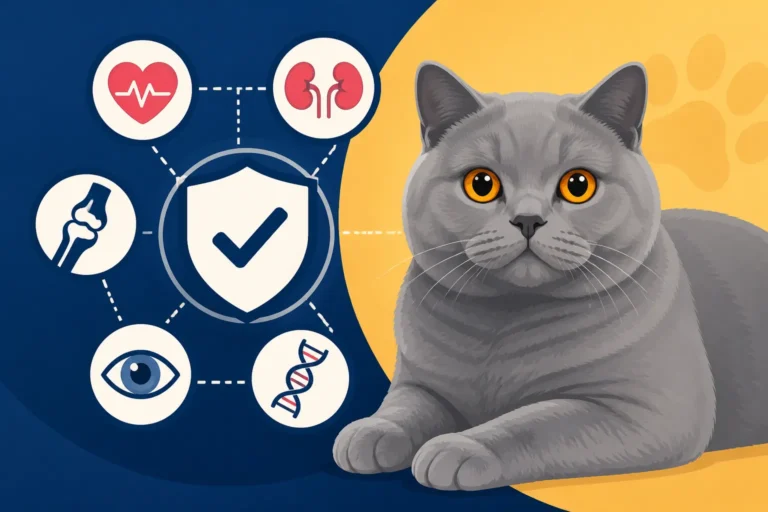
It's easy to look at a pudgy British Shorthair and think they just look "cuddly" or "more to love," but the reality is that excess weight carries serious health consequences that can dramatically impact their quality of life and shorten their lifespan. This isn't just about aesthetics; it's about genuine well-being. Ignored weight gain can lead to chronic pain and costly medical interventions down the road, which is why preventive care is so vital.
Impact on Joints and Mobility
British Shorthairs are naturally sturdy cats, known for their powerful, cobby build. While this makes them robust, it also means that carrying extra weight places immense strain on their joints, particularly their hips, knees, and spine. Imagine walking around all day with a heavy backpack – eventually, your joints will start to ache. For a cat, this leads to conditions like arthritis, making simple movements painful. This is especially true for an "Arthritis in an Older British Shorthair". You might notice your cat becoming less active, struggling to jump onto furniture, or even having difficulty getting into their litter box. They might walk with a stiffer gait or show reluctance to engage in play.
This reduced mobility creates a vicious cycle: the pain discourages movement, which leads to even more weight gain, exacerbating the joint issues. An overweight British Shorthair may also struggle with grooming, particularly reaching their back and hindquarters. This can lead to matted fur, skin infections, and a generally unkempt appearance, all contributing to a diminished quality of life. Understanding "What Obesity Does to a British Shorthair's Joints" is key to appreciating the urgency of weight management.
Increased Risk of Chronic Diseases
Beyond joint issues, obesity significantly elevates the risk of several other serious chronic health problems, ultimately shortening "The Twelve to Seventeen Years a British Shorthair Gets" with you. One of the most common and devastating is diabetes mellitus. Just like in humans, overweight cats can develop insulin resistance, leading to elevated blood sugar levels. Diagnosing "Diabetes in a British Shorthair" means a lifetime of insulin injections and special diets, which is a huge commitment for both cat and owner, and can be very expensive.
Another severe risk is hepatic lipidosis, or fatty liver disease. When an overweight cat stops eating for even a short period (perhaps due to stress or another illness), their body rapidly mobilizes fat stores to the liver, which can become overwhelmed. This condition can quickly become life-threatening. Obesity also contributes to "Urinary Problems in a British Shorthair" such as bladder stones and lower urinary tract disease, as overweight cats may drink less water and have more concentrated urine. Furthermore, there's evidence that obesity can increase the risk of certain cancers and put undue strain on the cardiovascular system, leading to heart issues. The long-term consequences are truly profound, making weight management not just desirable, but absolutely essential for your British Shorthair's health and longevity.
Disclaimer
The information provided in this article is for general informational purposes only and is not a substitute for professional veterinary advice. Always consult with a qualified veterinarian for any health concerns or before making any decisions related to your pet's health and treatment.