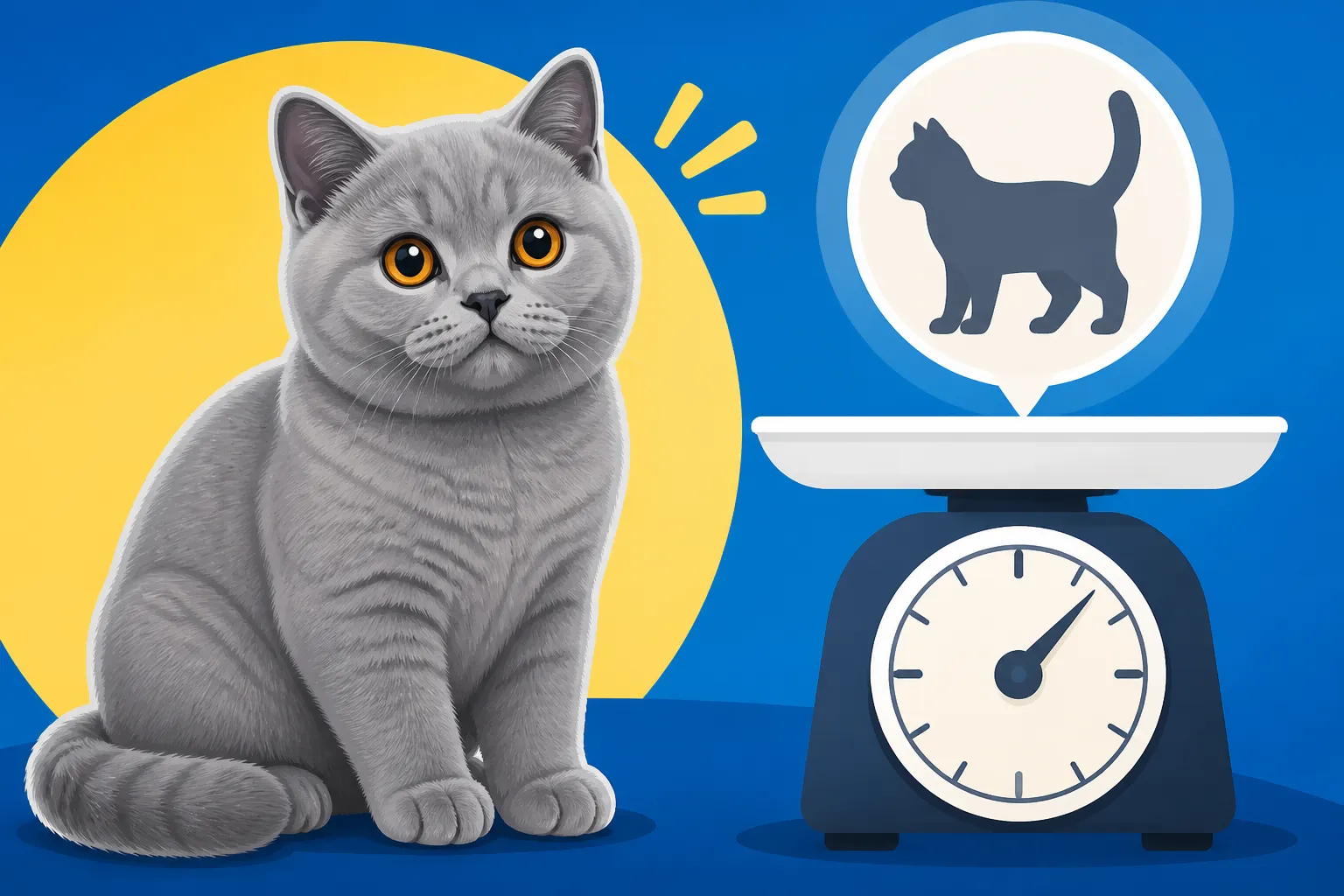
What a British Shorthair Should Weigh at Six Months
It's incredibly natural to watch your British Shorthair kitten grow and wonder if they're hitting all the right milestones. We all want our furry companions to be healthy, and sometimes their unique, slow-growing nature can make us question if they're on the right track, especially when it comes to their weight. This guide will help you understand what's typical for a British Shorthair at six months old, what factors play a role in their size, and when it might be time to have a chat with your vet.
The British Shorthair Growth Journey From Kitten to Cobby Cat
Oh, the joys and anxieties of watching your little lion grow! British Shorthairs are a breed unlike many others, and their growth pattern often catches new owners by surprise. They aren't the kind of cat that hits their full size and heft in a year; they take their sweet, majestic time. This slow and steady approach to development is one of the hallmarks of the breed, contributing to their impressive, rounded adult physique.
Understanding Their Unique Growth Trajectory
When you first bring home a British Shorthair kitten, they often look like fluffy little teddy bears. As they hit around six months, you might notice them entering a somewhat awkward "teenage" phase. They can look a bit lanky, maybe not quite as perfectly rounded as the adult British Shorthairs you see in pictures. This is entirely normal! Unlike many domestic shorthairs or even some purebreds that reach their adult size by 12-18 months, British Shorthairs are genuine slow growers. Many won't truly "fill out" and achieve that iconic cobby, broad-chested appearance until they are three to five years old. It takes time for their musculature to develop fully and for those magnificent jowls to settle in, especially on the males. Patience is definitely a virtue with this breed when it comes to their physical maturation. If you're curious about the full timeline, you might want to read When a British Shorthair Reaches Full Size.
It's easy to compare them to other cats or even other breeds and feel a pang of worry. "Is my cat too small? Too thin?" These thoughts are common. But remember, they are built differently, designed for that sturdy, powerful frame that comes with age. Their bone structure is developing, and their internal organs are maturing, all while their soft, dense coat starts to transform into the "crisp" texture that is so characteristic of the breed. This intermediate stage, particularly around six months, is a dynamic period where they're transitioning from kittenhood to young adulthood, and their weight will reflect this ongoing development rather than a final, settled state.
Key Developmental Milestones at Six Months
At six months, your British Shorthair kitten is likely a bundle of conflicting energy – sometimes surprisingly playful, other times perfectly content to observe from a comfortable perch. Physically, they're probably somewhere between 70-80% of their eventual adult height and length, but much less of their adult bulk. Their head might still seem a little small compared to their body, and their legs might appear a bit longer than you expect for a breed known for its "cobby" build. This is a crucial time for their skeletal development and muscle growth.
Many British Shorthair kittens are also being neutered or spayed around this age. This significant hormonal change can impact their metabolism and growth rate. While it helps prevent unwanted pregnancies and certain health issues, it can also lead to a tendency for weight gain later on if not managed with careful portion control. Therefore, monitoring their weight and overall body condition becomes even more important during and after this period. They are still building their immune system and getting their full range of adult teeth, so good nutrition is paramount.
They might still have some of their baby fluff, but you'll start to feel the denser, more resilient adult coat coming in. Their eye color, which might have been a bit hazy blue as a tiny kitten, should now be setting into its permanent shade, whether that's the striking copper, gold, or green that defines the breed's varied appearance. This is truly the "adolescent" stage, where they're shedding the last vestiges of kittenhood while slowly, steadily laying the foundation for their grand adult form.
What a Six-Month-Old British Shorthair Should Weigh
Pinpointing an exact weight for a six-month-old British Shorthair is a bit like trying to catch mist in your hands – it's a range, and it varies quite a bit depending on whether you have a male or a female, and their individual genetics. However, we can certainly give you a good benchmark to aim for, which can help ease those worries about whether your precious fluffball is growing appropriately.
Typical Weight Ranges for Males and Females
Generally speaking, a six-month-old male British Shorthair might weigh anywhere from 6 to 9 pounds (approximately 2.7 to 4.1 kg). Females, being naturally smaller and often maturing a little slower in terms of sheer bulk, typically fall into a range of 5 to 8 pounds (approximately 2.3 to 3.6 kg) at the same age. It's important to remember that these are just averages. A kitten from large parents might lean towards the higher end of the scale, while one from slightly smaller lineage could be perfectly healthy at the lower end. What's most crucial is consistent, healthy growth, not necessarily hitting an arbitrary number perfectly.
Think of it this way: just like human teenagers, some have growth spurts earlier, some later, and some are just naturally more petite or robust. Your kitten's vet will be looking at their overall trajectory, not just a single snapshot of their weight. If your kitten is consistently gaining weight, is energetic, has a good appetite, and a healthy coat, they are likely doing just fine. Don't stress too much if they're a little outside these numbers; it's the general trend and overall health that truly matter. For more specific adult weight expectations, you might want to look into How Much a Male British Shorthair Should Weigh and How Much a Female British Shorthair Should Weigh.
To help visualize these ranges, here's a quick table:
| Gender | Typical Weight Range at 6 Months (Approximate) |
|---|---|
| Male | 6-9 pounds (2.7-4.1 kg) |
| Female | 5-8 pounds (2.3-3.6 kg) |
This table serves as a general guide, offering a quick reference point for what you might expect. However, every British Shorthair is an individual, and their unique genetic blueprint and environmental factors will play a role in where they land within these ranges. Consistency in growth and overall vitality are far more important indicators of health than hitting an exact number on the scale.
Visual Cues Versus the Scale
While the number on the scale offers a tangible data point, it's actually just one piece of the puzzle. For British Shorthairs, with their incredibly dense coats and naturally stocky build, simply looking at them or relying solely on weight can be misleading. A far more reliable indicator of your cat's health is their body condition score (BCS). This involves a visual assessment and a hands-on check, feeling certain areas of their body.
When you run your hands along your six-month-old British Shorthair's sides, you should be able to feel their ribs without pressing too hard. They shouldn't be sticking out sharply, nor should they be impossible to feel beneath a layer of fat. From above, you should see a slight indentation or "waist" just behind their ribs, before their hips. If your kitten looks like a perfect cylinder, or if their ribs are too prominent, it's worth taking note. The dense coat of a British Shorthair can famously hide a multitude of sins, both too much weight and too little. You'd be surprised how much their fluffy exterior can disguise! Understanding How to Feel a British Shorthair's Ribs Through the Plush is an invaluable skill for any owner.
Pay attention to other physical cues too: is their spine easily palpable or cushioned? Is their tail base thick and firm, or can you feel the bones easily? A healthy six-month-old should have a good, solid feel to them, but not be overly padded. Their musculature should be developing, giving them a sense of sturdy kittenhood, rather than a fragile or overly squishy feel. Regular checks like these, in conjunction with weighing, provide a holistic view of their physical development.
Factors Influencing Your Kitten's Weight at Six Months
There's no single magic formula for a British Shorthair's weight at six months; it's a dynamic interplay of various factors, some within your control and some that are simply part of their unique genetic makeup. Understanding these influences can empower you to make the best choices for your growing companion.
Genetics and Parental Influence
The genetic blueprint inherited from their parents plays an enormous role in your British Shorthair's size and eventual adult weight, and this influence is already evident by six months. If your kitten comes from a line of large, robust British Shorthairs, it's more likely they will also be on the larger side, even at this early stage. Conversely, if their parents were slightly smaller, your kitten might naturally fall into the lower end of the typical weight range. A reputable breeder should be transparent about the size and weight of the parents, and ideally, provide health clearances and growth information for their lines. This insight can offer a valuable predictor of your kitten's potential growth trajectory.
Beyond just size, genetics can also influence metabolism and predisposition to certain conditions. Some lines might naturally have a slightly faster metabolism, while others might be more prone to weight gain, even at a young age. This isn't something you can change, but it is something you can be aware of and work with. Knowing your cat's genetic background, even broadly, helps set realistic expectations for their growth and can help you tailor their care to their individual needs.
Diet, Nutrition, and Feeding Habits
What you feed your British Shorthair kitten, how much, and how often, are absolutely critical factors in their weight at six months and beyond. Kittens, especially those of a slow-growing breed like the British Shorthair, require a high-quality, balanced diet specifically formulated for kittens or all life stages. This food should provide adequate protein for muscle development, healthy fats for energy and coat health, and essential vitamins and minerals for overall skeletal and organ development. Feeding a diet that is too low in nutrients, or conversely, overfeeding with calorie-dense, low-quality food, can both lead to unhealthy weight patterns.
Portion control, even at six months, is paramount for British Shorthairs. They are known for their love of food and their tendency to gain weight easily. While a growing kitten needs more calories than an adult, it's still crucial to follow feeding guidelines on their food packaging and adjust based on their activity level and body condition. Free feeding (leaving food out all day) is almost always a recipe for an overweight British Shorthair. Consider brands that prioritize wholesome ingredients. If you're wondering exactly how much to put in the bowl, our article How Many Calories a British Shorthair Needs can give you some useful guidance. It's truly shocking how quickly those extra kibbles add up for a breed that isn't naturally inclined to burn them off.
Many owners find that feeding several smaller meals throughout the day works best for kittens, helping to regulate their metabolism and prevent them from gorging. As they approach adulthood, this might transition to two meals a day. Always ensure fresh water is available. Proper hydration is essential for digestion, kidney function, and overall health. Don't underestimate the power of consistent, thoughtful feeding habits in shaping your kitten's growth. And definitely think twice about Whether a British Shorthair Should Be Free Fed.
Activity Levels and Environment
While British Shorthairs aren't known for being hyperactive, their individual activity level still plays a significant role in their weight at six months. A kitten that engages in regular play will build healthy muscle mass and burn calories more efficiently than a sedentary one. Even short bursts of energetic play can make a difference. Toys that mimic prey, such as wand toys or laser pointers (used responsibly), can encourage movement. Interactive play is also a wonderful way to bond with your kitten and keep their minds stimulated.
The environment you provide also matters. A home with ample space for exploration, even if it's just different levels of cat trees and shelves, can encourage more movement. While British Shorthairs are typically indoor cats, a stimulating indoor environment is key to preventing boredom and encouraging physical activity. If your kitten spends most of its day napping, it's less likely to maintain an ideal weight, regardless of their diet. You might find our advice on Getting a Low Energy British Shorthair to Move helpful in inspiring your kitten to be more active.
Remember, a British Shorthair's natural inclination is often towards relaxation. It's up to us as their guardians to gently encourage them to move and play. This isn't about turning them into an Olympic athlete, but ensuring they get enough physical engagement to support healthy growth and prevent early onset of weight issues. A good balance of quality nutrition and regular, albeit gentle, exercise will ensure your six-month-old British Shorthair is developing into a strong, healthy adult.
When to Consult Your Vet About Weight Concerns
It's normal to have questions about your British Shorthair's growth, especially since they don't follow the typical cat growth curve. However, there are definitely times when those questions need to be directed to a professional. Knowing when to reach out to your veterinarian can make all the difference in catching potential issues early.
Signs of Underweight or Overweight Kittens
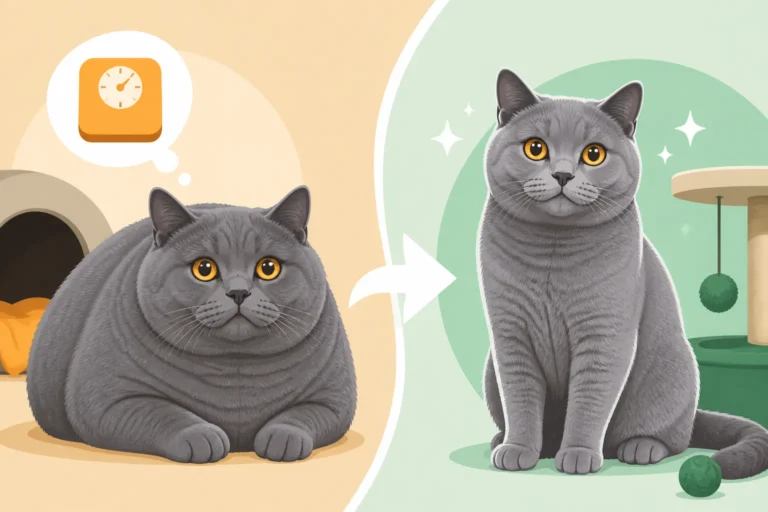
At six months, a British Shorthair kitten should be growing steadily. If you notice a sudden, unexplained drop in weight, or if they appear consistently thin with very prominent ribs and spine despite eating well, it's a red flag. Other signs of being underweight could include lethargy, a dull coat, or a lack of interest in play. On the flip side, if your kitten is starting to develop a noticeable 'potbelly' or you can no longer feel their ribs easily without pressing firmly, they might be leaning towards being overweight. Signs a British Shorthair Is Overweight can give you a more detailed checklist.
Early obesity can lead to significant health problems down the line, including diabetes and joint issues, even in young cats. Similarly, being underweight could signal underlying health problems such as parasites, digestive issues, or more serious conditions that require veterinary investigation. Your vet can accurately assess their body condition, perform diagnostics if needed, and help you adjust their diet and care plan. Trust your gut; if something feels off, it's always better to get a professional opinion rather than letting worries fester.
The Importance of Regular Vet Check-ups
Routine veterinary check-ups are absolutely non-negotiable for a growing British Shorthair kitten, especially around the six-month mark. These visits provide your vet with the opportunity to monitor your kitten's growth trajectory over time, rather than just isolated weigh-ins at home. They can perform a thorough physical examination, checking for any signs of developmental issues, dental problems as their adult teeth come in, or other health concerns that might affect their weight. They'll also be able to advise you on proper nutrition tailored to your individual kitten's needs, and discuss appropriate activity levels.
During these visits, your vet might also discuss preventative care, like ongoing parasite control and vaccine boosters. They can also address any behavioral changes you've noticed that might be related to their physical development. Investing in pet insurance, like Healthy Paws, early on can also help mitigate the costs of these routine visits and any unexpected health issues that might arise. A solid first year of screening, including these wellness checks, is crucial for setting your British Shorthair up for a long, healthy life. Understanding What a British Shorthair's First Year of Screening Totals can help you budget for these essential appointments. Remember, British Shorthairs are masters at hiding pain or discomfort, so regular professional eyes on them are truly your best defense against silent health problems.
Watching your British Shorthair kitten grow is a truly rewarding experience, and at six months, they're in a fascinating stage of transition. While it's natural to compare them to others or worry about their size, remember that their unique growth pattern means patience and a holistic approach are key. Focus on consistent, healthy weight gain within the typical ranges, pay close attention to their body condition, and work closely with your veterinarian. With proper care, nutrition, and regular check-ups, your little round-faced friend will eventually blossom into the magnificent, cobby British Shorthair you envisioned.
Disclaimer
This article is for general informational purposes only and does not constitute professional advice. Laws, prices and regulations vary by location and change over time. Consult a qualified professional for guidance on your specific situation.