Whether a Rescue British Shorthair Arrives Overweight
It's a really common, and completely valid, question to wonder about the health of a rescue cat, especially when you're considering a distinct breed like the British Shorthair. When you open your heart and home to a rescue, you're not just adopting a cat; you're taking on their past, and sometimes that past comes with some health baggage, often including weight issues. This guide will delve into whether rescue British Shorthairs commonly arrive overweight, what that means for their health, and how you can prepare to give them the healthiest life possible.
Why a Rescue British Shorthair Might Be Overweight or Underweight
Bringing a rescue British Shorthair into your home is an incredibly kind act, but it often means you're stepping into a situation with an unknown history. Unlike a kitten from a reputable breeder who provides meticulous health records and diet information, a rescue cat's background can be a bit of a mystery, and that can certainly impact their weight.
The Reality of Rescue Backgrounds
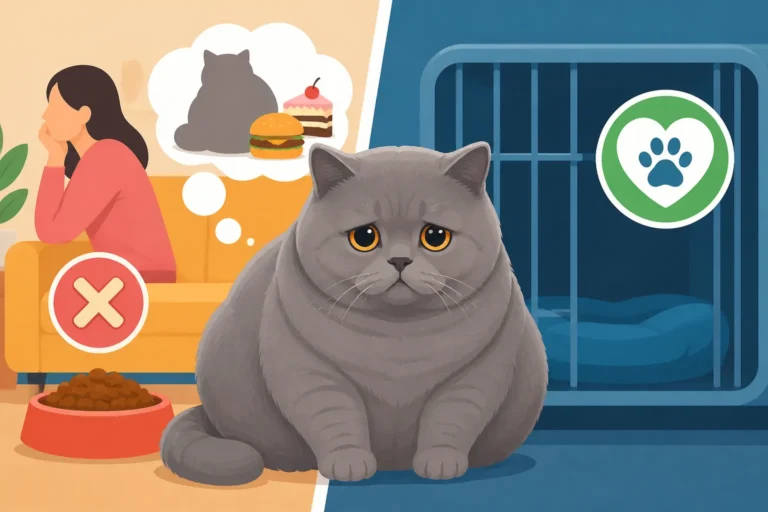
Think about it: a rescue British Shorthair could come from a multitude of situations. Perhaps they were surrendered by an elderly owner who, out of love, overfed them endless treats. Maybe they were found as a stray, in which case they might be terribly underweight and malnourished. Or, heartbreakingly, they could have come from a neglectful situation where food was either scarce or, conversely, constantly available and unchecked. Rescues work tirelessly to stabilize these animals, but the initial impact of their past environment can linger. For a British Shorthair, a breed known for its love of food and calm demeanor, even a short period of unregulated feeding can quickly lead to excess weight. They aren't generally a breed to self-regulate their food intake if given unlimited access, which means whatever their previous situation, it can easily lead to them being either too plump or too thin.
The British Shorthair's Predisposition to Weight Gain
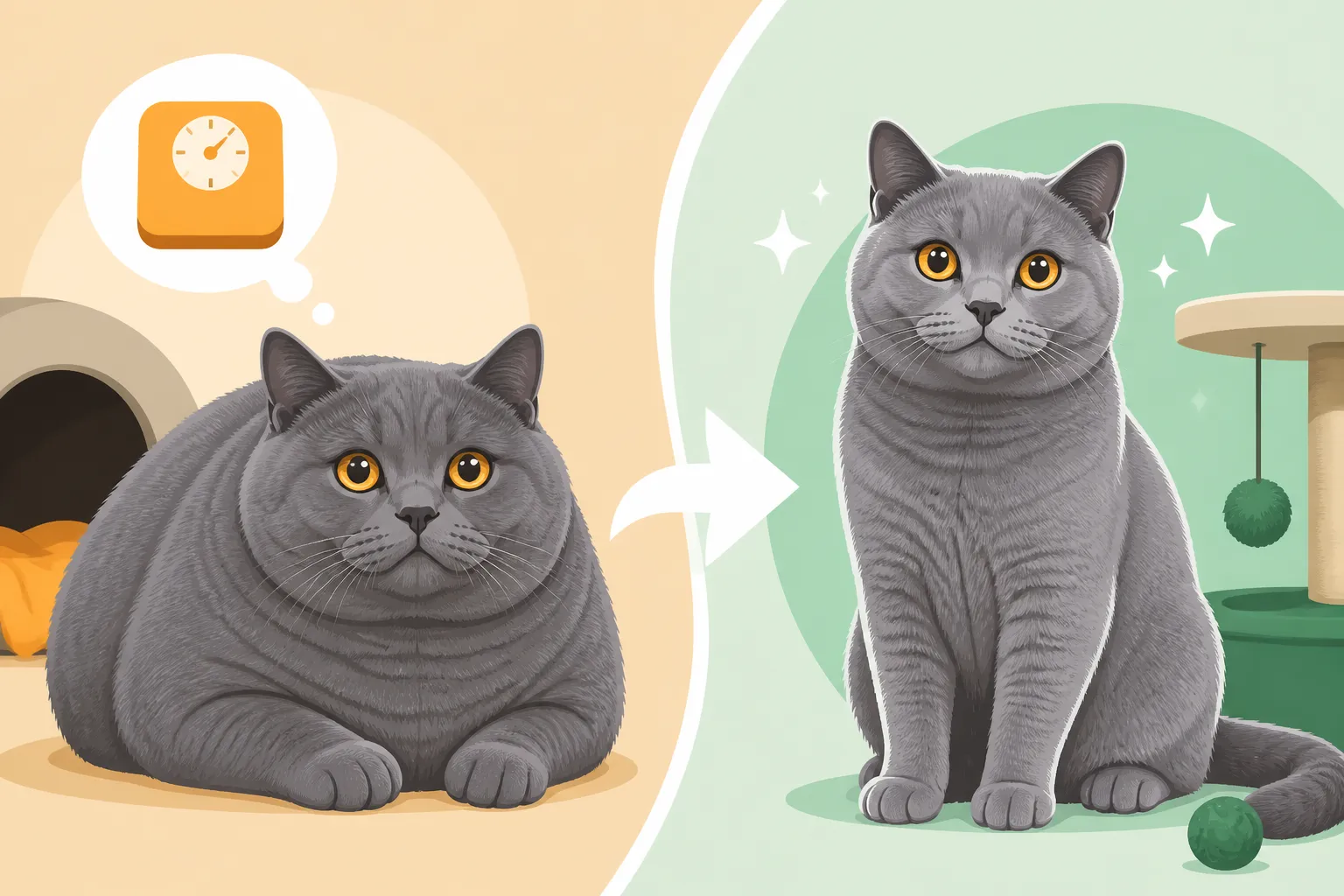
Let's be honest, the British Shorthair is built for comfort, not speed! They are naturally cobby and robust, with that wonderful dense, plush coat that makes them look like cuddly teddy bears. This physique, while adorable, can unfortunately mask underlying weight issues. Their calm, unhurried nature also means they aren't typically burning a lot of calories zooming around the house. They prefer leisurely naps in sunbeams and gentle purrs to acrobatic displays. This combination of a hearty appetite and a low activity level is a recipe for weight gain if their diet isn't strictly managed. It's a fundamental truth that Obesity Is the British Shorthair's Real Disease, and it's something every owner, rescue or otherwise, needs to be acutely aware of. If a rescue BSH has had a past where food was readily available and exercise wasn't a priority, it's highly probable they'll arrive on the heavier side.
Stress and Emotional Eating in Rescue Cats
Just like humans, cats can turn to food for comfort when they're stressed or anxious. Imagine being uprooted from your home, even if it wasn't an ideal one, and suddenly finding yourself in a new environment, whether that's a bustling shelter or a quiet foster home. This transition can be incredibly unsettling for a sensitive British Shorthair. Some cats might refuse to eat under stress, leading to weight loss. Others, however, might find solace in food, eating more than they need as a coping mechanism. This emotional eating, combined with their breed's natural inclination towards a relaxed lifestyle and love for food, can certainly contribute to a rescue British Shorthair arriving overweight. It’s a sad reality, but their mental state directly impacts their physical well-being.
Assessing a Rescue British Shorthair's Weight and Health
So, you've decided to bring home a rescue British Shorthair. What now? The first few steps you take are crucial in understanding their current health status and setting them up for a vibrant future.
The Initial Vet Check-up: Your First Step
The very first thing you should do after bringing your rescue British Shorthair home (or even before, if the rescue allows) is schedule a comprehensive veterinary check-up. This isn't just about vaccines; it's about a full assessment of their overall health, including their weight. Your vet will be able to tell you definitively if your British Shorthair is overweight, underweight, or just right. They'll also check for any underlying health conditions that might be contributing to, or caused by, their weight. For instance, an overweight British Shorthair might already be showing early signs of What Obesity Does to a British Shorthair's Joints or even Diabetes in a British Shorthair. It's a crucial baseline appointment, and don't be shy about discussing their previous living situation with the vet if you have any information, as this context can be very helpful.
Understanding Body Condition Scoring
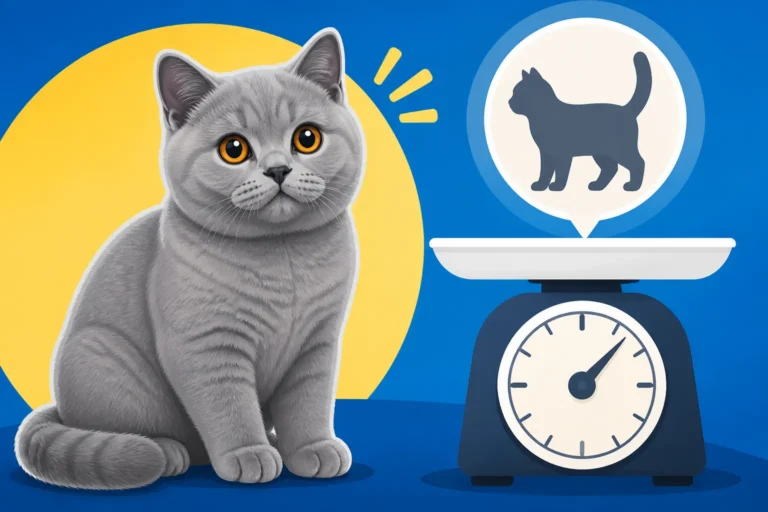
Beyond simply stepping on the scale, your vet will likely perform a Body Condition Score (BCS). This is a much more accurate way to assess a cat's fat reserves than just weight alone, especially for a muscular, cobby breed like the British Shorthair whose ideal weight can vary significantly based on size and gender. The BCS typically uses a 9-point scale (or sometimes a 5-point scale), where a score of 5 (or 3 on a 5-point scale) is ideal.
Here’s a simplified breakdown:
| Body Condition Score | Appearance and Feel | Description |
|---|---|---|
| 1-2 (Emaciated) | Ribs, spine, pelvic bones visible; no fat; severe abdominal tuck. | Severe malnutrition, usually seen in strays or neglect cases. Cat feels boney with no muscle mass. |
| 3-4 (Underweight) | Ribs easily felt; minimal fat; prominent waist; slight abdominal tuck. | Insufficient body fat. Could be due to illness, stress, or inadequate food. Still requires careful dietary adjustment to reach ideal weight. |
| 5 (Ideal) | Ribs easily felt without excess fat; visible waist; slight abdominal tuck. | This is the goal! Well-proportioned, healthy muscle mass. The perfect balance of appearance and feel, indicating optimal health and well-being. |
| 6-7 (Overweight) | Ribs difficult to feel; no waist; slight abdominal bulge. | Excess fat over ribs, spine, and tail base. Waistline disappears. Abdominal fat pad present. This is a very common scenario for British Shorthairs who've been free-fed or had inconsistent diets. Often, Signs a British Shorthair Is Overweight can be subtle due to their thick fur. |
| 8-9 (Obese) | Ribs not felt; no waist; obvious abdominal distension; heavy fat deposits. | Extensive fat deposits everywhere. Significant health risks. Mobility is often impaired. This can be a very serious situation requiring immediate veterinary intervention and a strict weight loss plan. |
Learning to feel your British Shorthair's ribs through their plush coat is a key skill for ongoing monitoring. Your vet can show you exactly how to do this.
Looking Beyond the Scales: Other Health Indicators
Weight is important, but it's just one piece of the puzzle. During that initial vet visit, and as you get to know your rescue, pay attention to other indicators of health. Is their coat dull or greasy? Are their eyes bright and clear? Are they energetic or lethargic? Are they grooming themselves adequately, especially in hard-to-reach places? An overweight British Shorthair might struggle to groom their back, leading to matted fur or skin issues. Are they experiencing any difficulty jumping or moving around? Arthritis in an Older British Shorthair can be exacerbated by excess weight, and even younger overweight cats can put strain on their joints. These observations, combined with the vet's findings, will help paint a full picture of your new companion's well-being.
Creating a Healthy Lifestyle for Your Rescue British Shorthair
Once you have a clear understanding of your British Shorthair's health needs, it's time to create a personalized plan. This is where you really get to make a difference in their life, turning past challenges into a future of health and happiness.
Tailored Nutrition Plans
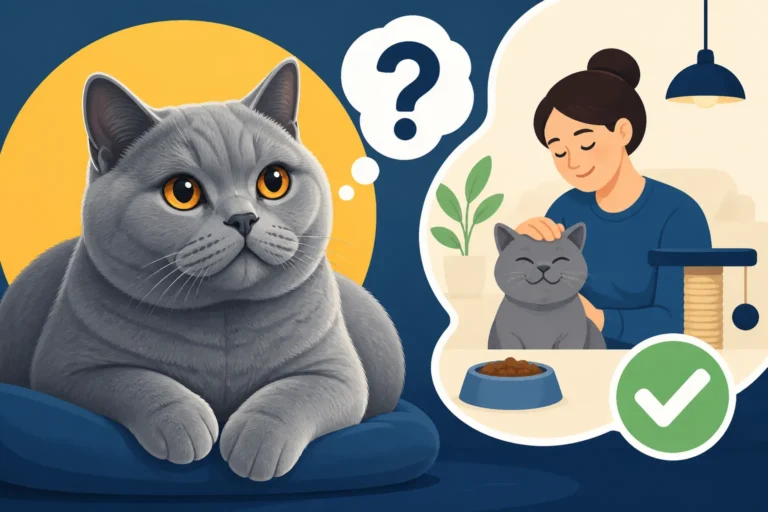
This is probably the biggest game-changer for a British Shorthair, especially one arriving overweight. The first step is ditching free-feeding. British Shorthairs, with their hearty appetites, rarely know when to stop. Portion Control Is the Whole Job With a British Shorthair. Your vet will help you determine the appropriate calorie intake for your cat's ideal weight, not their current weight. This often means carefully measuring out food, perhaps splitting their daily allowance into two smaller meals.
Consider the type of food as well. Wet food can be beneficial because its higher moisture content helps cats feel fuller and contributes to better hydration, which is great for urinary health. Some owners opt for fresh or minimally processed foods, consulting with their vet to ensure they meet all nutritional requirements for a cat needing to lose weight. If your cat is significantly overweight, your vet might recommend a prescription weight-loss diet. These foods are specially formulated to be lower in calories but still provide all essential nutrients, often with added fiber to help them feel satisfied. Remember, slow and steady wins the race when it comes to feline weight loss; rapid weight loss can be dangerous, potentially leading to hepatic lipidosis (fatty liver disease). How Many Calories a British Shorthair Needs will be a specific calculation your vet can provide.
Encouraging Gentle Exercise and Play
Let's face it, getting a British Shorthair to be an Olympic athlete is probably not going to happen. They are not known for their boundless energy! However, even a little bit of consistent, gentle exercise can make a huge difference. Start with short, interactive play sessions a few times a day. Think wand toys that encourage them to bat and chase, or laser pointers (but always end with a tangible toy they can "catch" to prevent frustration). Puzzle feeders can also be fantastic, turning mealtime into a mental and physical activity. Instead of just eating from a bowl, they have to work for their kibble, burning a few extra calories and engaging their minds. Getting a Low Energy British Shorthair to Move often requires patience and finding what motivates them – sometimes it's a favorite toy, other times it might be a food puzzle. Don't expect dramatic leaps and bounds; even a few minutes of focused play where they stretch and move their body is a victory.
Monitoring Progress and Adapting Care
Weight management is an ongoing journey, not a one-time fix. You'll need to regularly monitor your British Shorthair's weight and body condition. Weekly weigh-ins at home (using a baby scale or weighing yourself, then holding your cat and subtracting your weight) can be really helpful. Keep a log of their weight loss or gain. Your vet will want to see them for follow-up appointments to ensure they are losing weight safely and consistently. Based on their progress, their dietary needs might need to be adjusted. Perhaps they'll need more food if they're losing too fast, or less if they've plateaued. Remember to adjust treats as well; those seemingly small bites can add up quickly. Consider healthy alternatives like small pieces of cooked chicken or vet-approved dental treats. Patience and consistency are key to helping your rescue British Shorthair reach and maintain a healthy weight. Whether a British Shorthair Will Diet Willingly is a complex question, but with the right approach, most adapt well.
Navigating the Costs of a Rescue British Shorthair's Health Journey
Bringing a rescue British Shorthair into your life is a joyful experience, but it's also a significant financial commitment, especially if they arrive with existing health or weight challenges. Being prepared for potential costs is crucial.
Expected Vet Bills for Weight Management
If your rescue British Shorthair arrives overweight, you should anticipate initial and ongoing vet bills related to their weight management. The initial comprehensive check-up, including bloodwork to rule out any metabolic issues, will be the first cost. Subsequent visits for weight checks, dietary adjustments, and monitoring for secondary conditions like arthritis or diabetes will also add up. If a prescription weight-loss diet is recommended, this food typically costs more than over-the-counter options. For example, What an Overweight British Shorthair Costs at the Vet can include diagnostics, specialized food, and potential medication if conditions like diabetes have already developed. It's not just about the food; it's about the comprehensive care needed to bring them back to health.
Considering Pet Insurance for Future Needs
This is where pet insurance can be a real lifesaver, especially with a rescue cat whose past health is less known. While most pet insurance plans won't cover pre-existing conditions (so if your British Shorthair is already diagnosed with obesity or related issues at the time of enrollment, those specific conditions might be excluded), they can provide coverage for new illnesses or accidents that might arise in the future. For example, a sudden injury, or the development of a new illness unrelated to their initial weight issues, could be covered. Companies like Healthy Paws offer various plans, and it's worth exploring your options early on. Review policies carefully to understand what is covered and what isn't. Even if you're dealing with existing weight issues, insuring them for future, unrelated problems can provide immense peace of mind. Consider how even a seemingly routine check like What a British Shorthair's Yearly Echo Costs can add up, and insurance can help manage these expenses over time. Insuring a British Shorthair is a topic worth researching thoroughly.
Budgeting for High-Quality Food and Enrichment
Beyond vet bills and insurance, remember to budget for ongoing high-quality food, especially if your cat needs a special diet. While prescription diets might seem expensive upfront, they are often a worthwhile investment in your cat's long-term health, potentially preventing more costly health issues down the line. Look for deals and subscription services from trusted retailers like Chewy, which can sometimes offer discounts on recurring orders of specialized cat food.
Don't forget enrichment! Investing in engaging toys, puzzle feeders, and appropriate scratching posts (which help encourage movement and natural behaviors) is also important. While a British Shorthair might not be the most active, a good quality wand toy or a sturdy cat tree they can climb onto for a nap can still contribute to their overall well-being and help them maintain a healthy weight. These aren't just "nice-to-haves"; they're essential for a stimulating environment, especially for a cat that might have a history of stress or neglect. Think of it as investing in their mental and physical rehabilitation.
Disclaimer
This article is for general informational purposes only and does not constitute professional advice. Laws, prices and regulations vary by location and change over time. Consult a qualified professional for guidance on your specific situation.