How Many Calories a British Shorthair Needs
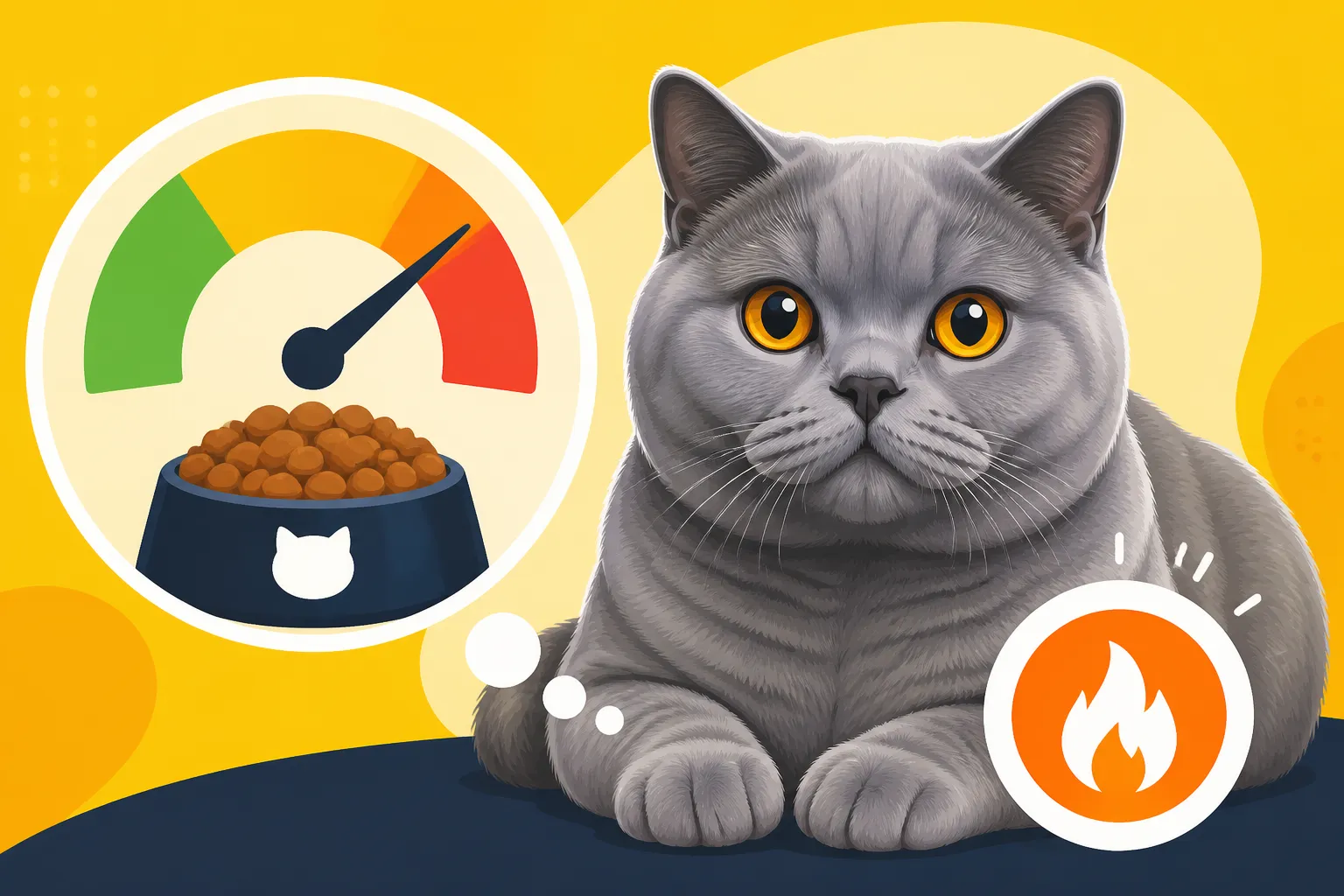
It's a common dilemma for British Shorthair owners: you adore their cuddly, placid nature, but that very calm disposition often means they're prone to putting on a bit too much weight. Those adorable round faces can sometimes hide a creeping health risk, leaving many of us wondering exactly how much food our furry friends truly need. This guide will meticulously break down the science and practicalities of calculating your British Shorthair's caloric needs, helping you maintain their ideal body condition for a long, happy life.
The Baseline: Understanding Your British Shorthair's Energy Requirements
Getting a handle on your British Shorthair's caloric intake starts with understanding their basal metabolic needs. Just like us, cats need a certain amount of energy simply to exist, even if they're just lounging on the sofa, which, let's be honest, is a favorite pastime for many British Shorthairs. The trick is to find that sweet spot – enough calories to thrive, but not so many that they start to become overweight. This breed, with its naturally robust build and tendency towards a more sedentary lifestyle, really benefits from a thoughtful approach to feeding.
Calculating Resting Energy Requirement (RER)
The first step in figuring out your cat's calorie needs is to calculate their Resting Energy Requirement, or RER. This is the energy your British Shorthair needs to perform basic bodily functions, like breathing, maintaining body temperature, and organ function, while at rest. Think of it as their absolute minimum. For an average adult cat, a common guideline is approximately 20-25 calories per pound of ideal body weight per day. However, a more precise calculation for RER often uses a formula: (Body Weight in kg ^ 0.75) x 70.
Let's use an example. If your British Shorthair ideally weighs 12 pounds, that's roughly 5.44 kg.
The calculation would be: (5.44 kg ^ 0.75) x 70.
- 5.44 ^ 0.75 ≈ 3.49
- 3.49 x 70 ≈ 244 calories
This 244 calories represents their RER. But remember, this is just the resting requirement. Most cats, even British Shorthairs who seem to be masters of relaxation, do more than just rest all day! They walk, groom, maybe even have a brief play session. So, their actual daily caloric need will be higher than their RER. We'll get into adjusting this number for various factors shortly, but having this baseline is crucial. Understanding this initial figure helps explain Why a British Shorthair Gains Weight So Easily if their RER is consistently exceeded.
The Importance of a "Healthy" Weight
Determining your British Shorthair's ideal weight is more art than strict science, as it varies based on individual build, sex, and age. However, generally, a healthy adult British Shorthair male might weigh anywhere from 12 to 18 pounds (5.5-8 kg), while females typically range from 9 to 14 pounds (4-6.5 kg). It's easy to look at their dense, plush coats and assume they're just naturally robust, but beneath that lovely fur, we need to feel for their ribs and spine. You should be able to feel their ribs easily with slight pressure, without seeing them, and they should have a discernible waist when viewed from above.
Many owners find it challenging to visually assess their British Shorthair's weight because their breed standard calls for a "cobby" build and rounded features. It's often difficult to truly tell How to Tell a Chunky British Shorthair From a Fat One. This is where the body condition score (BCS) comes in handy. Vets use a 1-5 or 1-9 scale to objectively assess a cat's fat reserves. A score of 5/9 or 3/5 is ideal. Anything higher indicates an overweight cat, leading to potential health issues. What a British Shorthair Should Weigh on the Scale, ideally, should align with a healthy body condition, not just a number. It’s a vital step in preventing Obesity Is the British Shorthair's Real Disease, which can unfortunately shorten their lifespan and diminish their quality of life.
Factors That Influence Calorie Requirements
The RER is a great starting point, but it's rarely the final number for your British Shorthair's daily calorie intake. A variety of factors play a significant role in how much energy they truly need. Ignoring these can lead to either an underweight cat, who isn't getting enough nutrients, or, far more commonly with this breed, an overweight cat facing a cascade of health problems. It's about personalizing their diet, not just following a generic recommendation.
Age and Life Stage: Kittens vs. Seniors
A British Shorthair kitten, especially during their rapid growth phases, has significantly higher caloric demands per pound of body weight than an adult. They're little bundles of energy, constantly playing, growing, and developing, and their bodies are working hard. A kitten might need 2-3 times the RER, or even up to 60-70 calories per pound, to support this intense growth. This energy fuels their playful antics and helps them grow into the magnificent adults we know and love. Generally, a kitten will gradually transition to adult food around 10-12 months of age, though their full physical development, particularly that famous robust build, can continue until they're three to five years old.
On the other end of the spectrum, senior British Shorthairs often experience a slowing metabolism and decreased activity, which means their caloric needs tend to drop. However, it's not always a straightforward decrease. Some older cats, particularly those with certain health conditions, might actually need more easily digestible or calorie-dense food to maintain weight if they're struggling with absorption or muscle loss. Regular veterinary check-ups are essential for Caring for an Old British Shorthair, as their needs are constantly evolving. A veterinarian can help determine if any underlying conditions are affecting their metabolism or appetite, ensuring their diet is perfectly tailored to their golden years.
Activity Level and Lifestyle
This is perhaps the most critical factor for British Shorthairs. Known for their laid-back nature, these cats are often described as "mellow" or even "lazy." A British Shorthair who spends most of their day napping on a sunbeam or gently supervising household activities from a comfortable perch will naturally require fewer calories than a more active cat. Their thick, plush coats can even make them seem warm and cozy, further encouraging their sedentary habits.
Consider the difference between a British Shorthair living in a bustling home with other pets and children who might engage them in more play, versus an only cat in a quiet, adult-only home. The latter will likely need fewer calories. Cats that get regular, albeit short, play sessions or who might explore a catio will burn more energy. However, even with diligent play, a British Shorthair is unlikely to be performing acrobatic feats. They're sprinters, not marathon runners, and a few minutes of intense laser pointer chasing might be followed by hours of napping. It's a delicate balance to encourage activity without overfeeding to compensate for perceived exertion.
Spay/Neuter Status and Metabolism
A significant metabolic shift occurs after a British Shorthair is spayed or neutered. The removal of reproductive hormones leads to a decrease in metabolic rate, meaning they burn fewer calories at rest. Simultaneously, many cats experience an increase in appetite post-surgery. This unfortunate combination creates a perfect storm for weight gain, and it's why many owners report their cat "blew up" after their procedure.
It's not uncommon for a neutered male British Shorthair to gain weight more rapidly than an intact male or female. This metabolic change means that a spayed or neutered British Shorthair often needs 20-30% fewer calories than an intact cat of the same size and activity level to maintain a healthy weight. Ignoring this fact is a common pitfall and a major reason why many British Shorthairs become overweight. Owners need to be extra vigilant with portion control immediately following surgery, adapting their feeding schedule and calorie count to prevent excessive weight gain.
Practical Steps to Determine and Adjust Daily Calories
Once you understand the underlying principles of RER and the various influencing factors, it's time to put that knowledge into action. This isn't just about throwing food into a bowl; it's about a consistent, mindful approach to your British Shorthair's nutrition. It involves partnering with your vet, precise measurements, and ongoing observation.
Consulting Your Veterinarian
There is no substitute for professional veterinary advice when it comes to your British Shorthair's specific dietary needs. Your vet can perform a thorough examination, assess your cat's current body condition score, and discuss their lifestyle and any pre-existing health conditions. They can help you determine a precise ideal weight and calculate an appropriate daily caloric intake based on your cat's individual circumstances. This is especially crucial if your British Shorthair is already overweight or has underlying health issues like diabetes, arthritis, or heart conditions.
Your veterinarian might recommend specific prescription diets formulated for weight loss or maintenance, or provide guidance on modifying a regular commercial diet. They can also rule out any medical reasons for weight gain or loss, ensuring that dietary changes are appropriate and safe. Regular check-ups, including discussions about nutrition and weight, are invaluable. For unexpected health issues that might arise, having pet insurance like Healthy Paws can provide peace of mind, covering a significant portion of vet bills for diagnostics, treatments, and even special diets if they become medically necessary due to weight-related complications. A good vet partnership is your best defense against many health issues.
Choosing the Right Food and Measuring Accurately
The type of food you choose plays a huge role. While many British Shorthairs will eat almost anything you put down, focusing on high-quality, protein-rich wet food or a carefully portioned dry kibble is generally recommended. Wet food offers higher moisture content, which can be beneficial for urinary health and can help a cat feel fuller with fewer calories. When calculating How Much an Adult British Shorthair Eats, remember that the calorie density varies greatly between brands and types of food. Always check the "guaranteed analysis" and "feeding guidelines" on the food packaging.
Here's where accuracy becomes paramount. Many owners simply "eyeball" portions or fill a bowl, which can lead to significant overfeeding. Invest in a digital kitchen scale to weigh out your British Shorthair's food. Measuring cups are notoriously inaccurate for kibble, as densities vary. For example, a cup of one kibble might weigh 3.5 ounces, while another might be 4.2 ounces, leading to hundreds of extra calories over time. If you free-feed, meaning food is always available, it's practically impossible to track intake and is one of the main reasons Why Free Feeding Ruins a British Shorthair's waistline. Instead, aim for How Many Meals a Day a British Shorthair Needs, typically 2-3 small, portion-controlled meals.
Let's illustrate with an example:
If a food states it has 350 kcal/cup, and your cat needs 250 calories per day, you'd feed approximately 0.71 cups. Weighing this amount (e.g., if a cup is 4 oz, then 0.71 cups is about 2.84 oz) is far more accurate than trying to estimate 0.71 on a measuring cup.
Monitoring and Adjusting for Weight Management
Once you've established an initial daily calorie target and started feeding accordingly, the work isn't over. You need to become a keen observer of your British Shorthair's body condition and weight. Weigh your cat regularly, ideally weekly or bi-weekly, using a small pet scale or by weighing yourself, then picking up your cat and subtracting your weight. Keep a record to track their progress. It takes time, so don't get discouraged if you don't see immediate results.
If your British Shorthair is losing weight too rapidly or not losing it at all, you'll need to make adjustments. A general goal for weight loss is 0.5% to 2% of body weight per week. Losing weight too quickly can be dangerous, potentially leading to hepatic lipidosis (fatty liver disease). If your cat is gaining weight, further reduce their daily calories by about 10-15% and re-evaluate in a few weeks. If they're struggling to lose weight or you're concerned about underlying conditions, this is another point where a vet consultation is essential. For instance, if your vet diagnoses conditions like Diabetes in a British Shorthair, they'll help craft a precise diet and potentially medication plan. Addressing What Obesity Does to a British Shorthair's Joints, for example, also requires careful weight management to reduce strain. It can be a long process, and costs can add up, making a financial safety net like Healthy Paws insurance a great asset, especially if long-term dietary management and veterinary visits become a part of What a British Shorthair Costs a Month on a Weight Diet. If you find yourself needing to take significant steps, our guide on How to Put a British Shorthair on a Diet, offers more detailed strategies.
| Cat Weight (Ideal) | RER (Approx. Calories) | Neutered/Sedentary Factor (x 1.2) | Active/Intact Factor (x 1.4) |
|---|---|---|---|
| 8 lbs (3.6 kg) | 205 | 246 | 287 |
| 10 lbs (4.5 kg) | 240 | 288 | 336 |
| 12 lbs (5.4 kg) | 274 | 329 | 384 |
| 14 lbs (6.4 kg) | 306 | 367 | 428 |
| 16 lbs (7.3 kg) | 338 | 406 | 473 |
Note: RER calculated as (Body Weight in kg ^ 0.75) x 70. Daily needs are RER x a factor (1.2 for most sedentary/neutered adults, 1.4 for more active/intact adults). Consult your vet for precise figures.
Disclaimer
The information provided in this article is for general informational purposes only and is not intended as a substitute for professional veterinary advice, diagnosis, or treatment. Always seek the advice of your veterinarian or other qualified health provider with any questions you may have regarding a medical condition or diet for your British Shorthair.