How to Tell a Chunky British Shorthair From a Fat One
It's incredibly easy to look at your British Shorthair, with their famously round faces and robust, plush bodies, and think, "Oh, they're just naturally chunky!" Many of us fall into this trap, mistaking their breed-standard sturdiness for a healthy weight, when in reality, our beloved furballs might be carrying more weight than is good for them. This guide aims to help you cut through the confusion and accurately assess whether your British Shorthair is simply well-built or heading down the path toward obesity, offering practical tips to tell the difference.
Understanding the British Shorthair's Natural Build
British Shorthairs are magnificent creatures, renowned for their teddy bear looks and placid temperaments. However, their unique physical characteristics often make it challenging for owners to accurately gauge their body condition. It's not just about looking "big" – there's a specific "cobby" build and a dense coat that can cleverly disguise excess weight.
The "Cobby" Body Type Explained
When breeders and cat fanciers talk about a British Shorthair, they often use the term "cobby." This isn't just a cute descriptor; it refers to a very specific body conformation that sets them apart. A cobby cat is characterized by a compact, muscular, and well-rounded body. Think of a brick or a stocky, powerful build rather than a long, slender, or delicate frame. Their chests are broad, their shoulders and hips are wide, and their legs are short and sturdy, supporting their substantial frame. This musculature contributes to their overall weight and dense feel, which is absolutely normal and healthy for the breed.
However, this inherent stockiness can be a double-edged sword. It means that a British Shorthair can carry a significant amount of extra weight before it becomes overtly obvious, especially to an untrained eye. We might see a cat that simply looks "more cobby" when, in fact, they are slowly accumulating unhealthy fat. It's important to appreciate that while they are built to look strong and solid, this doesn't mean they should be overweight. The challenge lies in distinguishing between that robust, muscular density and the soft, flabby layers of fat.
The Illusion of Fullness: Coat and Jowls
Beyond their cobby structure, the British Shorthair's dense, plush coat and, for males, their distinctive jowls, create an optical illusion of fullness that can easily mask an unhealthy weight. Their coat is short but incredibly thick, standing away from the body, almost like a luxurious, velvet carpet. This density adds significant visual volume, making the cat appear larger and more robust than they might actually be underneath. You might think your cat is perfectly plump, when a good feel reveals a different story. It’s like trying to judge the size of a teddy bear by how fluffy its fur is – you need to get past the fluff to the stuffing.
Furthermore, intact male British Shorthairs develop prominent, rounded jowls, which are essentially muscular cheeks. These impressive jowls contribute to their iconic "Cheshire Cat" smile and add to the overall roundness of their head. While utterly charming, these jowls can further distort perceptions of their overall body condition, making the head and neck seem to flow seamlessly into the body, obscuring any neck or waist definition that might otherwise be visible. This combination of a deep, rich coat and prominent facial structure means that visual assessment alone is often insufficient, and you need more hands-on methods to truly know what's going on beneath the surface. For more on this, check out What Jowls Are on a Male British Shorthair.
Healthy Weight Ranges for British Shorthairs
Determining a healthy weight range for a British Shorthair isn't as simple as looking at a single number on a scale, as individual cats can vary. However, general guidelines exist. A healthy adult male British Shorthair typically weighs between 9 to 17 pounds (4 to 7.7 kg), while females tend to be a bit smaller, usually ranging from 7 to 12 pounds (3.2 to 5.4 kg). However, these are broad ranges, and what's truly healthy depends on the individual cat's frame and musculature. A very large-framed male could carry 17 pounds healthily, while a smaller-framed one might be overweight at 12 pounds.
Instead of focusing solely on the number, it's far more effective to use a body condition score (BCS) system, which veterinary professionals utilize. This system, usually on a scale of 1 to 9 (with 5 being ideal) or 1 to 5 (with 3 being ideal), assesses fat reserves visually and by touch. A cat at an ideal weight will have a visible waist, ribs that are easily felt without excessive fat covering, and a minimal abdominal fat pad. A good starting point for understanding what a healthy British Shorthair weighs on the scale can be found in resources like What a Healthy British Shorthair Weighs on the Scale. Remember, your vet is your best partner in determining your cat's ideal weight and can help you create a plan if they're leaning towards the "fat" side rather than just "chunky."
Key Indicators of Overweight vs. Healthy Chunky
Since their dense fur and robust build can be so deceptive, relying on visual cues alone to judge your British Shorthair's weight is often misleading. You need to get hands-on and combine visual assessment with tactile examination to truly understand their body condition. This involves feeling for specific landmarks and observing subtle changes in their shape and behavior.
The Rib Test: Feeling for the Facts
The "rib test" is perhaps the most crucial and accurate way to determine if your British Shorthair is at a healthy weight or carrying too much fat. Forget what your cat looks like; you need to feel them. To perform this, gently run your open palms along your cat's sides, just behind their front legs. You should be able to feel their ribs quite easily, similar to feeling the knuckles on your hand. There should be a thin layer of muscle and fat over them, but each rib should be distinct and palpable without having to press hard.
If you can't feel the ribs without significant pressure, or if it feels like you're pressing into a thick, soft cushion, then your cat is likely overweight. Conversely, if the ribs feel very prominent and sharp, with no fat or muscle covering, your cat might be underweight. The key is that easy, distinct sensation. This simple, tactile examination cuts through the optical illusion created by their dense fur and cobby build. Many owners are surprised by what they discover when they perform this test, realizing their "chunky" cat is actually quite "fat." For a more detailed guide on this crucial assessment, refer to How to Feel a British Shorthair's Ribs Through the Plush. This is a regular check you should be doing, perhaps weekly, especially if you're trying to manage their weight.
Top-Down and Side Views: Visual Cues
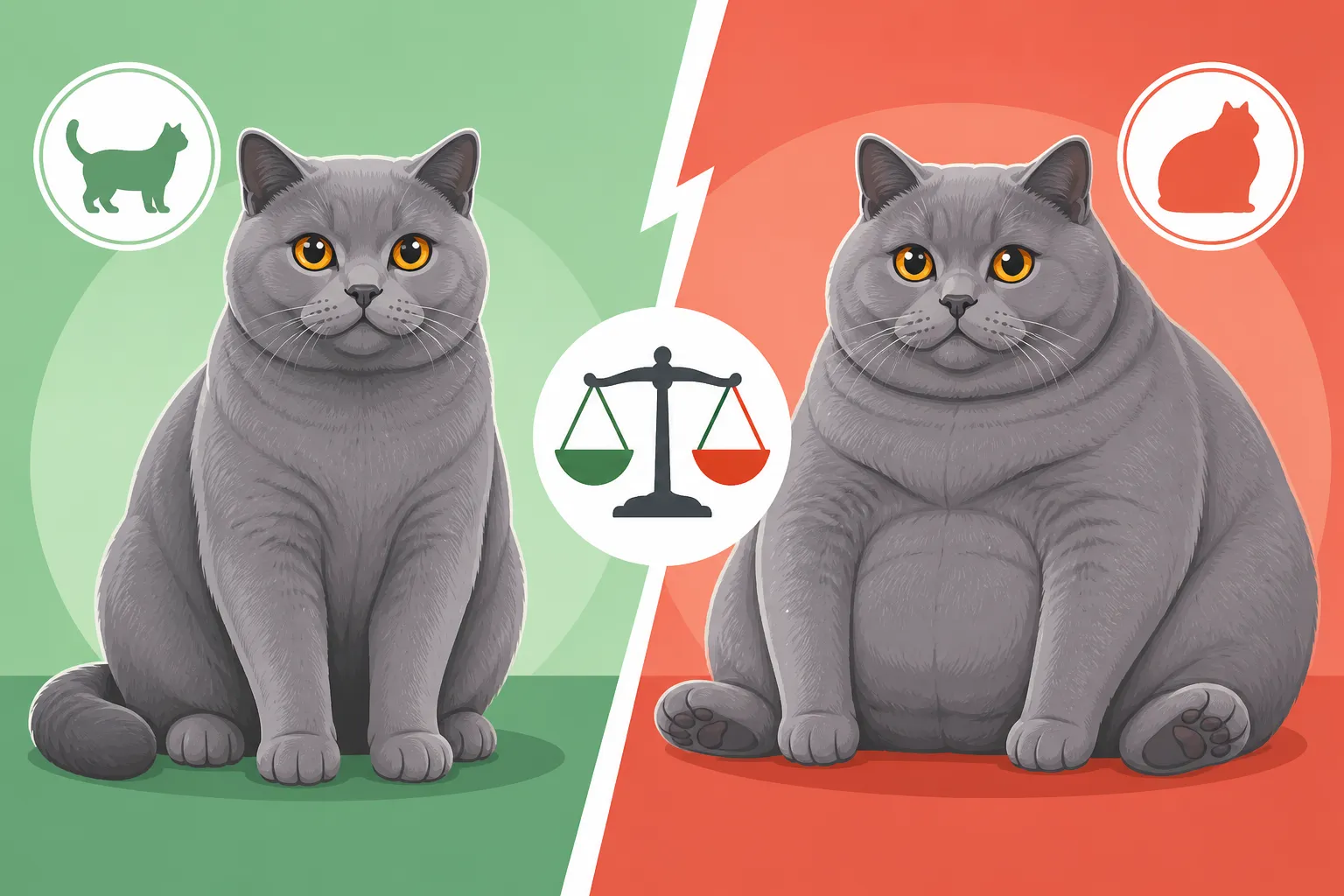
While tactile assessment is paramount, visual cues can still offer supporting evidence, especially when you know what to look for beyond just overall roundness. When you look at your British Shorthair from above, while they're standing, you should ideally see a slight indentation at their waist, just after their rib cage and before their hips. This isn't going to be a dramatic hourglass figure like in some other breeds, given their cobby build, but a subtle taper should be discernible. If your cat looks more like a continuous, unbroken cylinder or even bulges out at the sides, they are likely overweight.
From the side, observe their belly. A healthy British Shorthair should have a firm abdomen that tucks up slightly, forming a clean line from the chest to the hind legs. It's normal for many cats, especially after neutering or as they age, to develop a small "primordial pouch" – a loose flap of skin and fat along their belly. This is generally normal and not necessarily an indicator of obesity, as long as it's not excessively large and the cat's overall body condition is healthy. However, if their belly sags heavily, bounces noticeably when they walk, or creates a pronounced downward curve rather than a slight tuck, it's another strong sign of excess weight. Pay close attention to these subtle changes in their profile; they can be excellent secondary indicators once you've mastered the rib test.
Activity Levels and Grooming Habits
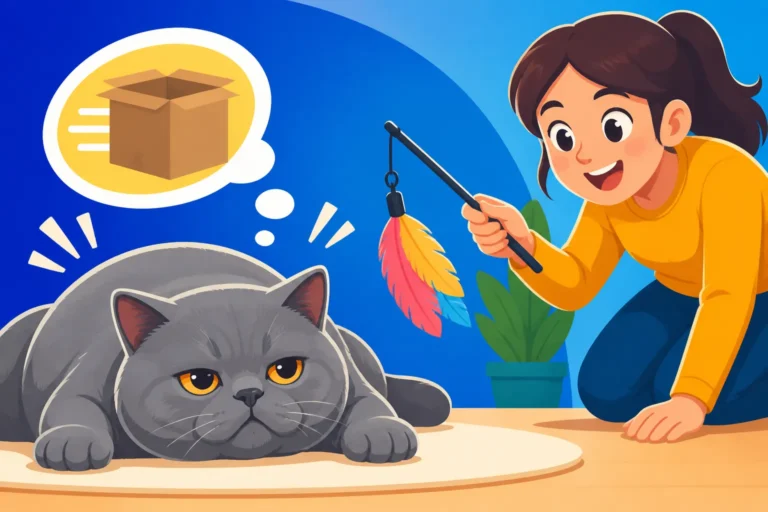
Beyond their physical appearance, your British Shorthair's behavior and habits can reveal a lot about their weight. British Shorthairs are generally known for their calm, somewhat sedentary nature; they're not typically high-energy athletes. However, even for this laid-back breed, there's a difference between being relaxed and being lethargic due to excess weight. A healthy, "chunky" British Shorthair will still engage in bursts of play, explore their environment, and move with relative ease. They might not climb the tallest cat tree, but they should be able to jump onto a sofa or a lower shelf without visible strain.
An overweight British Shorthair, on the other hand, often exhibits reduced activity. They might be less inclined to play, struggle with jumping, seem out of breath after minimal exertion, or simply prefer to lie down more often. You might notice them having difficulty grooming themselves, particularly reaching their lower back or tail area, which can lead to matted fur or skin issues. This reduced flexibility and range of motion is a common sign that their weight is interfering with their natural behaviors. For more insights into encouraging activity, you might find Why a British Shorthair Will Not Exercise Itself helpful. If you observe these changes, it’s a red flag that their comfort and health are being compromised by too many extra pounds.
Here’s a quick comparison to help you differentiate:
| Feature | Healthy "Chunky" British Shorthair | Overweight "Fat" British Shorthair |
|---|---|---|
| Ribs (Touch) | Easily palpable with light pressure, distinct | Difficult to feel, requires firm pressure, obscured by fat |
| Waist (Top-Down) | Slight, discernible indentation behind ribs | No indentation, body appears as a continuous cylinder or bulges |
| Belly (Side View) | Tucked up slightly, firm, small primordial pouch acceptable | Sags heavily, bounces when walking, pronounced downward curve |
| Activity Level | Engages in play, jumps onto low surfaces, moves with ease | Lethargic, struggles with jumps, heavy breathing, less inclined to play |
| Grooming | Able to reach and groom entire body effectively | Difficulty grooming lower back/tail, potential matting |
| Neck/Jowls | Neck distinguishable from shoulders, prominent jowls (males) | Neck merges into body, jowls appear exaggerated due to overall fat |
The Serious Risks of an Overweight British Shorthair
It’s easy to dismiss a few extra pounds as harmless, especially when your British Shorthair looks so endearing and cuddly. However, the reality is that obesity in cats, just like in humans, is a serious health concern. It’s not just about aesthetics; those extra pounds put immense strain on various bodily systems, leading to a host of preventable health issues that can significantly impact their quality of life and shorten their lifespan. This is where comprehensive pet insurance like that offered by Healthy Paws can be a lifesaver, helping cover the costs of these often expensive, obesity-related conditions.
Common Health Problems Linked to Obesity
When a British Shorthair carries excess weight, their body is under constant stress, paving the way for a number of serious health problems. One of the most common and debilitating issues is What Obesity Does to a British Shorthair's Joints. The skeletal frame of a cat isn't designed to support excessive weight, leading to increased wear and tear on joints. This can exacerbate or accelerate conditions like arthritis, making movement painful and reducing their willingness to play or even jump onto their favorite sun spot. Imagine carrying a heavy backpack all day, every day – that's the constant burden an overweight cat feels on its joints.
Beyond joint issues, obesity significantly increases the risk of metabolic diseases. Diabetes in a British Shorthair is a prime example; excess fat cells can lead to insulin resistance, causing the body to struggle with regulating blood sugar levels. This condition requires lifelong management, including daily insulin injections and special diets, which can be a significant financial and emotional burden for owners. Other problems include hepatic lipidosis (fatty liver disease), which can be life-threatening if a cat stops eating, and even urinary tract issues due to reduced mobility making it harder for cats to get to their litter box or maintain proper hygiene. These aren't minor ailments; they are serious conditions that require dedicated veterinary care and often become chronic.
Impact on Lifespan and Quality of Life
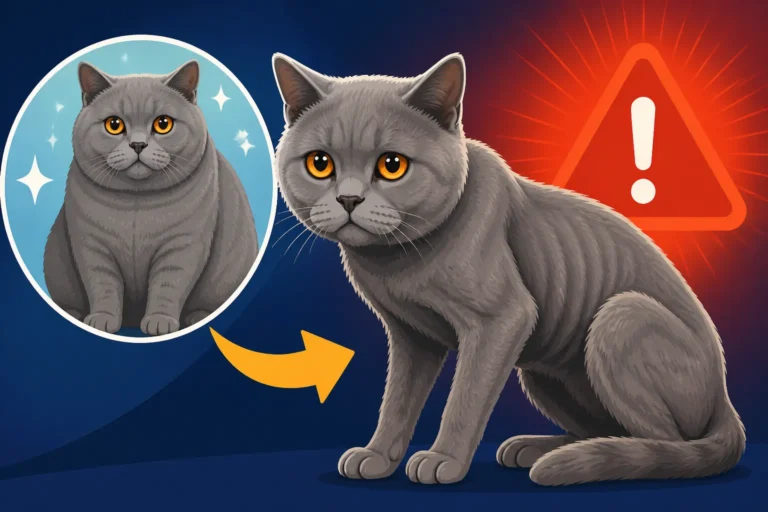
The unfortunate truth is that being overweight drastically shortens a British Shorthair's lifespan. Studies consistently show that obese cats live, on average, two to three years less than their healthy-weight counterparts. While it might not seem like much on the surface, those are precious years of companionship and joy that are cut short. Moreover, it's not just about the length of life, but the quality of that life. An overweight British Shorthair is far more likely to experience chronic pain, discomfort, and a diminished ability to engage in normal cat behaviors.
They might struggle to play, clean themselves properly (leading to skin issues or matted fur, as detailed in Why an Overweight British Shorthair Cannot Groom Its Back), and generally appear less engaged with their surroundings. This can lead to a vicious cycle where reduced activity further contributes to weight gain, making the problem even worse. It's heartbreaking to see a once-vibrant cat become a shadow of its former self, burdened by their own weight. This impact on quality of life is a profound reason why maintaining an ideal weight is one of the most loving things you can do for your British Shorthair. Early intervention and preventative care, perhaps supported by a good pet insurance plan from a provider like Healthy Paws, can make all the difference.
When to Seek Veterinary Advice
If you suspect your British Shorthair is overweight, or if you're just unsure whether they're "chunky" or "fat," the absolute best course of action is to schedule an appointment with your veterinarian. They are the experts in feline health and possess the knowledge and tools to accurately assess your cat's body condition. Your vet will perform a thorough physical examination, measure their weight, and evaluate their body condition score, giving you a clear, objective assessment. They can also rule out any underlying medical conditions that might contribute to weight gain, though this is less common than simple overfeeding or lack of exercise.
Once an accurate diagnosis is made, your vet can work with you to develop a safe and effective weight loss plan tailored specifically for your British Shorthair. This will typically involve recommendations for a controlled diet, often incorporating prescription weight-management foods that are lower in calories but still provide essential nutrients. They can also offer advice on increasing activity levels, even for a notoriously sedentary breed, with creative play strategies. Remember, rapid weight loss can be dangerous for cats, potentially leading to hepatic lipidosis, so any diet plan should be supervised by a professional. Don't hesitate to reach out to your vet; they are your strongest ally in ensuring your British Shorthair lives a long, healthy, and happy life. Knowing What an Overweight British Shorthair Costs at the Vet in the long run might also motivate proactive steps now.
Disclaimer
Please note that the information provided in this article is for educational purposes only and should not be considered a substitute for professional veterinary advice. Always consult with a qualified veterinarian for any health concerns or before making any decisions related to your pet's care, diet, or treatment.