What a British Shorthair’s First Year of Screening Totals
Bringing home a British Shorthair kitten is an exciting time, filled with dreams of cuddles and purrs. However, many new owners quickly realize that the initial purchase price is just the tip of the iceberg, and a significant portion of early ownership costs revolves around ensuring their new family member gets off to the healthiest start possible. This guide will walk you through what to expect for your British Shorthair's first year of health screening costs, helping you understand the value and necessity of these early investments.
Understanding the Importance of Early Health Screening for Your British Shorthair
It's easy to look at a fluffy, round-faced British Shorthair kitten and assume they're perfectly robust. After all, they look like little teddy bears! But beneath that plush exterior, British Shorthairs, like all pedigreed cats, can be predisposed to certain health conditions that thorough early screening can catch, or even prevent, from causing significant problems down the line. Investing in these checks isn't just about spending money; it's about safeguarding your cat's future and your peace of mind.
Why Initial Screening is Non-Negotiable
Think of initial health screening as laying the foundation for a skyscraper. You wouldn't skip the structural integrity checks just to save a few dollars, would you? The same principle applies to your British Shorthair. These early veterinary visits and tests are designed to establish a baseline of health, identify any congenital conditions that might be present, and ensure your kitten is protected against common diseases through vaccination. A responsible breeder will have already started this process, but transferring ownership often means continuing a rigorous schedule. It's a proactive approach that often saves money and heartache by detecting issues before they become emergencies. Remember, a healthy start can lead to a long and happy life, potentially reaching The Twelve to Seventeen Years a British Shorthair Gets.
Taking your kitten for a thorough check-up shortly after arrival, even if they've already had one with the breeder, is crucial. This allows your own chosen veterinarian to get acquainted with your new pet, confirm their general health, and discuss any immediate concerns you might have. It's a chance to ask about diet, behavior, and to ensure all previous vaccinations and deworming treatments are up to date. This first interaction sets the tone for a lifelong partnership with your vet, which is invaluable when navigating the joys and challenges of pet ownership.
Common Health Concerns in British Shorthairs Addressed by Screening
British Shorthairs are generally a healthy breed, known for their calm demeanor and sturdy build. However, like many breeds, they do have a genetic predisposition to certain conditions that breeders and owners should be aware of. One of the most significant concerns is Hypertrophic Cardiomyopathy (HCM), a thickening of the heart muscle that can lead to heart failure. Polycystic Kidney Disease (PKD), an inherited condition causing cysts to form in the kidneys, is another important consideration, though thankfully much less prevalent thanks to widespread testing. Without screening, these conditions can remain hidden until they've progressed significantly, making treatment more challenging and costly. Understanding Whether the British Shorthair Is a Healthy Breed involves knowing these specific risks.
Other common issues that early screening can help identify or prevent include dental problems, which can start surprisingly young, and obesity, a condition British Shorthairs are particularly prone to due to their love of food and naturally laid-back lifestyle. Regular check-ups allow your vet to monitor weight, assess oral health, and discuss preventative measures like appropriate diet and exercise routines. Being aware of these potential issues from day one means you can take steps to mitigate them, often with much greater success than if they're only discovered later in life.
The Initial Vet Visit and Foundational Health Checks
The first few weeks after bringing your British Shorthair kitten home will involve at least one, and often several, trips to the veterinarian. These visits are critical for laying the groundwork for a healthy life, covering everything from head-to-tail examinations to protection against common feline illnesses.
The Comprehensive First Check-Up
When you bring your British Shorthair kitten in for their initial vet visit, expect a thorough examination from nose to tail. The vet will listen to their heart and lungs, check their eyes, ears, and teeth, and palpate their abdomen to feel for any abnormalities. They'll also assess their overall body condition, noting their weight and muscle tone. This comprehensive check-up helps ensure that your kitten is developing properly and that there are no immediate health concerns that need addressing. It's also the perfect opportunity to discuss any questions you have about your kitten's care, from litter box habits to early socialization. Your vet will often confirm basic things that a good breeder should have already addressed, such as initial deworming and a clean bill of health.
During this visit, your vet will likely discuss a fecal test to check for intestinal parasites, as kittens are particularly susceptible. Even if the breeder has dewormed them, it's always wise to re-test. They might also suggest routine blood work if there are any initial concerns, or simply to establish a baseline for future reference. While a British Shorthair's dense coat can hide a lot, a good vet will be meticulous in their examination to catch anything amiss. It’s also a good time to ask your vet about What a British Shorthair's Yearly Bloodwork Should Cover.
Vaccinations and Parasite Prevention
A major part of the first year's health screening costs will go towards vaccinations. Kittens require a series of vaccinations to protect them from common and often serious feline diseases like feline panleukopenia (distemper), feline herpesvirus, calicivirus, and rabies. These are usually administered in a series of boosters over several weeks to ensure full immunity. The specific vaccines and schedule can vary based on your location and your cat's lifestyle, so your vet will tailor a plan just for your British Shorthair.
Beyond vaccinations, ongoing parasite prevention is a must. This includes regular deworming and protection against fleas, ticks, and heartworm. These preventative treatments are crucial even for indoor-only British Shorthairs, as parasites can easily be brought into the home on shoes, other pets, or even through open windows. Your vet will recommend appropriate products and a schedule for administering them, whether it's monthly topical treatments or oral medications. These preventative measures are an essential, recurring part of keeping your British Shorthair healthy and happy, and they contribute significantly to the total cost of their first year of care.
The Critical Role of Cardiac Screening
For British Shorthair owners, cardiac screening is perhaps the most significant and specialized health investment during the first year, and indeed, throughout their lives. This breed is known to be predisposed to hypertrophic cardiomyopathy (HCM), a serious heart condition that often shows no outward symptoms until it's quite advanced.
Echocardiograms and HCM Detection
The gold standard for detecting HCM in British Shorthairs is a cardiac ultrasound, or echocardiogram. This non-invasive procedure allows a veterinary cardiologist to visualize the heart's structure and function, identifying any thickening of the heart walls or other abnormalities indicative of HCM. While some breeds have DNA tests for specific HCM mutations, it's important to understand that HCM in a British Shorthair Has No DNA Test that reliably covers all forms of the disease in this breed. This means regular echocardiograms are truly the most effective tool for early detection. The first echo is often recommended around one year of age, though some breeders may screen earlier.
The cost of an echocardiogram can be substantial compared to routine vet visits, as it requires specialized equipment and expertise, usually from a board-certified veterinary cardiologist. However, the information it provides is invaluable. Early detection of HCM allows for proactive management, which can include medication to slow the progression of the disease and improve quality of life for your cat. This initial echo forms a crucial part of your British Shorthair's first year of health screening, giving you a baseline of their cardiac health. You might also want to understand What a British Shorthair's First Echo Costs.
The Ongoing Need for Heart Health Monitoring
Even if your British Shorthair receives a clear echocardiogram at their one-year mark, cardiac monitoring doesn't stop there. Because HCM can develop at any age, even in cats with previously clear scans, regular follow-up echocardiograms are recommended throughout their life. Many cardiologists suggest annual or biennial screenings, depending on the individual cat's risk factors and previous results. This commitment to ongoing heart health monitoring is a significant aspect of responsible British Shorthair ownership. For more on this, check out The Yearly Echo That Replaces a British Shorthair Gene Test or How Often a British Shorthair Needs an Echo.
Beyond formal echocardiograms, your regular veterinarian will continue to monitor your cat's heart health during routine check-ups. They'll listen for heart murmurs, assess breathing patterns, and discuss any changes in activity levels or appetite. While a murmur doesn't automatically mean HCM, it can be a red flag prompting further investigation. Maintaining open communication with your vet about any subtle changes you observe in your British Shorthair is key to their long-term cardiac well-being.
Genetic Testing and Breed-Specific Concerns
Beyond the comprehensive physical exams and cardiac screenings, genetic testing plays a vital role in understanding and managing breed-specific health concerns for your British Shorthair. While not all tests are applicable to every individual, being informed about available options is part of being a responsible owner.
Blood Typing for Breeding Safety
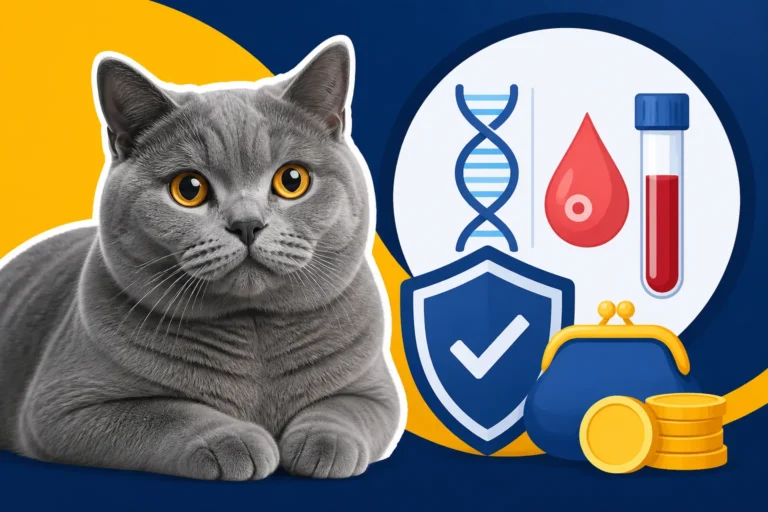
While you might think blood typing is only for a British Shorthair destined for breeding, understanding your pet's blood type can actually be important for all owners, especially if your cat ever needs an emergency blood transfusion. For breeders, however, blood typing is absolutely critical to prevent a devastating condition called neonatal isoerythrolysis (NI), where a Type B queen (mother cat) can produce antibodies against Type A or AB kittens, leading to severe illness and death in her offspring. This is why Blood Type B and the British Shorthair Kittens It Kills is such an important topic for breeders.
Most British Shorthairs are Type A, but Type B is also common in the breed. A simple blood test or DNA cheek swab can determine your cat's blood type. Even if your British Shorthair is a pet and neutered, having this information recorded in their veterinary file can be a lifesaver in an unforeseen emergency. Knowing their blood type can expedite matching if a transfusion is ever needed, potentially shaving precious time off a critical situation. For more details on this, you can check out How a British Shorthair Is Blood Typed.
PKD and Other DNA Tests
Polycystic Kidney Disease (PKD) is another inherited condition that has historically been a concern in British Shorthairs, primarily due to their ancestral links to Persians. PKD causes fluid-filled cysts to form in the kidneys, which can eventually lead to kidney failure. Fortunately, a DNA test for PKD1 (the gene responsible for the most common form of PKD) is widely available and highly reliable. Reputable breeders will have already tested their breeding cats for PKD, and will be able to provide clear results for your kitten's parents. This makes the kitten themselves usually clear by parentage.
However, if you're unsure of your kitten's lineage or adopted from a rescue, it might be worthwhile to consider a Whether a British Shorthair Should Be PKD Tested. The DNA test is typically a simple cheek swab, making it a non-invasive way to rule out this serious condition. While PKD is much rarer now in British Shorthairs than it once was, thanks to responsible breeding practices, it's still a condition worth discussing with your vet to ensure your cat's long-term kidney health. Other, rarer genetic conditions, such as Hemophilia B, may also have DNA tests available, and your breeder should always be transparent about the testing they conduct.
Additional Health Considerations and Potential Costs
Beyond the major screenings, there are everyday health maintenance items and preventative care strategies that contribute to the overall cost of a British Shorthair's first year. These elements are crucial for their well-being and can prevent more serious, expensive problems down the road.
Dental Health and Early Oral Care
It might surprise you to learn that dental issues can start quite early in a cat's life, even in kittens. While professional dental cleanings are usually reserved for adult cats, establishing good oral hygiene habits from a young age is paramount for your British Shorthair. During your kitten's first-year vet visits, your vet will examine their teeth and gums, looking for any signs of gingivitis or abnormal tooth development. They'll also provide guidance on how to care for your cat's teeth at home.
Investing in a feline toothbrush and enzymatic toothpaste and starting a routine of brushing your British Shorthair's teeth early can make a huge difference. Many cats resist tooth brushing, but with patience and positive reinforcement, it can become a tolerable, even pleasant, experience. Good oral hygiene prevents plaque and tartar buildup, which can lead to painful dental disease, infections, and even systemic health problems later in life. Companies like Chewy offer a wide array of dental care products, from specialized foods to water additives, making it easier to maintain your cat's pearly whites. For a complete guide, explore How to Brush a British Shorthair's Teeth.
Addressing Weight Management and Nutritional Guidance
British Shorthairs are notoriously good eaters, and their naturally "cobby" build can sometimes mask weight gain. This breed is prone to obesity, which can lead to a host of health problems including diabetes, arthritis, and liver issues. Your vet will monitor your British Shorthair's weight and body condition score during every check-up in their first year. This early monitoring is crucial for establishing healthy eating habits and preventing weight gain before it becomes a serious issue. For insights into this, read Why a British Shorthair Gains Weight So Easily.
Your vet will provide guidance on appropriate portion sizes, suitable cat food, and how to encourage a bit more activity in your often-sedentary British Shorthair. They might recommend specific types of food or feeding strategies, such as using puzzle feeders to slow down eating. While premium cat foods can seem like an added expense, the right nutrition can prevent costly health problems down the line. High-quality food options can be discussed with your vet to find the best fit for your cat's dietary needs and to prevent conditions like Obesity Is the British Shorthair's Real Disease.
Budgeting for Your British Shorthair's First Year of Health
When considering the full scope of bringing a British Shorthair into your life, the cost of their first year of health screening and care is a significant, but worthwhile, investment. Planning for these expenses upfront can alleviate financial stress and ensure your new companion receives the best possible start.
Estimating the Overall Investment
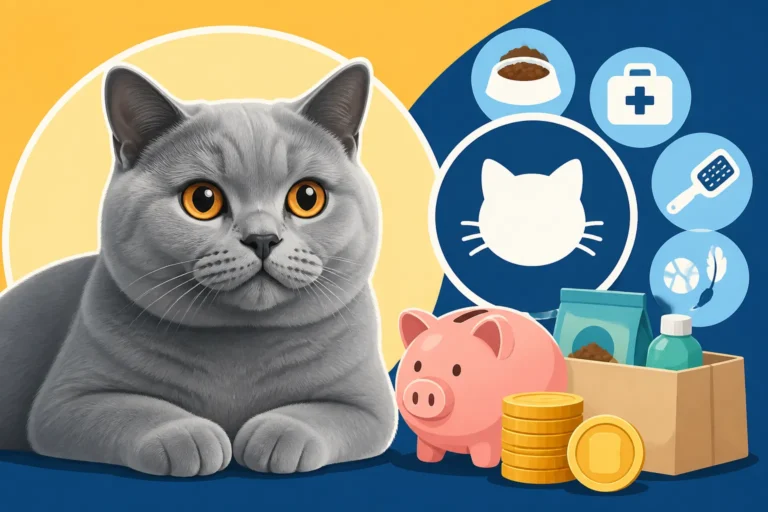
The total cost of a British Shorthair's first year of health screening and preventative care can vary widely based on your geographic location, your chosen veterinary practice, and the specific needs of your individual cat. However, it's safe to say it will involve a few distinct categories of expense:
- Initial Vet Visits & Core Vaccinations: This covers the multiple kitten booster shots, the initial comprehensive exam, fecal tests, and basic deworming.
- Parasite Prevention: Ongoing monthly or quarterly treatments for fleas, ticks, and heartworm.
- Specialized Screenings: The crucial first echocardiogram for HCM, and potentially DNA tests for conditions like PKD or blood typing if not already performed by the breeder.
- Neutering/Spaying: While not strictly "screening," this is a major health procedure usually done within the first year and often includes pre-surgical blood work.
- Basic Supplies & Food: High-quality food, litter, bowls, toys, and grooming tools.
Here’s a simplified breakdown to give you a clearer picture (remember, these are illustrative categories, and actual figures will vary):
| Category | Description | Frequency in First Year |
|---|---|---|
| Initial Vet Consultations | Comprehensive physical exams, baseline health assessment | 2-3 visits |
| Core Vaccinations | FVRCP boosters, Rabies vaccine (often multiple doses) | 2-4 visits |
| Parasite Control | Deworming, flea/tick/heartworm prevention | Monthly/Quarterly |
| Cardiac Screening (Echo) | First echocardiogram by a cardiologist for HCM detection | Once (around 1 year) |
| Genetic Testing | Blood typing, PKD DNA test (if not done by breeder) | Once |
| Neutering/Spaying | Surgical procedure, pre-surgical blood work, pain medication | Once |
| Dental Check | Oral exam as part of vet visits, possibly at-home dental care products | 2-3 visits |
This table provides a generalized overview. It's always best to get a detailed estimate from your local veterinarian for personalized costs. It's a financial commitment, but one that underpins the long-term health of your beloved British Shorthair. For a broader view of costs, consider articles like What the First Year With a British Shorthair Costs.
The Value of Pet Insurance
Given the potential for unexpected health issues, especially with breed-specific conditions like HCM, many British Shorthair owners find pet insurance to be a valuable investment. While it won't cover pre-existing conditions, enrolling your kitten early can ensure that future illnesses or accidents are covered, significantly easing the financial burden should a major health crisis arise. This is where companies like Healthy Paws can come in handy, offering various plans to help manage veterinary expenses.
It’s important to research different providers and plans, understanding what is covered (e.g., accidents, illnesses, hereditary conditions) and what isn't (e.g., routine wellness, pre-existing conditions). Some plans might include wellness add-ons that cover a portion of preventative care, like vaccinations or even some screening tests. While pet insurance itself adds to your monthly expenses, it acts as a financial safety net, allowing you to make medical decisions for your British Shorthair based on what's best for their health, rather than what's easiest on your wallet. For deeper information, read Insuring a British Shorthair.
Disclaimer
This article is for general informational purposes only and does not constitute professional advice. Laws, prices and regulations vary by location and change over time. Consult a qualified professional for guidance on your specific situation.