What the British Shorthair PKD and Hemophilia Tests Cost
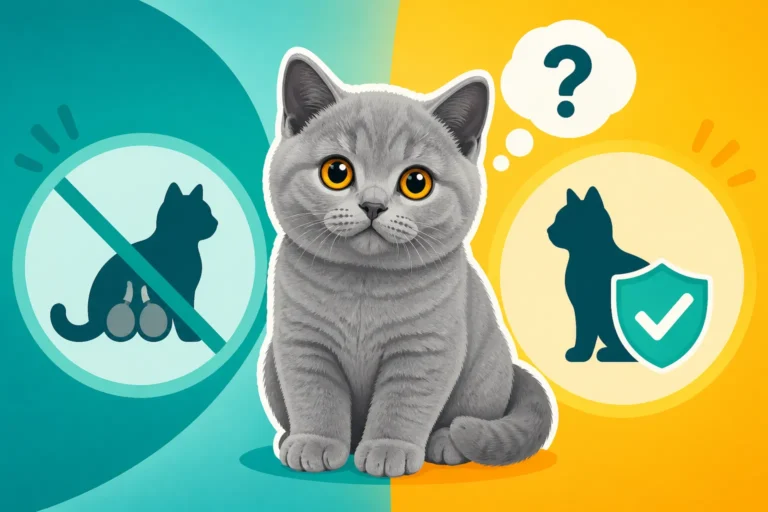
It's a huge step bringing a British Shorthair into your life, and with that joy often comes a natural worry about their health. Understanding potential inherited conditions, like Polycystic Kidney Disease (PKD) and Hemophilia B, is vital. This comprehensive guide will walk you through what these conditions entail for your beloved British Shorthair and, crucially, what you can expect in terms of testing costs to ensure you're making the most informed decisions for their well-being.
Understanding Polycystic Kidney Disease PKD in British Shorthairs
Polycystic Kidney Disease, or PKD, is a truly insidious condition because it often lurks silently for years before manifesting in obvious symptoms. It's an inherited disorder where fluid-filled cysts gradually develop and enlarge in the kidneys, progressively impairing kidney function. Imagine tiny bubbles forming and growing, slowly but surely taking over the healthy kidney tissue. For a British Shorthair, a breed known for its robust appearance, this silent progression can be particularly heartbreaking as the disease advances unnoticed until significant damage has occurred.
The cysts are present from birth, but they start out microscopic, making detection challenging in very young kittens without specific genetic testing. As the cat ages, these cysts grow in size and number, eventually crowding out normal kidney tissue and leading to kidney failure. The frustrating part for many owners is that by the time you see symptoms like increased thirst, weight loss, or lethargy, the disease is typically quite advanced. This is precisely why early intervention through genetic testing is so invaluable.
What PKD Does to a British Shorthair's Kidneys
When a British Shorthair is afflicted with PKD, the small cysts, which are often microscopic at birth, gradually enlarge and multiply over time. These cysts are essentially sacs of fluid that form within the kidney tissue, slowly displacing and destroying the healthy, functional parts of the kidney. It's a progressive disease, meaning it gets worse as the cat ages. Initially, the kidneys might appear normal, but as the cysts grow, they can become quite large, sometimes deforming the entire kidney. This relentless growth of cysts is what ultimately leads to renal insufficiency and, eventually, kidney failure.
The symptoms of PKD in British Shorthairs are typically those associated with chronic kidney disease: increased thirst and urination, weight loss despite a good appetite, a dull coat, lethargy, and sometimes vomiting. The real challenge is that these signs often don't become apparent until a significant portion of the kidney function has already been lost. A cat can live for years with developing cysts before showing any outward signs of distress, making regular check-ups and understanding the breed's predispositions absolutely critical. For a deeper dive into how this disease manifests, you can read more about What Polycystic Kidney Disease Does to a British Shorthair.
How PKD Reached the British Shorthair Breed
The presence of PKD in the British Shorthair breed is a stark reminder of historical breeding practices and the interconnectedness of pedigree lines. This genetic condition is not indigenous to the British Shorthair but rather found its way into the gene pool through outcrossing, primarily with Persian cats. In the mid-20th century, after the devastations of two World Wars significantly reduced the numbers of many cat breeds, including the British Shorthair, breeders sought to revitalize the gene pool. The Persian, with its robust build and charming features, was often used as an outcross to introduce new blood and broaden genetic diversity.
Unfortunately, at the time, the prevalence of PKD within the Persian breed was not widely known or understood, nor were there readily available genetic tests to screen for it. As these outcrosses were integrated back into the British Shorthair lines, the PKD gene inadvertently came along for the ride. Generations later, breeders are still working diligently to eradicate it through careful testing and selective breeding. Understanding How PKD Reached the British Shorthair helps us appreciate the importance of modern genetic screening in maintaining breed health.
The Importance of Genetic Screening for PKD
For any responsible British Shorthair owner or prospective buyer, genetic screening for PKD isn't just a recommendation; it's a fundamental necessity. Because the disease is inherited in an autosomal dominant fashion, only one copy of the affected gene is needed for a cat to develop PKD. This means if one parent has the gene, there's a 50% chance each kitten will inherit it. Furthermore, a cat can carry and pass on the gene even if its own symptoms are mild or not yet evident, creating a cycle of potential suffering if not carefully monitored.
Genetic testing offers a definitive answer: either your cat carries the gene (PKD positive) or it doesn't (PKD negative). This knowledge empowers breeders to make ethical decisions, ensuring they do not inadvertently perpetuate the disease, and allows pet owners to provide proactive care for their felines. Early detection provides the opportunity to monitor kidney health, implement dietary changes, and manage symptoms to improve the cat's quality of life and potentially slow the progression of the disease. For more on whether you should test your British Shorthair, check out our guide, Whether a British Shorthair Should Be PKD Tested.
The Cost of PKD Testing for Your British Shorthair
Understanding the financial commitment involved in testing for PKD is a crucial part of responsible pet ownership. The good news is that, unlike some other health screenings, PKD testing for British Shorthairs is typically a one-time genetic DNA test. This means you pay for it once, and the results are valid for your cat's entire life, providing invaluable peace of mind. While the exact figure can fluctuate based on location, the specific lab chosen, and whether it's part of a broader health panel, the investment is generally seen as a small price to pay for such a significant insight into your cat's future health.
The cost might seem like another hurdle when you're already budgeting for a new kitten or an adult cat, but it's important to view it as a preventative measure. Think of it as investing in a clearer picture of your cat's genetic roadmap. This one-time test can save you from potentially far higher costs down the line if an undiagnosed PKD cat were to develop severe kidney failure requiring extensive veterinary care.
Available Testing Methods and Their Cost Shape
When it comes to PKD testing for British Shorthairs, you primarily have two methods at your disposal, though one is significantly more definitive and cost-effective in the long run. The gold standard is the DNA test. This test identifies the specific genetic mutation responsible for PKD. It typically involves a simple cheek swab or a small blood sample taken by your veterinarian. Once performed, the results are definitive and never need to be repeated for that individual cat. The cost shape for this is a single, upfront payment for the test kit and lab analysis.
The other method is an ultrasound scan of the kidneys. This involves a veterinary radiologist or trained vet using ultrasound equipment to visualize the kidneys and look for cysts. While an ultrasound can identify cysts, it's not foolproof, especially in young cats where cysts might still be too small to be seen. It also needs to be performed by a skilled professional and may need to be repeated annually, especially if initial scans are equivocal or if the cat is used for breeding. The cost shape here is typically lower per scan than a DNA test, but it accumulates over time, and the results are not as definitive for ruling out genetic predisposition, only for detecting current cyst presence.
Factors Influencing PKD Test Expense
The actual amount you pay for a PKD DNA test for your British Shorthair can vary quite a bit due to several factors. Firstly, the veterinary clinic itself might charge a fee for collecting the sample (a cheek swab or blood draw) and for handling the submission to the lab. This fee can vary significantly between practices. Secondly, the specific genetic testing laboratory you choose plays a role. Different labs, some of which specialize in feline genetics, may have different pricing structures for their services.
Geographical location also impacts costs, with prices potentially differing between urban and rural areas, or even between countries if you're importing a cat or sending samples internationally. Lastly, consider whether the PKD test is being run as a standalone test or as part of a larger health panel. Many reputable labs offer panels that test for multiple genetic diseases common in British Shorthairs, which can sometimes offer a slight discount compared to ordering each test individually. For a more direct idea of the financial side, our article What the British Shorthair PKD Test Costs provides a useful overview.
The Long-Term Value of Early PKD Detection
While there's an upfront cost associated with PKD testing, the long-term value and peace of mind it offers are truly priceless. Discovering early that your British Shorthair is PKD positive doesn't mean a death sentence; rather, it provides a powerful opportunity for proactive management. With this knowledge, you can work closely with your veterinarian to establish a tailored wellness plan, focusing on kidney-supportive diets, regular monitoring of kidney function through blood and urine tests, and potentially medications to manage symptoms as they arise.
Without this early detection, you might only discover PKD when your beloved cat is already in an advanced stage of kidney failure, leading to emergency veterinary visits, extensive diagnostics, and potentially very costly treatments to manage a crisis. The emotional toll of such a diagnosis, alongside the financial strain, can be immense. Knowing your cat's genetic status allows you to potentially slow the disease's progression, ensure a better quality of life for your British Shorthair, and avoid unexpected, high-cost medical interventions down the line. It's an investment in their comfort and your peace of mind.
Delving into Hemophilia B in British Shorthairs
Hemophilia B is another serious genetic condition that can affect British Shorthairs, though it's thankfully less commonly discussed than PKD in some circles. Unlike PKD, which impacts an organ, Hemophilia B is a blood clotting disorder. For a breed cherished for its calm demeanor, the idea of a hidden internal vulnerability can be particularly concerning for owners. It means that an affected cat's blood doesn't clot properly, leading to prolonged or excessive bleeding, even from minor injuries or routine procedures. This can be terrifying for an owner, realizing that a simple scratch or a necessary vet visit could turn into a life-threatening situation.
The genetic basis of Hemophilia B means it's an inherited trait, emphasizing once again the critical role of responsible breeding and comprehensive health screening. Without testing, carriers can unknowingly pass the gene down through generations, perpetuating this dangerous disorder. Being informed about Hemophilia B is not just about understanding a medical condition; it's about being prepared and making sure your British Shorthair lives a life free from this avoidable risk.
What Hemophilia B Means for Your British Shorthair
Hemophilia B in British Shorthairs, also known as Factor IX deficiency, is a serious inherited bleeding disorder. Cats affected by this condition lack or have insufficient levels of Factor IX, one of the crucial proteins required for blood clotting. This deficiency means that their blood cannot form clots effectively, leading to a range of potential problems from minor bruising to severe, life-threatening hemorrhages. Imagine your cat getting a tiny cut, and instead of quickly stopping, it just keeps bleeding, or a bruise appearing from a seemingly innocuous bump.
The severity of symptoms can vary, but generally, affected cats are at risk of prolonged bleeding after injuries, surgery, or even routine procedures like nail trims or dental work. Spontaneous bleeding into joints or body cavities can also occur, causing pain and significant health complications. Unfortunately, for some severely affected kittens, signs might appear very early in life, such as excessive bleeding from the umbilical cord, or later, as they become more active. To understand the full impact, it’s worth reading What Hemophilia B Does to a British Shorthair.
Understanding the Inheritance Pattern
The inheritance pattern of Hemophilia B is a critical piece of information, especially for breeders, as it is an X-linked recessive disorder. This means the gene responsible for Hemophilia B is located on the X chromosome. Because males have one X and one Y chromosome (XY) and females have two X chromosomes (XX), the way the disease manifests differs between sexes. Males, having only one X chromosome, will be affected if they inherit the faulty gene on that chromosome. There is no second X to compensate.
Females, on the other hand, can be carriers. A carrier female has one normal X chromosome and one X chromosome with the Hemophilia B gene. She typically will not show symptoms of the disease herself because her other healthy X chromosome compensates. However, she can pass the faulty gene to her offspring. If she mates with a non-affected male, her male offspring have a 50% chance of being affected, and her female offspring have a 50% chance of being carriers. This makes identifying carriers paramount for preventing affected kittens. Our article, Whether a British Shorthair Hemophilia Carrier Bleeds, offers more details on this often-misunderstood aspect.
The Silent Threat of Carriers
The "silent threat" of Hemophilia B lies squarely with carrier females. As mentioned, these queens carry the gene but often exhibit no clinical signs of the disorder themselves. They lead perfectly normal, healthy lives, which can make them incredibly difficult to identify without specific genetic testing. This invisibility is precisely what makes the condition so problematic for responsible breeding programs. A breeder could unknowingly use a carrier queen for generations, unwittingly spreading the Hemophilia B gene throughout their lines.
The real danger emerges when a carrier female is bred. She has a 50% chance of passing that problematic X chromosome to each of her kittens. Any male kittens who inherit this X chromosome will be affected by Hemophilia B, facing a lifetime of bleeding risks. While female offspring would be carriers themselves, the cycle would continue. This highlights why pre-breeding genetic screening is not just advisable but absolutely essential to protect the health and well-being of future generations of British Shorthairs. Without it, the condition can easily hide and resurface tragically.
The Necessity and Cost of Hemophilia B Testing
Just like with PKD, testing for Hemophilia B is a proactive and ethical step every British Shorthair owner, and particularly every breeder, should consider. The implications of this bleeding disorder are severe, and identifying carriers before they reproduce is the most effective way to eliminate it from breeding lines. The cost associated with Hemophilia B testing is an investment in preventing potential suffering and expensive emergency veterinary care down the line. It ensures that the British Shorthair breed continues to be known for its health and robust nature, minimizing the risks of such a critical condition.
Again, like PKD, Hemophilia B testing is typically a one-time DNA test, meaning the results are valid for your cat's entire life. This makes the upfront cost a highly valuable expenditure. You're not just buying a test; you're buying knowledge that can directly impact a cat's ability to live a full and healthy life, free from the constant threat of a bleeding crisis.
Types of Hemophilia B Tests and Associated Costs
For Hemophilia B in British Shorthairs, the most reliable and common method of detection is a DNA test. This test specifically looks for the genetic mutation that causes Factor IX deficiency. Similar to the PKD DNA test, it usually requires a simple cheek swab or a small blood sample collected by a veterinarian. This sample is then sent to a specialized genetic testing laboratory for analysis. The beauty of the DNA test is its definitive nature: it can accurately identify affected males, carrier females, and clear cats.
Other, older methods like general coagulation profiles (blood clotting tests) might indicate a bleeding disorder, but they cannot pinpoint Hemophilia B specifically, nor can they reliably identify asymptomatic carriers. Therefore, the DNA test is the undisputed standard. The cost of this test will vary based on the same factors as PKD testing: the veterinary clinic's fees for sample collection, the specific genetic testing laboratory's pricing, and whether it's bundled with other health screenings. It's generally a similar cost shape to other single gene DNA tests. For information on whether a DNA test for British Shorthair hemophilia exists, check out Whether a DNA Test for British Shorthair Hemophilia Exists.
Why Testing is Not an Option for Breeders
For anyone involved in the responsible breeding of British Shorthairs, genetic testing for Hemophilia B is not merely a suggestion; it's an absolute ethical imperative. Given the X-linked recessive nature of the disease and the severe health consequences for affected male kittens, intentionally breeding a known carrier female is deeply irresponsible. The potential for these kittens to suffer from life-threatening bleeding episodes is immense, often leading to tragic outcomes for both the cat and the unsuspecting owner.
Reputable breeders understand their moral obligation to produce healthy kittens and to actively work towards eradicating genetic diseases from their lines. This means screening all breeding stock – both males and females – for Hemophilia B. If a queen is identified as a carrier, she should ideally be removed from a breeding program, or very carefully bred only to a tested, clear male, with all offspring subsequently tested. It's about ensuring the future well-being of the breed and preventing preventable suffering. Our guide on What a British Shorthair Breeder Should Have Tested further emphasizes this responsibility.
Preventing Unforeseen Emergencies
Knowing your British Shorthair's Hemophilia B status can quite literally be a lifesaver, allowing you to prevent unforeseen emergencies that could otherwise turn routine events into crises. Imagine the scenario: your seemingly healthy British Shorthair needs a dental procedure, or perhaps has an accident requiring stitches. Without prior knowledge of a bleeding disorder, these situations could quickly escalate if the cat bleeds excessively and uncontrollably. Veterinary teams need to be aware of such conditions to take appropriate precautions, such as having blood products on hand or using specialized surgical techniques.
For a pet owner, having a "clear" Hemophilia B test result provides immense peace of mind, knowing that this particular inherited risk is off the table. If a cat is found to be affected, this knowledge allows for a proactive approach, including careful monitoring, avoiding situations that could lead to injury, and ensuring all veterinary staff are fully informed of the condition before any procedure. This crucial information can guide treatment decisions and potentially save your beloved British Shorthair's life by preventing a medical emergency before it even starts.
Navigating the Health Screening Landscape
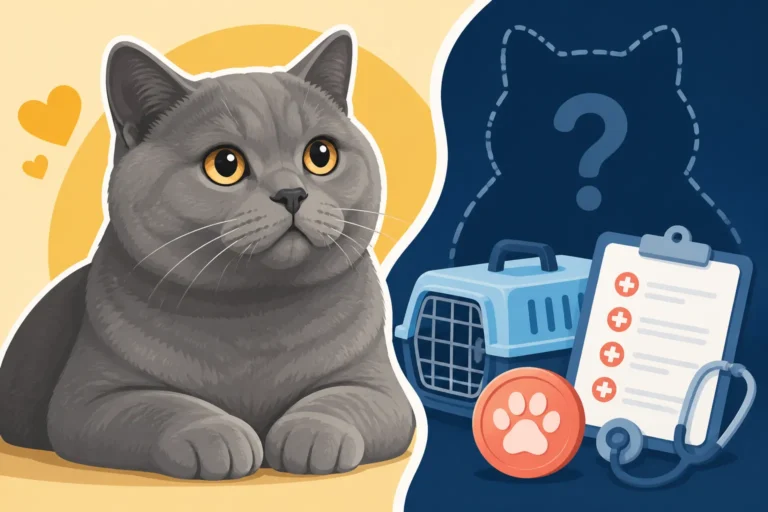
The world of genetic health screening can feel a bit overwhelming, especially if you're a new British Shorthair owner or considering adding one to your family. There are so many potential conditions, so many tests, and varying opinions on what's truly essential. But when it comes to conditions like PKD and Hemophilia B, which have clear genetic markers and potentially devastating impacts, the path forward is relatively straightforward: testing is key. This section aims to demystify the process, helping you understand when and how to approach these important screenings.
It's about empowering you with the knowledge to make informed decisions, whether you're bringing home a kitten from a reputable breeder or adopting an adult British Shorthair whose history might be less known. The goal is always the same: to ensure the longest, healthiest, and happiest life possible for your cherished feline companion.
When to Conduct Genetic Testing
For breeders, genetic testing for both PKD and Hemophilia B should be conducted on all potential breeding cats before they are ever introduced into a breeding program. This means testing young adults once they are old enough to provide a reliable sample and before any mating takes place. This proactive approach prevents the accidental spread of these detrimental genes. For pet owners acquiring a British Shorthair from a reputable breeder, the parents should have already been tested, and the breeder should be able to provide clear documentation of these results. In such cases, testing your individual kitten for these conditions is often unnecessary, as their status will be known through their parents.
However, if you've adopted a British Shorthair from a rescue organization or acquired a cat whose genetic history is unknown, it's highly advisable to perform these tests yourself. While the cat may be older and beyond breeding age, knowing their status can still inform their lifelong veterinary care and allow you to prepare for potential health challenges. Even if the cat shows no symptoms, a positive test result can help you and your vet monitor their health more closely.
Choosing a Reliable Genetic Testing Laboratory
When selecting a laboratory for your British Shorthair's genetic testing, reliability and reputation are paramount. You want to ensure the results you receive are accurate and actionable. Start by asking your veterinarian for recommendations, as they often have preferred labs they work with for genetic screenings. Look for laboratories that specialize in feline genetics and specifically list tests for British Shorthairs. Some labs might offer broader panels that include PKD and Hemophilia B along with other relevant conditions for the breed.
A good laboratory will have clear instructions for sample collection and submission, provide transparent pricing, and offer clear, easy-to-understand results. Don't hesitate to contact the lab directly with any questions you might have about their processes or accreditations. While it might be tempting to opt for the cheapest option, remember that the accuracy of these tests is vital for your cat's future health. Investing in a reputable lab ensures you get results you can trust.
Understanding a Comprehensive Health Panel
Genetic tests for PKD and Hemophilia B are essential, but they are just two pieces of a larger puzzle when it comes to ensuring your British Shorthair's overall health. A truly responsible approach involves understanding and, where appropriate, utilizing a comprehensive health panel. This refers to a battery of tests that reputable breeders conduct to screen for various hereditary conditions prevalent in the breed, not just the two discussed here. This might include screening for hypertrophic cardiomyopathy (HCM) through regular echocardiograms, blood typing, and other genetic tests for conditions like mucopolysaccharidosis or progressive retinal atrophy, depending on the specific breed lines.
For a pet owner, knowing that your cat's parents have undergone a full health panel provides significant reassurance. If you're considering breeding, or have adopted a cat of unknown origin, working with your vet to determine which tests are most appropriate for your individual British Shorthair is critical. It's about taking a holistic view of health, acknowledging that while PKD and Hemophilia B are vital, they don't cover every possible genetic predisposition. Our article on Which Tests the British Shorthair Health Panel Covers offers a deeper dive into this broader approach.
Financial Preparedness for British Shorthair Health
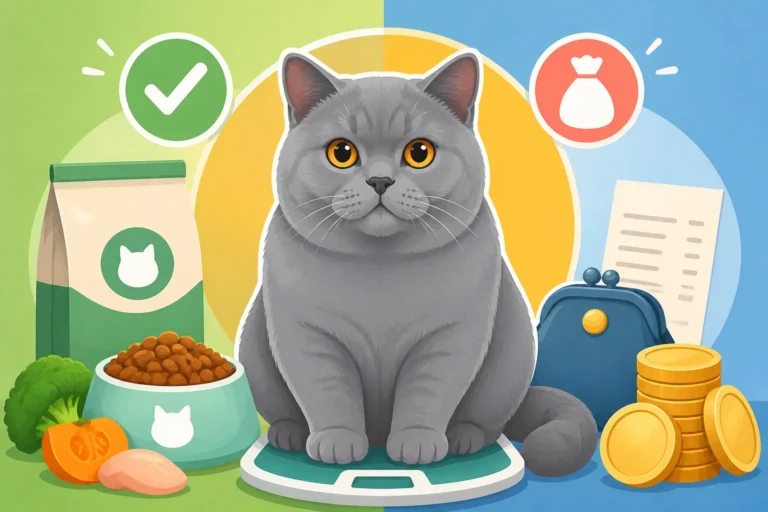
Bringing a British Shorthair into your home is a commitment of love, time, and, undeniably, financial resources. While the initial purchase price or adoption fee is often the first thing people consider, the ongoing costs of ownership, especially those related to health, can be substantial and unpredictable. Genetic testing for conditions like PKD and Hemophilia B is an excellent example of a preventative financial investment that can potentially save you a fortune (and a lot of heartache) down the line. However, beyond these specific tests, a broader financial strategy is crucial for truly preparing for the lifespan of your furry companion.
Being prepared means not just reacting to illnesses as they arise but actively planning for preventative care, routine maintenance, and the inevitable unexpected vet visits. This foresight allows you to provide the best possible care for your British Shorthair without undue financial stress.
The Role of Pet Insurance in Managing Costs
Pet insurance can be an absolute lifesaver for British Shorthair owners, especially when faced with an unexpected illness or injury. While genetic testing provides crucial information about predisposition, it doesn't cover the costs of managing a disease if it develops. This is where insurance steps in. Policies typically cover a percentage of veterinary bills for accidents, illnesses, surgeries, and sometimes even prescription medications. Imagine if your British Shorthair developed an unforeseen condition not covered by genetic testing; the bills could easily climb into the thousands.
Companies like Healthy Paws offer various plans, and while specific coverage and costs can vary widely, having a policy in place can significantly reduce the out-of-pocket expenses for diagnostics and treatment. It means you can make medical decisions based on what's best for your cat, rather than solely on your immediate financial capacity. While pet insurance typically doesn't cover pre-existing conditions (another reason genetic testing and knowing your cat's health history before getting insurance is vital), it provides a safety net for future, unexpected health challenges. Learn more about Insuring a British Shorthair to see if it's right for you.
Budgeting for Preventative Care and Unexpected Illnesses
Beyond specific genetic tests, a wise British Shorthair owner budgets for a range of preventative care and prepares for unexpected illnesses. Preventative care includes annual veterinary check-ups, vaccinations, parasite control, and potentially regular dental cleanings. These routine expenses are predictable and essential for maintaining your cat's overall health. Don't forget their daily needs too; a healthy diet is crucial for a British Shorthair to ensure they're getting optimal nutrition.
However, even with the best preventative care and genetic screening, illnesses and accidents can still happen. British Shorthairs, like all cats, can develop conditions such as arthritis in old age, dental disease, or even something as simple as a urinary tract infection. Setting aside an emergency fund specifically for your cat's health is a prudent step. This fund can cover deductibles for insurance, treatments for conditions not covered, or simply serve as a buffer for any unforeseen medical expenses, offering peace of mind that you can address health issues promptly and effectively.
The True Lifetime Cost of a British Shorthair
Considering all these factors, the true lifetime cost of a British Shorthair is far more than just the initial purchase price and includes much more than just these two genetic tests. It's a continuous investment in their health, happiness, and well-being that can span 12 to 17 years. While genetic testing for PKD and Hemophilia B is a relatively small, one-time fee, it forms part of a larger picture of financial responsibility that includes food, litter, toys, routine vet visits, preventative medications, grooming supplies, and, crucially, potential medical interventions for various ailments throughout their life.
From the day you bring them home, to their senior years where care might become more intensive, the costs add up. But for devoted British Shorthair owners, these costs are willingly borne, because the companionship, joy, and quiet affection these wonderful cats bring into our lives are truly immeasurable. Being fully prepared for the financial aspect allows you to fully enjoy every moment with your cherished British Shorthair, confident that you can meet their needs. For a comprehensive overview, explore What a British Shorthair Costs Over Its Lifetime.
Comparison of British Shorthair Genetic Tests
To help you visualize the core differences and typical cost considerations for PKD and Hemophilia B genetic testing, here's a handy comparison table. This isn't exhaustive for all British Shorthair health checks, but focuses on the two conditions discussed in this guide.
| Test | Purpose | Inheritance Pattern | Sample Required | Typical Cost Shape (Relative) | Value for Pet Owner | Value for Breeder |
|---|---|---|---|---|---|---|
| PKD DNA Test | Detects genetic mutation for Polycystic Kidney Disease | Autosomal Dominant | Cheek swab or blood | Moderate (one-time) | Peace of mind, informs lifelong care | Prevents affected kittens, ethical breeding |
| Hemophilia B DNA Test | Detects genetic mutation for Factor IX deficiency | X-linked Recessive | Cheek swab or blood | Moderate (one-time) | Prevents bleeding crises, informs vet care | Prevents affected kittens, identifies carriers |
Final Thoughts on British Shorthair Health Testing
Navigating the health landscape of your British Shorthair can feel like a lot to take in, but understanding the importance and cost of genetic tests for conditions like Polycystic Kidney Disease (PKD) and Hemophilia B is a monumental step in responsible pet ownership. These conditions, while sometimes hidden, carry significant risks to your cat's well-being. Proactive testing isn't just about avoiding future expenses; it's fundamentally about preventing suffering and ensuring your beloved British Shorthair lives the healthiest, happiest life possible.
Whether you're bringing a new kitten home or caring for an adult, arming yourself with knowledge and making informed decisions about their genetic health is one of the greatest gifts you can give them. It's part of the comprehensive care that ensures Whether a British Shorthair Is a Healthy Breed remains true for generations to come.
Disclaimer
This article is for general informational purposes only and does not constitute professional advice. Laws, prices and regulations vary by location and change over time. Consult a qualified professional for guidance on your specific situation.